Location
Mount Vernon, WA 98274

Location
Mount Vernon, WA 98274
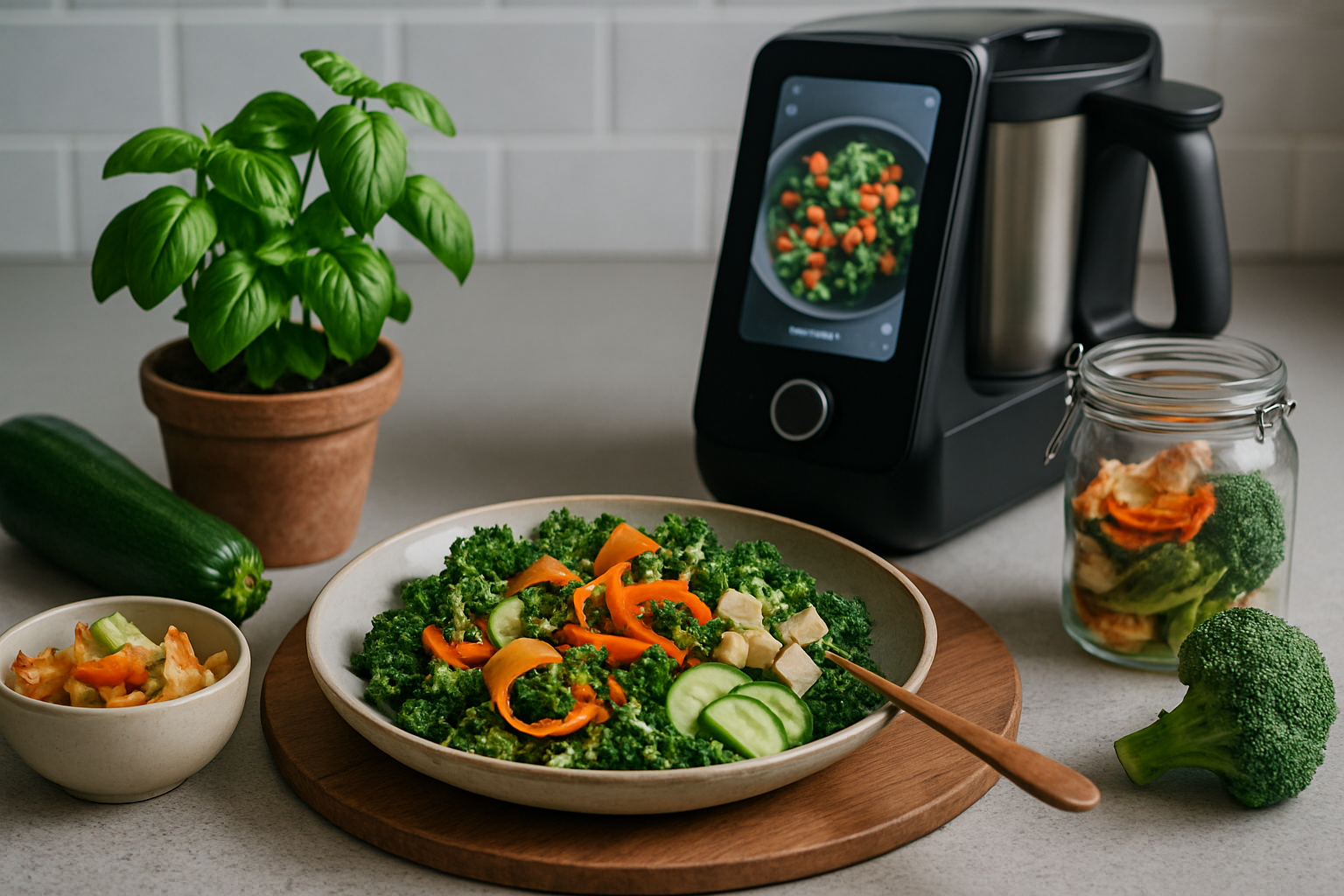
In a world where sustainability meets innovation, home cooks and professional chefs alike are reimagining the way we prepare and enjoy food. From plant-centric creations to zero-waste cooking and AI-powered appliances, this article explores the culinary movements transforming modern kitchens.
The culinary landscape is undergoing a remarkable transformation. Driven by growing environmental awareness, evolving dietary preferences and rapid technological development, today’s food trends blend sustainability, health and convenience in ways once thought impossible. From the countertop fermentation jar to the smartphone-connected oven, modern kitchens are becoming laboratories of flavor and innovation. This article dives into the top food and culinary trends captivating food professionals and home cooks alike, offering insights into why each trend matters, how it’s taking shape and practical tips for embracing them in your own kitchen.
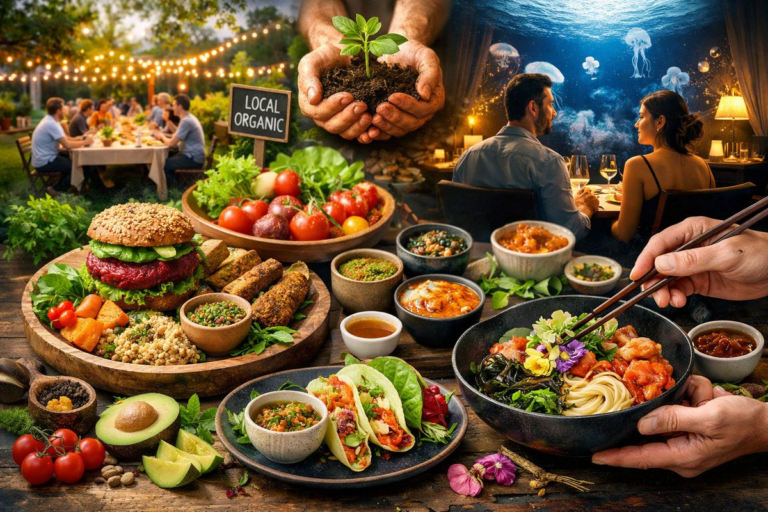
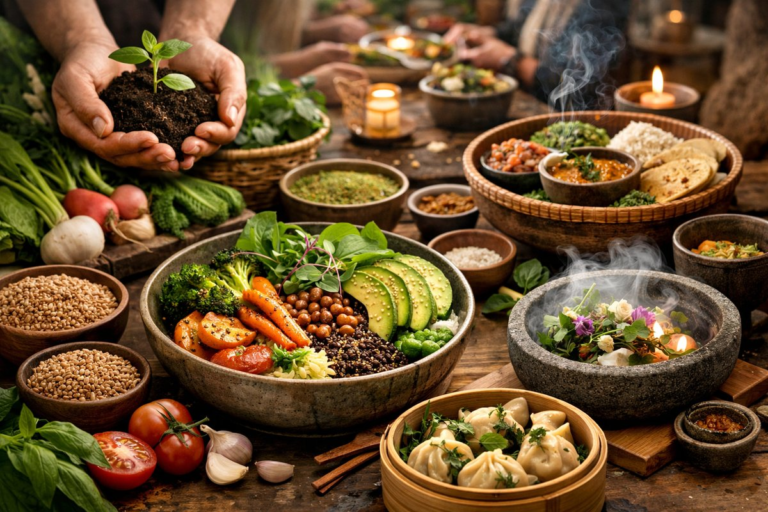
Plant-based eating has moved beyond simple salads and meat substitutes. Recent market analyses show double-digit growth in new plant-based product launches, spanning everything from nutrient-boosted dairy alternatives to savory, umami-rich mushroom and legume blends. Culinary innovators are tapping into ancient grains like fox millet and spelt, crafting dishes that celebrate texture and depth of flavor. Techniques such as smoking root vegetables and fermenting nuts are unlocking smoky, tangy profiles that rival their animal-derived counterparts.
Practical tip: Start small by swapping one animal product per meal with a plant protein or dairy alternative. Experiment with homemade oat or chickpea milk to control texture and reduce packaging waste. Keep common pantry staples-lentils, chickpeas, nutritional yeast and miso paste-to create richer, more complex vegan sauces, soups and dressings.
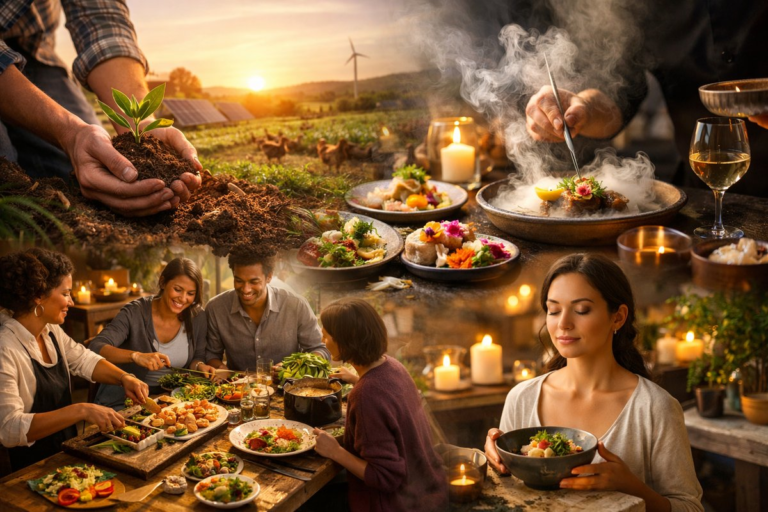
Eliminating kitchen waste is no longer a fringe practice; it’s a movement. Many chefs now view scraps-peels, stems and cores-as undervalued ingredients. Lemon rinds become candied twists, broccoli stalks turn into pesto, and coffee grounds find new purpose as a smoky rub for grilled vegetables. Restaurants are donating surplus ingredients through food-sharing apps, while home kitchens adopt systematic composting and repurposing routines.
According to a recent sustainability report, households that embrace zero-waste strategies can cut food waste by up to 50 percent. Beyond environmental benefits, this approach expands culinary creativity.
Practical tip: Organize your refrigerator with a ”use soon” shelf for perishable bits. Invest in clear glass storage containers and label them with dates. Create a weekly “scrap stock” by simmering vegetable trimmings in water for a nutrient-dense base. Freeze surplus to extend its life and have it ready for soups and stews.
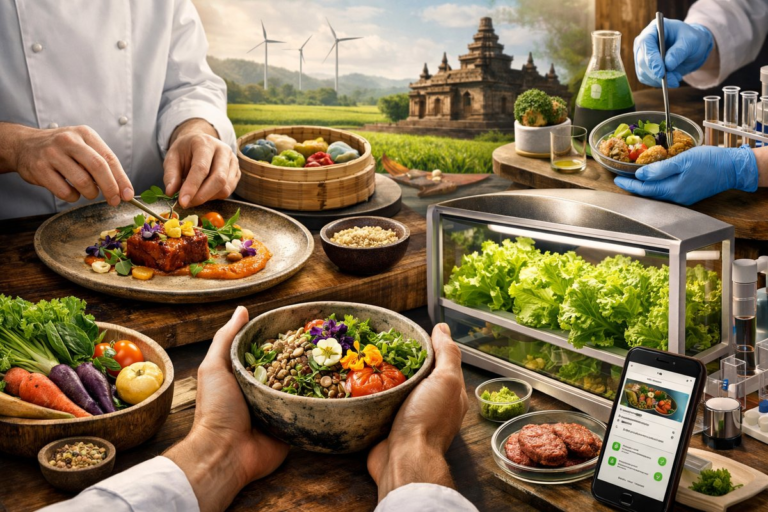
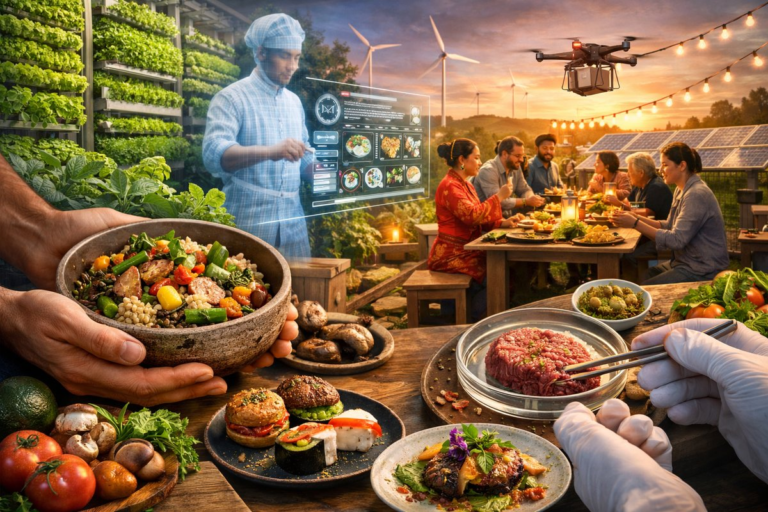
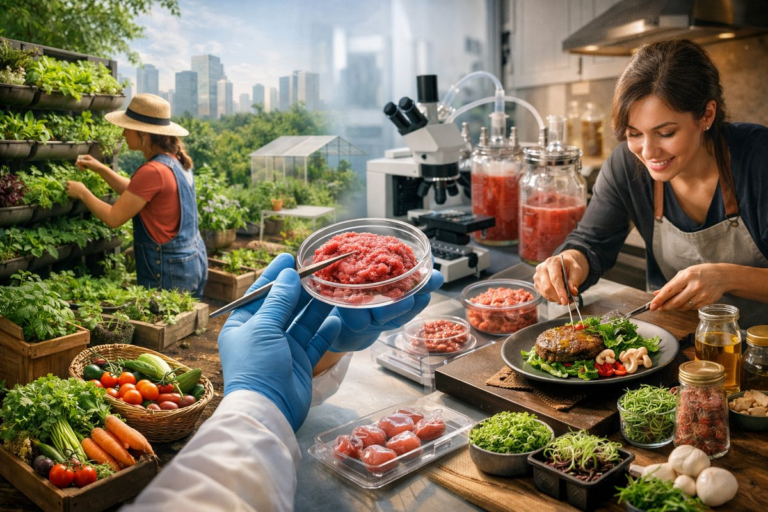
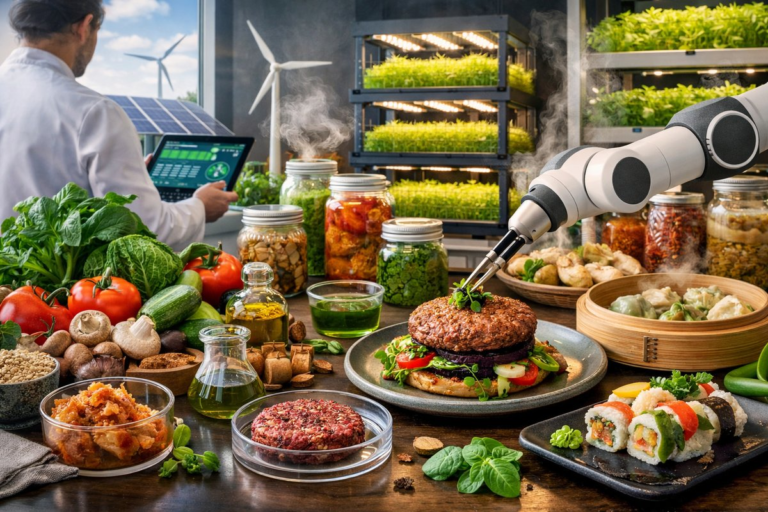
The modern kitchen is more connected than ever. Smart ovens that learn your favorite roast settings, refrigerators that track expiration dates and AI-powered apps that suggest recipes based on pantry inventory are rapidly gaining traction. These tools streamline meal planning, reduce waste and offer personalized cooking guidance.
Recent consumer research indicates that sales of smart cookware and countertop gadgets have increased by nearly 30 percent over the past two years. Far from gimmicks, many of these devices provide energy-saving features and precision controls that enhance consistency in cooking.
Practical tip: Choose one smart appliance that aligns with your routine-perhaps a Wi-Fi enabled slow cooker or precision induction cooktop. Pair it with an intuitive app to log your favorite settings. Gradually integrate additional tech, ensuring each new gadget addresses a real pain point, whether that’s forgetting to preheat or under-seasoning.
Culinary borders are blurring as ingredients and techniques from different cultures merge into new hybrids. Think Korean-Mexican tacos, Ethiopian-inspired stews using teff and injera croutons, or North African spices applied to classic New England clam chowder. These mash-ups celebrate the diversity of global cuisines and invite home cooks to expand their spice racks.
Beyond fusion, there’s a renewed interest in regional authenticity. Chefs are sourcing heirloom grains and heritage produce varieties to preserve flavor profiles that industrial agriculture often overlooks. Community grain-share programs have sprouted in urban centers, allowing small-batch millers to turn freshly harvested kernels into whole-grain flour within days of harvest.
Practical tip: Host a flavor-swap night with friends or neighbors, encouraging each person to bring an ingredient from their cultural background. Build a simple menu that spotlights two or three new spices or grains. Document what works, then integrate those discoveries into your regular rotation.
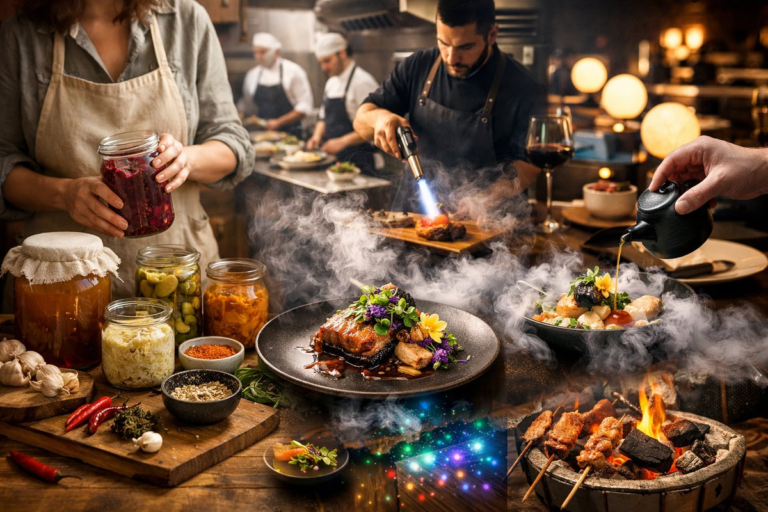
Fermented foods are having a renaissance, propelled by growing interest in gut health and traditional preservation methods. Sauerkraut, kimchi and kombucha have long had niche followings; now lesser-known ferments-miso-kicked eggplants, lacto-fermented hot sauces and fermented nut cheeses-are surfacing in cookbooks and specialty markets.
Scientific studies link regular consumption of live-culture foods to improved digestion, balanced microbiomes and even enhanced mood regulation. As a result, fermentation kits and at-home workshops have become hugely popular.
Practical tip: Start with a simple kraut or pickled cucumber recipe that requires only cabbage, salt and a clean fermentation vessel. Maintain consistent temperatures and monitor daily. Once you’ve mastered the basics, branch out to kombucha or homemade yogurt. Document each batch’s flavor development and adjust salt levels, fermentation time and flavor add-ins to suit your palate.
The era of one-size-fits-all dietary advice is giving way to individualized nutrition. DNA-based meal planning, blood-glucose monitoring gadgets and food allergy apps are empowering people to align what they eat with their unique genetic, metabolic and lifestyle profiles. Meanwhile, DIY meal kits-complete with pre-measured ingredients and step-by-step instructions-are closing the gap between desire for home-cooked meals and the reality of busy schedules.
Subscription-based services now offer customizable boxes that factor in macronutrient goals, dietary restrictions and even cooking skill level. Though commercial kits remain popular, there’s a surge in open-source recipe libraries that allow users to generate printable ingredient lists and preparation guides tailored to their needs.
Practical tip: Pick one aspect of personalized nutrition-whether it’s reducing sugar spikes or maximizing plant protein-and focus on meal planning around that goal. Use a food-tracking app to log how you feel after each meal. If time is a barrier, assemble your own kit at home: pre-chop vegetables, portion grains and store them in labeled containers for grab-and-go prep.
Beyond the food itself, people are seeking community-anchored culinary experiences. Pop-up kitchens, neighborhood supper clubs and interactive online cooking circles are connecting individuals around shared meals and stories. These gatherings foster cross-cultural exchange, build local networks and support small-scale producers.
Workshops on wild foraging, farm-to-table dinners and donation-based cooking classes have proliferated. They reflect a collective desire to rediscover the roots of our food systems and forge deeper relationships with what’s on the plate.
Practical tip: Organize a themed cooking event in your neighborhood or virtual space. Invite participants to prepare a dish using a spotlight ingredient-say, seasonal mushrooms or a forageable green. Encourage storytelling around family recipes or local food lore. Share leftovers or swap produce to strengthen community ties and reduce waste.
The intersection of sustainability, technology, health and creativity is redefining how we cook, eat and relate to food. By adopting plant-centric innovations, embracing zero-waste practices, leveraging smart appliances, exploring global flavor fusions, experimenting with fermentation, personalizing nutrition and nurturing communal cooking experiences, home cooks and professionals alike can shape a more resilient, joyful and flavorful food future. The modern kitchen has never been more dynamic-now it’s your turn to explore, experiment and savor tomorrow’s trends today.