Location
Mount Vernon, WA 98274

Location
Mount Vernon, WA 98274

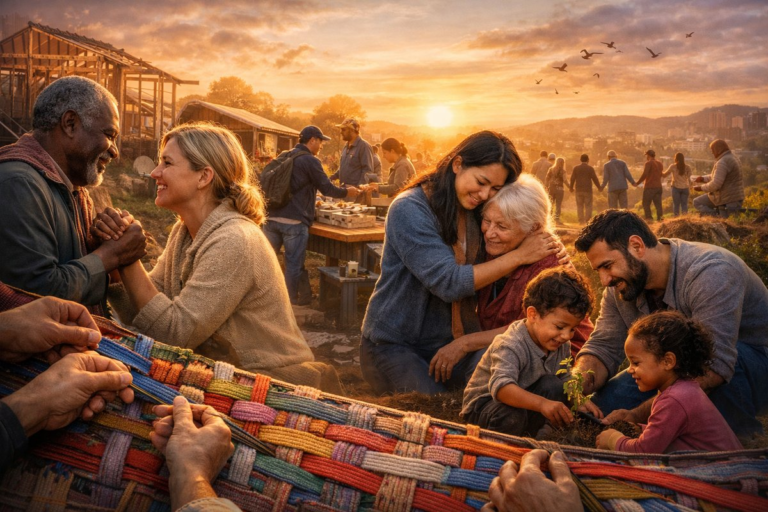
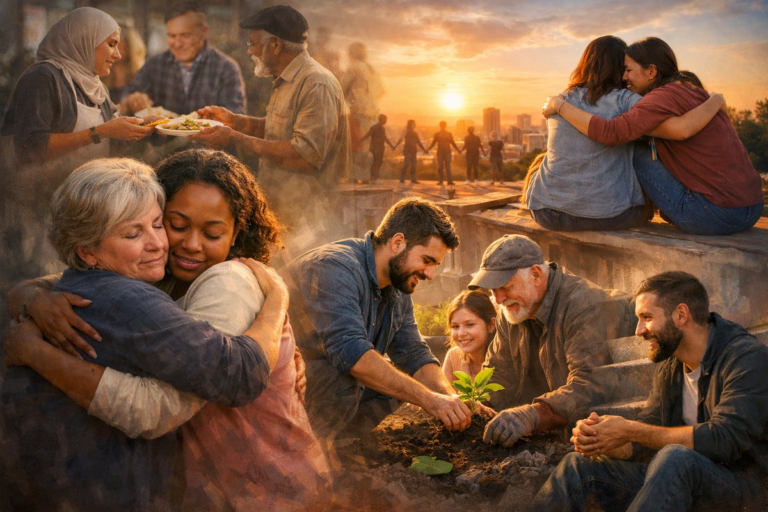
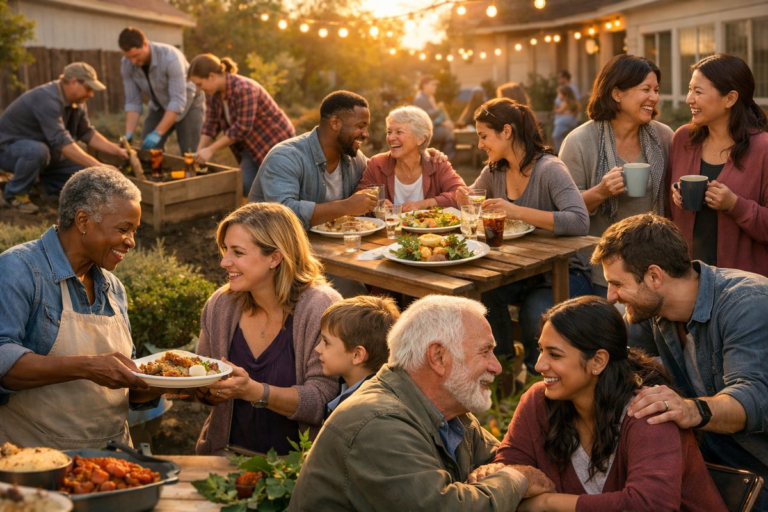
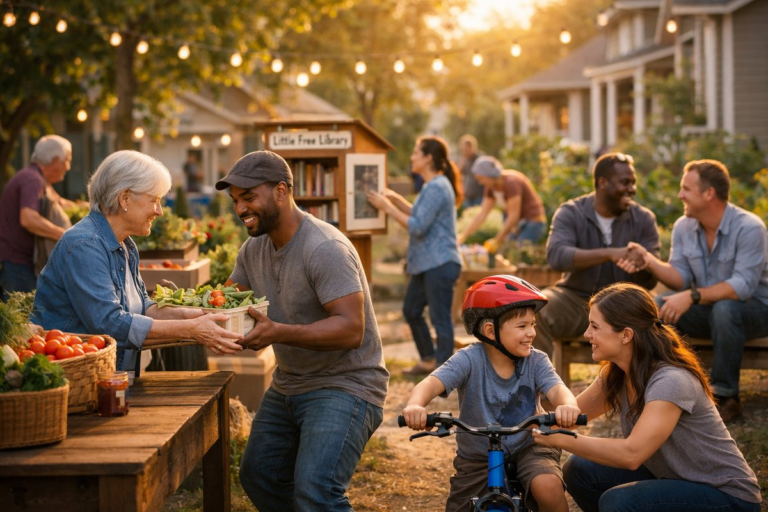
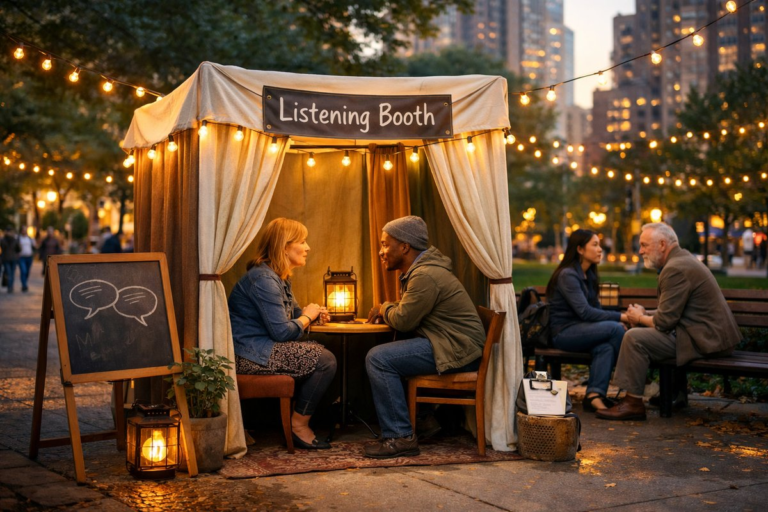
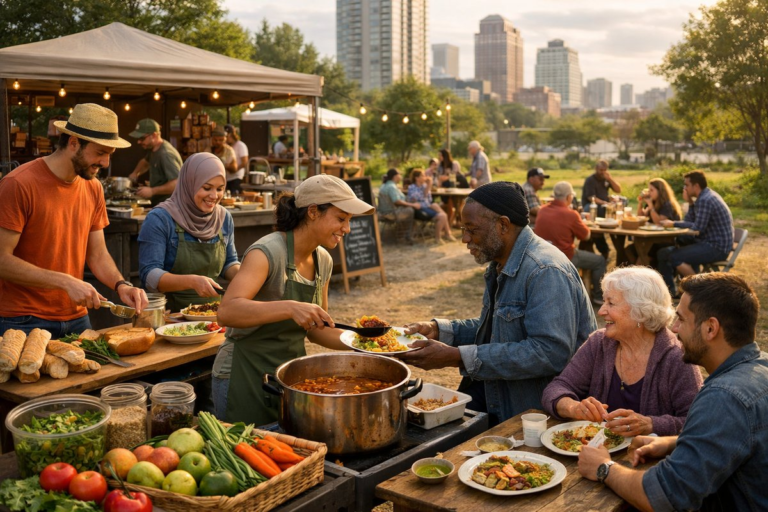
Across cities and small towns alike, neglected lots, parking areas, and empty storefronts are being transformed into vibrant gathering spots. From community gardens to pop-up markets, these shared spaces are fostering new forms of cooperation, resilience, and belonging.
Public gathering spaces have weathered years of underuse and shifting priorities. At the turn of the century, many urban plazas and neighborhood corners felt dormant. Then, a global health crisis forced people indoors, accelerating a sense of isolation. Yet as restrictions eased, a remarkable revival began: vacant lots turned into community gardens, closed storefronts became art studios, and defunct parking areas hosted weekly markets. These grassroots transformations highlight a powerful truth: when physical spaces are reimagined for communal purpose, they can rebuild social bonds and spark unexpected collaborations.
The Return of the Local Commons
In many metropolitan regions, this resurgence is not merely aesthetic. According to the National Recreation and Park Association, 78 percent of urban residents now visit a public green space at least once a month. Community gardens have increased by 40 percent over the past five years, providing more than fresh produce. They also serve as intergenerational classrooms where retirees mentor youth, and newcomers practice language skills while planting heirloom tomatoes. Similarly, public libraries-once seen primarily as repositories for books-have pivoted toward maker workshops, digital learning pods, and micro-concert venues. Attendance at these events has risen by roughly 20 percent, reflecting a broader desire for knowledge-sharing in shared rooms rather than behind screens.
Designing for Connection
Intentional design choices are key to sustaining this momentum. Planners and volunteers collaborate on inclusive layouts: wide pathways for wheelchairs, audio-description features for installations, and shaded seating for those needing rest. Modular furniture elements-benches, folding tables, planter boxes-allow the same footprint to host a morning yoga class, an afternoon craft clinic for kids, and an evening film screening. Lighting schemes extend usable hours without overwhelming nearby residents, while discreet signage ensures newcomers feel welcome and informed. In one Midwestern town, local artists painted directional arrows on sidewalks to guide people from the bus stop to a community hub, reinforcing a sense of shared authorship over public paths.
Stories from the Ground
• A suburban brownfield metamorphosed into an intergenerational oasis when a group of senior citizens volunteered with student-led environmental clubs. Their shared harvest celebrations now draw neighbors from blocks away.
• In a dense downtown district, a parking lane was cordoned off each weekend for a pedestrian marketplace. Artisans sell handwoven baskets next to food trucks serving plant-based tacos. Participants report that the simple act of strolling through makes them feel safer and more invested in their neighborhood.
• A rural town repurposed its historic train station into a monthly skills exchange. Attendees barter techniques-knitting, bicycle repair, bread baking-without cash changing hands. The exchange revived local pride and made the station a living monument rather than a shuttered relic.
Overcoming Challenges
Revitalizing shared grounds isn’t without hurdles. Funding often arrives in fits and starts: small grants, crowdfunding campaigns, or in-kind donations. Maintenance requires committed stewardship teams. When volunteers drift, weeds overtake beds and equipment languishes. Governance models that balance professional oversight with grassroots input tend to fare best. Community land trusts-nonprofit entities that secure ownership of public-adjacent land-can shield spaces from real estate market pressures. In one city, neighbors collectively purchased a half-acre lot, forming a cooperative that hires a part-time manager and rotates stewardship duties among volunteers. Open meetings and transparent budgets keep trust levels high.
Digital Tools Supporting Physical Spaces
Ironically, the same technology often blamed for isolating us helps these shared spaces thrive. Simple scheduling apps let residents book time slots for workshops or chores. QR-code plaques on benches link to a website where anyone can propose events or flag maintenance issues. Closed social-media groups provide quick updates on weather-related cancellations or invite feedback on new layout ideas. Even a basic text-message alert system can rally neighbors for a volunteer “clean-and-plant” day. By merging digital coordination with physical action, communities overcome friction and ensure that no one is left unaware of opportunities to help or join in.
Looking Ahead
What will the future of shared grounds look like? Climate resilience may become a central design criterion: rain gardens that filter stormwater, solar canopies providing power for nighttime events, and native-plant installations supporting pollinators. Portable pop-up modules-stackable seating walls, foldable stages-could move from one neighborhood to the next, weaving a network of temporary commons. Community land trusts may expand to incorporate mixed-use developments that blend affordable housing with co-operative workspaces and meal-sharing kitchens. In rural areas, abandoned schoolhouses might be converted into regional hubs for telemedicine, job training, and local produce co-ops.
Bringing It All Together
The resurgence of community spaces demonstrates that shared grounds are much more than real estate. They are catalysts for mutual aid, creativity, and resilience. By blending thoughtful design, volunteer stewardship, digital coordination, and sustainable practices, neighborhoods can transform forgotten corners into vibrant hubs of connection. Whether you have a vacant lot waiting to be greened or simply a desire to reclaim a public bench as a meeting point, the time for action is now. Reach out to local organizations, propose a small gathering, or simply start a seed swap with your block. Every planted seed and every sidewalk chalk arrow can grow into deeper ties among neighbors.