Location
Mount Vernon, WA 98274

Location
Mount Vernon, WA 98274
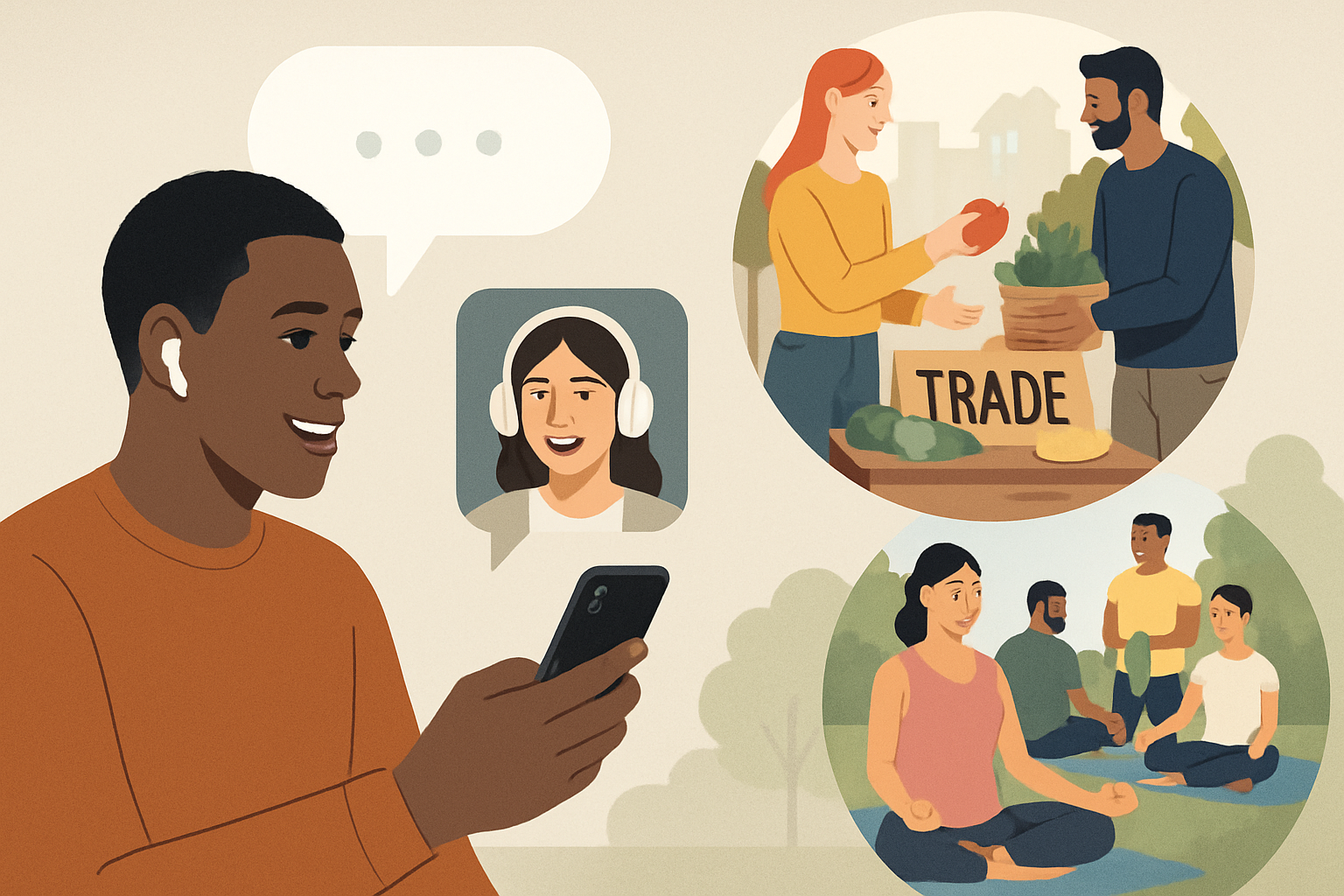
A new wave of social phenomena is blending online connection with real-world engagement. From pop-up gatherings born in audio rooms to hyperlocal barter networks, these modular communities are reshaping how we share skills, wellness practices, and social purpose.
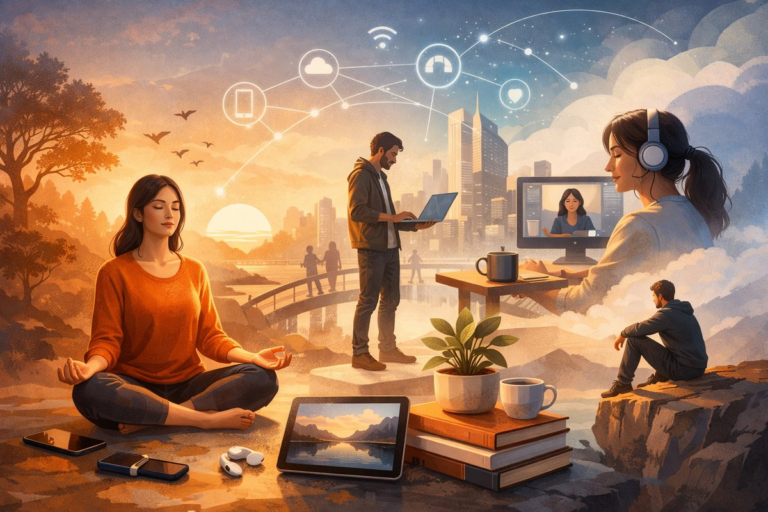
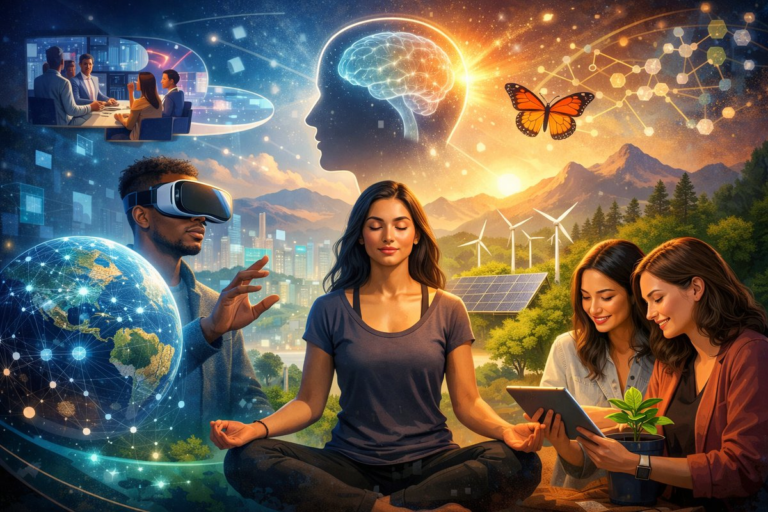
Digital life once promised infinite connection, but in recent months a counter-movement has been brewing. While large social networks continue to hum with endless scroll streams, smaller circles are taking shape-often born online but blossoming offline. These new social trends champion local exchange, intentional interactions, and ephemeral gatherings that foster deeper bonds. They bridge the virtual and the tangible, reflecting values of sustainability, privacy, curiosity, and emotional intelligence. This article explores five rising phenomena, each offering practical lessons for anyone seeking to engage more consciously with community.
What began as drop-in audio rooms has evolved into pop-up meetups where strangers share a moment of connection-and then disappear. Platforms inspired by late-night Clubhouse chats now host localized invites: flash yoga sessions in empty storefronts, silent discos in urban courtyards, and neighborhood storytelling circles in vacant lots. These events are announced with minimal fanfare-often a whisper in a private group chat or an encrypted flyer in a messaging thread-and attendance is capped to keep the vibe intimate.
Organizers cite two key benefits: first, the allure of scarcity; when you know an experience is limited, you bring more focus and presence. Second, these gatherings often champion local artists, small-batch coffee roasters, and independent instructors who prize authenticity over polished production. Attendees leave with new contacts, a sense of discovery, and a reminder that community can form overnight, without months of planning or costly advertising.
While digital marketplaces scale globally, a parallel trend is fostering localized economies. Physical tool libraries, swap boxes for books or seeds, and time banks where an hour of child-care can be exchanged for an hour of guitar lessons are sprouting in city neighborhoods and rural towns alike. These networks are often coordinated through private group channels, bulletin-board apps, or even printed newsletters slipped under doors.
In one midsize city, residents launched a “Street Library Cart” mounted on reclaimed wood pallets. People drop off novels, board games, and puzzles; others take what they like. No sign-up required, no overdue fees. Similarly, time-bank platforms let neighbors trade basic services-lawn mowing, pet walking, language tutoring-without cash changing hands. The result is a resilience boost: when supply chains shake or budgets tighten, hyperlocal exchange systems can fill gaps, strengthen trust, and foster interdependence among neighbors.
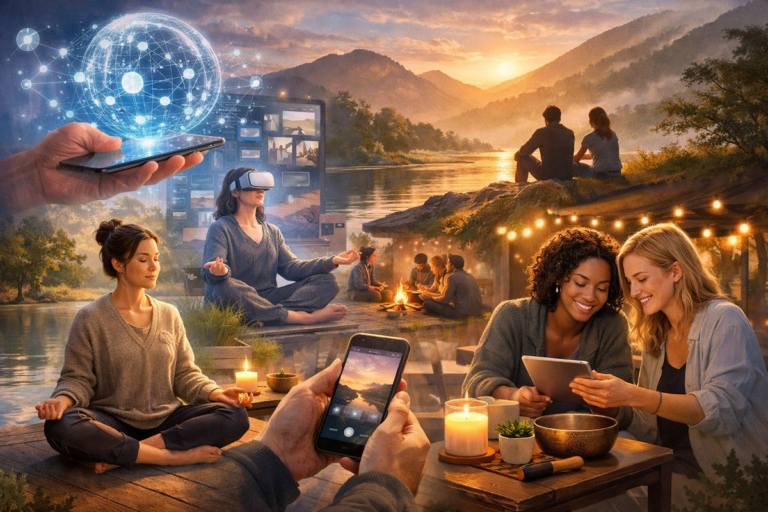
Wellness content has dominated social feeds for years, but a shift is underway: practitioners are trading livestreams and pre-recorded classes for shared rituals in small pods. Breathwork circles held in living rooms, community sound-bath sessions in repurposed warehouses, and micro-retreats tucked into weekend-only farm stays are examples of this localized wellness resurrection. Membership is often limited to 10-12 people, ensuring space for each voice and a cohesive group dynamic.
Hosts emphasize co-creation. Attendees might contribute homemade herbal teas for a tea-sharing ceremony, lead a five-minute guided visualization, or set group intentions on a communal altar. This participatory model contrasts with one-to-many webinars and reinforces emotional intelligence: participants learn to listen actively, hold space for vulnerability, and offer peer feedback. As mental health conversations become more mainstream, micro-communities offer a safe sandbox where people can experiment with new practices before introducing them to wider circles.
Big-name celebrities once dominated the social impact landscape, but now hyperlocal micro-influencers-people with followings under 10,000-are driving grassroots campaigns on a shoestring. A single Instagram Story sharing a neighborhood park clean-up can mobilize dozens of volunteers within hours. A TikTok clip of homemade jam swaps fuels a sustainable food-sharing chain. What these creators lack in audience size they make up for in authenticity and trust.
Brands and nonprofits are taking notice. Instead of broad sponsorships, they’re offering small grants or product donations to micro-influencers who champion litter-pickup brigades, urban community gardens, or reading programs for struggling schools. These collaborations are often project-based, limited in scope, and tailored to local values. The result is a tightly woven fabric of activism that feels more personal and less transactional than large-scale endorsements.
Paradoxically, the same apps that spawned these micro-movements have inspired a trend toward digital minimalism. People are curating their online feeds, purging rarely used apps, and setting strict notification windows. Offline meetups often include tech-free zones or timed break periods where phones are stacked in the center of a table. The concept of a “friend tech Sabbath” has taken hold: one evening a week, participants agree to silence digital devices and share a simple meal or a group activity instead.
This optional fasting from screens is more than nostalgia for pre-Internet life-it’s an experiment in focused attention and emotional bandwidth. Practitioners report improved listening skills, stronger memory for conversations, and a heightened appreciation for unplanned moments. Digital minimalism also offers sustainability benefits: extended phone lifespans, reduced energy consumption, and lower emissions associated with data centers. As concerns about privacy and data exploitation grow, many view intentional screen breaks as a form of personal activism.
Whether you’re drawn to ephemeral arts gatherings or sustainable swap systems, launching your own hybrid community starts with a clear intention and a small core group. Follow these steps:
As technology evolves, so too will the ways we build connection. Virtual reality guilds may soon convene public art projects that manifest in real-world murals. Collective intelligence platforms could power neighborhood problem-solving sprints, tackling issues from urban heat islands to local food deserts. Meanwhile, low-tech sustainability hives-where people repair electronics, share upcycled materials, and co-host repair cafés-will further blur the line between digital coordination and tangible impact.
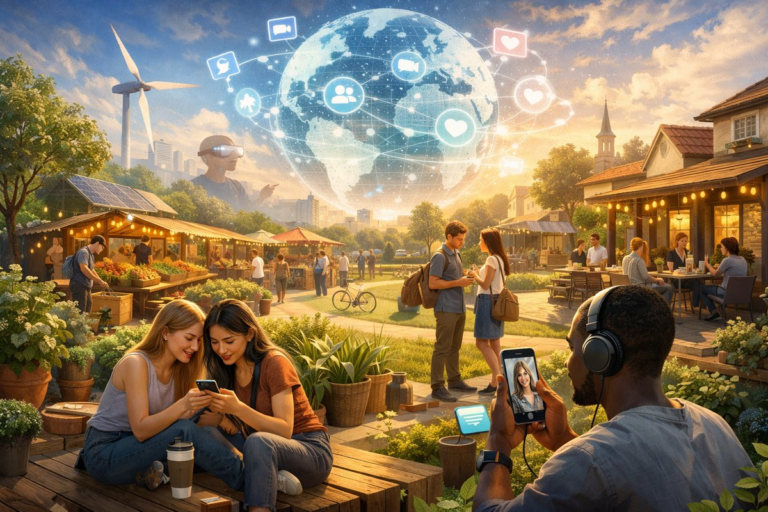
Above all, these emerging trendlines emphasize emotional intelligence, environmental stewardship, and privacy. By weaving online ease with offline authenticity, new community models are offering hope for deeper relations, resilient local economies, and shared purpose. The next time you log in, remember: the most meaningful connections may be waiting just around the corner-in a pop-up gathering, a swap box on your block, or a small circle that values presence over profiles.