Location
Mount Vernon, WA 98274

Location
Mount Vernon, WA 98274
As families navigate the evolving landscape of child development and learning, a balance of curiosity, emotional intelligence, and practical environments can empower both parents and children. This article offers actionable strategies-from designing home learning spaces to integrating mindful technology-that support well-rounded growth without sacrificing family harmony.
Parenting and education have undergone a quiet revolution in recent years. Rather than relying solely on traditional measures like test scores or rigid schedules, many caregivers now prioritize intrinsic motivation and creative exploration. Encouraging questions over rote answers transforms everyday moments into learning opportunities. A walk in the park can become a lesson in ecology when a child is prompted to observe insects, identify leaf patterns and sketch newfound shapes in a pocket notebook. In the kitchen, experimenting with recipes can illustrate fractions, chemical reactions and cultural traditions passed down through generations. By reframing daily routines as rich, multi-layered experiences, parents set the stage for lifelong curiosity and resilience.
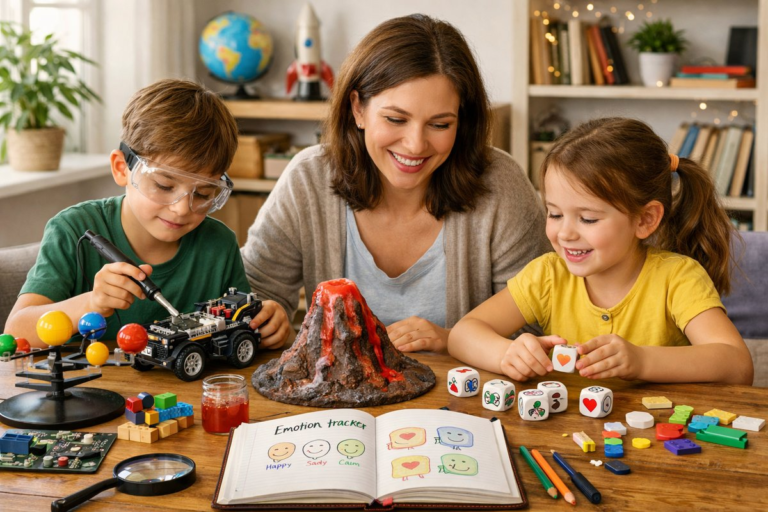
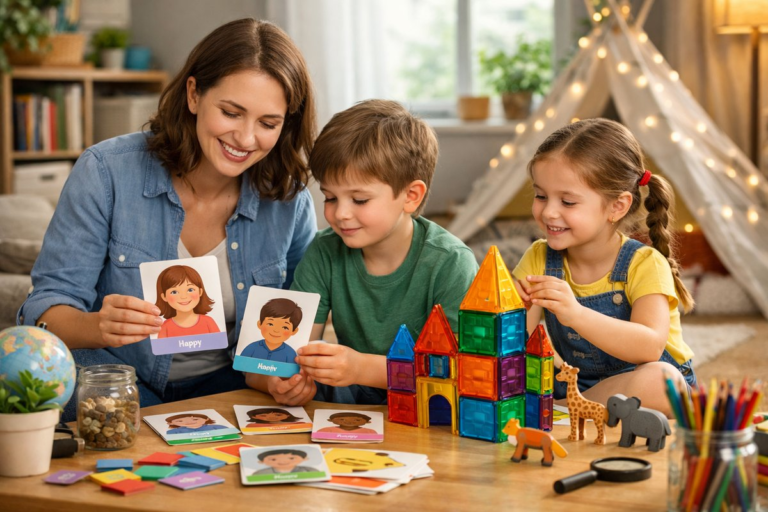
Emotional intelligence underpins every aspect of effective parenting and education. Children who learn to name their feelings-whether excitement, frustration or confusion-are better equipped to regulate behavior and seek support when needed. Simple check-in exercises, like naming a mood on a shared feelings chart or practicing breathing techniques together, foster a sense of safety and mutual understanding. Storytelling also serves as a powerful tool. Reading a book about characters overcoming fear or disappointment can spark meaningful conversations about coping strategies in real life. Embedding empathy into daily interactions-asking “How do you think your friend felt?” or “What would help right now?”-encourages deeper self-awareness and greater emotional agility as children encounter new challenges.
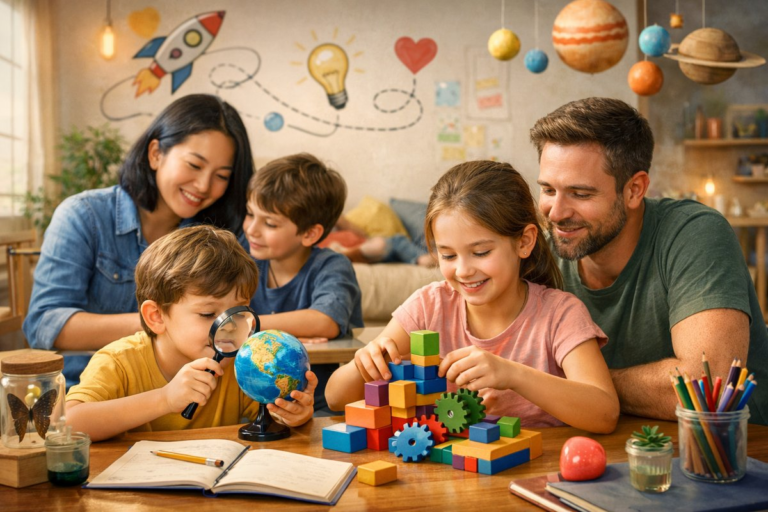
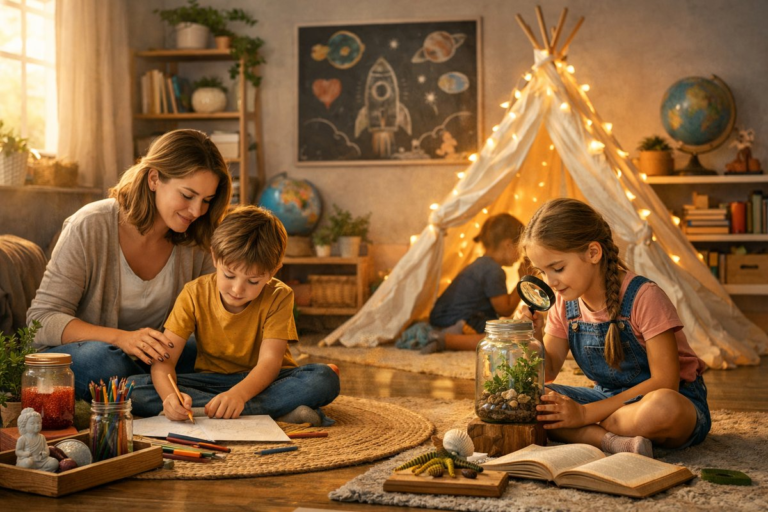
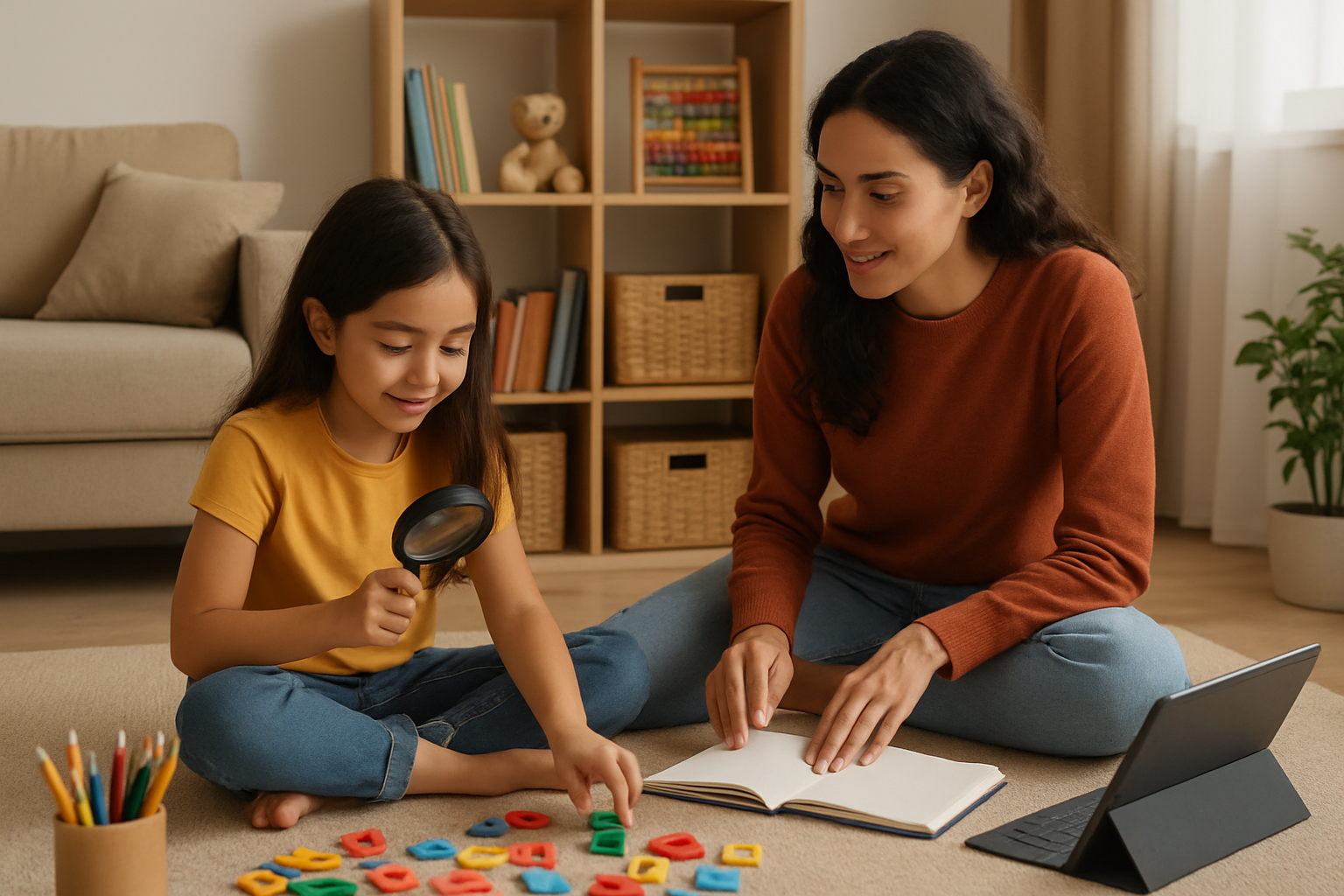
Creating a space that inspires exploration need not require a complete home makeover. A dedicated corner with open shelves for books, art supplies and tactile materials can become a hub of creativity. Rotate materials seasonally-blocks and puzzles in one cycle, science kits and nature journals in the next-to reignite interest. Low tables and stools at child height empower independent access, while wall-mounted displays showcase evolving projects and spark pride. Even ordinary household objects can double as learning tools: measuring cups for basic calculations, kitchen timers for time management or recycled containers for hands-on lessons in capacity and physics. Thoughtful organization ensures that supplies remain visible, accessible and inviting for learners at any age.
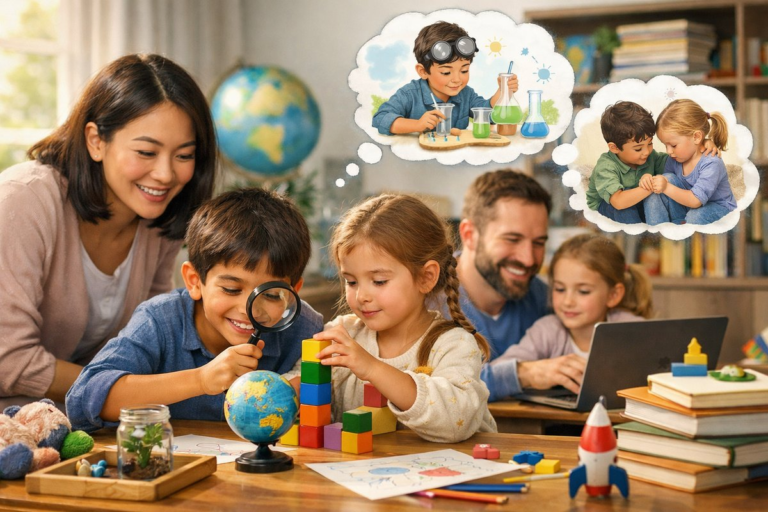
Digital tools can enhance exploration when used intentionally and in moderation. Curate a shortlist of high-quality educational apps that align with each child’s interests-visual programming platforms for budding coders, interactive storybooks for emerging readers or virtual museum tours for history enthusiasts. Establish screen-time windows rather than open-ended access, coupling digital sessions with offline reflection. For instance, after watching a science animation, prompt children to recreate an experiment in the backyard or sketch the life cycle of an insect. Monitor usage not as a punitive measure, but as an opportunity for shared dialogue about digital citizenship, online responsibility and the importance of balanced routines that include fresh air, physical activity and hands-on creativity.
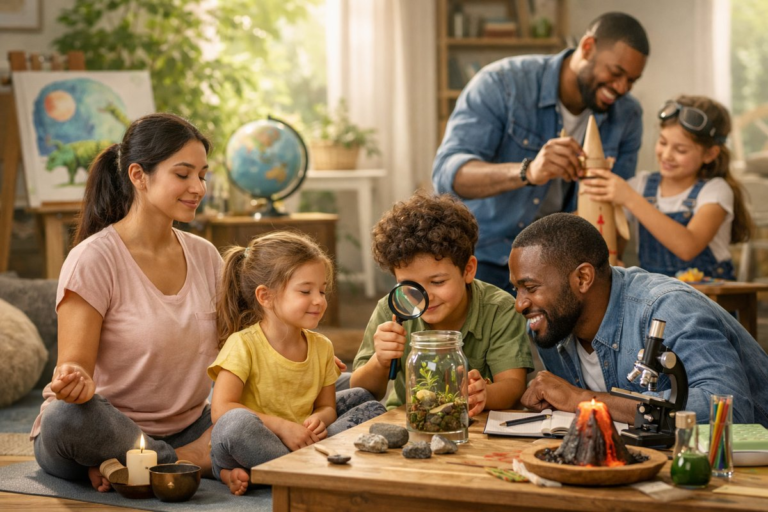
Learning flourishes when it involves connection and teamwork. Collaborative projects teach communication, negotiation and shared responsibility-skills that standardized tests rarely measure. Families might launch a small garden venture, divvying up tasks such as seed selection, soil preparation and watering schedules. Each member learns to plan, adapt and celebrate progress collectively. Alternatively, tackling a simple build-it-yourself challenge, like crafting a birdhouse from reclaimed wood, blends practical math with design thinking and environmental awareness. Regularly rotate roles-project leader, researcher, materials manager-so every child experiences different aspects of collaboration. The satisfaction of co-creating tangible results strengthens self-esteem and fosters a sense of belonging within the family unit.
Even the most well-intentioned strategies can encounter roadblocks. Sibling rivalry may erupt when one child perceives unfair attention, or a learner may balk at open-ended tasks that lack clear instructions. Address these moments with calm empathy. Acknowledge frustrations: “I see you’re upset that your brother got to pick the next activity.” Then involve children in crafting solutions-perhaps establishing a rotation schedule or co-designing project guidelines together. Consistency in expectations and routines builds trust: a weekly family meeting can set shared goals, surface concerns and celebrate achievements. When resistance surfaces, frame it as a chance for problem solving rather than a sign of failure. By modeling calm adaptability, parents teach children that setbacks are a normal part of the growth process.
Standardized assessments capture only a fraction of developmental milestones. Alternative approaches emphasize holistic growth-communication skills, creativity, critical thinking and emotional maturity. Maintain a portfolio of projects, photographs and written reflections that document each child’s evolving interests and abilities. Encourage self-assessment by asking questions like “What part of this project made you most proud?” or “What would you do differently next time?” Periodic family showcases can highlight these portfolios, allowing siblings and caregivers to offer constructive feedback. Celebrating effort and process rather than solely outcomes nurtures resilience and a growth mindset, equipping children to embrace challenges in school and beyond.
Parenting and education converge in a dynamic dance of guidance, play and reflection. There is no one-size-fits-all formula, but a commitment to empathy, curiosity and adaptability steers families toward richer, more meaningful experiences. Start small-introduce one new routine, rearrange a reading nook or schedule a weekly brainstorming session. Observe what resonates, iterate based on feedback and stay curious about emerging tools and ideas. By weaving emotional intelligence, collaborative inquiry and mindful technology into daily life, caregivers empower children to become confident, compassionate learners prepared to shape their own journeys and the world around them.