Location
Mount Vernon, WA 98274

Location
Mount Vernon, WA 98274
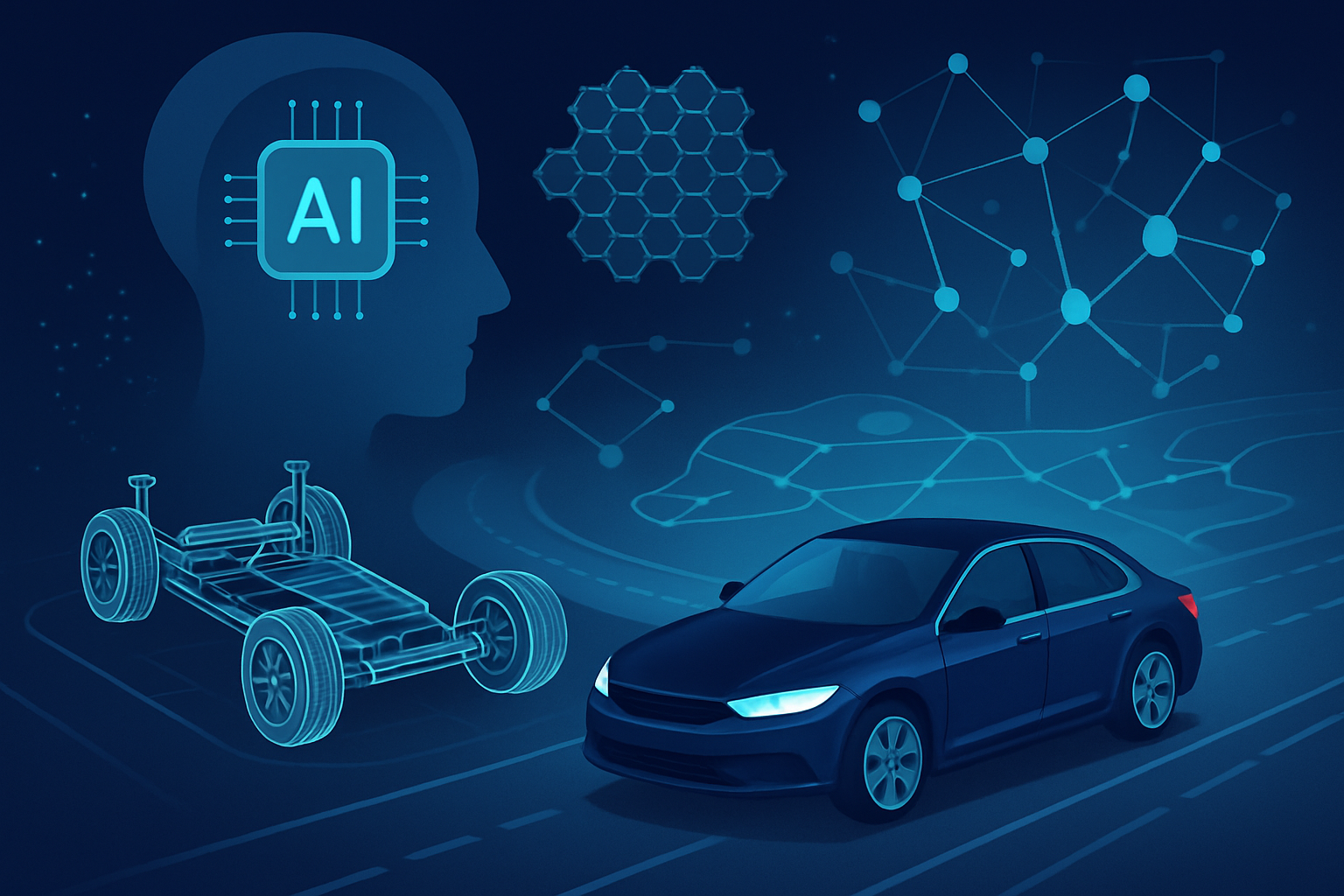
From artificial intelligence predicting vehicle health to novel materials reshaping chassis design, a new wave of technologies is redefining how we move. This article explores the fusion of data science, sustainable composites, and multi-modal networks that promise safer, cleaner, and more personalized journeys.
The world of transportation is in the midst of a dramatic transformation. Long gone are the days when an engine and four wheels sufficed to capture the public’s imagination. Today, a confluence of advanced data analytics, cutting-edge materials, next-generation infrastructure and seamless digital platforms is reshaping mobility from the ground up. Whether navigating a daily commute or planning intercity courier routes, drivers, fleet operators and city planners are all tapping into tools that were pure science fiction just a decade ago.
At the heart of this revolution lies artificial intelligence for predictive maintenance. Rather than waiting for a check-engine light or scheduling service at fixed mileage intervals, vehicles outfitted with machine-learning algorithms continuously analyze driving patterns, engine metrics and environmental conditions. These systems can detect tiny anomalies in engine vibration, coolant temperature or turbocharger performance long before they become critical. The result is optimized maintenance schedules that minimize downtime, reduce repair costs and extend component lifespans-all without a human mechanic manually inspecting every part.
Central to predictive maintenance is the concept of a digital twin: a virtual replica of a vehicle or fleet that evolves in real time. By feeding telematics data from onboard sensors into cloud-hosted simulation models, engineers can stress-test different driving scenarios, predict part failures and plan service interventions more accurately. Fleet managers supervising thousands of delivery vans can identify at-risk vehicles hours before a breakdown, automatically routing replacements and scheduling repairs during off-peak hours to keep goods moving without interruption.
This data-driven approach depends on a sprawling web of Internet of Things sensors. Tire-mounted pressure monitors relay inflation data and tread wear, battery management modules share charge cycles and thermal trends, and brake-pad sensors report friction levels under various loads. All these data streams converge in a centralized dashboard, where AI algorithms rank the urgency of each maintenance task, assign work orders and even source replacement parts in real time from regional distributors.
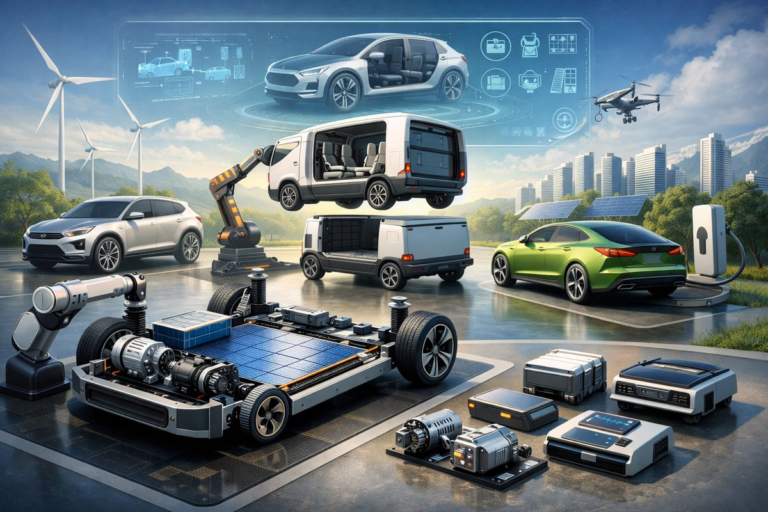
Meanwhile, breakthroughs in materials science are giving engineers the freedom to reimagine vehicle structure. Lightweight carbon-fiber composites and nano-enhanced polymers now rival steel in strength while shaving off significant weight. This reduction translates directly into improved energy efficiency-whether it’s an electric SUV cruising longer on a single charge or a heavy-duty truck cutting fuel consumption on cross-country hauls.
Additive manufacturing also plays a pivotal role. Spare parts that once languished in warehouses can be printed on demand at regional service centers, dramatically shrinking logistics costs and lead times. Repair shops can produce custom brackets or emergency fittings for rare models, ensuring that even legacy vehicles benefit from the latest material innovations without extensive supply-chain delays.
But the future of mobility extends beyond four wheels. Urban air mobility, powered by electric vertical takeoff and landing vehicles, is edging closer to reality. Small fleets of passenger-scale eVTOLs are being certified for low-altitude air corridors above major urban centers. These aircraft promise to bypass congested roads entirely, turning a one-hour drive into a ten-minute air hop. While widespread adoption is still years away, early deployments for emergency medical transport and premium commuter shuttles are already under evaluation.
Integration between air and ground networks is equally important. Logistics companies are testing hybrid delivery models where drones collect packages from neighborhood micro-hubs and hand them off to autonomous ground rovers for the last few blocks. This handoff reduces vehicle miles traveled, cuts emissions and accelerates delivery times-especially in high-density districts with narrow streets and heavy pedestrian traffic.
Closer to street level, micro-mobility is experiencing a renaissance. Foldable electric bicycles and scooters have matured into reliable, weather-proof machines with swappable batteries. Shared vault systems at transit stops allow riders to dock, charge and exchange power packs in seconds, extending the all-day range of each unit. These lightweight vehicles cater to the “last mile” challenge, seamlessly bridging the gap between public transit stations and final destinations.
Underpinning these modes is a new breed of mobility-as-a-service platforms. Proprietary smartphone apps now unify trip planning across e-bikes, ride-hailing shuttles, public transit and car-sharing fleets. Real-time traffic insights guide users to the fastest or most sustainable route, dynamically rebooking segments if disruptions occur. This frictionless experience not only saves time but also nudges travelers toward greener options by displaying cost, carbon impact and head-to-head arrival estimates.
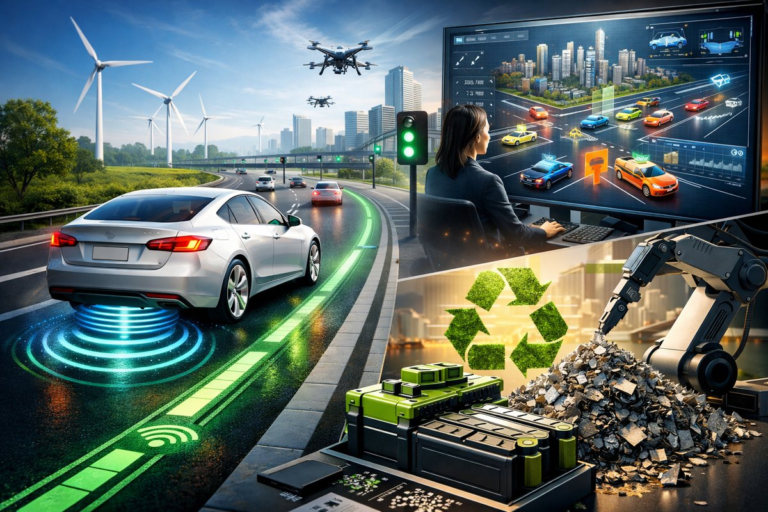
Infrastructure upgrades are matching these vehicle innovations. Smart roads embedded with wireless charging coils can top up electric buses as they cruise through designated lanes. Solar-paved emergency shoulders power street lighting and roadside sensors. Self-healing asphalt formulations use embedded microcapsules to seal cracks automatically, extending pavement life and reducing maintenance closures.
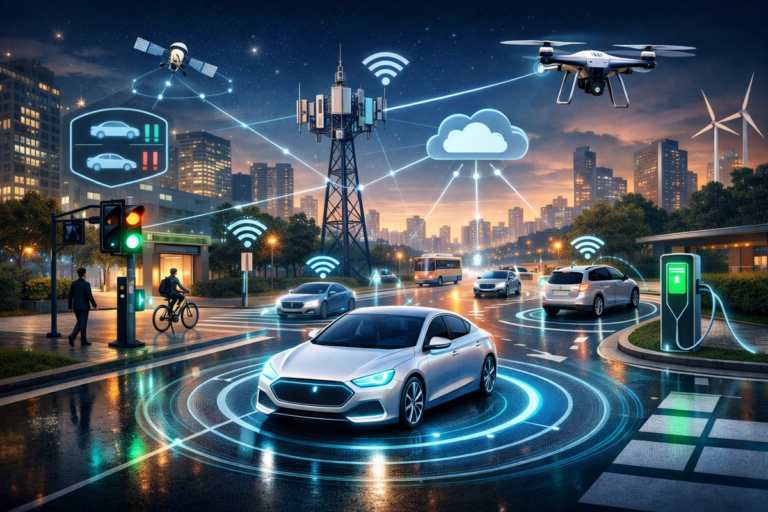
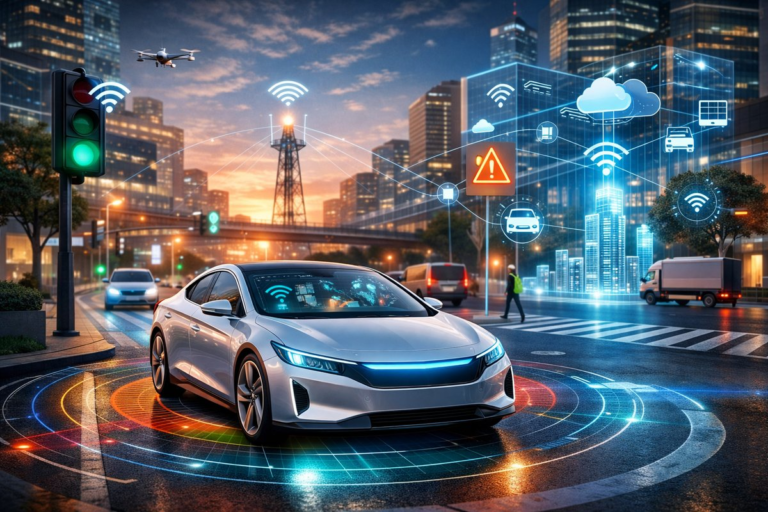
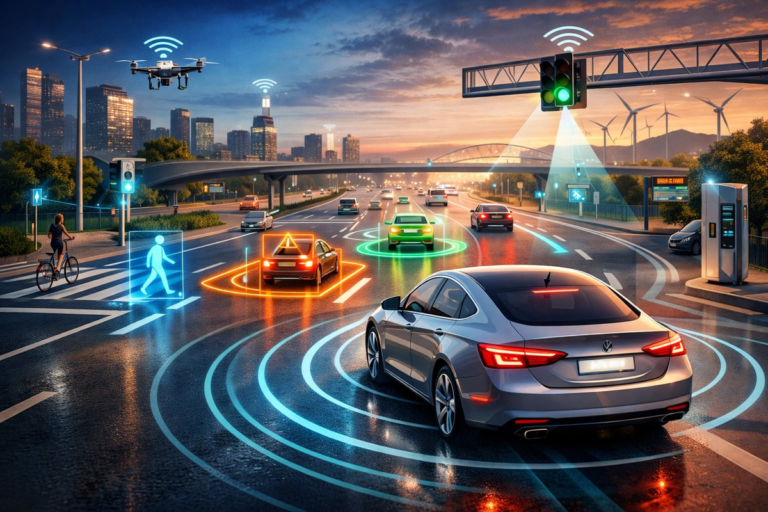
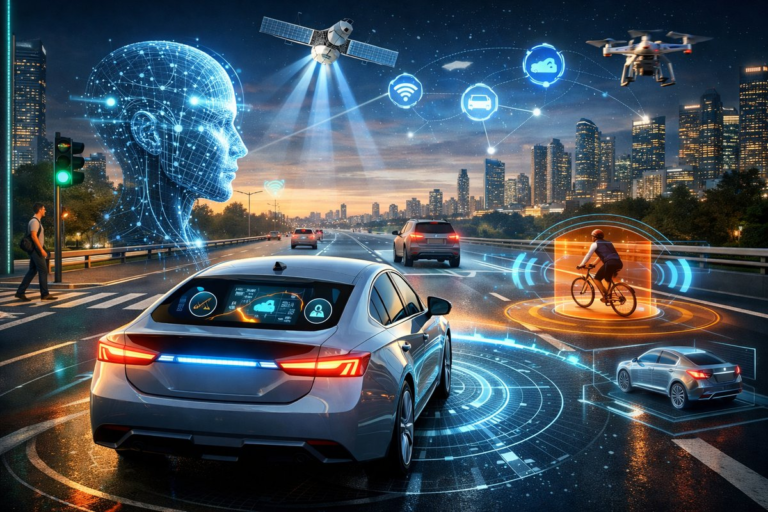
Vehicle-to-everything communication networks are also proliferating. Traffic lights, road signs and weather stations broadcast status updates that onboard systems ingest to optimize speed, predict green-wave timing and warn drivers of hazards ahead. In cooperative adaptive cruise control scenarios, cars platoon at close distances on highways, reducing aerodynamic drag and improving flow stability. These connected ecosystems not only cut commute times but also enhance safety by anticipating potential collisions before drivers even see an obstacle.
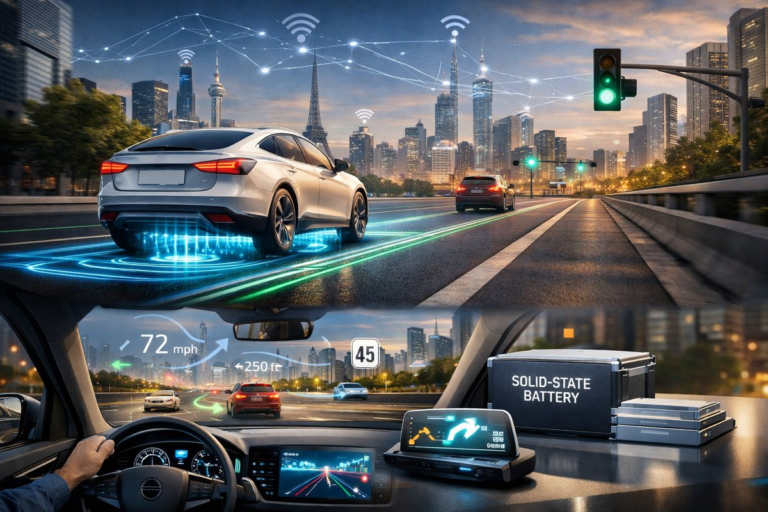
Inside the cabin, personalization is reaching new heights. Heads-up displays project turn-by-turn directions and contextual alerts directly onto the windshield, while augmented reality overlays identify nearby charging stations or point out available parking spots. Biometric sensors in the steering wheel or seat belt harness adjust seat position, cabin temperature and audio preferences to the driver’s unique profile. Beyond comfort, these systems can detect signs of drowsiness or distraction and issue gentle prompts or even engage autonomous backup systems.
Even interiors are evolving toward modular, adaptive layouts. Seats that slide and swivel on automated tracks transform a commute into a rolling office or lounge. Adjustable ambient lighting and sound zones create personalized cocoon spaces for every passenger, all orchestrated by an in-vehicle AI assistant listening for voice commands or tapping into calendar reminders.
None of this progress comes without challenges. Sustainability remains a linchpin concern as battery production and material sourcing have their own environmental footprints. Automakers and regulators are scrambling to adopt circular-economy principles: reclaiming rare earth elements from old batteries, using bio-resins in composites and standardizing recyclable components across models.
Cybersecurity and data privacy also demand rigorous attention. The same interconnected systems that enable seamless traffic management and predictive upkeep can become vectors for malicious attacks if left unprotected. Architects of these networks are embedding encryption, secure boot protocols and over-the-air update channels to patch vulnerabilities before they can be exploited.
Societal equity is another imperative. As premium eVTOL services and shared-fleet subscriptions roll out, policymakers must ensure that underserved communities aren’t left behind. Incentive programs for low-income households to access shared micro-mobility and robust public-transit options remain essential to preventing a mobility divide.
Looking ahead, the horizon brims with possibilities. Quantum sensors under development promise sensitivity to minute gravitational or magnetic shifts, enabling pothole detection and high-precision navigation without GPS. Solid-state batteries are on the cusp of commercialization, offering faster charging, greater energy density and improved safety over current lithium-ion cells. Hydrogen fuel cell developments continue alongside battery progress, particularly for heavy-duty trucks and long-range applications where swift refueling is crucial.
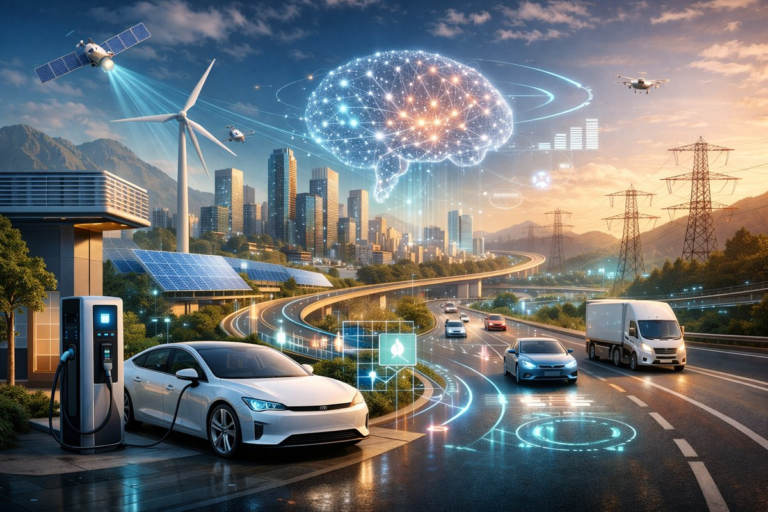
In sum, the automotive and transportation landscape is entering an era of unprecedented convergence. Artificial intelligence meets sustainable materials, aerial corridors intertwine with street-level networks, and digital platforms unify every leg of the journey. By weaving together these threads, engineers, entrepreneurs and urban planners are charting a path toward mobility that is more efficient, equitable and engaging than ever before. As these innovations mature in the coming years, they will redefine not only how we move, but also how we experience the act of travel itself.