Location
Mount Vernon, WA 98274

Location
Mount Vernon, WA 98274
As consumers seek science-backed solutions at home, a wave of high-tech devices and eco-conscious formulations is transforming daily routines. Experts weigh in on market growth, data privacy, and holistic wellness integration.
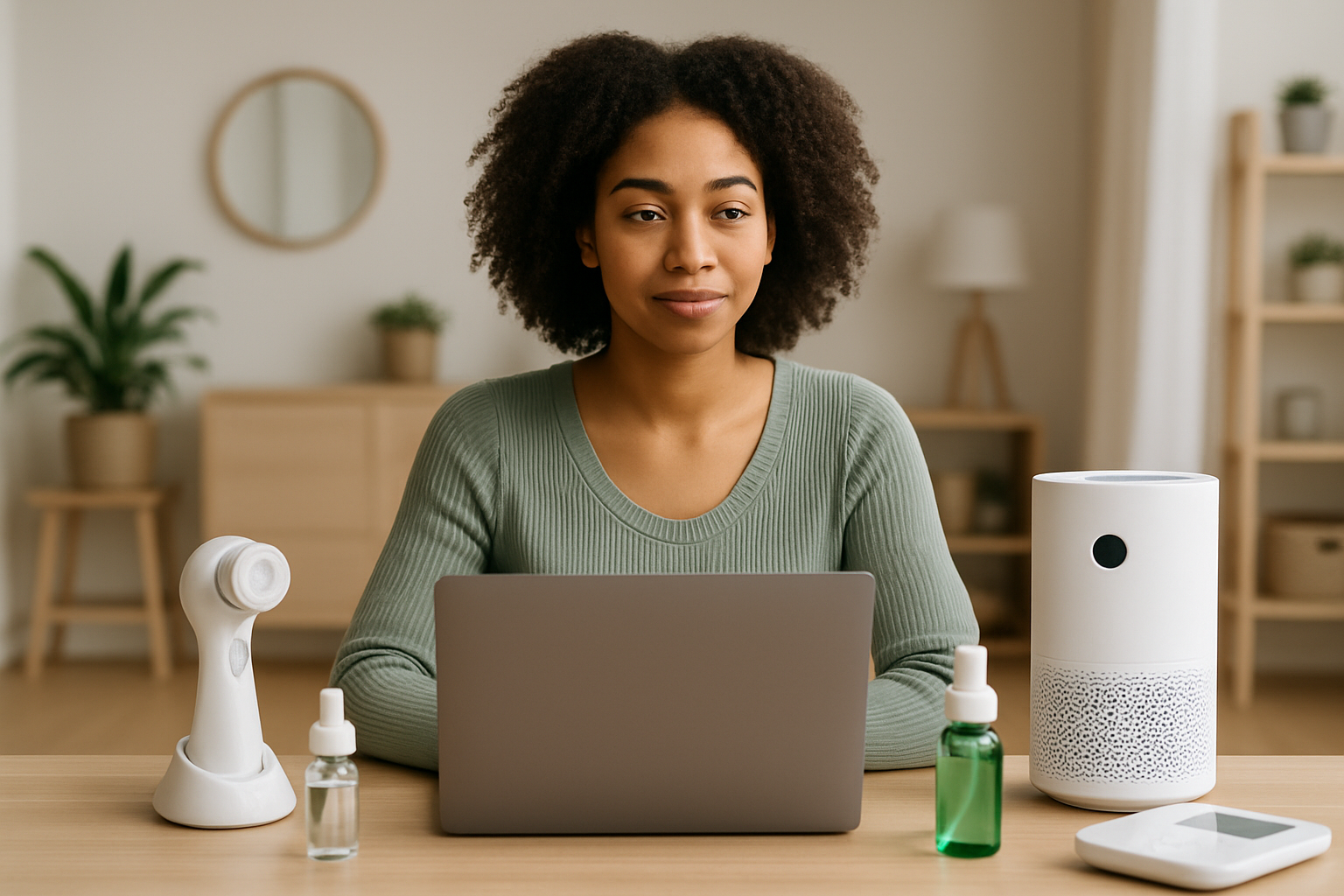
The beauty landscape has entered a new phase where high-tech meets everyday routine. Once the domain of clinical spas and specialist offices, advanced diagnostics and light-therapy tools now sit neatly on bathroom shelves alongside serums and droplets. Consumers eager for tangible, data-driven improvements have propelled a surge of at-home devices offering insights into hydration levels, melanin distribution, and skin barrier integrity. The convergence of sensor technology, smartphone connectivity, and user-friendly apps promises to reshape how people understand and manage their skin health. Experts emphasize that while devices provide numbers, informed interpretation and holistic care remain essential.
Market analysts report significant growth in the personalized skincare segment. According to Grand View Research, the global skincare market reached USD 155.8 billion in 2020 and is projected to grow at a compound annual growth rate of 4.4% through 2025. Increasing interest in self-monitoring technologies and a desire for tailored solutions has driven a 25% rise in sales of at-home diagnostic tools over the past year. Meanwhile, sustainable packaging and clean formulations have become equally important for eco-conscious consumers. Beauty brands are balancing cutting-edge gadgetry with refillable designs and biotech-derived ingredients to address both performance and planet-friendly priorities.
Among the standout launches is a portable spectrophotometer device that analyzes skin tone and hydration in seconds, transmitting results to a smartphone app for personalized regimen recommendations. Backed by algorithms trained on millions of skin profiles, it highlights areas of concern-dry patches, hyperpigmentation zones, and barrier weak points-and suggests active ingredients proven to target each issue. While some dermatologists caution that algorithmic suggestions cannot fully replace professional assessment, many users report feeling empowered by visualizing changes over time and adjusting routines based on objective data rather than trial and error.
At the annual BeautyTech Summit held last month in London, several startups unveiled analogous gadgets, including handheld ultrasound probes that map collagen density beneath the surface. ‘We’re moving beyond surface-level observation to actually see how the dermal layers respond to treatments,’ explained one presenter, emphasizing the potential for early detection of photoaging damage. Clinical trials conducted by a leading dermatology institute showed a statistically significant correlation between ultrasound readings and biopsy results, underscoring the device’s accuracy in a controlled setting. Wider consumer adoption, however, depends on cost accessibility and user education.
On the formulation side, ingredient innovation continues to accelerate. Peptide complexes designed to support the skin’s epigenetic resilience are gaining traction, along with plant-derived retinol alternatives like bakuchiol that appeal to sensitive skin types. Fermentation-derived actives from upcycled algae and mushroom extracts offer antioxidant benefits with a smaller ecological footprint. Beauty brands are partnering with biotech labs to produce these compounds via precision fermentation, reducing the need for intensive agriculture or wild harvesting. The result is a new wave of serums and oils that blend lab-grade potency with traceable, sustainable sourcing.
Sustainability efforts extend to packaging, as refillable glass and aluminum containers replace single-use plastics. Some brands have introduced subscription models that deliver measured concentrates in compostable pods, ready to be combined with base formulas at home. This DIY mixing approach minimizes shipping weight and ensures freshness, while customizable dosages cater to evolving skin needs. Early adopters praise the experience for its mindfulness aspect: physically engaging with each step fosters a deeper connection to one’s routine and reduces product waste by allowing users to refill only what they actually need.
Digital skin coaching also plays a growing role. AI-driven chatbots integrated into brand apps analyze user feedback, lifestyle inputs, and device data to offer adaptive advice. If a user logs increased stress levels or poor sleep quality, the algorithm might recommend a calming lavender-infused mist or a nightly barrier-boosting moisturizer. Live consultations via video call with skincare experts remain available for complex cases, blending automated convenience with human empathy. According to survey data from a leading consumer insights firm, 68% of respondents believe a hybrid model of AI guidance and professional support offers the best of both worlds.
Meanwhile, interactive smart mirrors are shifting from vanity items into practical tools. Using multispectral cameras and AI, they display real-time analysis of fine lines, pore size, and redness patterns, layering treatment suggestions directly onto the reflection. Users can tap on an area to view ingredient explanations or see simulated outcomes after six weeks of consistent care. Some mirrors sync to lighting profiles to help shoppers evaluate product performance under various conditions-daylight, office fluorescents, or evening ambience-helping minimize purchase regret and ensuring foundations and color cosmetics will suit everyday environments.
Despite the excitement around data-driven beauty, privacy advocates warn about the sensitive nature of biometric skin information. Skin texture, pore size, and even melanin levels can reveal health indicators or serve as unique identifiers. Brands collecting such data must prioritize end-to-end encryption and transparent policies to maintain consumer trust. A recent white paper by a digital rights organization recommends strict anonymization protocols and opt-in consent features, cautioning that poorly secured databases could become targets for unauthorized profiling or identity inference. Some early movers in the space have begun publishing security audits to demonstrate their commitment to user privacy.
Increasingly, beauty tech is intersecting with overall wellness. Wearable patches that measure cortisol in sweat are under development, aiming to detect stress spikes directly on the skin. Paired with topical adaptogens and calming peptides, these systems could deliver targeted relief when stress biomarkers rise. Researchers at a major university recently published promising pilot results showing reduced reported irritability when subjects applied a peptide-infused serum in response to elevated cortisol readings. Though still experimental, such integrations signal a future where skincare routines respond dynamically to both internal physiology and external environmental factors.
From a consumer perspective, the shift to personalized, tech-enhanced skincare represents both empowerment and complexity. ‘Tracking my progress with objective measurements has changed the way I think about skin health,’ says a routine enthusiast who tested multiple at-home tools. ‘At the same time, I’ve learned to take the numbers with a grain of salt and focus on consistent healthy habits-hydration, sleep, and sun protection.’ Beauty editors caution that no gadget can replace the fundamentals of skin stewardship, but when used judiciously, these innovations can supplement traditional guidance and foster more sustainable, pleasure-driven self-care practices.
Industry alliances are also forming to set standards for device accuracy and ingredient sourcing. A consortium comprising major beauty houses, tech firms, and non-profits recently announced the Beauty Data Alliance, an initiative to develop open-source benchmarks for at-home diagnostic tools. By sharing anonymized performance metrics and best practices, the group aims to reduce market confusion and foster greater interoperability among apps, devices, and product lines. Consumers could soon compare devices on a unified scorecard, demystifying specifications and helping shoppers make informed decisions based on validated criteria rather than marketing claims alone.
Ultimately, the next chapter in skincare will likely be written at the intersection of science, sustainability, and seamless user experience. As novel diagnostics bring clarity to skin needs and biotech-driven ingredients shrink the ecological footprint, daily routines are poised to become more engaging and effective. Yet the human element-listening to one’s body, honoring rest cycles, and safeguarding sun protection-remains the anchor ensuring that technology enhances rather than replaces mindful self-care. For beauty and skincare news, this era represents a vibrant mosaic of old-world wisdom and cutting-edge innovation, celebrating diversity, personalization, and responsibility in every drop.