Location
Mount Vernon, WA 98274

Location
Mount Vernon, WA 98274
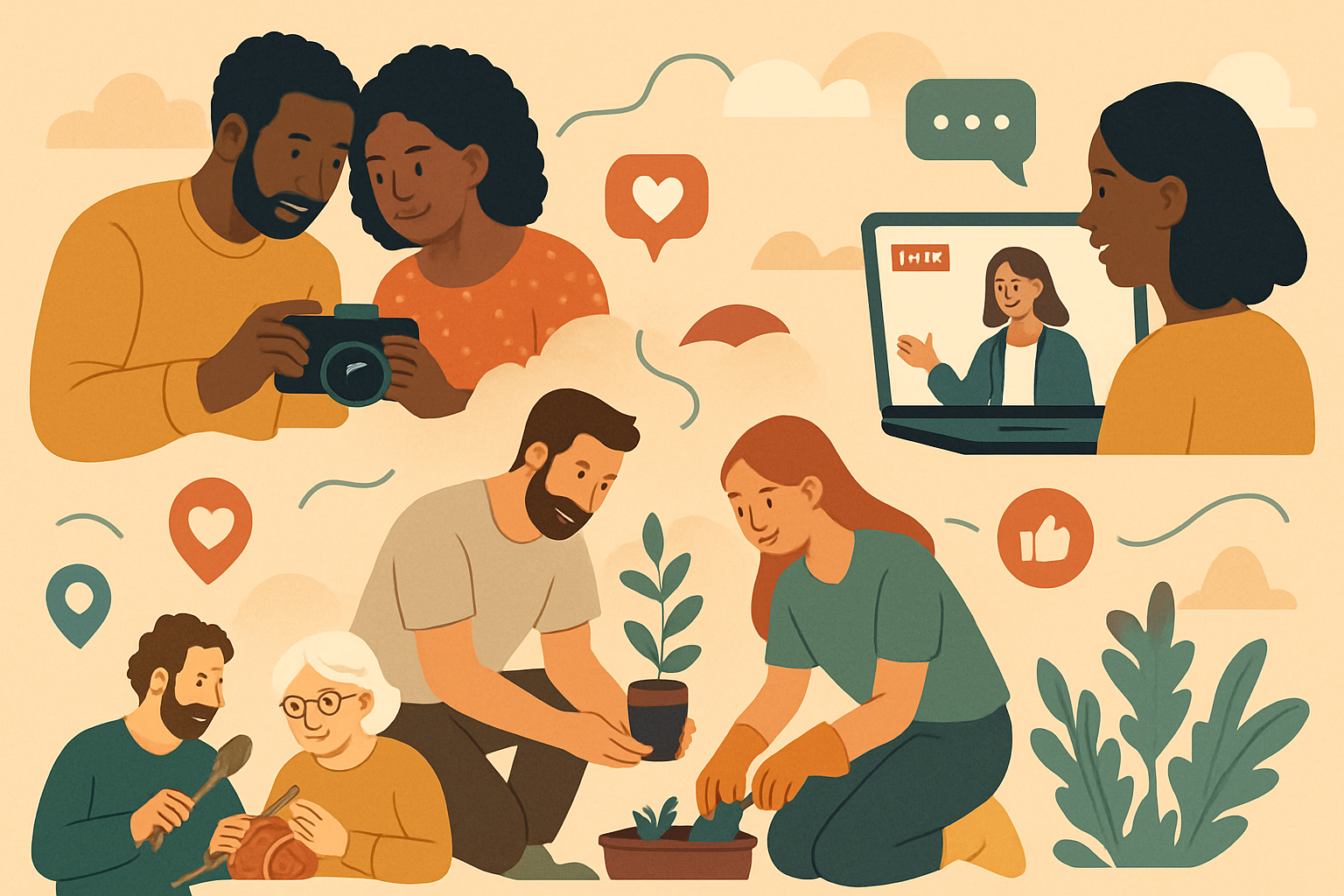
In a world obsessed with viral moments and mass followings, subtle social currents are forming beneath the surface. Communities are coalescing around fleeting digital gatherings, neighborhood skill swaps, and micro-volunteering initiatives that thrive on affective bonds rather than algorithmic reach.
Last spring, a tiny bulletin board appeared overnight in an urban courtyard. Pinned to it were scraps of paper offering free guitar lessons, seed exchanges and invitations to join a weekend sidewalk cleanup. No one knew who put it up or where the paper scraps came from, yet within days the board hummed with activity. Neighbors swapped potted succulents, evening classes spilled onto stoops, and a sense of belonging rippled outward. This unassuming cork panel was a microcosm of a broader shift: social connection is moving away from mass broadcasts and toward the intimacy of small-scale, localized exchanges.
Over the past year, researchers at a leading social dynamics lab tracked thousands of such micro-initiatives-from backyard pop-up cinemas to sidewalk poetry walls. What they found surprised them. Despite the convenience of global platforms and endless digital reach, people craved moments that felt personal, limited in scope and free from the pressure of public performance. Rather than chasing likes or followers, these emerging networks flourish when participation is light, guilt-free and tied to an immediate shared interest.
Consider micro-volunteering apps that parcel out five-minute tasks-tagging images for accessibility tools, transcribing archived letters or designing a single infographic for a local cause. Traditional volunteer recruitment struggles to sustain long-term engagement, but when tasks are tiny and impact is clear, people show up. A retiree might transcribe a page of historical records while waiting for tea to steep. A college student might write a micro-memo on housing rights between lectures. The barrier to entry is so low-and the reward so discreetly cathartic-that these bits of civic labor spread by word of mouth rather than ad buys.
Meanwhile, digital communities built around flash meetups are proliferating. Platforms once devoted to sprawling global discussion boards are spawning ephemeral, location-based clusters that exist for a weekend or a single evening. Within these micro-realms, moderators intentionally cap membership at just a few dozen. Everyone is encouraged to introduce themselves personally, share a quirky skill or bring a snack. Conversations that might have taken hours to ignite on a giant forum come alive instantly in these curated, miniature spaces.
Infrared sensors hidden in neighborhood lampposts now measure foot traffic to identify streets as “community corridors,” guiding local groups to host spontaneous art installations and block-party style gatherings. These micro-events dodge zoning regulations and large-scale permits by operating on a shoestring, leveraging social media only to coordinate a handful of attendees. The result is a thriving street art of human interaction-passersby linger to chat with a neighbor, sample a free pastry or listen to a violinist under a lamppost. Human connection blooms in the narrow margins where big institutions can’t easily follow.
One surprising offshoot: micro-philanthropy circles. Neighbors pool small amounts-five to ten dollars each-into a communal fund allocated every month via a secret ballot. Recipients range from an elderly woman needing help repainting her fence to a teen teaching coding workshops. No large charity bureaucracy sifts through applications; instead, accountability emerges organically through conversations at the corner café and mid-week WhatsApp chats. Transparency comes from trust, not from glossy annual reports.
These phenomena gain traction precisely because they address modern anxieties: digital fatigue, pervasive surveillance, and the superficiality of metric-driven interaction. When million-member groups and algorithmic feeds dictate what we see, we lose agency. We crave control over the scale of our commitments, the intimacy of our conversations and the authenticity of our encounters. Micro-social structures deliver all three.
Corporate brands are taking note. Boutique coffee roasters send interns to sponsor tiny reading circles in remote towns rather than plaster bus shelters downtown. Tech startups are testing peer-driven support networks with membership limits in the dozens, offering a counterpoint to sprawling customer forums. Public libraries are converting parking stalls into outdoor library pop-ups that operate for a week at a time, inviting patrons to leave Post-it notes on favorite titles. It’s proof that focusing on small clusters can generate a buzz far more vibrant than chasing mass audiences.
Critics warn of fragmentation: if everyone gravitates toward personalized micro-cultures, how do we maintain social cohesion on larger issues? Experts counter that these micro-incubators often serve as pilot projects for broader movements. A street poetry wall might eventually inspire a citywide art festival. A micro-funding circle could become the seed for a neighborhood non-profit. By keeping scale low at first, communities test ideas in a nimble, low-risk environment before scaling up.
Privacy advocates applaud the shift. Data-hungry platforms falter when groups refuse to share personal profiles and instead rely on ephemeral handles or face-to-face verification. Some micro-networks deploy privacy-first chat apps that automatically delete metadata and scrap inaccessible tracking. Participants report feeling liberated from the panopticon glare of social media analytics, discovering conversations can flourish without being monetized.
The sustainability angle emerges both literally and metaphorically. In one seaside town, neighbors formed a “micro-repair café” where residents brought broken appliances and swapped repair tips over tea. No one tracked the total number of items fixed; the pride of collective problem-solving was the reward. Broken bonds-literal and figurative-were mended in small, neighborly gestures. Across rural counties, “pop-up green gyms” repurpose abandoned farm equipment for strength training and host eighteen-person classes. Instead of multimillion-dollar facilities, these grassroots fitness clubs spring up in barns and community centers, forging healthy habits and tight-knit support groups.
Underneath this tide of micro-connections lies a deeper emotional current: people are rediscovering the joy of proximity. In-person eye contact, the warmth of shared laughter, even the brief touch of a handshake-all these have become treasured micro-moments after years of digital isolation. As society recalibrates post-pandemic, these small interactions remind us that social resilience begins at the scale of twenty or fewer people.
Looking ahead, we can expect more hybrid experiments: AI-mediated micro-focus groups that adapt discussion prompts in real time, location-averse coworking pods for remote micro-teams, and blockchain-based micro-grants for hyperlocal initiatives. The seed pods of innovation will continue to shrink until every individual can test ideas with immediate peers before unleashing them on the wider world.
Ultimately, the resurgence of small-scale social life poses a question: can the sum of microscopic connections reweave the social fabric faster and more tenderly than broad-stroke paradigms ever could? Early signs point to yes. In kitchens, courtyards and converted shipping containers, humans are crafting new pathways for belonging-one tiny gesture at a time. It’s a whisper network that might just shout its message across the planet.