Location
Mount Vernon, WA 98274

Location
Mount Vernon, WA 98274
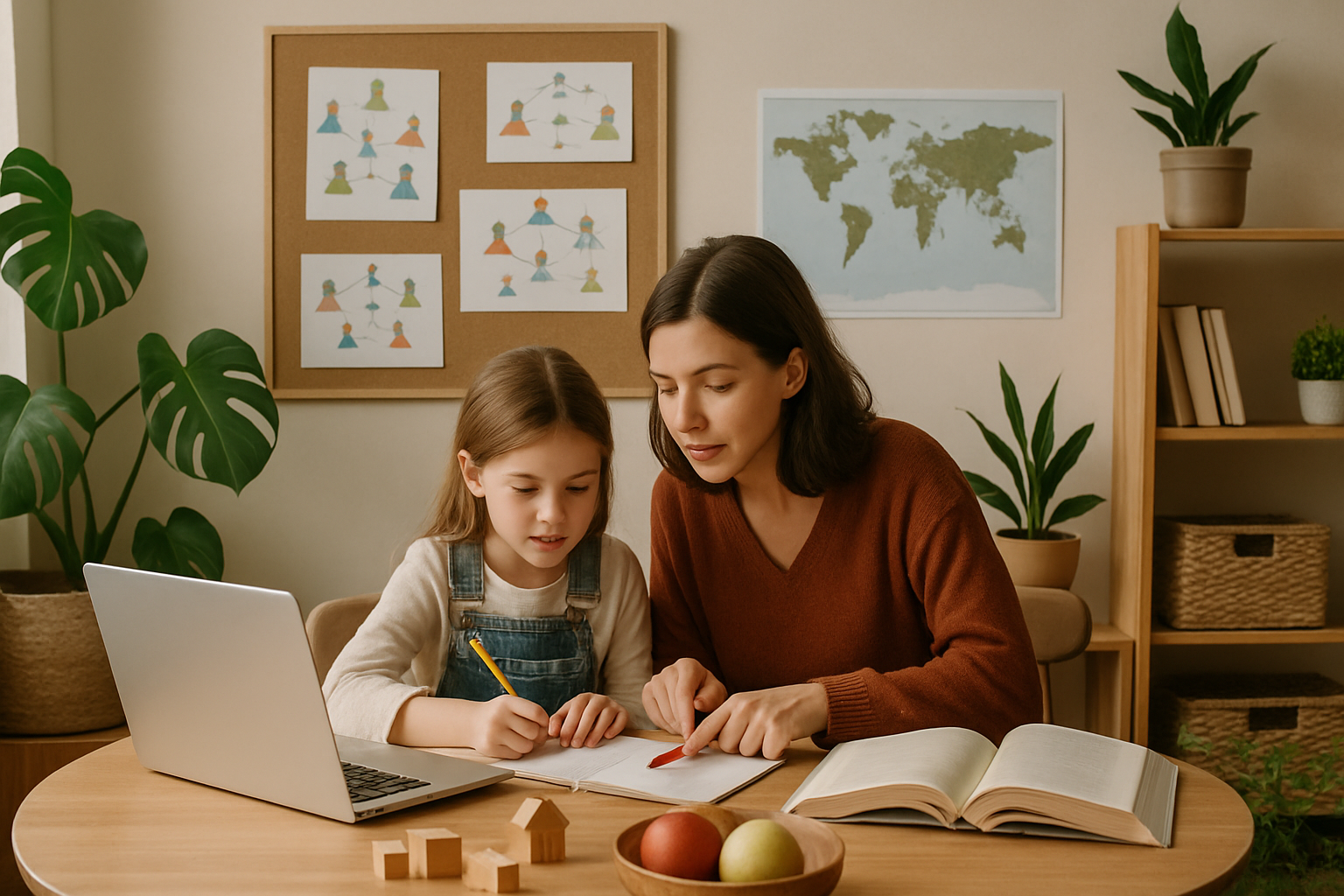
A new wave of parents is blending community networks, sustainable practices, and digital mindfulness to craft personalized educational journeys at home. Experts and families weigh in on hands-on strategies that foster curiosity, resilience, and emotional intelligence in young learners.
For many families, the old divide between home and school is dissolving into a more fluid learning ecosystem. Parents across neighborhoods have begun embracing co-learning collectives, neighborhood skill swaps, and sustainable projects that unite siblings, friends, and neighbors in shared educational adventures. This shift isn’t a rejection of traditional classrooms, but rather a recognition that learning happens wherever curiosity is welcomed, emotions are honored, and daily life becomes the curriculum.
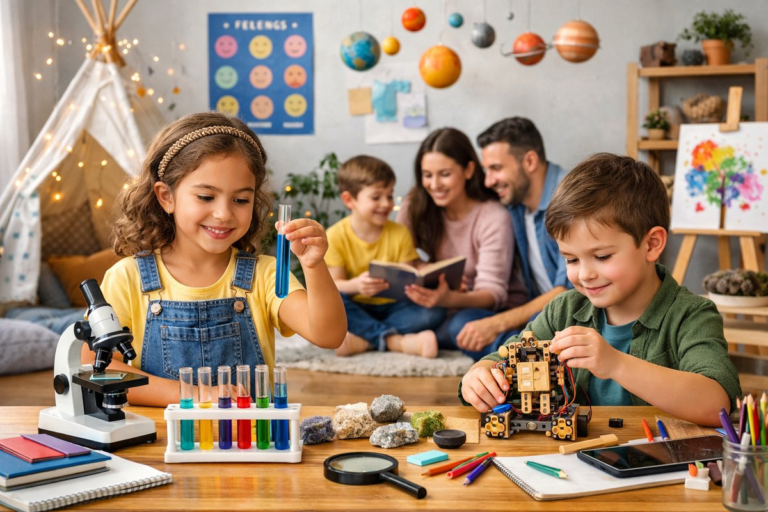
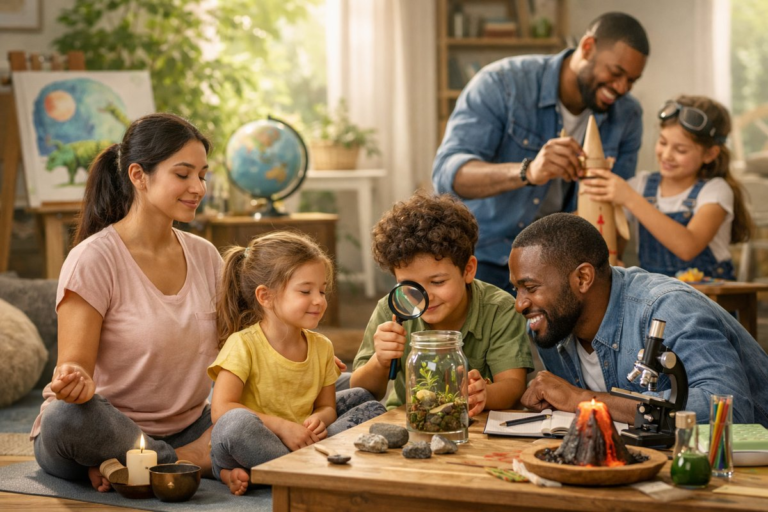
At the heart of this movement is a desire to balance screen time with hands-on exploration. While video calls connect kids to distant relatives and virtual field trips unlock the world’s museums, an increasing number of parents are setting aside dedicated unplugged hours. In living rooms and backyards, young learners and siblings huddle around planting beds, science experiments, or open-ended art supplies. These tangible moments reinforce the fact that true understanding often sprouts from messy, real-world engagement.
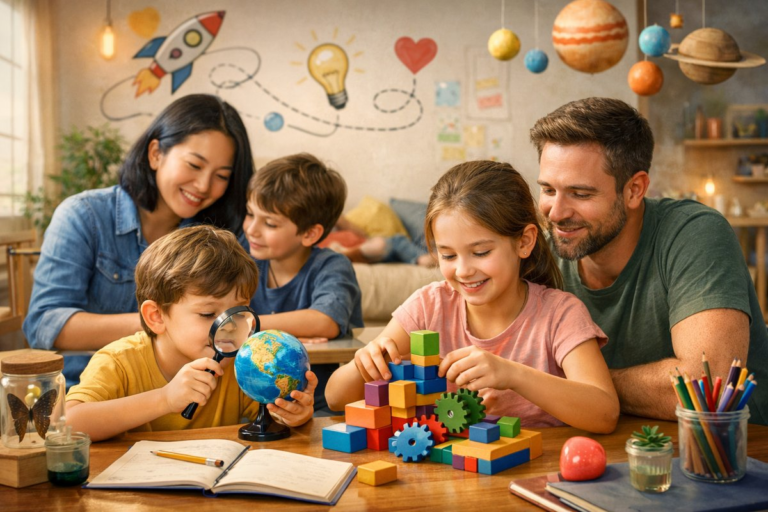
Community learning pods have emerged as one of the most powerful frameworks. Typically organized by small groups of families, these pods rotate hosting duties, bringing together children of different ages for combined lessons in nature awareness, personal finance, or social skills. Parents take turns leading sessions that align with their strengths-one might teach basic coding on a kitchen table, another might guide a bike repair workshop in the driveway. This cooperative model not only shares the teaching load but also diversifies the learning experience for every child.
In Oakwood, a suburb known for its tree-lined streets, a local collective called Bright Paths started with just five families and a dozen curious kids. Today, more than twenty households gather weekly in neighborhood parks or enclosed cul-de-sacs. Together they build solar-powered ovens from recycled materials, hold story circles where each child narrates their own short tale, and track citizen science projects like urban bird counts. Parents here report not only academic progress but stronger bonds among neighbors.
These initiatives hinge on one essential ingredient: trust. Parents learn to let go of the impulse to micromanage every lesson. Instead, they serve as facilitators, providing resources and encouragement while kids navigate concepts at their own pace. When a nine-year-old opts to design the day’s experiment rather than follow a preprinted worksheet, everyone in the pod gains fresh insight into self-directed learning. Over time, this autonomy nurtures resilience, teaching children to pivot when an experiment fails or to ask for feedback when they feel stuck.
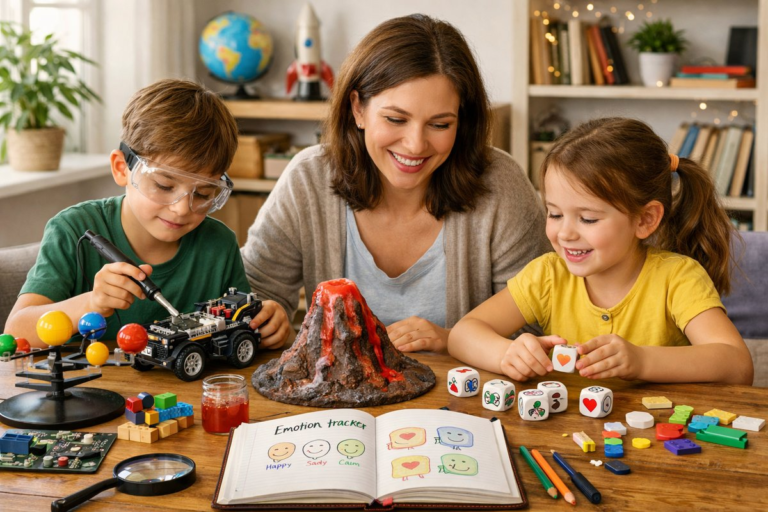
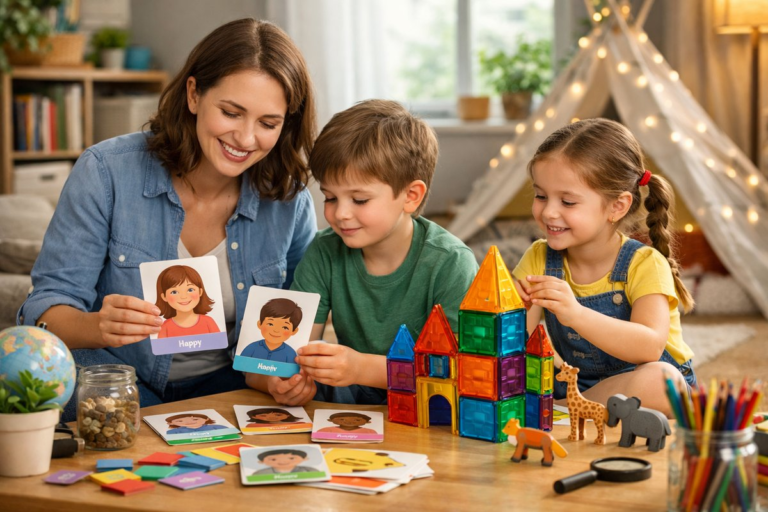
Child development experts point out that emotional intelligence is as critical as math or literacy. In these grassroots settings, emotional check-ins become routine. A simple “rose and thorn” exercise-where each child shares a highlight and a challenge-can open doors to empathy, active listening, and problem-solving. Parents report that offering space for feelings normalizes vulnerability and invites peer support. Kids learn that frustration is part of discovery, and celebrating small wins builds confidence for tackling tougher puzzles down the line.
Navigating the digital realm remains a core challenge. Even the most committed co-learning group often relies on tablets or laptops for research, art creation, and collaborative documents. But instead of defaulting to constant connectivity, many families have introduced device-free intervals. Some call them “sunset digital sabbaths,” dedicating an hour or two before bed to board games, journaling, or stargazing. Parents note that these pauses restore calm, improve sleep quality, and reinforce the idea that screens are tools-not the central focus-of intellectual growth.
A parent-led workshop in Cedar Hills taught families how to implement simple digital wellness rituals. One technique involves creating a shared playlist where every participant adds a favorite tune, then listening together in silence afterward to reflect on how music shapes mood. Another invites kids to design their own blue-light-reducing glasses using recycled cardboard and tinted plastic sheets. These playful activities reinforce healthy habits without turning screen time into a forbidden zone.
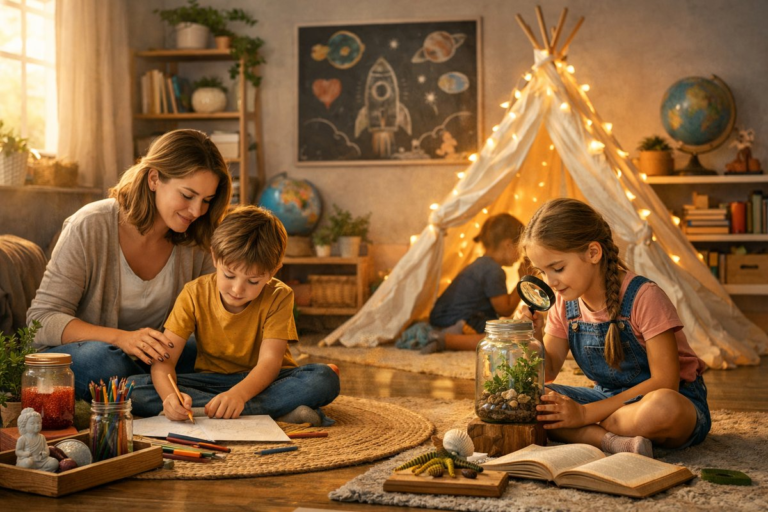
In addition to digital balance, sustainability often threads through home-based curricula. Garden plots planted in containers become living laboratories for understanding ecosystems, nutrition, and the water cycle. Children measure rainfall with homemade gauges, calculate area when laying out seed beds, and identify local pollinators on nature walks. This hands-on approach deepens environmental awareness and shows young learners that science is not confined to a textbook.
Cross-generational involvement adds texture to these programs. Grandparents who once taught woodworking in community centers have volunteered to lead basic carpentry sessions, guiding tiny hands through sanding dowels and hammering nails safely. Meanwhile, younger parents contribute tech know-how, running short modules on designing simple mobile games or animating digital sprites. This exchange of skills honors family legacies while equipping kids for tomorrow’s challenges.
Time management can feel like the biggest hurdle. With parents juggling remote jobs, errands, and household chores, carving out blocks for communal learning isn’t always easy. Many co-learning groups now experiment with micro-pod sessions-intensive two-hour meet-ups every few weeks-rather than weekly marathons. These compressed gatherings pack in collaborative projects, peer presentations, and snack breaks, and are easier to schedule around adult responsibilities.
Breaking lessons into micro-learning segments also helps maintain focus. Instead of a 45-minute science lecture, families might alternate between a 10-minute investigation, a 15-minute group discussion, and a 15-minute hands-on challenge. This rapid rotation keeps younger attention spans engaged, encourages frequent reflection, and builds momentum for deeper dives when interest peaks.
Cultivating emotional resilience often relies on a parent-as-coach mindset. Rather than stepping in to solve every problem, caregivers ask guiding questions: “What do you think might happen if we change the recipe?” or “How could you turn that mistake into a new experiment?” This Socratic style prompts critical thinking and reinforces that setbacks are integral to creative discovery.
Mindfulness practices have found a natural home in these home-based learning environments. Short grounding exercises at the start of each session-like breathing buddies, where a small plush toy rises and falls on a child’s belly as they inhale and exhale-help anchor young minds. By weaving mindfulness into daily routines, parents report fewer meltdowns during complex tasks and greater willingness from children to tackle uncertain challenges.
Parents also lean on digital coordination tools to manage schedules, share project ideas, and divide supply shopping. Messaging apps dedicated to each pod group help streamline communication without overwhelming personal chats. Shared spreadsheets map out upcoming themes-like “wind energy week” or “culinary chemistry”-so every family can prepare materials and suggest related activities. This level of organization keeps momentum high and reduces last-minute scrambling.
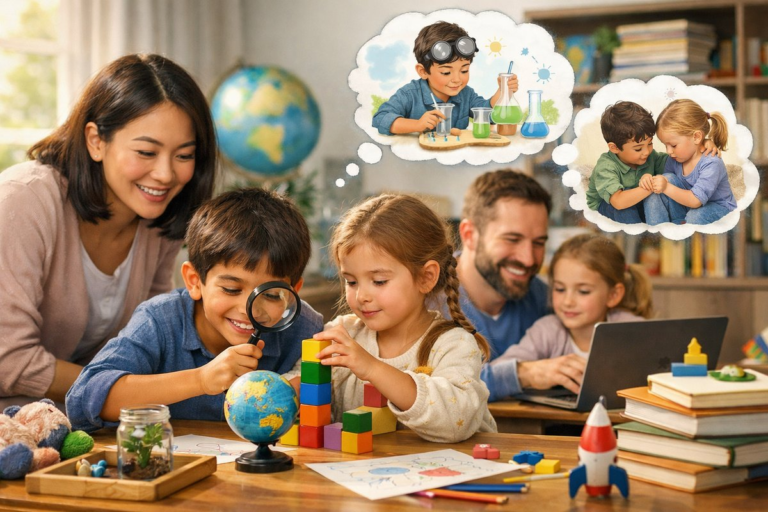
The rise of these grassroots learning collectives points to a broader trend: parents are reclaiming agency over their children’s education, reshaping it into a living, breathing ecosystem rather than a series of disconnected lessons. They’re blending expert insights-from child psychologists, sustainability educators, and digital wellness coaches-with real-life experimentation. The result is an education that’s simultaneously rigorous, playful, and profoundly human.
Looking ahead, the challenge will be scaling these innovations without diluting their spirit of intimacy and autonomy. Some communities are exploring hybrid models that partner with local libraries or recreation centers to offer space and resources, while still preserving parent-driven curricula. Others hope to establish micro-grants or tool libraries so that financial constraints don’t bar any household from participating in collective workshops.
What these experiments share is a conviction that learning flourishes when curiosity is welcomed, mistakes are honored, and connections-among people and ideas-are nurtured. In deserts, cities, and coastal towns alike, families are proving that education isn’t confined to blackboards and textbooks. It lives in garden beds, kitchen tables, neighborhood trails, and in the quiet moments when a child’s eyes light up with discovery. As more parents lean into community, sustainability, and emotional intelligence, the future of learning looks unmistakably collaborative and deeply compassionate.
For parents seeking to join or start a co-learning pod, the first step is conversation. Reach out to neighbors, gauge shared interests, and experiment with pilot meet-ups. Begin small-perhaps a single themed session on local wildlife or a collaborative cook-along exploring world cuisines. From there, build on successes, refine the rhythm, and invite more families to co-create this evolving educational tapestry. The classroom of tomorrow could very well be the neighborhood you pass on your evening walk.