Location
Mount Vernon, WA 98274

Location
Mount Vernon, WA 98274

From refillable concentrate pods to AI-powered skin analysis, a new wave of modular beauty systems is sweeping the industry. These low-waste solutions promise personalized performance, ingredient transparency, and a lighter environmental footprint for mindful consumers eager to blend tech innovation with eco-friendly rituals.
Plastic packaging waste in the beauty aisle has reached crisis proportions, with billions of single-use bottles discarded each year. In response, a growing number of brands and startups are pioneering modular skincare systems that center on refillable capsules and personalized formulations. By delivering active ingredients in zero-waste pods and pairing them with smart dispensers or apps, this approach aims to minimize environmental impact while maximizing customization. It’s a shift that blends convenience with mindfulness, satisfying savvy shoppers who want both efficacy and sustainability in their daily routines.
Packaging is no longer a background concern. According to a survey by the Sustainable Packaging Coalition, nearly 60 percent of consumers consider environmental impact when selecting skincare products. Euromonitor data indicates the refillable packaging segment is on track for a compound annual growth rate of over 20 percent through the mid-2020s. Those figures reflect rising eco-anxiety and a desire to break free from the old logic of “buy new, toss old.” Instead, refillable beauty systems position the skin ritual as an ongoing, evolving practice, where each concentrate pod can be swapped based on seasonal shifts, ingredient sensitivities, or new skin goals.
At the heart of this trend are compact, pre-measured capsules containing high-potency actives-vitamin C, hyaluronic acid, niacinamide and more-that users insert into a reusable bottle or jar. When mixed with a base serum or moisturizer, the pod dissolves within seconds, delivering a fresh, potent blend without preservatives or unnecessary fillers. Once empty, the capsule’s paper or compostable shell can be recycled or added to household compost. This modular format reduces plastic by up to 75 percent over the lifecycle of the product, according to independent lifecycle analysts, and sidesteps the stability concerns that plague larger, multi-ingredient formulations.
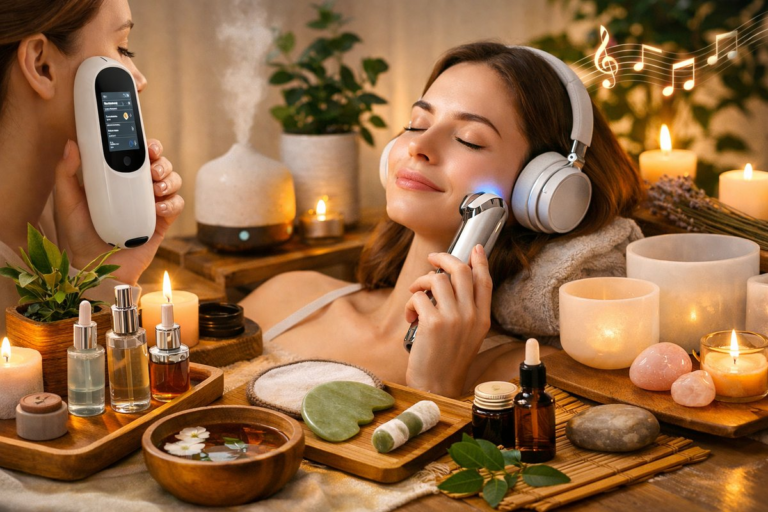
But modular beauty isn’t just about pods. It’s increasingly intertwined with digital customization: smartphone apps and mirror-mounted sensors now analyze hydration levels, oil production, and skin tone. Artificial-intelligence engines then recommend the exact concentrate mix and dispense it via a connected device. Early adopters report that the precision reduces irritation, as the AI algorithm can dial back exfoliating actives on sensitive days and boost antioxidants when environmental stressors spike. Around 45 percent of consumers say they trust digital skin analyzers more than generic marketing claims, according to a 2023 industry report, highlighting a newfound appetite for data-driven routines.
Ingredient transparency has also found a fresh pathway through QR-coded packaging. By scanning the code on each refill pod, users access full traceability info, from the field where botanicals were harvested to the carbon footprint of the supply chain. Some systems even leverage blockchain for tamper-proof verification of fair-trade sourcing. With the rising popularity of clean-label certifications, beauty enthusiasts are now armed to compare suppliers, demand regenerative agriculture practices, and reward companies that pay living wages throughout the value chain.
In online communities and niche forums, early adopters share ritual tips: “I swap in a microencapsulated probiotic concentrate on weekends, then switch back to the vitamin blend during the workweek,” writes one user. Crowdsourced flavor profiles, sensory rituals-like warming the pod between fingertips-and micro-ritual guides all lend emotional resonance to what might otherwise feel like a lab experiment. The result is a deeper sense of ownership over the skincare journey and a redefinition of beauty from static consumption to ongoing co-creation.
Major players have taken notice. Luxury counters are debuting in-store refill stations, letting customers bring back empty containers for sterilization and reuse. E-commerce retailers now offer subscription models, delivering new concentrate pods automatically when sensors detect low levels in the dispenser. Meanwhile, regulators in Europe and North America are drawing up stricter guidelines on microplastics and single-use packaging, further fueling demand for refillable formats.
Despite the hype, challenges remain. The cost of smart dispensers can be prohibitive, pushing price-conscious shoppers to stick with traditional jars. Supply-chain bottlenecks occasionally lead to delays in refill shipments, frustrating users accustomed to one-click deliveries. And greenwashing risks lurk-some labels claim “refillable” but rely on plastic pods that aren’t truly recyclable. Consumers must remain vigilant, seeking third-party eco-certifications and asking detailed questions about materials and end-of-life options.
For those eager to dip a toe into modular skincare without breaking the bank, start by evaluating your current regimen. Identify one item-like a daily serum-that could be replaced by a concentrate pod system. Look for offerings with independent efficacy data, recyclable or compostable packaging, and straightforward drop-in dispensers. Pair the capsules with a smart mirror app or at-home sensor kit to fine-tune your blend. Small tweaks can make a big impact: reducing your plastic footprint, dialing up ingredient potency, and transforming a mundane task into an intentional moment of self-care.
Ultimately, refillable, AI-augmented beauty systems signal a paradigm shift. They invite consumers to become active collaborators, blending their personal data with sustainable design. As these models mature-integrating more biotech-derived actives, expanding closed-loop recycling, and leveraging community-driven formulation ideas-the future of skincare may look less like a series of “drops” and more like an evolving ecosystem. For mindful beauty devotees, that’s a welcome evolution.
Readers can embrace this trend now by choosing products that emphasize true refillability, ingredient traceability, and digital customization. The result is not only smoother, healthier skin but also the satisfaction of knowing every capsule brings us one step closer to zero-waste beauty rituals.