Location
Mount Vernon, WA 98274

Location
Mount Vernon, WA 98274
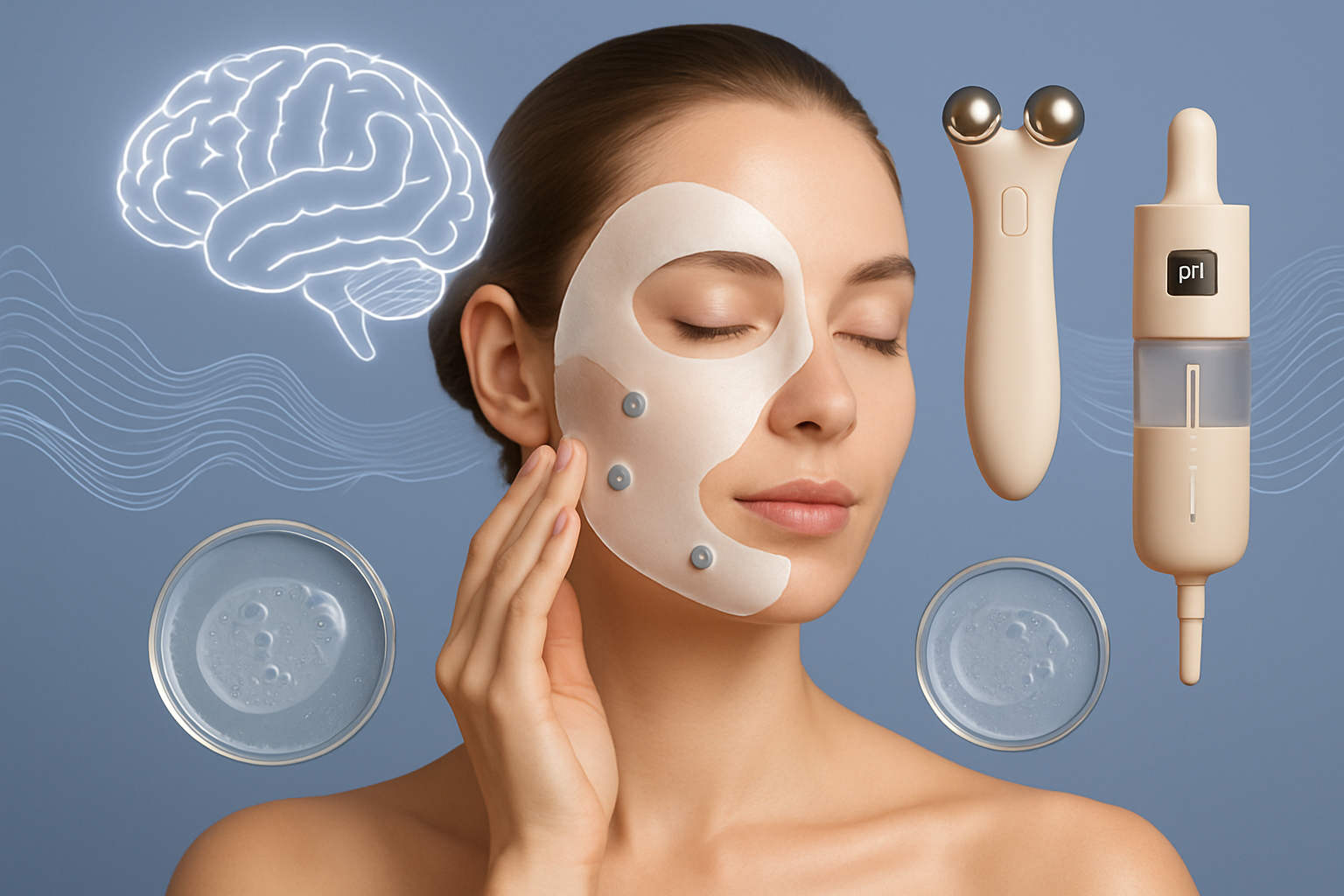
A new wave of beauty innovation is merging neuroscience and skincare, offering formulas and devices that adapt to stress levels, mood shifts, and real-time skin signals. From microcurrent masks that quell tension lines to pH sensors that adjust hydration routines, this emerging field promises an emotionally attuned ritual for the modern consumer.
Beauty routines have long promised to transform your complexion. Now, they’re promising to transform with you. Neuro-responsive skincare marks a radical shift in how we care for our skin, drawing on biometric data, neuroscience insights, and adaptive formulations to deliver products that sense-and respond to-your emotional state as well as your skin condition.
Traditionally, skincare has followed a static model: cleanse, treat, moisturize. Each step treats visible concerns-dryness, redness, fine lines-without regard for the invisible signals your skin sends when you’re stressed, fatigued, or anxious. Neuro-responsive skincare leverages microsensors, biomimetic peptides, and AI-driven algorithms to detect subtle changes in pH, temperature, humidity, and even galvanic currents on the skin’s surface. By translating these signals into actionable adjustments, formulas can shift texture, active concentration, or delivery mechanisms in real time.
One of the core technologies fueling this movement is the micro-sensor patch. Lightweight and flexible, these patches adhere to the cheek or forehead and continuously monitor skin conductivity-an indirect measure of stress. When conductivity spikes, indicating elevated cortisol or tension, a companion device sends an alert to your smartphone. You can then trigger an on-demand microcurrent mask or serum delivery that targets expression lines and promotes immediate relaxation through gentle electrical stimulation.
Beyond microcurrents, we’re seeing adaptive emulsions that change consistency based on skin temperature. A cooler patch triggers a soothing gel that calms irritation, while a warmer climate activates a richer cream loaded with antioxidants and emollients. In humid conditions, lightweight droplets of hyaluronic acid are dispensed to maintain hydration without feeling heavy. The result is a personalized texture experience that responds to both your environment and your mental state.
At the heart of this innovation are neuroscience-inspired peptides. These short chains of amino acids are engineered to interact with neuroreceptors in the skin, mimicking neurotransmitters like endorphins and GABA. When applied, they can help weary skin recover from stress-induced damage while offering a subtle sense of calm. Early clinical trials have shown improvements in barrier function and a visible reduction in stress lines within two weeks of nightly use.
AI plays a crucial role in interpreting data from sensors and consumer feedback. Machine learning models analyze patterns across thousands of data points-sleep quality, daily stresses, even emotional journal entries-to refine product recommendations. A user who reports tension headaches might receive a serum enriched with a peptide known to relax facial muscles. Someone who logs frequent travel stress could be steered toward formulations with adaptogenic botanical extracts that bolster resilience against environmental shifts.
Privacy and data security are paramount in this ecosystem. With biometric data flowing between skin patches, mobile apps, and cloud servers, brands are investing heavily in encryption and anonymization protocols. Consumers retain full control over what data is shared, and many platforms now include a ‘privacy dashboard’ where users can delete historical logs or opt out of AI learning phases without losing access to core product functionality.
Sustainability also factors into neuro-responsive beauty. Refillable pods for serums reduce single-use plastic, while bioengineered peptides derived from upcycled microbial fermentation cut down on synthetic chemical waste. Packaging is designed for easy disassembly and recycling, and several pioneering labels are piloting return programs for used sensors to ensure electronic components are responsibly reclaimed.
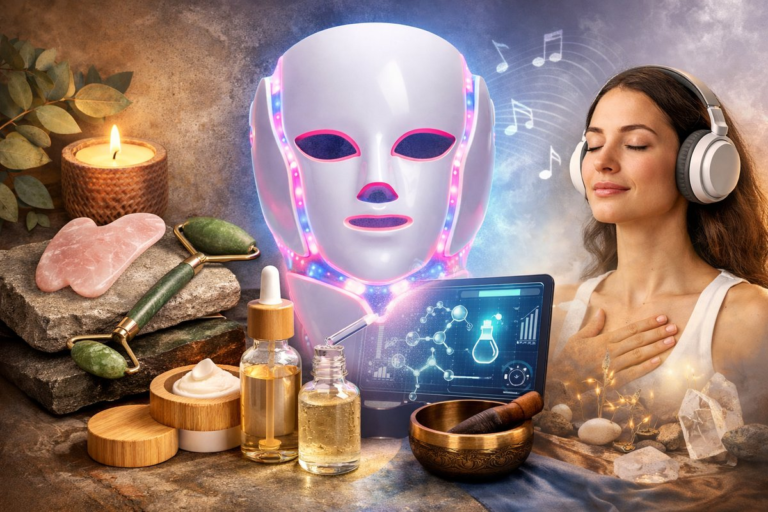
A striking example of this paradigm is a dual-chamber face mask that houses a cooling ionic gel and a warming peptide infusion. Linked to a companion app, the mask adjusts chamber temperature based on measured skin tension. When heated, the warming side promotes circulation and activates collagen support; when cooled, the gel side calms redness. Users report an almost ritual-like satisfaction in watching the mask’s colors shift in response to tightness or soreness detected in facial muscles.
Clinics and spas are beginning to integrate neuro-responsive treatments into their offerings. In a recent pilot at a downtown wellness studio, clients experienced a multi-sensory facial combining sound therapy, adaptive light panels, and AI-curated serums. Real-time galvanic readings guided each stage: low conductivity prompted the use of LED red light to stimulate healing, while high tension levels triggered a guided breathwork sequence projected onto the ceiling. Participants described the session as part lab experiment, part meditation retreat.
DIY kits are emerging for at-home enthusiasts. These kits typically include a reusable sensor patch, a selection of peptide-infused ampoules, and access to an AI coaching app. Over a 30-day period, users are instructed to wear the patch for short bursts each morning, logging mood and stress levels alongside skin imagery captured via smartphone. At week’s end, the app recommends a custom formula blend to address both emotional and dermal concerns.
Critics caution that we’re still in early days. Long-term studies on neuro-peptide safety are ongoing, and questions remain about the psychological impact of overseen self-tracking. Some worry that constant monitoring could heighten anxiety rather than alleviate it, turning a relaxing ritual into yet another metric to optimize. To address this, brands are designing ‘off days’ where users simply apply a neutral moisturizer without any data collection.
Looking ahead, the integration of augmented reality (AR) promises to deepen emotional engagement. Imagine pointing your phone camera at your reflection to see a visual overlay of tension hotspots-areas where your skin exhibits stress markers-alongside recommended massage sequences or guided breathing exercises. This blend of real-time feedback and self-care guidance could elevate the daily skincare routine from a rote task into a mindful experience.
The promise of neuro-responsive skincare extends beyond individual benefit. Researchers are exploring ways to leverage aggregated, anonymized data to inform public health insights. Clusters of elevated stress markers in urban populations could prompt community wellness initiatives or targeted digital mindfulness campaigns. In effect, your own skin data might one day contribute to broader programs designed to address collective mental health challenges.
For now, early adopters are reveling in the novelty of products that feel alive, guided by invisible signals that affirm their daily rhythms. Whether you’re a busy professional battling digital fatigue or a wellness devotee seeking the next frontier in self-care, neuro-responsive skincare offers a glimpse of beauty rituals that not only reflect how you look but respond to how you feel.
As innovation continues, brands will need to balance cutting-edge science with transparency, ensuring that consumers understand both the benefits and limitations of adaptive skincare. Ethical stewardship of biometric data, clear communication about ingredient science, and inclusive design that respects diverse skin types and stress profiles will determine which players emerge as leaders in this brave new landscape.
The merger of neuroscience and beauty care is more than a novelty. It represents a shift toward holistic self-care, where emotional wellness and skin health are inseparable. In a world where stress can manifest in furrowed brows and dulled radiance, having products that listen and adapt may be the next essential ritual-one that acknowledges our most human needs even as it taps the latest in bioengineering and AI.
Whether neuro-responsive routines become household staples or remain niche innovations depends on consumer trust and proven efficacy. Yet the groundwork is laid. From microcurrent masks to mood-sensing serums, the ingredients are in motion, poised to redefine what it means to look-and feel-beautiful.