Location
Mount Vernon, WA 98274

Location
Mount Vernon, WA 98274
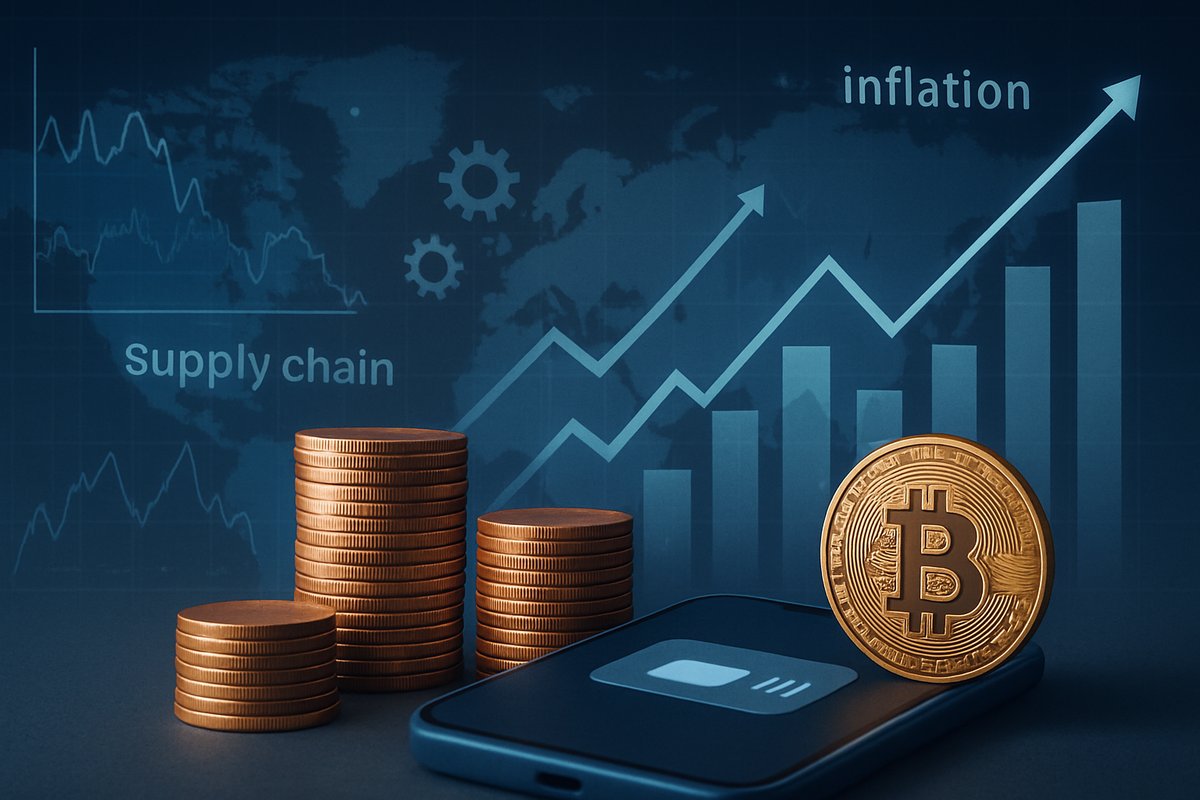
Central banks around the globe are grappling with surging inflation, supply chain disruptions, and the rise of digital currencies. As rate hikes take center stage in economic discussions, households and businesses face a shifting landscape of borrowing costs and new payment technologies.
The global economy finds itself at a crossroads, with central banks tightening monetary policy to tame inflation even as digital currencies gain traction among consumers and investors. What began as a post-pandemic spike in goods and energy prices has morphed into a more persistent challenge, prompting policymakers from New York to Tokyo to consider a spectrum of responses. At the same time, the rise of non-sovereign tokens and pilot projects for central bank digital currencies (CBDCs) has added a layer of complexity to financial stability and payments innovation.
For the last two years, headline inflation rates have hovered well above central bank targets in many advanced economies. Consumer prices rose at annual rates north of 5 percent across the U.S. and parts of Europe, compelling monetary authorities to reverse the low-rate stance that had underpinned pandemic recovery. Rather than waiting for full knowledge of the supply side constraints-from lingering semiconductor bottlenecks to bottlenecked shipping lanes-policy makers embarked on a path of rate normalization. This shift bears real costs for borrowers and savers alike, rippling through mortgage markets, small business loans, and credit card balances.
Financial markets have responded with volatility. Long-duration assets underperformed as benchmark yields climbed; stock indices swooned on chatter of aggressive rate hikes. Yet bond yields also reflect a growing appetite for inflation protection, with the gap between nominal and inflation-linked debt influencing portfolio allocations. For institutional investors, the question is whether future rate increases will be enough to dislodge inflation expectations or whether tightening will tip growth toward recession.
Inflation dynamics today are shaped by three intertwined factors. First, elevated household savings from fiscal stimulus during health restrictions gave consumers stronger cash buffers, supporting spending even as prices climbed. Second, labor markets in many regions have tightened, leading companies to pass higher wages onto final prices. Third, the pandemic accelerated digitization and remote work trends, altering demand patterns for office space, travel, and technology. This reshuffling still leaves the path to price stability uncertain.
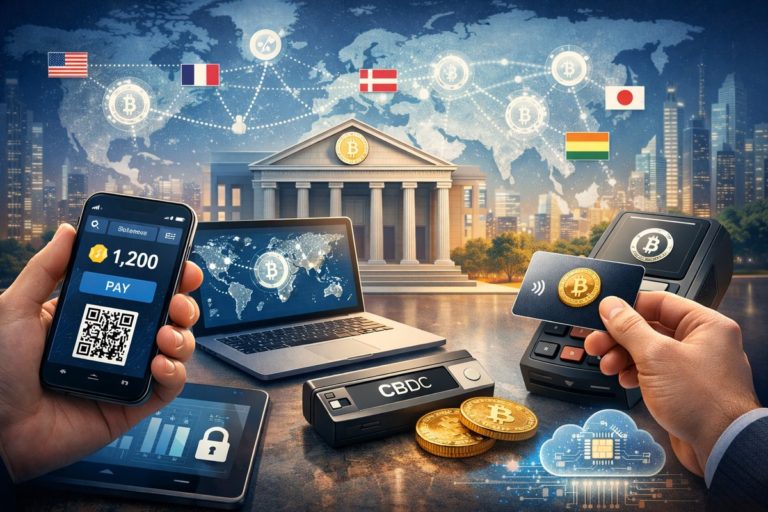
Amid these classical debates on interest rates and real output, digital currencies have moved from niche experiments to mainstream conversation. A growing number of commercial banks now allow customers to buy, sell, and custody so-called stablecoins-tokens pegged to fiat currencies-and fintech platforms have amassed millions of users trading crypto assets. Meanwhile, several central banks are conducting CBDC pilots to explore programmable money, cross-border settlement efficiencies, and financial inclusion goals.
Early trials in Southeast Asia, the Caribbean, and parts of Africa have demonstrated that CBDCs can reduce remittance costs and speed up domestic payments. In one pilot, a national digital currency application reduced cross-border transaction time from days to minutes. However, concerns remain around privacy, cybersecurity, and the potential impact on bank deposit funding. Will digital wallets offered by the monetary authority siphon deposits away from commercial lenders, forcing banks to compete for wholesale funding at higher rates?
Some advocates argue that an open-source approach to digital currency design, incorporating strong cryptography and user consent features, could strike a balance between transparency and privacy. Others warn that without robust offline transaction capabilities and contingency plans for power outages or cyberattacks, a highly digitized monetary system risks leaving vulnerable populations behind. The spectrum of design choices will shape not only the technical architecture but also the social contract underpinning money itself.
On the regulatory front, authorities are racing to adapt frameworks originally crafted for credit-driven economies to a world where value can be tokenized and transferred peer-to-peer, globally, in real time. Anti-money-laundering standards, know-your-customer rules, and consumer protections all demand updates. For instance, standardized protocols for digital wallet interoperability could prevent fragmentation and safeguard consumers moving value across borders.
Businesses and households alike must brace for a prolonged period of adjustment. Small enterprises reliant on variable-rate financing will want to lock in borrowing costs where possible or explore locking in portions of their debt at fixed rates. Households with adjustable mortgage payments might shop for refinancing options, mindful of early repayment penalties. On the savings side, higher policy rates translate to more attractive yields on money market funds and time deposits-opportunities for risk-averse investors to earn a cushion against future price rises.
Beyond direct financial implications, the evolving monetary landscape raises broader questions about digital literacy and access. Educational programs in community centers and online platforms aim to demystify blockchain concepts, private key management, and the tradeoffs between custodial and non-custodial wallets. Public-private partnerships are exploring ways to distribute digital identity credentials that meet privacy standards while enabling secure participation in a token-based economy.
Looking ahead, a scenario of successfully contained inflation by moderate rate increases could coexist with well-integrated CBDCs, streamlining cross-border trade finance and reducing settlement risks. Alternatively, a bout of inflationary persistence might force central banks into pronounced rate hikes, slowing growth and creating headwinds for digital currency adoption. In either case, investors, businesses, and policymakers will need to remain vigilant, adaptable, and ready to engage with emerging payment rails.
The era of ‘money for nothing’-real yields staying deeply negative-has ended. As policymakers and industry experimenters navigate their way through tightening cycles and digital transformation, the contours of our future financial system are still being drawn. While risks of fragmentation, privacy intrusion, and financial exclusion must be managed, the potential for faster cross-border transactions, programmable contracts, and more inclusive banking services offers a glimpse of a more efficient, interconnected world.
For households balancing budgets in the face of higher rates, and for entrepreneurs weighing the costs of digital innovation, these are times of both challenge and opportunity. Savvy market participants will seek to understand the interplay between interest rate trajectories and currency digitization, positioning themselves through prudent risk management and continual learning. In an environment where the only constant may be change, resilience will come from blending traditional financial skills with a willingness to engage in tomorrow’s technologies.