Location
Mount Vernon, WA 98274

Location
Mount Vernon, WA 98274

Families are rethinking how children learn, blending technology, hands-on activities, and emotional support. As hybrid schooling and remote options reshape routines, parents and educators are teaming up to foster resilience and curiosity in young learners.
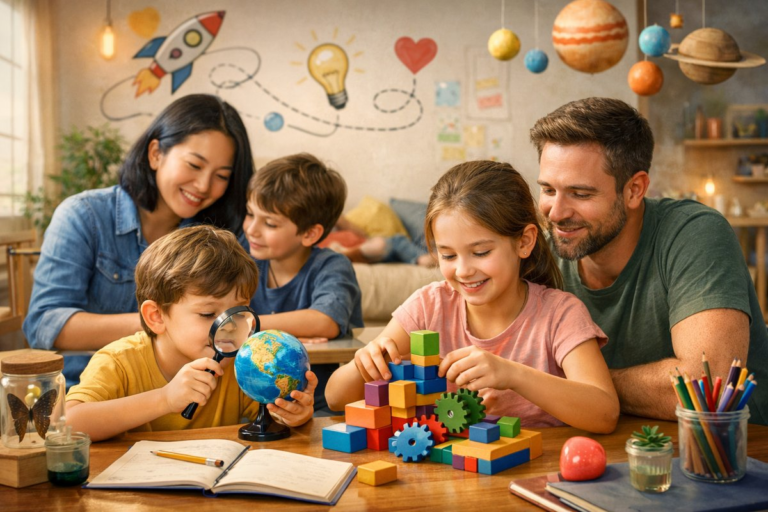
When the traditional school bell no longer marks the start of every lesson, families find themselves in uncharted territory. In living rooms and kitchen tables across the country, parents juggle video calls with teachers, science experiments that spill onto the floor, and impromptu recess breaks in the backyard. While the shift toward hybrid and remote learning began as a precautionary measure, it has evolved into a lasting movement-one that demands creative strategies, a focus on well-being, and a new division of roles between parents and educators.
The rise of technology in education has opened doors to interactive lessons and global collaborations. Students use virtual whiteboards to solve equations alongside peers in another state. They explore ancient ruins through 3D simulations, pausing to ask a parent for a quick refresher on a historical event. Yet this immersion in digital content brings concerns about screen time, attention span, and the subtle fatigue that follows hours of Zoom sessions. According to a recent report by an educational research institute, screen fatigue affects nearly half of middle schoolers, prompting schools to adopt shorter, more varied online blocks.
To combat burnout, many families have reinvented the school-day schedule. Instead of a rigid nine-to-three routine, households incorporate movement breaks, hands-on art sessions, and outdoor reading circles. One mother of two in a suburban district converts the garage into a sensory-friendly art studio for her third grader, while her seventh grader alternates between an attic desk for focused study and a beanbag in the family room for creative writing. By weaving in physical activity and choice, parents report sharper focus and happier learners.
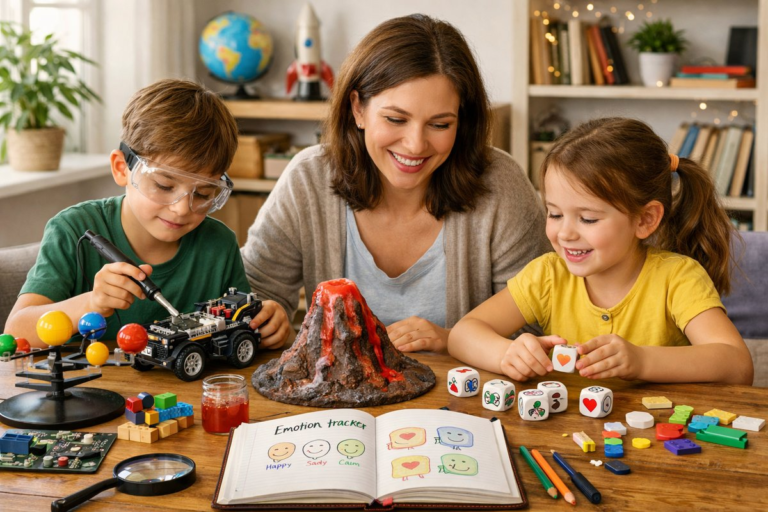
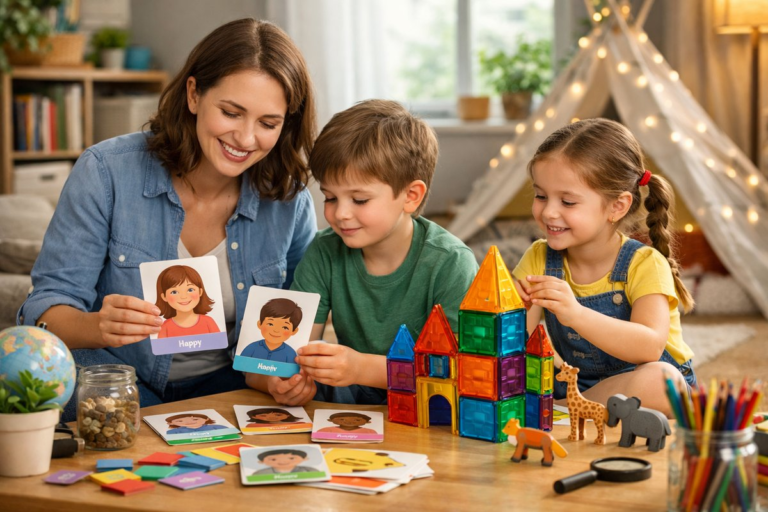
Social-emotional learning (SEL) has also gained prominence as an essential complement to math and literacy. Schools now dedicate time each week to guided discussions about emotions, empathy, and conflict resolution. At home, parents use simple prompts-“What was your highlight of the day?” or “Did anything surprise you?”-to foster reflection. A local community center partners with certified counselors to host virtual SEL workshops for families, teaching techniques like breathing exercises and journaling to manage stress. These practices help children articulate their feelings, reducing frustration when they struggle with a tough concept or miss playground banter with friends.
But not every family has equal access to reliable internet or quiet workspaces. A study published this spring highlighted persistent disparities: students in lower-income neighborhoods are nearly twice as likely to lack dedicated internet service or a personal device. School districts respond with mobile hotspots, device lending programs, and free tutoring clinics in community centers. Some nonprofits arrange for converted buses-equipped with Wi-Fi and charging stations-to park near underserved blocks, offering an open invitation to families needing a stable connection and minimal distractions.
Collaboration between parents and teachers has become more transparent. Digital platforms allow educators to share lesson plans, real-time progress reports, and behavior notes. One elementary teacher records short video tutorials demonstrating a tricky math strategy, so parents can revisit the explanation when their child feels stuck. In turn, parents provide feedback, noting whether the pacing felt too fast or if their child showed new interest in ecology after a virtual field trip. This continuous feedback loop fosters a team mentality and a shared investment in each child’s growth.
Still, the question of screen time remains a sticking point. Pediatric guidelines suggest limits on recreational device use, and experts stress the importance of differentiating between educational and entertainment screen time. Some families use physical timer devices to signal when it’s time to switch tasks. Others adopt a “tech sandbox” approach: setting up a designated device drawer where gadgets stay during offline assignments. These little rituals reinforce boundaries without turning every tech moment into a test of willpower.
Amid these logistical puzzles, many parents find unexpected silver linings. With geography no longer a barrier, students attend virtual workshops led by artists, scientists, and authors from around the world. A middle schooler in a rural area recently joined an online astronomy club where members build homemade telescopes and share night-sky observations. The sense of belonging to a wider learning community counters feelings of isolation and encourages self-directed projects.
Emotional intelligence has become as critical as reading comprehension. Teachers note that students who practice mindfulness and self-regulation handle setbacks more gracefully-whether missing a deadline or receiving a lower grade. Families integrate brief reflection moments into daily routines. Some use textured stress balls during transitions between subjects; others write in a shared journal, celebrating successes and setting small goals.
For parents, the journey can feel like a continuous learning curve. Support groups and online forums offer solidarity and practical tips, from organizing lesson materials in stackable bins to orchestrating peer-study sessions via group chat. Several schools host monthly virtual coffee hours where families exchange favorite at-home science projects or share recipes for brain-boosting smoothies.
Despite uncertainty about what schooling will look like next year, educators and parents agree on one principle: flexibility and empathy must drive the path forward. The ability to pivot when technical glitches arise, to dial back a lesson when fatigue sets in, or to swap a worksheet for an impromptu nature walk can make all the difference. Children witness these adaptive choices and internalize a growth mindset-an invaluable skill in an ever-changing world.
As families adjust, they’re also questioning the broader role of education. What if school time extends beyond standardized tests to embrace community service, outdoor exploration, and artistic expression? Could independent passion projects earn academic credit? A handful of pilot programs across the country are experimenting with hybrid models that blend core academics with self-directed portfolios. Early feedback suggests students become more engaged when they feel a sense of ownership over their learning paths.
This evolving landscape offers a moment of reflection for parents and policymakers alike. Will the lessons of remote and hybrid schooling inform future investment in technology, mental health support, and community partnerships? Can we sustain the collaboration between homes and classrooms that thrived under pressure? Many believe this moment calls for a reimagined education system-one that leverages digital tools without losing sight of human connection, that celebrates emotional literacy alongside academic milestones, and that recognizes every family’s unique dynamics.
In the meantime, parents continue to write the next chapter of learning at home and beyond. They seek tools that balance engagement with wellbeing, create spaces that inspire curiosity, and model patience and resilience. As the school landscape shifts, these efforts plant the seeds for lifelong learners who navigate challenges with creativity and confidence. No matter what tomorrow’s classroom looks like-virtual, in-person, or somewhere in between-families have begun laying the foundation for an education shaped by adaptability, collaboration, and heart.