Location
Mount Vernon, WA 98274

Location
Mount Vernon, WA 98274
Discover how families can foster curiosity, resilience, and emotional insight through playful learning. From sensory explorations to reflective journaling, this story offers heart-led strategies that empower children at every stage to become engaged thinkers.
At the heart of every thriving childhood lies a dance between curiosity and feeling. When parents view learning as more than facts and figures-when they weave emotional awareness into every puzzle, story, or backyard adventure-they build a foundation that lasts far beyond kindergarten. Learning toys and creative provocations become catalysts for exploration, while simple tools like feeling wheels and mindfulness prompts help children name and navigate their inner worlds.
In recent years, educators and developmental psychologists have emphasized that cognitive growth and emotional intelligence are two sides of the same coin. Studies published by leading early childhood research centers highlight how self-awareness can boost problem-solving skills and how cooperative play builds empathy. By blending open-ended blocks with check-ins about frustration or joy, families unlock deeper conversations and richer discoveries.
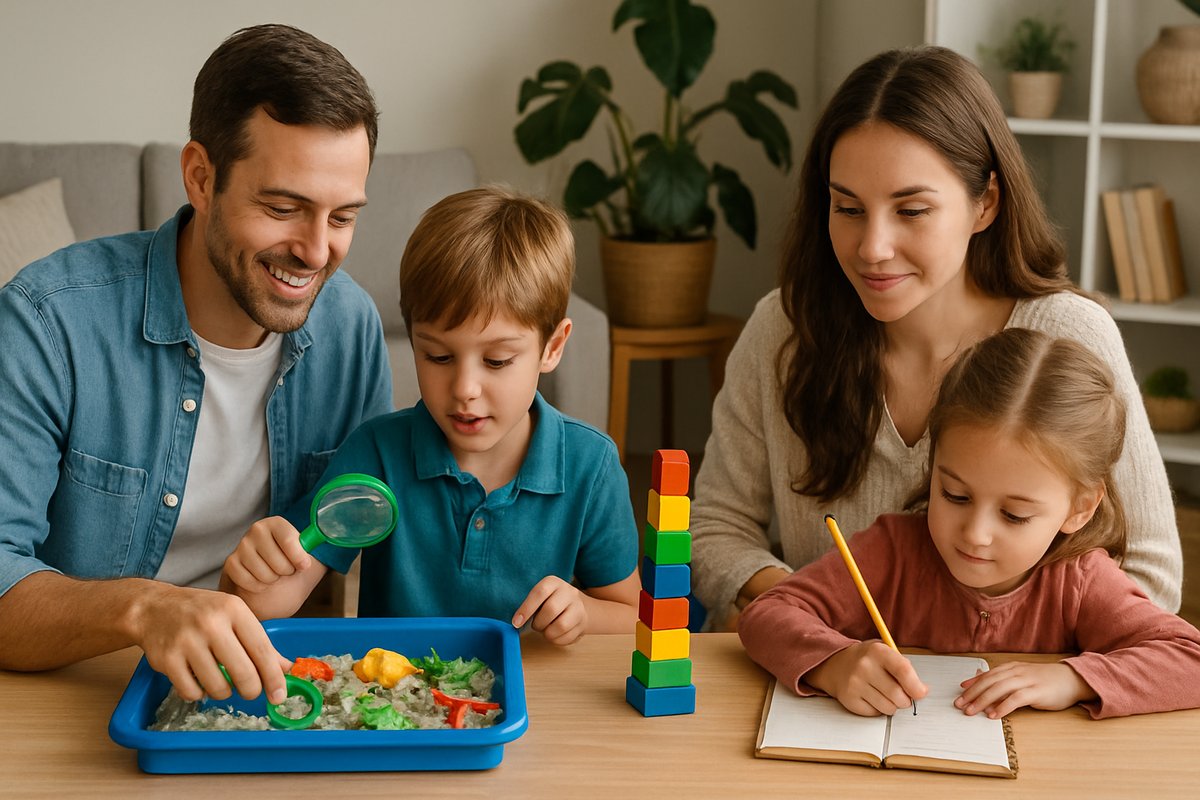
When toddlers plunge their hands into sensory bins filled with rice, beans, or kinetic sand, they’re not just learning textures-they’re learning to regulate impulses, adapt to new sensations, and express preferences. Placing measuring cups, scoops, and small containers nearby invites counting practice and basic measurement talk. Pause briefly to notice the child’s reaction: does she smile at the cool grains slipping through her fingers? Does he pause and say, “Too much”? Grounding play in simple reflections transforms every scoop into a lesson in self-regulation.
Preschoolers thrive on narratives and role play. Puppet theaters and story stones become stages where young actors pretend, pause, and negotiate a character’s feelings. Parents can gently prompt: “How do you think the bunny feels when he can’t find his carrot?” or “What could the rabbit do if she feels sad?” These open-ended questions encourage children to name emotions, explore solutions, and practice perspective-taking. A set of simple animal figurines or recycled sock puppets is often all it takes to spark hours of emotionally rich storytelling.
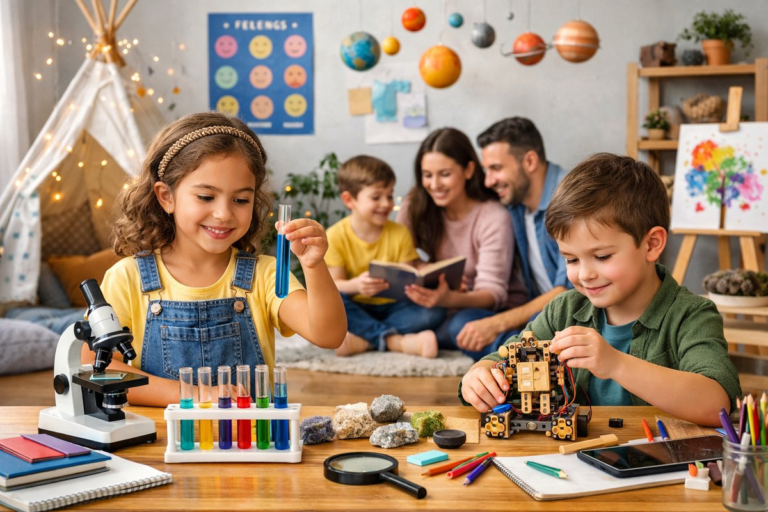
As children move into early elementary years, their capacity for sustained projects blossoms. Science kits with magnetic components, crystal-growing trays, or simple circuit boards engage persistence, hypothesis testing, and cause-and-effect reasoning. Encourage kids to design their own experiments-mix food coloring in water, track growth in a tiny garden, build a marble run out of cardboard tubes. When they hit a snag, resist the urge to step in too quickly. Instead, ask “What’s your next idea?” or “How might we try it differently?” These questions support agency and reinforce that effort often leads to breakthroughs.
The concept of a growth mindset-valuing effort over innate talent-rings especially true when parents model curiosity themselves. Saying, “I’ve never tried coding a robot before, but I’m excited to learn alongside you,” sets a tone of mutual discovery. Celebrating setbacks as stepping stones (“My prototype didn’t work, but I learned one way not to do it”) gives permission to experiment without fear. Recognizing every small adjustment as progress helps children associate challenge with opportunity.
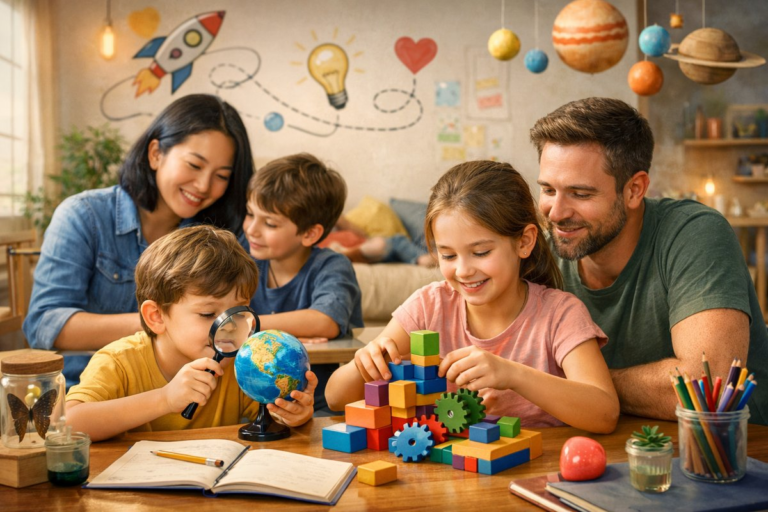
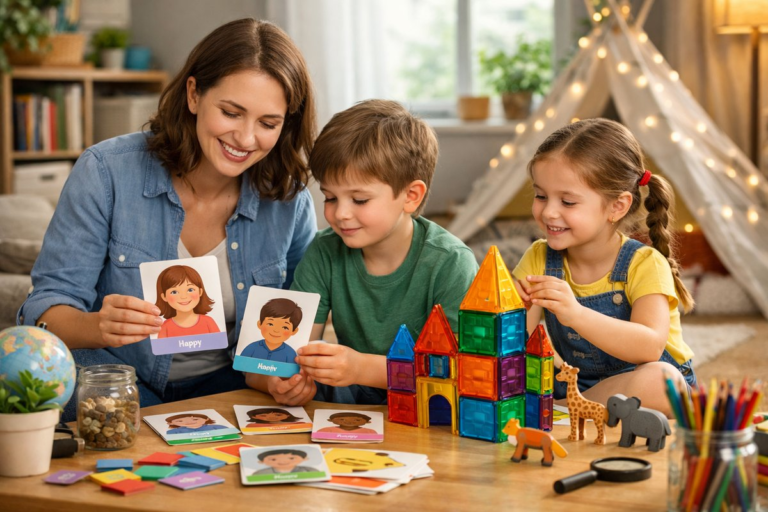
Take one family’s morning ritual: they spread magnetic building tiles across the dining table and propose a theme-“Undersea City.” Myriad shapes, squares, triangles, and arches become coral reefs, sea caves, and spire-like towers. A child notices a mirror tile reflecting the light and suggests, “Let’s build a lighthouse so fish can find their way.” The parent leans in, asks about color choices, and then pauses to ask how it feels to collaborate. When the child grins, naming pride and excitement, the play session deepens into both a STEM challenge and an emotional check-in.
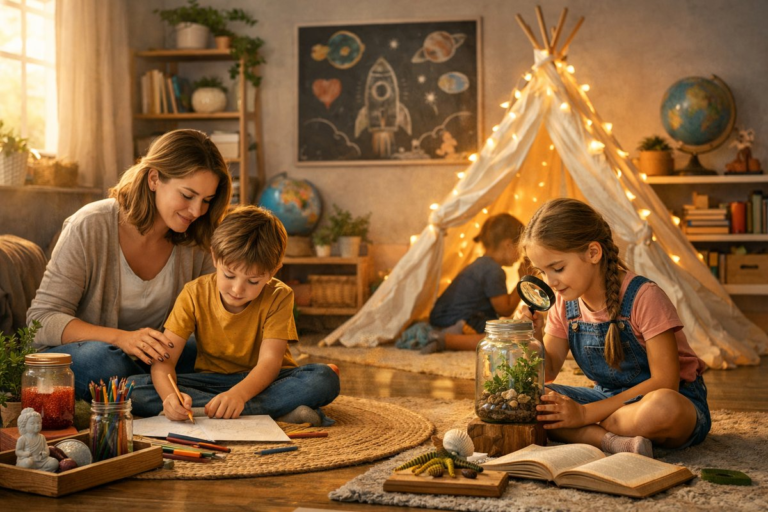
Outdoor explorations offer another rich canvas for blending discovery and reflection. A child’s nature journal-sketching a leaf, noting the pattern of veins, or collecting pressed petals-encourages slow observation. Invite a brief pause to imagine how the tree might feel if it could speak, or whether the breeze is playful or gentle. These moments root scientific curiosity in a sense of wonder and empathy for the living world.
Giving children choice is one of the most powerful ways to foster agency. A rotating choice board can present three simple invitations each morning: a sensory play station, a creative art setup, and a small science experiment. The child decides what to tackle and in what order. Parents can share in each activity, modeling enthusiasm and curiosity, then step back to let children explore independently. This balance between guidance and autonomy strengthens both competence and self-confidence.
Digital tools, when used mindfully, can amplify hands-on learning rather than replace it. Interactive apps that guide deep-breathing exercises paired with animated characters, or drawing platforms that allow kids to illustrate a story they invent, can be woven into a daily rhythm. Limit screen time to brief, intentional sessions tied to skill-building goals: practicing letter formation with a stylus, solving logic puzzles that adapt to the child’s pace, or listening to a narrated folk tale followed by a parent-child discussion of the moral.
Emotional learning tools don’t have to be elaborate. A laminated feelings wheel-divided into basic emotions with simple icons-can help children point to “frustrated,” “excited,” or “sad” when words fall short. A small deck of mindfulness cards with prompts like “Take three deep breaths” or “Name five colors you see” can steer moments of dysregulation back toward calm. Keeping these resources in a low shelf within easy reach lets children use them independently.
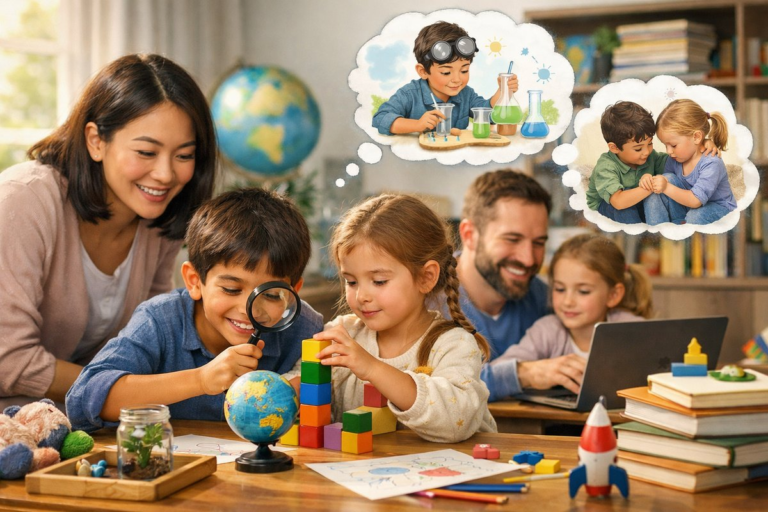
Incorporate brief family check-ins to solidify lessons and nurture connection. A nightly circle at dinner might invite each member to share one discovery and one feeling: “Today I learned how to make the magnet float in the water, and I felt proud.” Over time, these rituals build emotional vocabulary, strengthen listening skills, and create a safe container for both triumphs and frustrations.
When parents view learning as a holistic adventure-one where physical exploration, cognitive challenges, and emotional check-ins all intertwine-they cultivate resilience that extends beyond any single toy or lesson. Children learn to trust their curiosity, speak up about how they feel, and embrace the idea that every misstep is simply another clue on the path. This heart-centered approach turns everyday moments into milestones and sets young learners on a lifelong journey of joyful discovery.