Location
Mount Vernon, WA 98274

Location
Mount Vernon, WA 98274
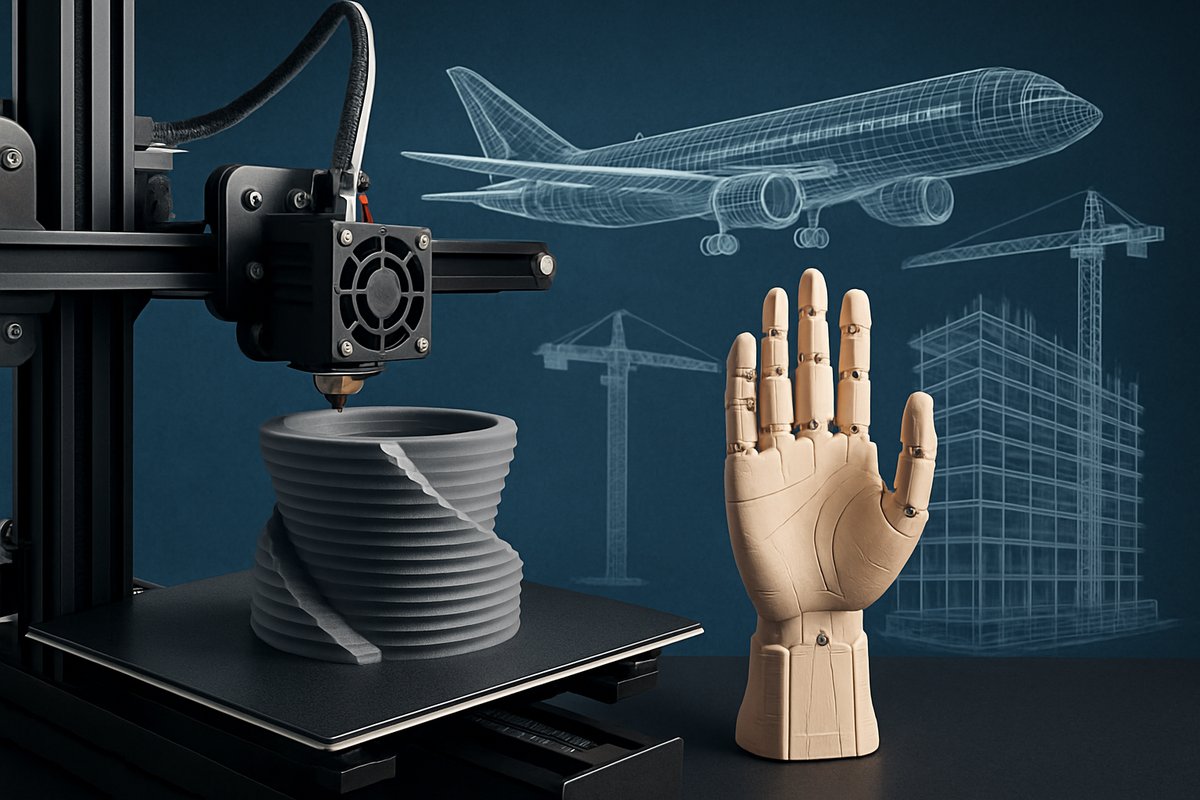
Additive manufacturing is reshaping industries from aerospace to construction, turning digital blueprints into tangible objects layer by layer. Recent advances in sustainable materials, medical modeling, and large-scale fabrication point to a future where design freedom meets real-world needs.
The world of additive manufacturing continues to accelerate, turning once-futuristic visions into tangible reality one layer at a time. What began as a prototyping novelty has evolved into a versatile production method with applications spanning aerospace, healthcare, construction, art, and education. Innovations in materials science, machine design, and software have combined to expand print speeds, refine surface quality, and unlock new creative possibilities-reshaping how we approach design, sustainability, and complex problem-solving.
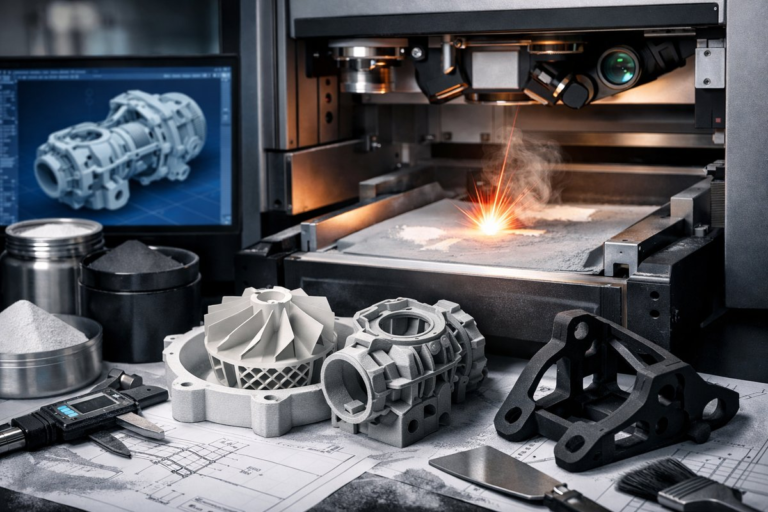
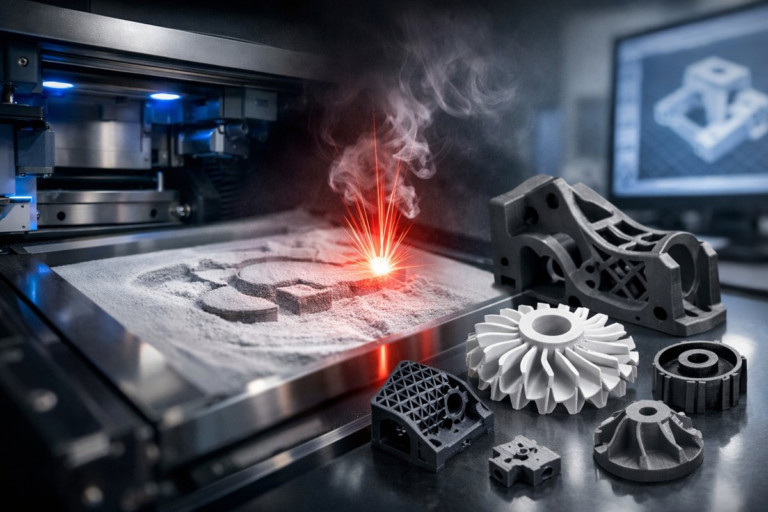
In the aerospace and automotive sectors, metal additive manufacturing has moved from experimental trials into certified production. Engineers now routinely print turbine blades, heat exchangers, and lightweight structural brackets using powder-bed fusion systems. A recent collaboration between a leading engine manufacturer and a national space agency produced rocket injector nozzles with complex cooling channels that would be impossible to machine conventionally. According to the latest market analysis report, global metal additive manufacturing revenue surpassed $4.5 billion last year, driven by demand for parts that combine strength, weight savings, and design intricacy.
Construction firms are no longer limited to timber, steel, and concrete poured in formwork. Gigantic gantry and robotic arm printers can extrude cementitious mixes layer by layer, producing entire building shells in a fraction of the time and with significantly less labor. One pilot project in a coastal community demonstrated how a small team could erect a 650-square-foot home in under 48 hours, reducing material waste by up to 60 percent. Beyond speed, these printers can embed conduits, insulation channels, and even bespoke decorative patterns directly into walls-ushering in a new era of custom architecture and affordable dwellings.
Sustainability has become a core driver behind many additive manufacturing breakthroughs. Researchers are refining bioplastics derived from renewable sources such as cornstarch and sugarcane, yielding filaments with mechanical properties competitive with petroleum-based plastics. Startups are also tackling ocean plastic waste, converting reclaimed polyethylene into printer filament that retains high strength and printability. These closed-loop models not only divert tons of plastic from waterways but also lower the carbon footprint of production by avoiding new polymer synthesis.
The medical field remains one of the most inspiring arenas for additive manufacturing’s transformative potential. Surgeons are harnessing high-precision resin and powder printers to create patient-specific anatomical models for preoperative planning, reducing surgery times by up to 20 percent and improving outcomes. Biocompatible polymers and metals now enable the fabrication of custom implants and orthopedic plates tailored to an individual’s bone geometry. In a recent clinical trial, a custom-printed titanium jaw implant restored functionality and appearance for patients who had suffered severe trauma.
Artists and designers continue to explore additive manufacturing as a medium for pushing aesthetic boundaries. Fashion innovators have unveiled dresses woven from interlocking printed links, each garment responding to movement with sculptural grace. Sculptors working with large-scale polycarbonate printers have produced pieces that merge organic forms with industrial precision-creating installations that invite viewers to question where nature ends and technology begins. In each case, the designer’s vision is unshackled from traditional tooling constraints, enabling shapes that were once considered impossible.
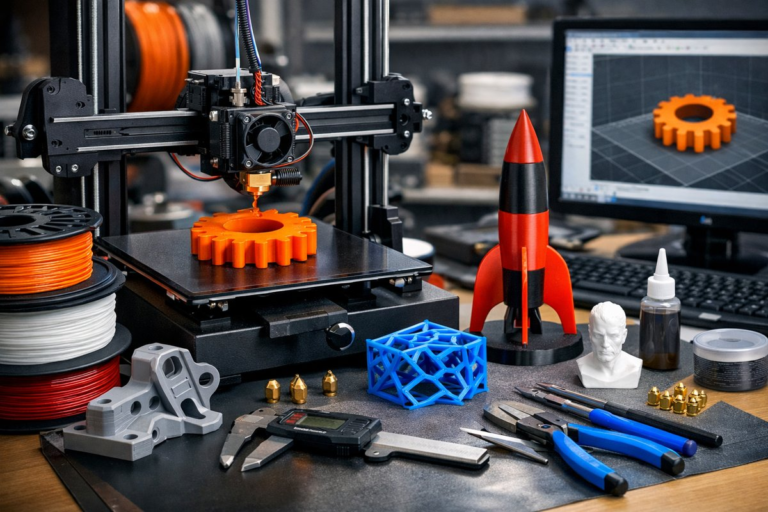
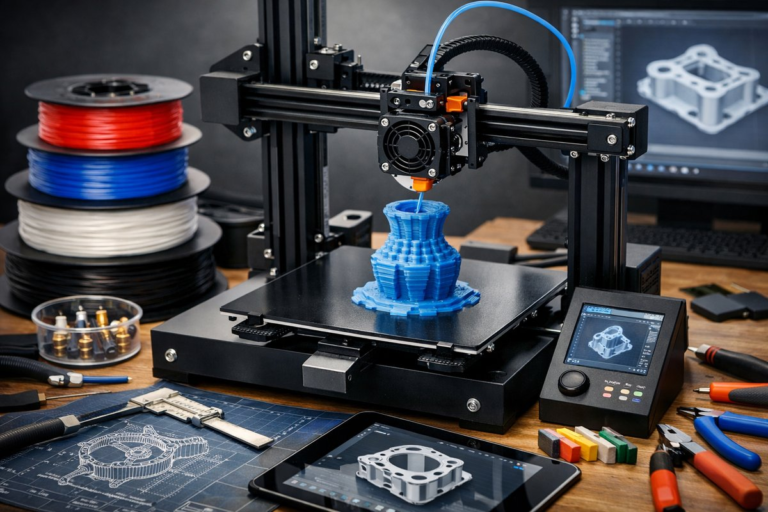
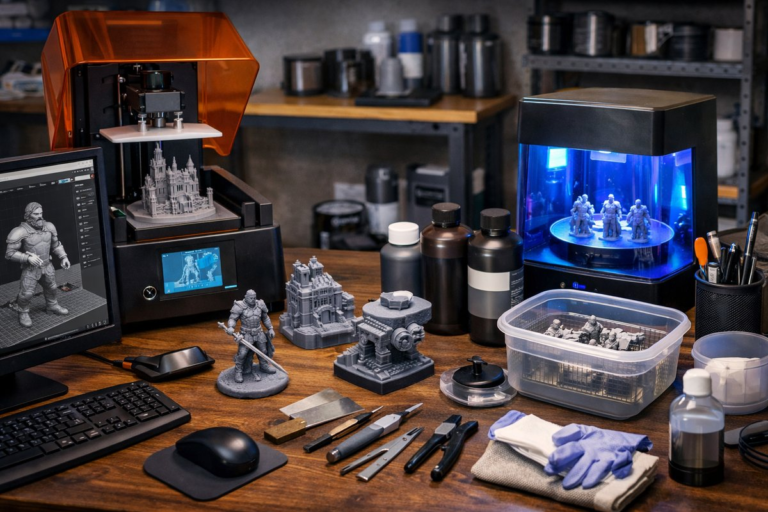
On the desktop, the maker movement shows no signs of slowing. Open-source initiatives have lowered the barrier to entry, putting capable FDM and resin printers within reach for hobbyists, educators, and small businesses. Online libraries teem with millions of free and paid designs, from intricate cosplay accessories to functional household tools. Community forums abound with troubleshooting tips, filament-tuning guides, and software hacks, fueling a collaborative culture of experimentation. Even classrooms at the elementary level are integrating 3D-printed STEM projects, helping students build geometric models, prosthetic hand prototypes, and robotics components.
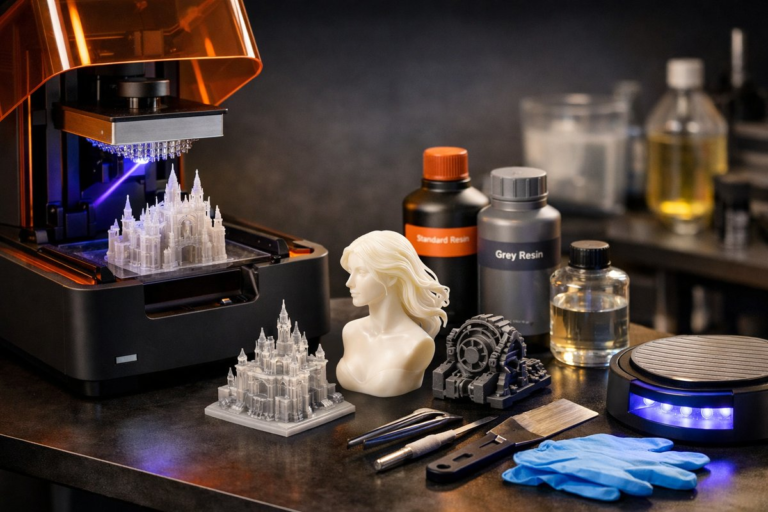
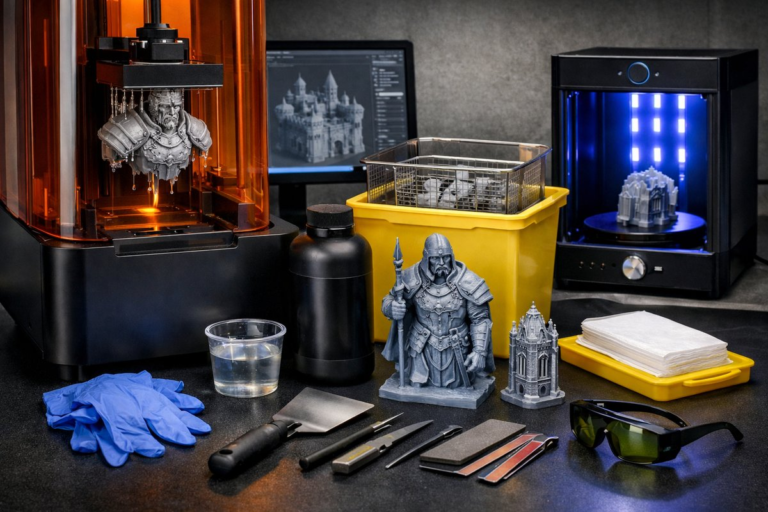
Advances in resin printing are shortening build times while enhancing surface fidelity. Next-generation vat photopolymerization systems can cure entire layers at once, shaving hours off larger prints. Photocurable resins infused with ceramic or metal particles are opening doors to hybrid applications, where printed green parts are sintered in a kiln to achieve full density. These developments promise high-resolution, high-strength components suitable for dental crowns, precision tooling, and fine art reproductions.
On the filament side, material engineers are expanding the library of specialized composites. Carbon-fiber-reinforced PLA and ABS variants offer stiffness and thermal resistance, while flexible TPU blends enable wearables, seals, and soft robotics parts. Even conductive filaments are gaining traction, allowing hobbyists to print simple circuits directly into plastic structures. As filament producers refine recipes and quality-control processes, printers can run more reliably and produce parts with consistent dimensional accuracy.
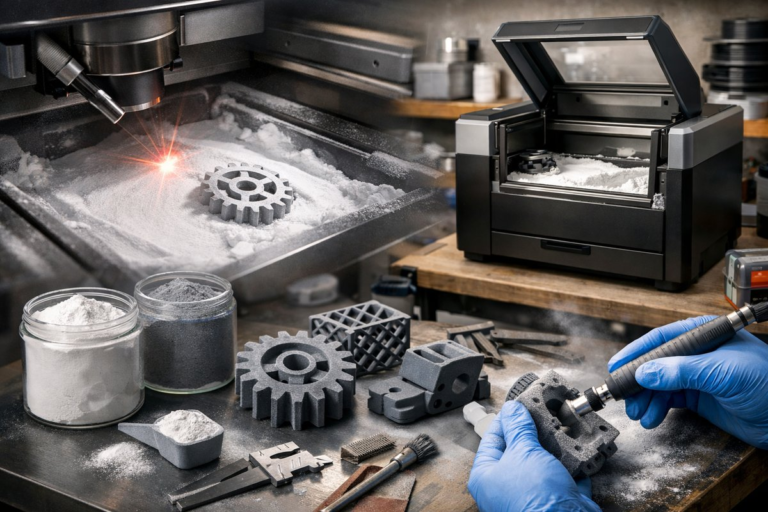
Despite the rapid progress, challenges remain in standardization, certification, and scaling. Regulatory bodies are still adapting approval pathways for critical applications, such as aerospace flight hardware or implantable medical devices. Material variability, powder handling safety, and post-processing requirements add complexity to production workflows. For large-scale construction, ensuring building code compliance and long-term durability under diverse environmental conditions demands further testing and data collection.
Looking ahead, the next frontier in additive manufacturing lies at the intersection of multiple technologies. Multi-material printers capable of depositing polymers, ceramics, and metals in a single build could produce functionally graded parts with embedded sensors. Researchers are exploring 4D-printing techniques where printed structures change shape over time in response to heat, moisture, or electric fields-envisioned for self-assembling furniture, adaptive medical implants, and deployable habitats. Printed electronics, biofabrication of tissues, and on-demand manufacturing in remote or extraterrestrial environments could redefine supply chains and human resilience.
As designers, engineers, and makers push these boundaries, additive manufacturing’s ethos of iterative creativity and minimal waste remains central. Each new layer builds not only a part but a deeper understanding of how digital and physical worlds converge. From a student sketching a prototype to an architect planning a sustainable neighborhood, the act of layering material translates imagination into reality-one thin cross-section at a time.
Ultimately, additive manufacturing stands as a testament to human ingenuity: an approach that welcomes complexity, encourages experimentation, and rethinks what’s possible in production. As the technology evolves, its true impact will be measured not just in faster print speeds or stronger alloys, but in how it empowers communities to design more responsibly, respond to urgent challenges, and forge paths toward a more resilient future.