Location
Mount Vernon, WA 98274

Location
Mount Vernon, WA 98274
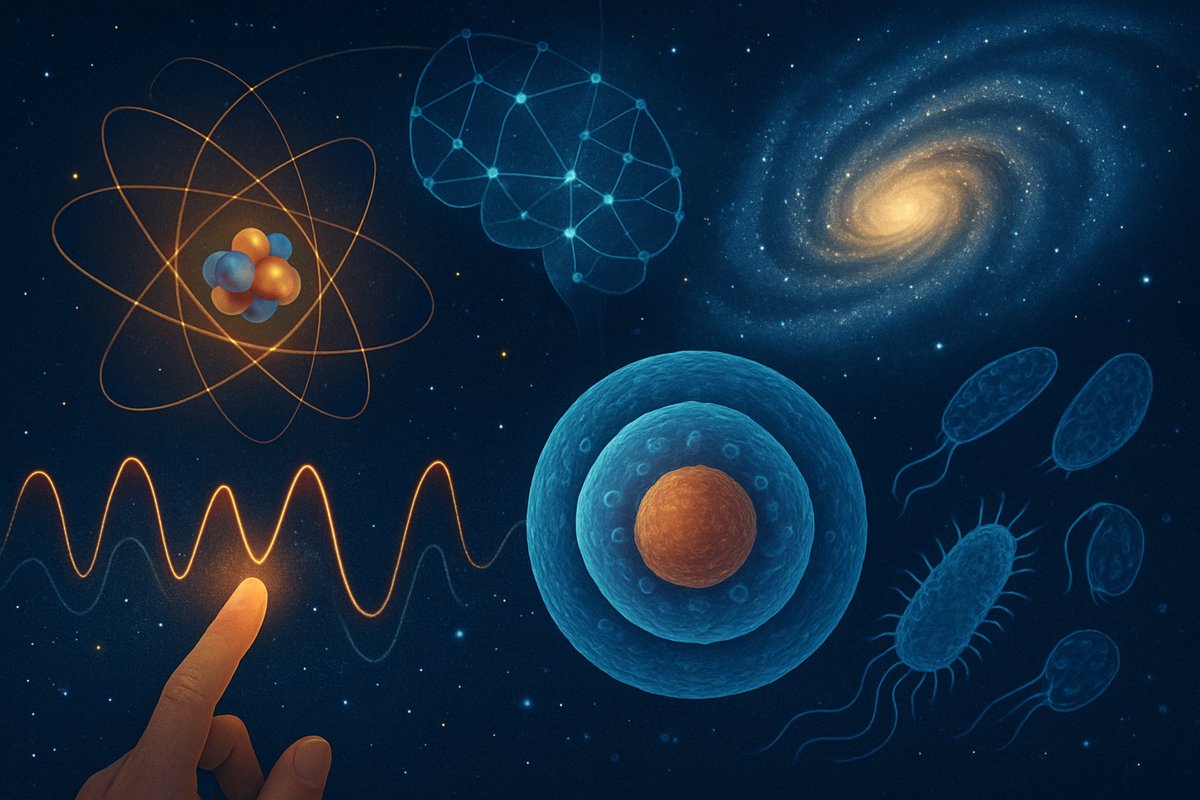
Science is an open invitation to explore-from the flicker of quantum fields under your fingertips to the spiraling arms of galaxies overhead. This article journeys through the smallest building blocks of matter, the grand architecture of the cosmos, the hidden choreography of living cells, the subtle laws guiding societies, and the emergent spark of conscious thought.
At its heart, science is an act of sustained wonder, a conversation between humankind and the mysteries woven into reality. The quantum whispers of particles tumbling in and out of existence are counterbalanced by the slow waltz of galaxies bound by gravity’s gentle tug. Cells within our bodies host elaborate chemical ballets, while human societies evolve under their own invisible rules. And somewhere between neuron and neutron, between ecosystem and colony, resides the question of awareness itself. To traverse these realms is to affirm our place within a larger tapestry of order and possibility.
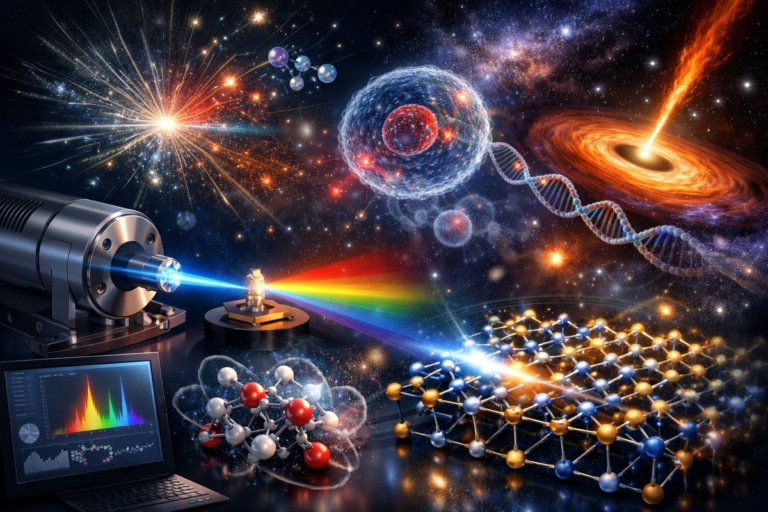
In the concealed world of quantum physics, particles behave like both waves and points, challenging our classical intuition. Experiments involving ultracold atoms shimmer with promise: clouds of rubidium cooled to billionths of a degree above absolute zero reveal collective behaviors that mirror cosmic expansions in miniature. Researchers coax atoms into lattice formations that simulate the structure of exotic materials thought to exist inside distant neutron stars. At the same time, tabletop experiments with entangled photons are crafting the backbone of future communication networks secured by the laws of nature. These quantum explorations demand precision engineering, ingenious detection methods, and a willingness to embrace uncertainty as a feature rather than a bug.
Scale up from atoms to galaxies, and the puzzles only deepen. Astronomers map the large-scale distribution of matter using arrays of ground-based telescopes and spaceborne observatories. They trace the filaments of the cosmic web-vast strands of dark matter and galaxies linking clusters across hundreds of millions of light-years. Behind each image lies a choreography of photons crossing the universe for billions of years, bearing witness to the expansion driven by dark energy. Computer simulations seeded with primordial fluctuations recreate the evolution of structure from the Big Bang onward, offering glimpses of how gravity sculpts the universe. These virtual universes also guide telescope observations, pinpointing regions where the next great discovery-perhaps the first direct detection of cosmic neutrinos-might occur.
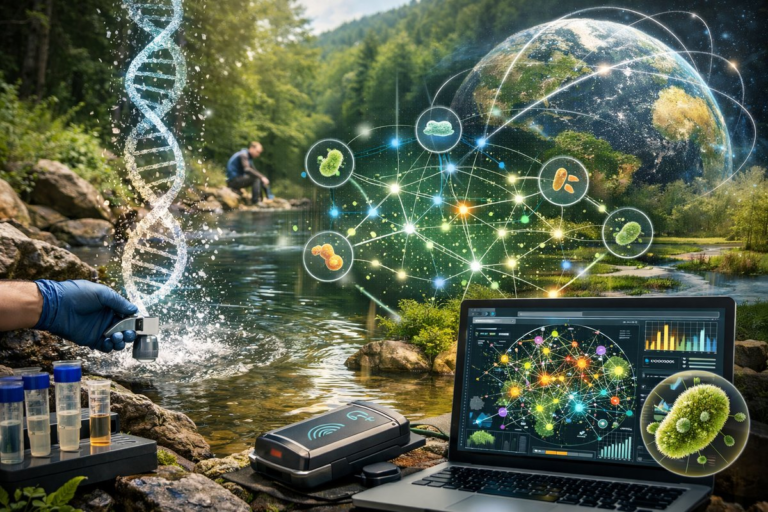
Back on Earth, scientific curiosity turns inward to the cell, the fundamental unit of life. With gene-editing tools like CRISPR, researchers rewrite the book of biology, turning off genes to observe their functions or introducing synthetic circuits to program cells like living computers. Single-cell sequencing technologies unravel the diversity of cell types in a developing embryo, uncovering transient states that shape organs before they form. Meanwhile, advanced microscopy illuminates dynamic processes in real time-vesicles ferrying proteins, cytoskeletal fibers contracting and expanding, neurons forging new connections. This cellular frontier raises ethical questions: how should society regulate human germline editing, and what responsibilities accompany the power to reengineer living systems? The answers will shape not only medicine but the relationship between humanity and the natural world.
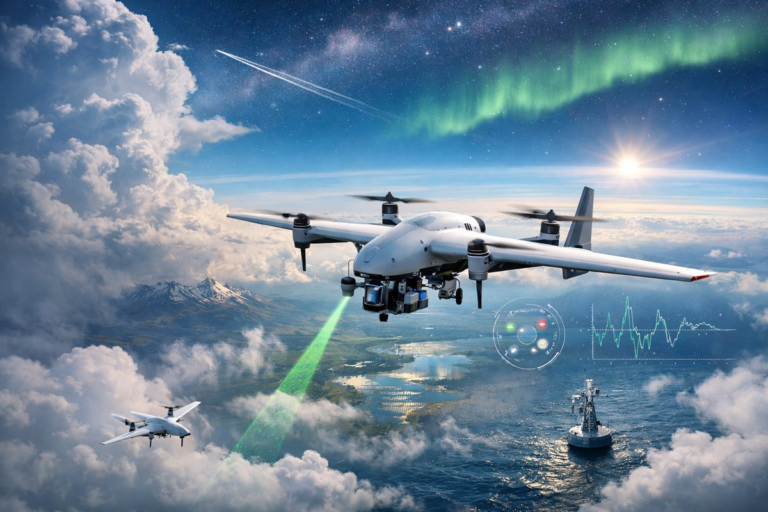
Science also decodes the patterns governing societies and ecosystems. From studies of ant colonies optimizing food foraging to analyses of human crowds during emergencies, researchers apply mathematical frameworks to collective behavior. Network theory reveals how information spreads through social media platforms, highlighting both the speed of scientific collaboration and the risks of disinformation. Ecologists deploy remote sensing and machine learning to monitor forests, monitoring signs of disease or drought stress before visible damage appears. In coastal wetlands, drones equipped with multispectral sensors map the health of vegetation and the impact of rising sea levels. These insights guide conservation strategies that balance human livelihoods with biodiversity preservation, acknowledging that healthy ecosystems underpin clean water, stable climates, and resilient communities.
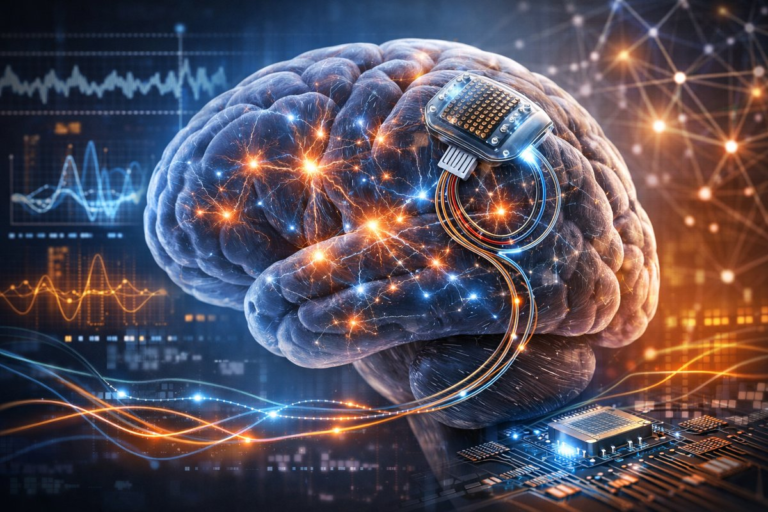
Perhaps the most enigmatic frontier lies in consciousness-the first-person theater where experience unfolds. Neuroscientists combine electrical recordings, imaging techniques, and computational models to probe how networks of neurons generate perception, memory, and self-awareness. Studies of altered states, from meditation to psychedelic experiences, reveal brain dynamics that might unlock deeper insights into attention and emotion. Philosophers and scientists debate whether consciousness is an emergent property of complexity, a fundamental feature of reality, or something else entirely. This dialogue spans disciplines: philosophers refine conceptual frameworks, cognitive scientists develop behavioral assays, and computer scientists explore artificial neural networks in search of principles that could one day underpin machine awareness.
Across these realms, certain threads tie them together. Precision measurement unites quantum labs with observatories peering into the early universe. Data analysis methods born in particle physics now help track pandemic outbreaks and climate shifts. Ethical frameworks developed for human research inform policies on ecological interventions and artificial intelligence. A growing emphasis on sustainability shapes large-scale projects, from choosing low-carbon computing facilities for climate modeling to reducing the environmental footprint of laboratory reagents. The culture of open science accelerates discovery: shared datasets, open-source software, and collaborative platforms break down barriers between institutions and nations.
This spirit of collective inquiry thrives on curiosity and emotional intelligence. Good science flourishes when researchers listen to one another, respect diverse perspectives, and embrace failure as part of the journey. Citizen science initiatives empower communities to monitor local biodiversity or light pollution, building public understanding and fostering stewardship. Science communication efforts translate complex findings into stories that resonate-whether through immersive virtual reality experiences of planetary landscapes or interactive exhibits demonstrating quantum effects under your fingertips.
Looking forward, new horizons beckon. Quantum networks promise unhackable communication and exponential speed-ups for certain computations. Space telescopes with advanced coronagraphs may image Earth-size planets in habitable zones, searching for biosignatures in alien atmospheres. Synthetic biology could yield organisms engineered for carbon capture or the sustainable production of fuels and pharmaceuticals. Neuroscience and AI may converge on systems capable of true creativity or even forms of empathy. Yet each advance will demand thoughtful reflection on privacy, equity, and environmental impact. How do we ensure that quantum encryption protects individual rights rather than reinforcing surveillance architectures? Can engineered microbes be safely contained and ethically deployed? What safeguards should govern human enhancement technologies?
Science invites us to think deeply and discover boldly, to navigate uncertainty with humility and optimism. It reminds us that the most surprising revelations often emerge at the boundaries between disciplines-where a mathematical insight illuminates a biological process, or an astronomical observation reshapes our understanding of fundamental physics. By fostering collaboration, upholding transparency, and grounding innovation in ethical principles, we can harness science’s power to address global challenges and satisfy our innate drive to know.
Whether you peer into a microscope, calibrate a spectrometer, or simply look up at the stars, science is your ally in making sense of the unknown. It equips us with the tools to decode light, map ecosystems, and ponder the nature of consciousness. And it offers the greatest reward of all: a deeper connection to the universe and to one another through shared discovery and wonder.