Location
Mount Vernon, WA 98274

Location
Mount Vernon, WA 98274
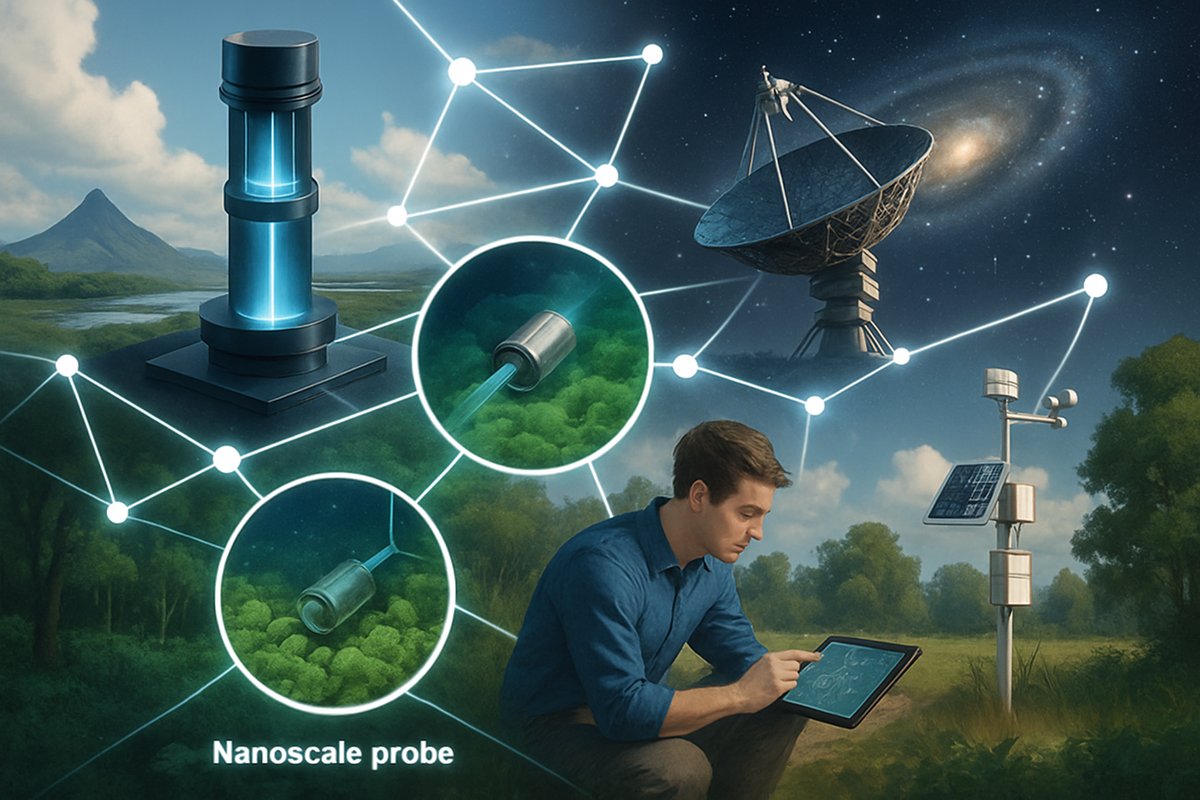
A new open-source initiative is deploying quantum gravimeters, nanoscale environmental probes, and cosmic observatories in a unified network to decode Earth's complex systems. This integrated approach bridges subatomic measurements, microbial landscapes, and interstellar phenomena to inform water management, biodiversity conservation, and disaster resilience.
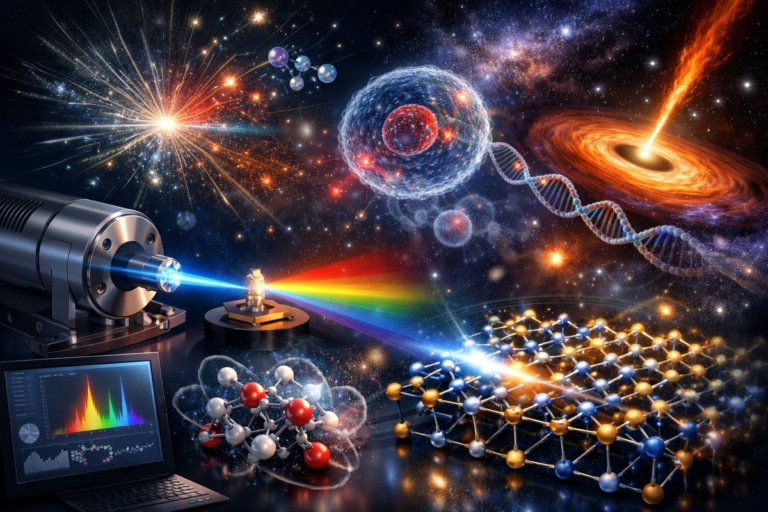
In an unprecedented fusion of cutting-edge technologies, researchers across continents have launched a collaborative platform that links quantum gravimeters, nanoscale probes, and cosmic observatories to generate a continuous data stream spanning from the atomic scale to the cosmic horizon. This initiative, named ScaleNet, aims to dissolve traditional boundaries between scientific disciplines by deploying specialized sensors on drones, buoys, underground stations, and small telescopes. By connecting measurements of gravitational anomalies, microbial activity, and background radiation, ScaleNet offers a holistic view of the forces shaping both our planet’s ecosystems and the universe beyond.
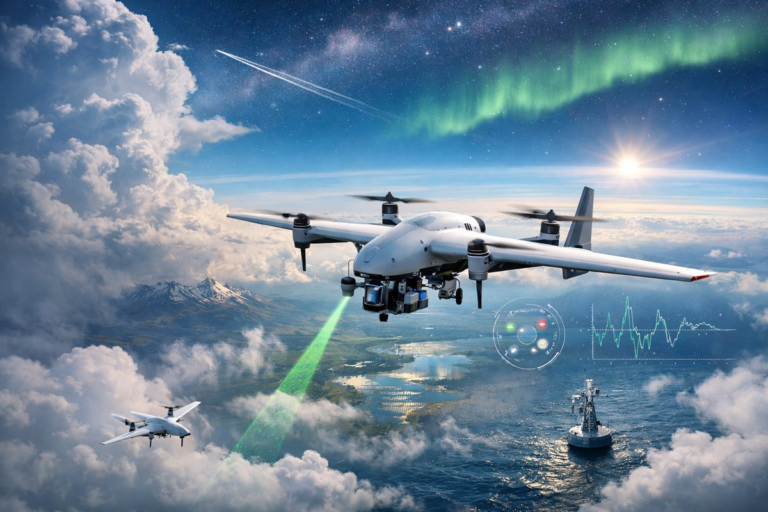
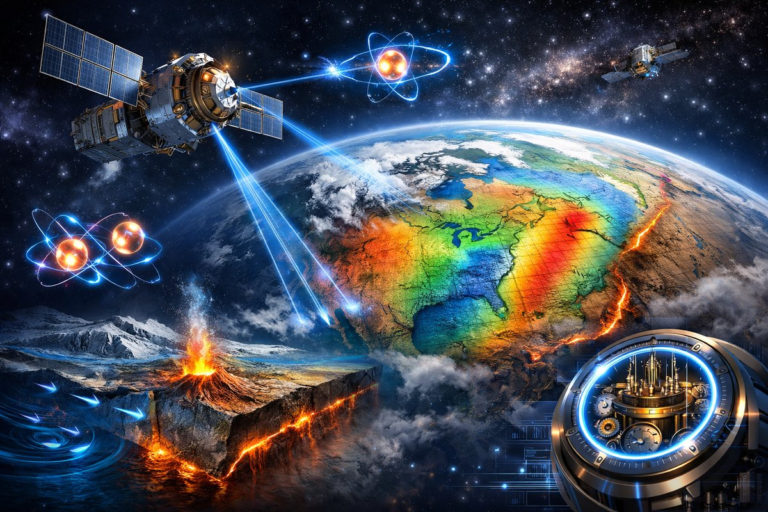
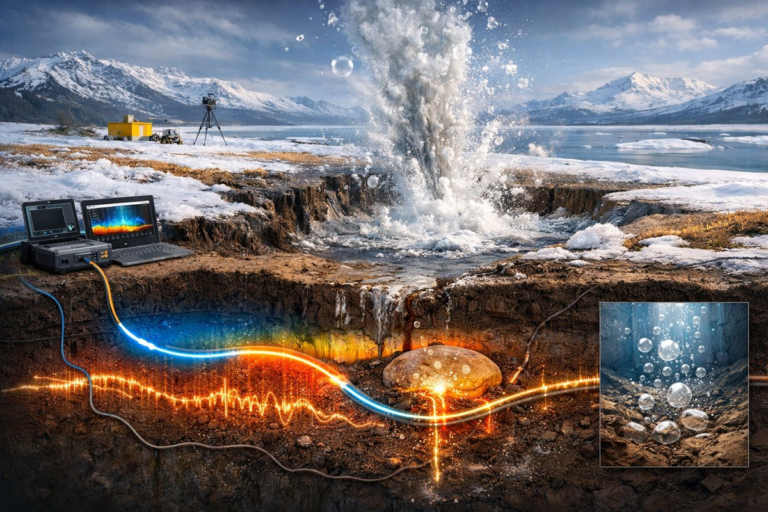
At the heart of ScaleNet are quantum gravimeters-compact devices that use interference patterns of ultracold atoms to detect minute variations in Earth’s gravitational field. These instruments have been mounted on lightweight aerial drones to map subterranean structures such as aquifers and fault lines with centimeter-level precision. During recent trials over a semi-arid region in southern Spain, the quantum sensors accurately outlined an underground water channel hidden beneath layers of rock and sand, guiding local authorities to new sources for agriculture and drought mitigation.
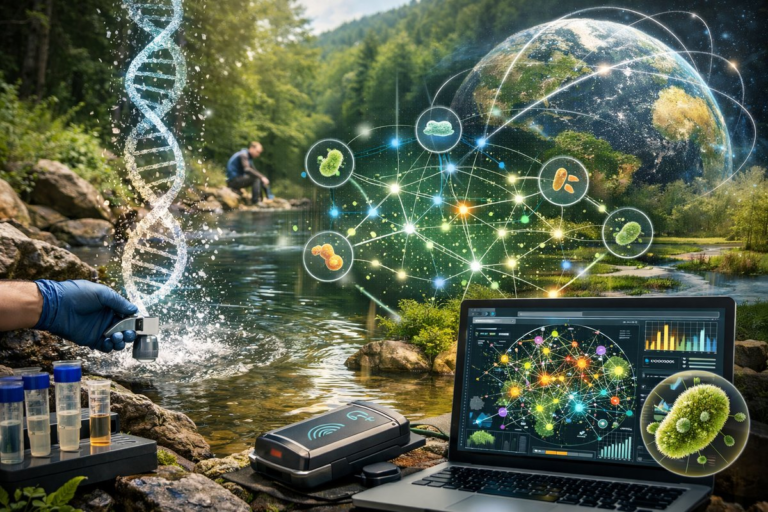
Complementing the quantum measurements, teams have developed nanoscale environmental probes capable of detecting soil moisture, microbial DNA fragments, and chemical signatures in real time. These probes, no larger than a grain of rice, are dispersed via ground robots into remote forests and grasslands. They relay data on pH levels, nutrient cycles, and microbial diversity to central servers, revealing how local biodiversity responds to climate stressors. Early results in a tropical reserve showed shifts in microbial communities weeks before visible signs of drought stress in plant populations, enabling preemptive conservation measures.
ScaleNet’s cosmic observatories consist of a network of small, ground-based telescopes and radiometers tuned to capture variations in cosmic microwave background radiation as well as bursts of high-energy particles. By monitoring subtle fluctuations in background signals, the platform can calibrate ground sensors against cosmic noise and detect new solar events-such as coronal mass ejections-that influence ionospheric conditions and gravitational measurements. This cross-calibration helps isolate terrestrial signals from spaceborne interference, delivering cleaner datasets for geoscientists and astronomers alike.
An artificial intelligence core unites these disparate streams of information. Advanced machine learning models ingest gravitational, chemical, biological, and radiometric data to identify hidden correlations. For example, algorithms trained on historical records can predict how shifts in cosmic radiation levels might affect underground water movement or microbial metabolism. The AI also optimizes drone flight paths and probe deployments by continuously learning which regions of the globe show the greatest anomalies or ecological stress, ensuring that sensor resources are allocated in the most impactful way.
Field deployments earlier this year tested ScaleNet’s integrated workflow in the Andean highlands. Teams launched drone swarms carrying quantum gravimeters over glacial watersheds, while robotic rovers released nanosensors into soil samples along altitude gradients. Simultaneously, cosmic monitors tracked solar wind variations. Within days, the platform pinpointed a previously unknown meltwater channel linking two glacier-fed lakes, validated shifts in permafrost microbial activity, and flagged a series of solar flares likely to disrupt satellite communications in the region.
The insights gleaned from ScaleNet are already informing water management strategies for downstream communities. In one case, precise data on subterranean channels enabled engineers to optimize irrigation schedules, reducing water waste by nearly 20 percent during a critical dry season. Conservationists have used early-warning signals of microbial ecosystem shifts to adjust grazing patterns and protect vulnerable plant species. This dynamic feedback loop between data gathering and local decision-making exemplifies how multiscale science can drive practical environmental solutions.
Biodiversity monitoring has also benefitted from the platform’s synergy of scales. By overlaying microbial diversity indices with gravitational maps, researchers can correlate groundwater availability with habitat health. In East Africa, early signs of groundwater depletion matched declines in frog population surveys, prompting park managers to establish temporary water access points. Such interventions, guided by integrated sensor data, help preserve fragile ecosystems under mounting climate pressure.
On the cosmic front, analysts are using background radiation readings to refine models of Earth’s gravitational anomalies. Variations in solar activity produce ripples in the ionosphere that can mask subtle geophysical signals. By continuously comparing cosmic radiometric data with ground-based quantum measurements, ScaleNet can subtract solar noise, revealing hidden geological structures. This method has already yielded new insights into the composition of mountain belts and fault zones in seismically active regions.
Beyond environmental and cosmological applications, ScaleNet’s data fusion holds promise for enhancing societal resilience. Urban planners are exploring how subsurface maps combined with microbial soil health can inform green infrastructure projects-selecting optimal sites for urban parks or stormwater management features. Disaster response teams are evaluating real-time gravimetric shifts to anticipate landslides or underground sinkholes, while cosmic radiation monitors serve as early alerts for geomagnetic storms that can disrupt power grids and communication networks.
Open collaboration is a cornerstone of ScaleNet’s philosophy. All sensor designs, data analytics code, and deployment protocols are released under permissive open-source licenses. This transparency accelerates innovation by allowing research labs, startups, and citizen science groups to adapt sensor packages for local challenges. In regions with limited infrastructure, communities have built DIY versions of nanosensors using recycled electronics, sharing firmware improvements on public repositories. Such grassroots ingenuity highlights the platform’s potential to democratize high-precision science.
Of course, integrating massive real-time datasets across scales presents challenges. Ensuring secure data transfer, preserving individual privacy when monitoring human-influenced habitats, and standardizing metadata formats remain active areas of development. ScaleNet developers are collaborating with digital-rights experts to adopt privacy-preserving data aggregation techniques and to establish ethical guidelines for sensor placement in sensitive areas. Meanwhile, efforts to optimize data storage and reduce energy consumption align with broader sustainability goals.
Looking ahead, the ScaleNet community envisions a future where citizen scientists carry pocket-sized quantum sensors during hikes, deploy nanoscale water probes at local springs, and tap into cosmic observatory feeds from their smartphones. Educational programs are already training high-school students to build simple gravimeters from off-the-shelf components. As the network expands, the boundaries between professional research and community-driven exploration will blur, fostering a culture of shared curiosity and collective stewardship of our planet and beyond.
In a time when scientific silos often limit our understanding of complex global systems, ScaleNet offers a bold roadmap for integration. By weaving quantum, cellular, and cosmic observations into a single tapestry of data, this initiative invites us to see the world not as a collection of isolated phenomena but as an interlinked web of forces and patterns. As sensors hum, drones hover, and algorithms sift through terabytes of information, we are reminded that the joy of discovery resides in connecting the infinitely small to the vastly large-one measurement at a time.