Location
Mount Vernon, WA 98274

Location
Mount Vernon, WA 98274
Emerging artists and designers are forging a new frontier where canvases pulse with life and sculptures respond to environment and human touch. By blending biology, electronics, and sustainable materials, these immersive works invite viewers into a sensory dialogue that redefines what art can be.
In studios tucked behind city streets and in open warehouses reclaimed by innovators, a quiet revolution is unfolding. Gone are the days when static frames and fixed forms held sway over creative expression. Instead, we are witnessing the birth of living, interactive installations that blur the line between artwork and ecosystem. Here, bio-engineered organisms, sensors, and programmable materials converge to create pieces that grow, glow, and even learn from their surroundings.
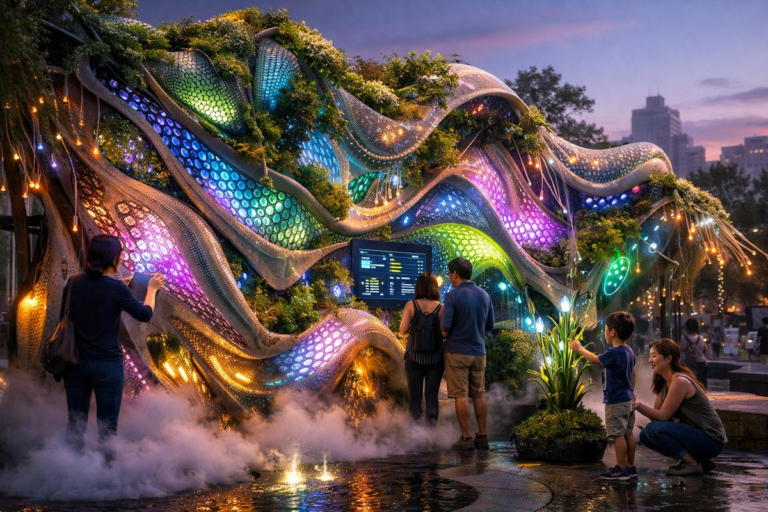
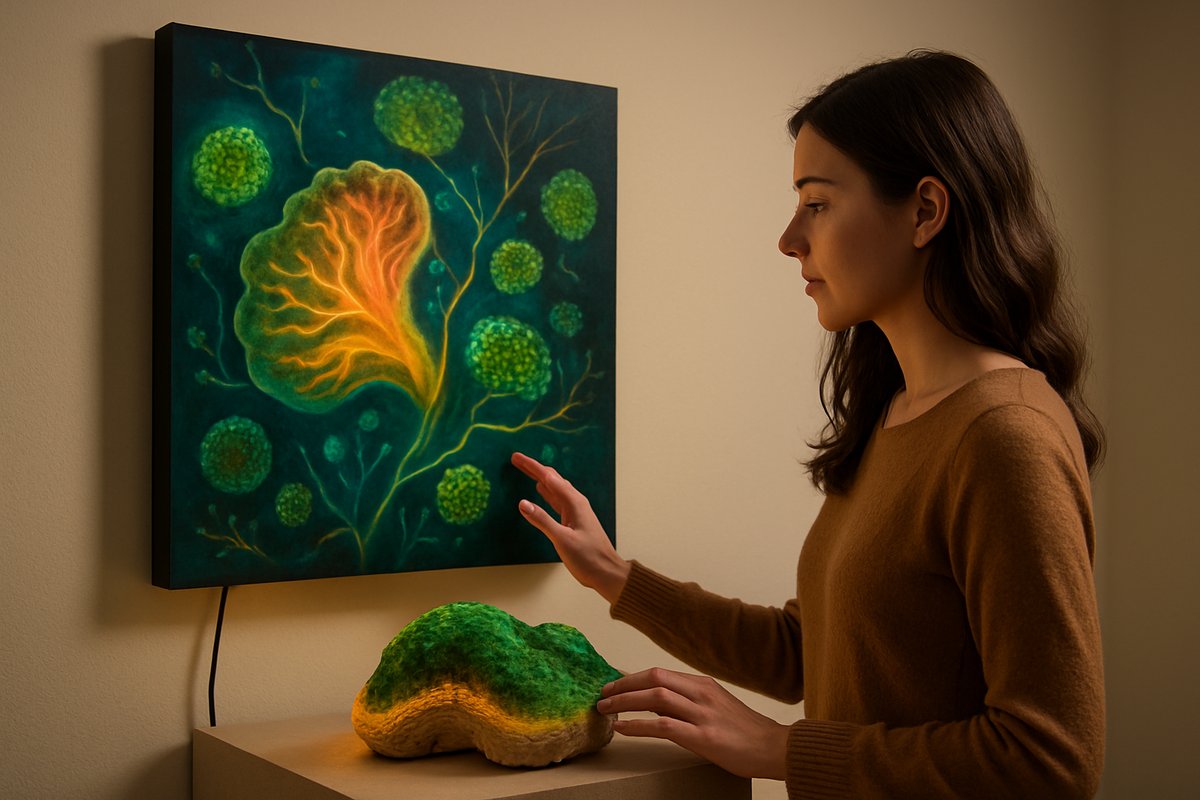
At the heart of this movement is a desire to reconnect viewers with the natural world through artistry that evolves in real time. Imagine a wall-sized canvas coated in bioluminescent algae, its light ebbing and flowing in response to changes in temperature or touch. Or picture a sculptural archway of sustainably harvested wood and biodegradable resin, its embedded pressure sensors triggering gentle LED pulses whenever someone steps beneath its curve. These works do more than decorate a space-they spark curiosity and empathy, inviting participants to become co-creators in a dynamic relationship with living materials.
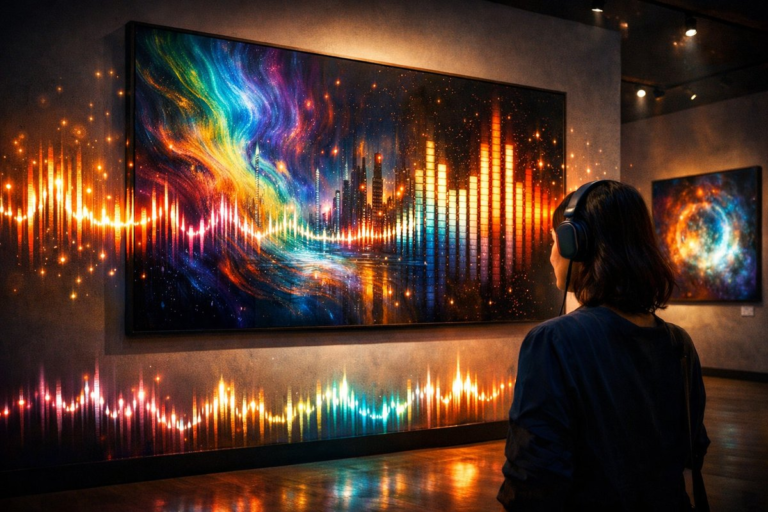
The experimental terrain of bio-art has expanded beyond laboratory curiosity into accessible practice. Small teams of artists now share open-source code for microcontrollers that regulate water flow in hydroponic planters integrated into 3D-printed forms. In one community workshop, attendees assemble modular planter blocks, insert seedlings of edible herbs, and wire simple conductivity sensors to track soil moisture. As the seedlings flourish under carefully calibrated lighting, the data streams to a central display, translating real-time plant health into shifting color gradients and soundscapes.
This melding of ecological concerns with technological flair reflects a growing ethos of sustainability in art and design. Creators are sourcing non-toxic bio-inks made from algae extracts and food-safe dyes, avoiding harsh solvents in favor of water-based adhesives. Discarded electronic components find new purpose as node connectors in interactive networks. Even power hungry LEDs are replaced with low-energy alternatives and integrated with small solar panels or energy-harvesting films. The goal is to ensure that the artwork’s lifecycle-from material extraction to end-of-life disposal-adheres to responsible stewardship principles.
The philosophical underpinnings of living installations are as compelling as the visual spectacle. Influenced by systems thinking, these works view art as an emergent phenomenon-a pattern arising from feedback loops between organism, environment, and observer. Rather than imposing a fixed narrative, they cultivate open-ended experiences where each interaction generates unique outcomes. A succulent-based mural might sprout new leaves in shaded corners after being untouched for days, while the same plants wilt when crowds gather too closely, prompting viewers to reflect on balance and interdependence.
At a recent pop-up exhibition in an industrial loft, one piece invited participants to speak softly into funnel-shaped microphones embedded within a moss-covered platform. Their whispered words were converted into ultrasonic vibrations that coaxed dormant fungal networks to release faint bioluminescent glows, drawing an intimate connection between human voice and fungal life. The hushed environment encouraged reflective inquiry, as guests realized their presence literally shaped the artwork’s glow patterns.
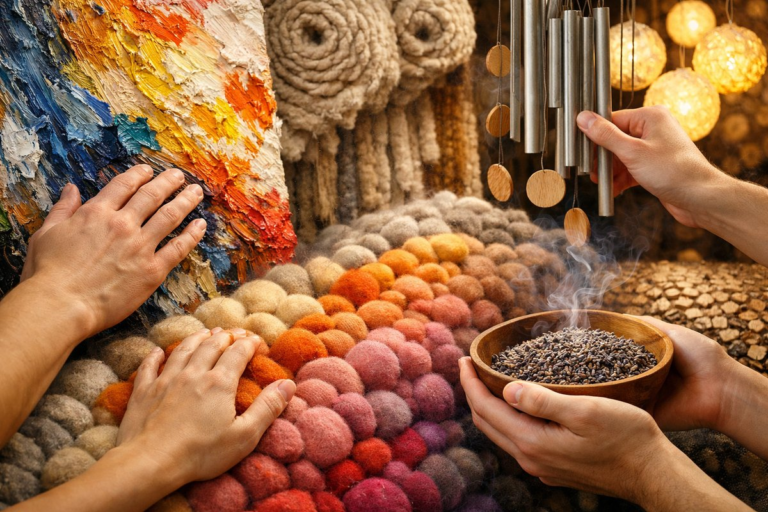
Behind each of these installations lies a toolkit of accessible materials and sensors. Programmable microcontroller boards provide the brainpower, running simple scripts that gather data from temperature probes, humidity sensors, and capacitive touch strips. Waterproof LED strips powered by rechargeable batteries bring color and movement. Biodegradable resins and 3D-printer filaments offer sculptural flexibility without long-term environmental cost. Hobbyists and seasoned professionals alike find inspiration in DIY kits that combine art supplies with electronics, proving that high-concept bio-art need not remain confined to elite laboratories.
For those eager to experiment at home or in the classroom, a basic living canvas can be assembled with a shallow tray, nutrient-rich gel, and a harmless strain of bioluminescent algae or glowing phosphorescent pigment. By wiring a low-energy light sensor or pulse sensor to a programmable board, it’s possible to have the “canvas” brighten or dim based on ambient light or a viewer’s heartbeat. Simple code tweaks allow budding creators to customize thresholds and effects, turning a once-passive surface into an interactive interface that pulses to the rhythm of life.
Critics might question whether such works stray too far from traditional notions of art. Yet advocates argue that interactive ecology-driven pieces amplify emotional intelligence by fostering empathy for other living systems. When people watch a delicate seedling droop under stress or greet a glowing mat of algae with reverence, they develop deeper awareness of fragility and resilience. In educational contexts, these installations become powerful teaching tools, bridging biology, environmental science, and design thinking in a hands-on, multisensory format.
Institutional support is growing alongside DIY enthusiasm. Several galleries and art centers now dedicate entire wings to kinetic botany exhibits, marrying curatorship with gardening expertise. Residency programs pair artists with microbiologists, offering lab access to culture cells and engineer responsive polymers. Grants from environmental nonprofits encourage projects that highlight climate change, water scarcity, and biodiversity loss through living mediums that literally react to shifting conditions.
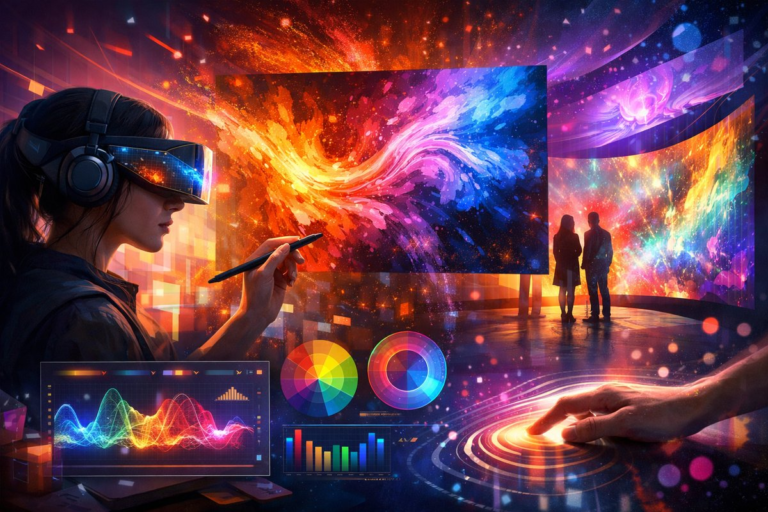
Looking forward, the horizon of living, interactive art extends into augmented reality overlays and networked ecosystems. AR glasses could superimpose data visualizations atop real-time plant growth, revealing hidden water flows or nutrient cycles. Remote sensors embedded in large-scale outdoor sculptures might relay climate data to cities, creating public displays that both educate and beautify. Collaborative networks of installations across multiple locations could form art-science “internet of things,” where each participant’s actions ripple across distant galleries in the form of changing light patterns or soundscapes.
Ethical considerations remain central to this evolution. Artists must navigate the fine line between experimentation and exploitation when working with living organisms. Consent-long a human-centric concept-now extends to microbial cultures and plant tissues, requiring protocols that ensure respect for life’s intrinsic value. Transparency about materials and processes builds trust with audiences who may harbor concerns about genetic modification or unintended ecological impact.
Ultimately, the convergence of biology, electronics, and sustainable craftsmanship heralds a paradigm shift in art and design. No longer confined to static forms, creations can inhabit fluid states, responding to touch, speech, and environmental cues. They invite deeper reflection on humanity’s relationship with nature, reminding us that art, like life, is a process of constant adaptation and renewal. By equipping curious minds with open-source tools and ethical frameworks, this movement nurtures a generation of makers who see creativity not as an act of dominion, but as a dialogue with the living world.