Location
Mount Vernon, WA 98274

Location
Mount Vernon, WA 98274
Across living rooms and digital platforms, fresh currents are reshaping how we work, rest, and connect. From soundscapes that blur focus and relaxation to furniture that flexes with ever-shifting needs, these emerging signals reveal a deeper craving for balance in an on-demand world.
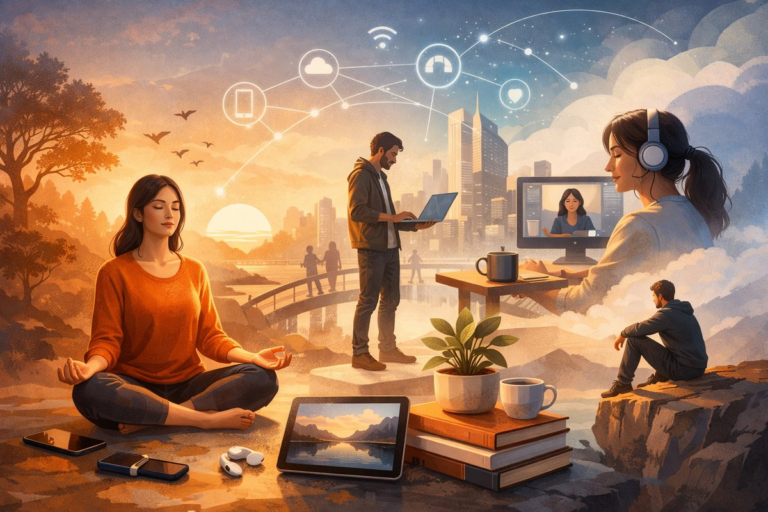
In living rooms and home offices around the globe, a subtle tide is rising. As devices hum and notifications blink, people are reconfiguring their spaces and routines to find a rhythm that blends productivity with well-being. What once felt like a forced trade-off between work and personal life is now giving way to a hybrid choreography-one that honors the sensory, the analog, and the digital all at once. These aren’t just isolated experiments; they’re the outlines of broader social phenomena that point to where daily life is headed next.
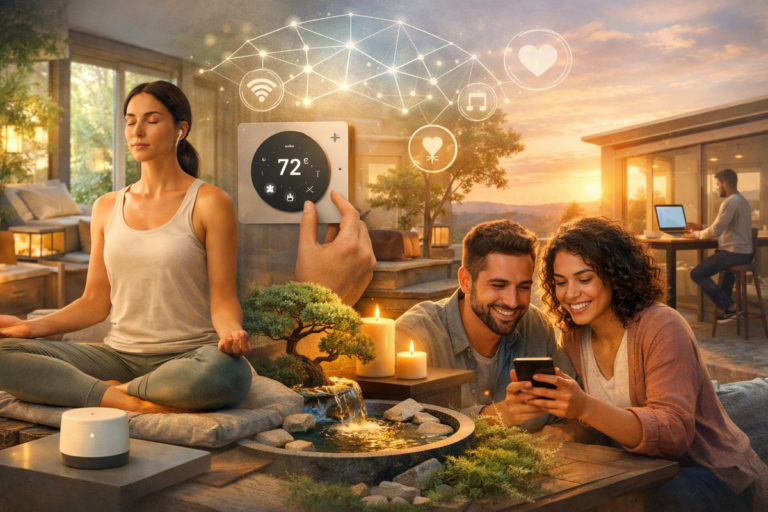
Take the home itself. Walls once dedicated to paperwork or streaming entertainment are now serving multiple roles. In one neighborhood, a former guest room has been transformed into a modular zone where shelves on wheels and fold-away desks slide effortlessly aside to make room for morning yoga sequences or evening sound-bath sessions. In another building, tenants share communal corners outfitted with soft lighting, lounge cushions, and racks of board games-spaces designed specifically to counterbalance the hours spent on video calls. These micro-sanctuaries are signals of a growing impulse: environments that can pivot as quickly as our attention does.
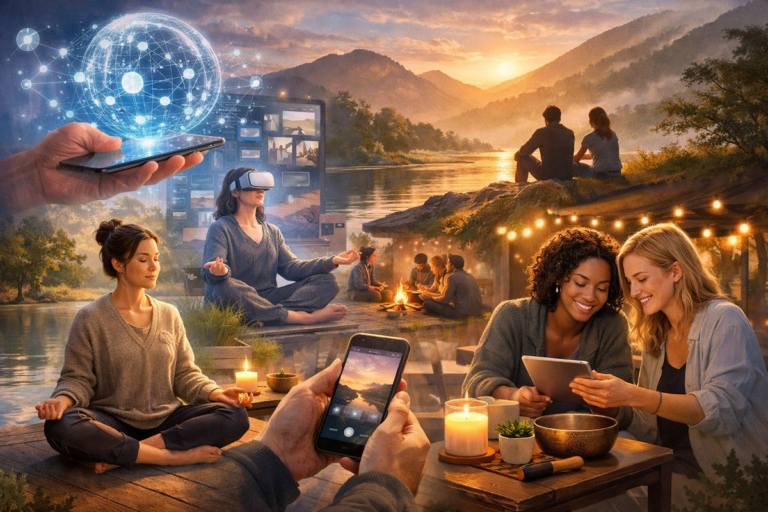
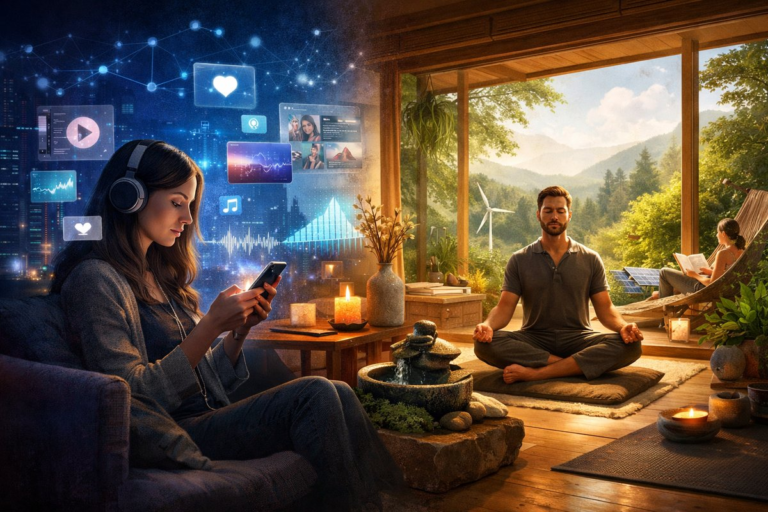
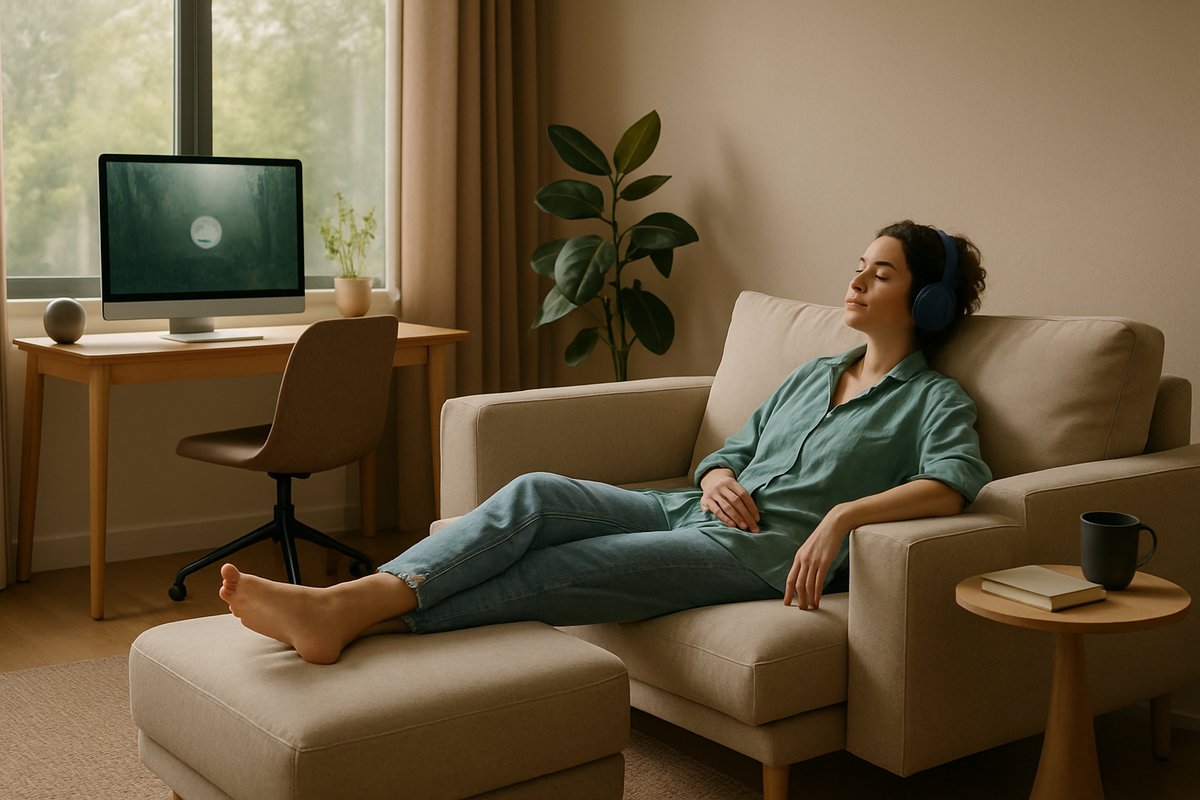
Sound has emerged as a surprisingly potent tool in this reshaping. A recent global lifestyle survey revealed that more than half of adults now stream ambient audio-lo-fi beats, nature recordings or guided sound journeys-while tackling tasks or winding down. Online platforms offer collaborations where artists craft generative soundscapes in real time, and virtual “listening parties” bring people together for communal relaxation. The popularity of unhurried, low-volume soundtracks underscores a collective need to modulate stimulation instead of abolishing it outright.
Yet this audio awakening goes beyond mere background noise. It has fostered communities built around audio journaling-private recordings that chart emotional highs and lows, creative musings or micro-poems. Small online cohorts exchange snippets of voice memos rather than text, forging a sense of intimacy in an era when typed words can feel cold. As these practices ripple outward, they redefine our relationship with sound: no longer just entertainment or distraction, but a bridge between inner life and shared experience.
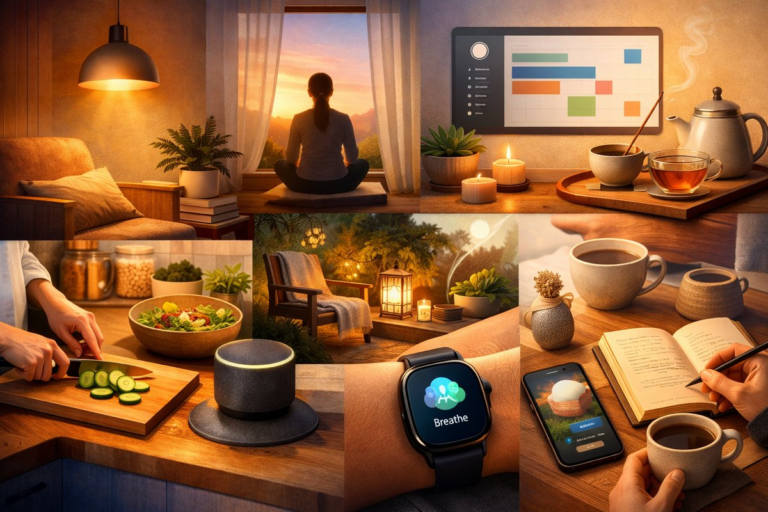
Parallel to these digital-sensory shifts, there’s a revival of slow rituals. Pour-over coffee, once a niche barista craft, has become a morning ritual in home offices worldwide. The methodical pace of weighing beans, heating water and timing each pour invites a moment of mindfulness before screens flicker to life. Analog journaling-sketching ideas on paper or organizing tasks in a dyed-leather notebook-has also seen a resurgence, with stationery shops reporting double-digit growth in demand for fountain pens and sticky tabs. These gestures aren’t nostalgic escapes; they’re deliberate counterbalances to the scroll-and-swipe lifestyle, anchoring attention in tangible, tactile acts.
Furniture and storage systems are adapting to the same impulse. Modular shelving, stackable bins and convertible seating now dominate design expos, promoted for their ability to evolve alongside changing routines. One fast-growing startup delivering on-demand furniture swaps allows renters to exchange a desk for a meditation cushion within days. Meanwhile, digital organizers that mirror these physical systems have climbed app-store rankings: interactive whiteboards, drag-and-drop task boards and minimalist habit trackers all promise a streamlined experience for those juggling multiple roles.
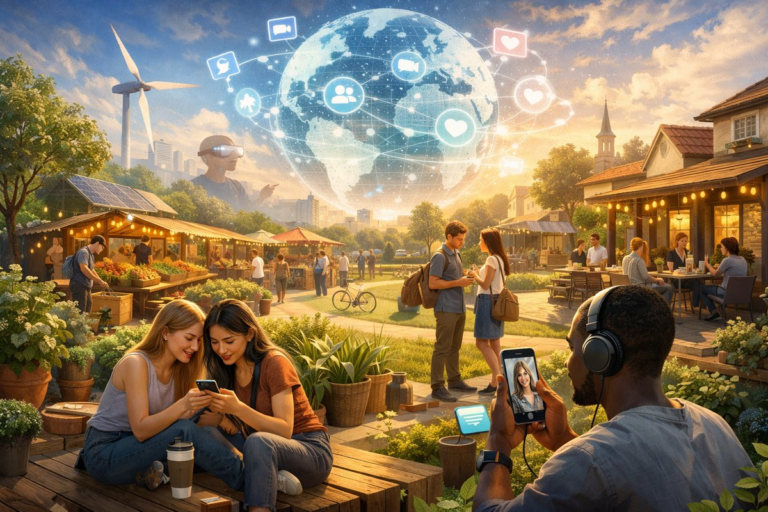
At the same time, more people are seeking micro-local adventures. With busy schedules and travel uncertainty still fresh in collective memory, short pop-up nature retreats are sprouting in city outskirts, offering forest-bathing sessions or star-gazing camps that last less than 48 hours. Urban residents joining neighborhood walking circles peek into empty lots transformed into art installations or guerrilla gardens. These ephemeral events feed a desire to re-root oneself, even if only for a sunrise or a stretch of moonlit asphalt.
Taken together, these patterns hint at a profound shift: the blending of analog and digital, of quick-change adaptability and steadied mindfulness. They invite us to reconsider how every flick of a switch, every playlist and every fold-away piece of furniture adds up to the quality of daily life. And they remind us that trends aren’t just superficial waves, but signals of deeper yearnings-for freedom within structure, for community in solitude and for meaning amid the constant hum of the connected world.
As these currents continue to deepen, they’ll shape not just how we decorate or automate our homes, but how we understand presence itself. The emerging stories of ambient audio sanctuaries, slow-down rituals and modular living offer a blueprint for living that feels both flexible and grounded-a pattern in motion that invites everyone to join the dance.