Location
Mount Vernon, WA 98274

Location
Mount Vernon, WA 98274
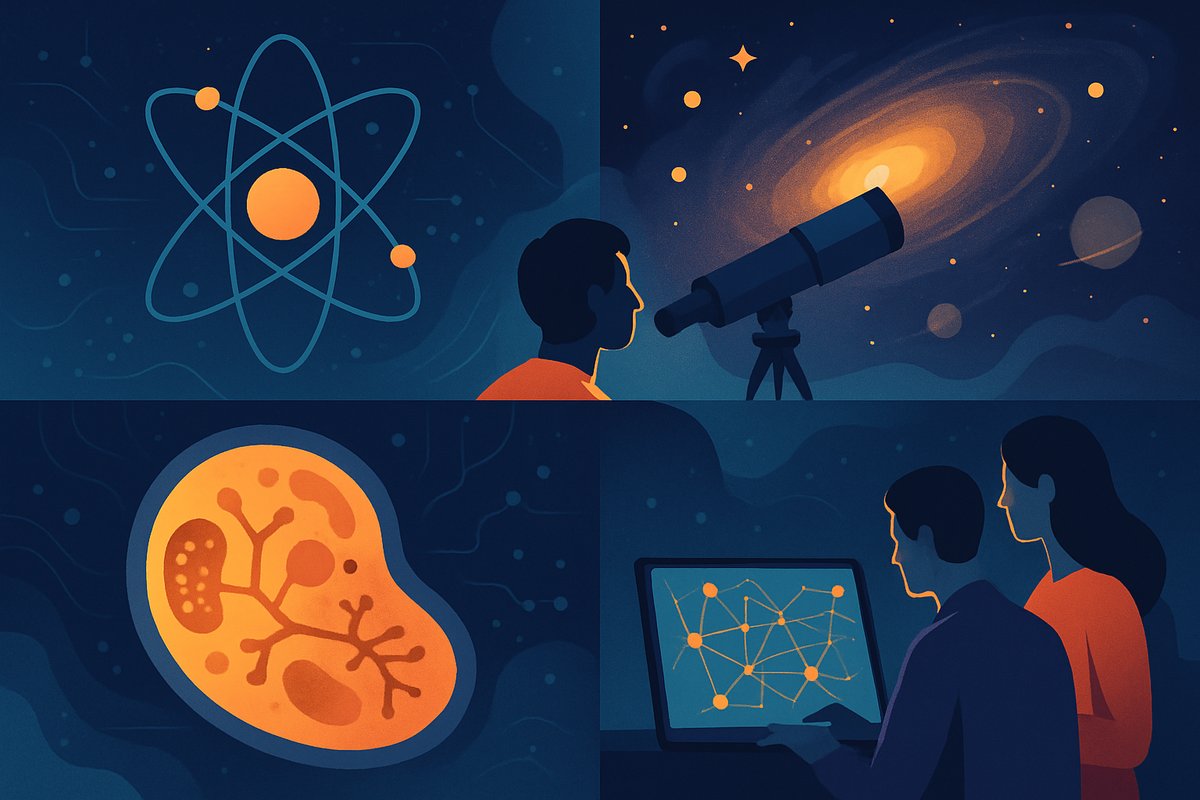
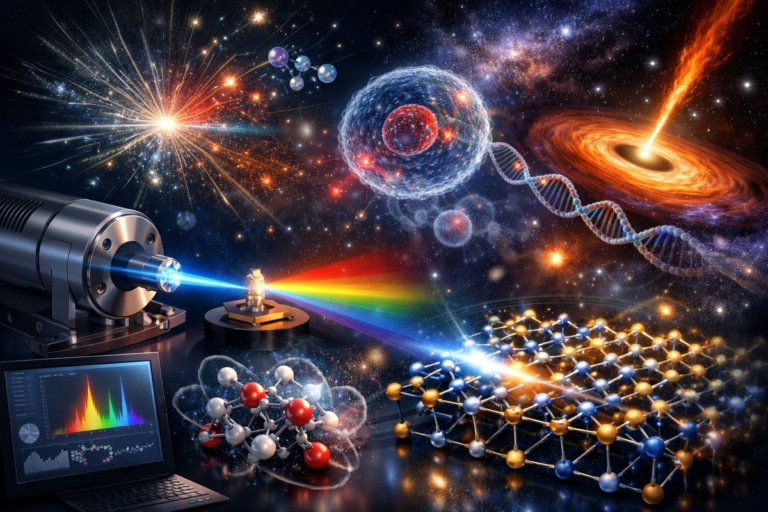
Science today transcends traditional boundaries, weaving insights from subatomic particles to star systems and from cellular pathways to societal networks. A new era of integrated research unites quantum sensors, AI-driven mapping, and citizen science campaigns-inviting everyone to explore the hidden patterns that shape our world.
In laboratories, observatories, and community centers around the globe, scientists are no longer confined to a single scale of inquiry. Recent initiatives have blurred the lines between physics, biology, ecology, and sociology-creating a unified approach to understanding complex systems. From quantum sensors that detect minute magnetic fluctuations to vast telescope arrays that chart the expansion of the universe, researchers are stitching together observations across orders of magnitude. Their goal: to reveal emergent patterns that neither discipline could uncover alone.
Quantum Sensors Illuminate Biological Processes
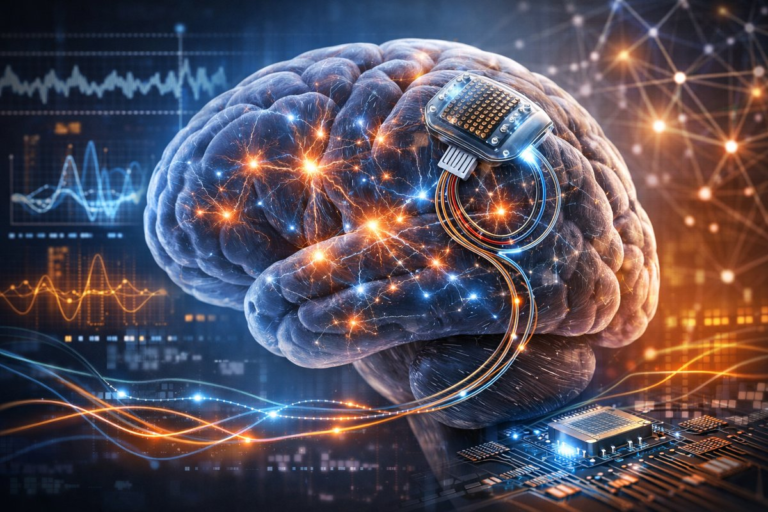
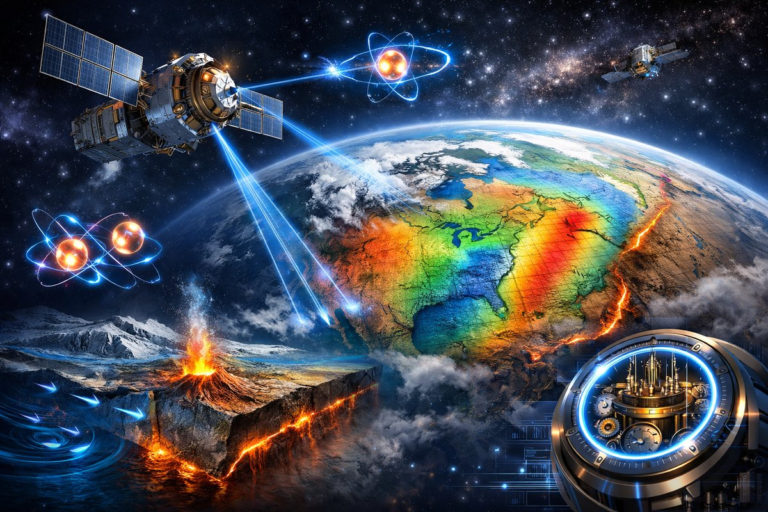
Advances in quantum technologies have delivered sensors so sensitive they can pick up the faintest magnetic fields produced by individual neurons, molecules, and even geologic formations. In one collaborative project, physicists and neuroscientists deployed nitrogen-vacancy diamond sensors to track real-time activity in living cells without damaging them. This noninvasive probe monitors ionic currents inside neurons with nanometer precision, offering fresh clues about how memory and perception arise from electrical impulses.
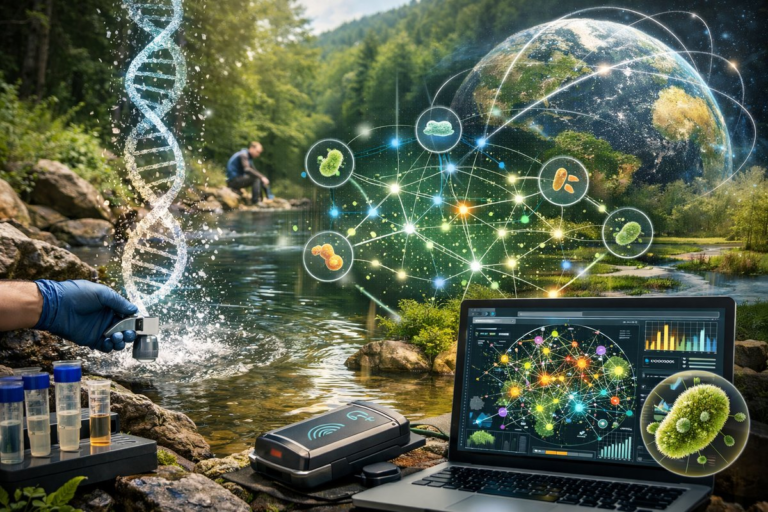
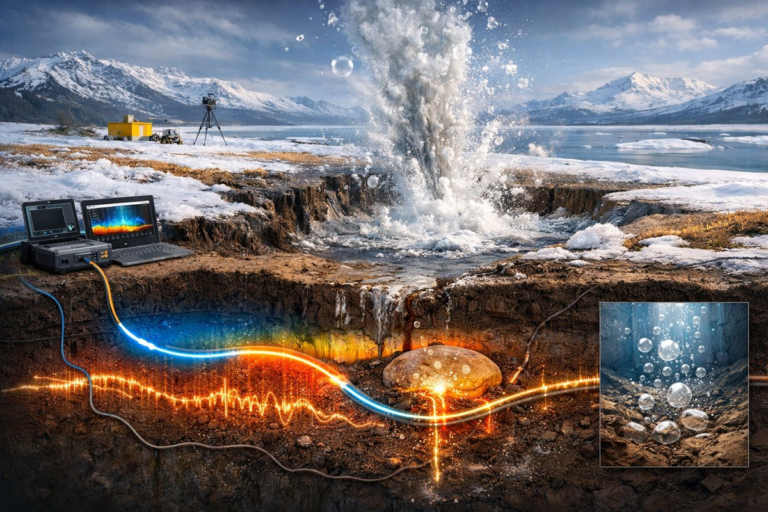
Meanwhile, ecologists have begun using similar devices to map subterranean water flows in fragile watersheds. By capturing minute changes in Earth’s magnetic field, researchers can identify hidden aquifers and detect early signs of contamination. This information empowers local communities to manage water sustainably, blending high-end physics instrumentation with grassroots conservation efforts.
Pioneering the Human Cell Atlas-and Beyond
Simultaneously, the Human Cell Atlas initiative continues to expand our knowledge of cellular diversity by cataloging every cell type in the human body. Leveraging high-throughput sequencing, spatial transcriptomics, and AI-driven image analysis, teams have already identified novel cell populations in the lung, gut, and brain. These discoveries are illuminating disease mechanisms-from neurodegeneration to cancer-by revealing how tiny changes in gene expression ripple outward into tissue-level dysfunction.
Inspired by this success, a new consortium is forming to create an “Ecosystem Cell Atlas,” aiming to characterize the microbial and cellular communities in soil, freshwater, and ocean environments. By comparing gene-expression patterns across different habitats, ecologists hope to predict how ecosystems respond to climate change, pollution, and habitat loss-bridging the gap between microscopic processes and global environmental health.
AI and Big Data: Uniting Scales in a Digital Framework
At the heart of this multiscale revolution lies artificial intelligence. Platforms originally designed for protein-folding predictions now assist astronomers in cataloging billions of celestial objects. Neural networks trained on cosmic microwave background datasets can spot anomalies that hint at new physics, while the same underlying algorithms analyze cellular images to detect early-stage tumors with greater accuracy than radiologists.
Data-sharing protocols have grown increasingly robust too. Open platforms enable real-time collaborations between remote laboratories, citizen scientists, and industry partners. Initiatives like the Global Open Science Cloud leverage blockchain-based timestamping to ensure provenance and immutability, safeguarding the integrity of massive, interdisciplinary datasets. This transparency accelerates discoveries while maintaining high standards of reproducibility.
Citizen Science: Democratising Inquiry
Science is no longer exclusive to credentialed researchers. Community-driven projects are harnessing smartphones, low-cost sensors, and DIY microscopes to gather environmental and health data at unprecedented scales. In one urban pilot, local volunteers deploy portable air-quality monitors on bicycles to map pollution hotspots in real time. The aggregated data informs city zoning decisions and shapes policies to reduce emissions.
Similarly, amateur astronomers contribute to surveys of near-Earth asteroids using small telescopes and cloud-based image analysis. Their observations help refine orbital models and assess impact risks, demonstrating that a global network of backyard observers can play a vital role in planetary defense. These citizen-driven efforts underscore the inclusive spirit of modern science: curiosity-driven exploration that empowers anyone with an inquisitive mind and a willingness to learn.
Societal Networks as Living Laboratories
Beyond physical phenomena, researchers are applying the same multiscale lens to social systems. By integrating cell-phone mobility data, social-media patterns, and public-health records, sociologists and epidemiologists can model the spread of ideas, behaviors, and diseases. During recent outbreaks, these digital tools provided early warnings of emergent hotspots and guided targeted interventions-saving lives and resources.
Machine-learning models originally developed for galaxy classification are now repurposed to cluster social-network graphs, revealing communities bound by shared interests or vulnerabilities. Public-policy experts use these insights to craft more effective outreach programs, from vaccination campaigns to disaster-response efforts. In essence, society itself becomes a living laboratory, where feedback loops between data and policy refine our collective resilience.
Sustainability at the Intersection of Scales
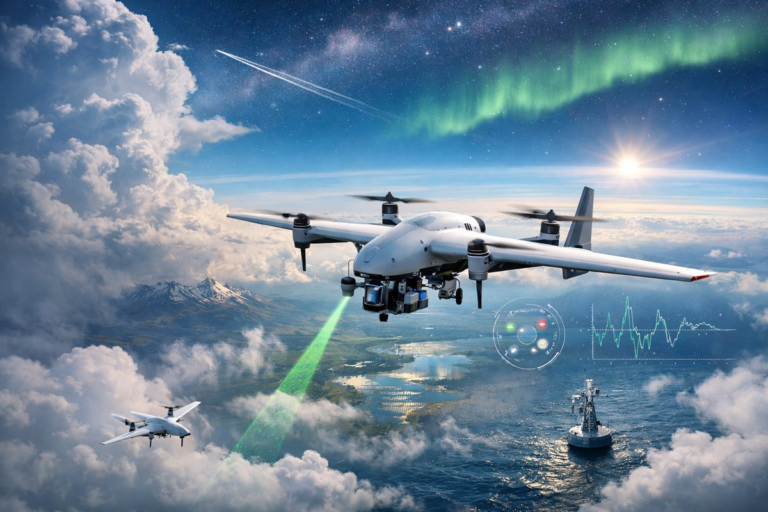
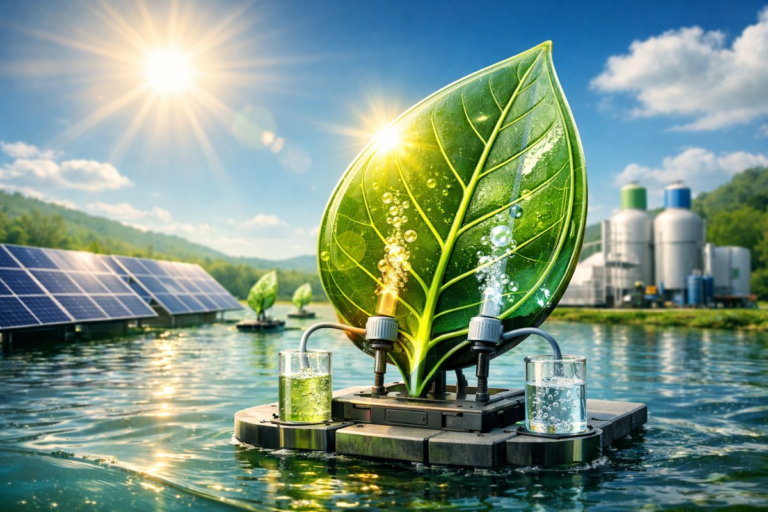
Perhaps the greatest promise of multiscale science lies in tackling sustainability challenges. Integrating quantum sensors, cellular mapping, and socio-economic analysis creates a feedback-rich environment for real-time monitoring of ecological health. For example, precision agriculture systems now combine soil-microbe profiles with drone-based imaging to optimize crop yields while minimizing water use and fertilizer runoff.
Coastal regions are piloting integrated sensor arrays-measuring ocean temperature, acidity, and biomass-alongside local fishermen’s reports to manage fisheries more sustainably. This approach ensures that policies reflect both high-resolution scientific data and the lived experience of communities, forging equitable pathways toward environmental stewardship.
Charting the Future: Integration and Ethics
As scales converge, so do ethical considerations. Who owns the data generated by citizen scientists? How do we ensure equitable access to cutting-edge tools? Interdisciplinary ethics boards are now as common in research institutions as IRBs were in the past. They evaluate the societal impact of dual-use technologies-whether a quantum sensor can detect illicit nuclear activity or diagnose medical conditions, and how that information should be governed.
Maintaining privacy, fostering trust, and promoting inclusion are essential pillars for the next wave of discoveries. Workshops on sustainability, data equity, and open science practices are becoming mandatory components of doctoral training programs. Through these measures, the scientific community seeks to balance bold exploration with respect for individual rights and collective well-being.
From quantum quirks to galactic arcs, from single cells to entire societies, modern science is no longer siloed. It’s an expansive tapestry of interconnected research, weaving insights across scales to illuminate the forces that shape our universe and our lives. In this playground of curiosity, precision, and awe, the only limit to discovery is our willingness to look beyond disciplinary boundaries-and to work together across the vast spectrum of the seen and the unseen.