Location
Mount Vernon, WA 98274

Location
Mount Vernon, WA 98274
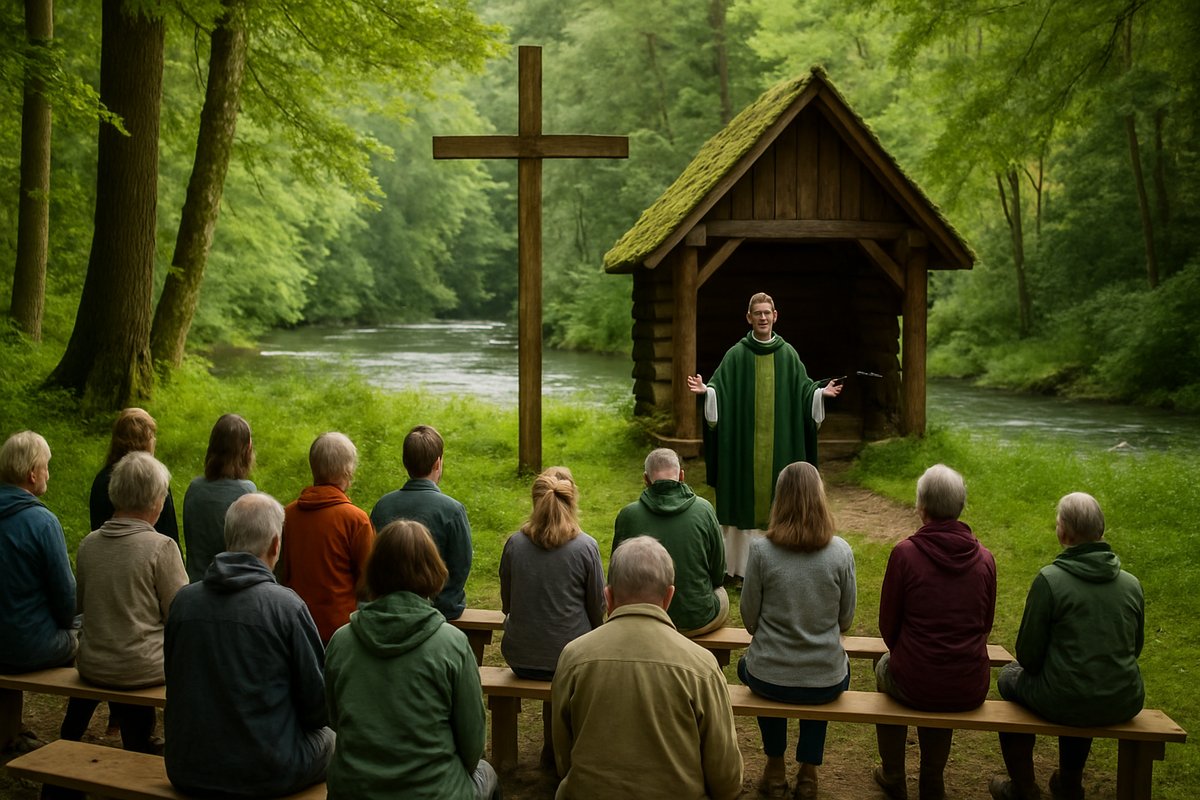
Across denominations, congregations are integrating ecological stewardship into worship through guided nature retreats. From forest chapel services to riverside prayer vigils, these green pilgrimages blend spiritual practice with a commitment to caring for creation.
In recent seasons, a quiet movement has taken root among Christian communities worldwide: the green pilgrimage. Far from a traditional church basement gathering, these outdoor retreats invite participants to step into creation as a sacred classroom. Across forests, wetlands, and riversides, worshippers are discovering renewed spiritual energy and an embodied call to environmental responsibility.
Many denominations cite biblical precedents for blending nature with faith. Psalm 19 declares that the heavens declare God’s glory, while Jesus’ parables often unfold in fields, vineyards, or beside the sea. Yet for decades, much Christian worship has been confined to brick and mortar. Now, congregations large and small are reclaiming the outdoors as a venue for prayer, scripture study, and communal reflection on humanity’s role as stewards of the earth.
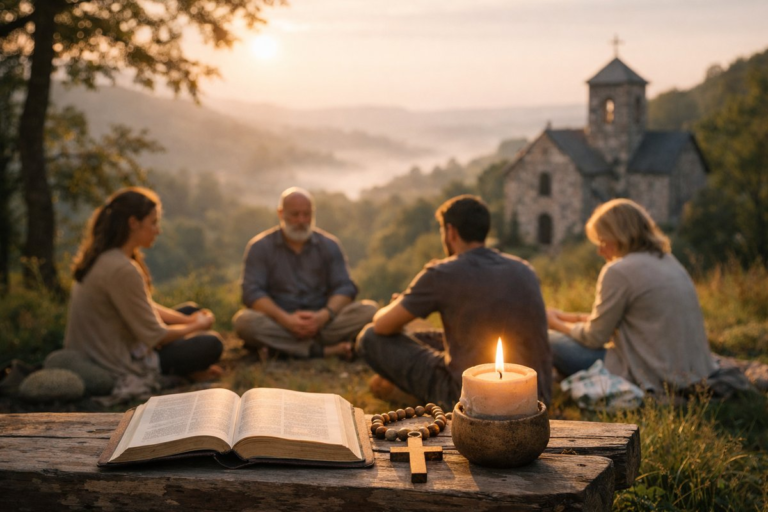
One notable initiative comes from an ecumenical partnership between local churches and A Rocha, an international conservation organization. Over a series of weekend retreats, small groups gather in wooded nature preserves to practice guided silence, lectio divina under centuries-old oaks, and communal service projects like native tree planting. Each morning begins with a dawn chorus of birdsong, promising a stark contrast to alarm clocks and traffic noise.
“When we sit in a circle by the riverbank, half of our eyes on scripture and half on flowing water, something shifts,” explains Reverend Claire Thompson, coordinator of the Green Pilgrimage Network. “Participants tell us they experience prayer not just as words but as every breath they draw in the forest air.”
In another model, the Catholic Diocese leading the Laudato Si Action Platform has hosted multi-day camps on rural retreat centers. Attendees trace connections between climate change data, the pope’s encyclical on creation care, and hands-on ecological projects. Sessions include analysis of carbon footprints, interactive workshops on pollinator gardens, and evening vespers celebrated beside a solar-powered lantern. The diocese reports an uptick in local parish climate task forces following each retreat.
Protestant congregations are also embracing the trend. A rural Methodist church in Michigan converted a disused barn into an outdoor classroom, complete with composting toilets, rainwater collection, and wildflower meadows for worship gatherings. “Our goal was to root our faith in both ancient liturgy and modern sustainability,” says Pastor David Nguyen. “It’s about holy soil, not just holy words.”
These retreats are not solely focused on environmental action. Many programs integrate personal reflection and testimony. During one Appalachian forest pilgrimage, participants shared stories of grief, loss, and renewal around a crackling campfire. Those moments of vulnerability, held within a natural amphitheater of towering pines, forged deep bonds and a renewed sense of communal care.
Scripture study in this context takes on fresh contours. Instead of a fluorescently lit fellowship hall, readers pore over the Creation narrative at the base of a sandstone cliff. Under the guidance of a biblical scholar, they explore metaphors of water and wilderness with one hand on the cool stone and another on an open Bible. Observers note that these immersive explorations spark new insights-passages about seed-scattering feel urgent when surrounded by wildflowers, and themes of exile resonate amid rugged hills.
Yet logistical challenges abound. Organizers must secure liability insurance, arrange accessible trails for older participants, and provide eco-friendly lodging options. Many retreat centers now partner with outdoor outfitters to source tents made from recycled materials, solar showers, and compostable utensils. Some congregations pool resources to charter buses, minimizing carbon emissions while ensuring safe transport for large groups.
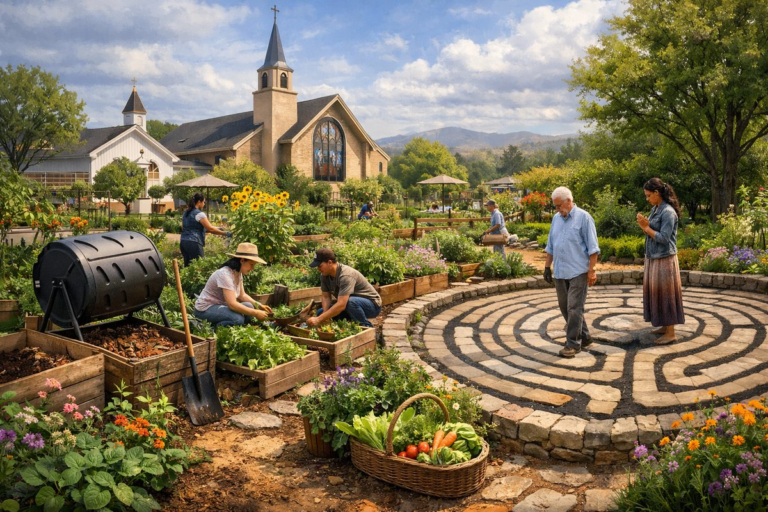
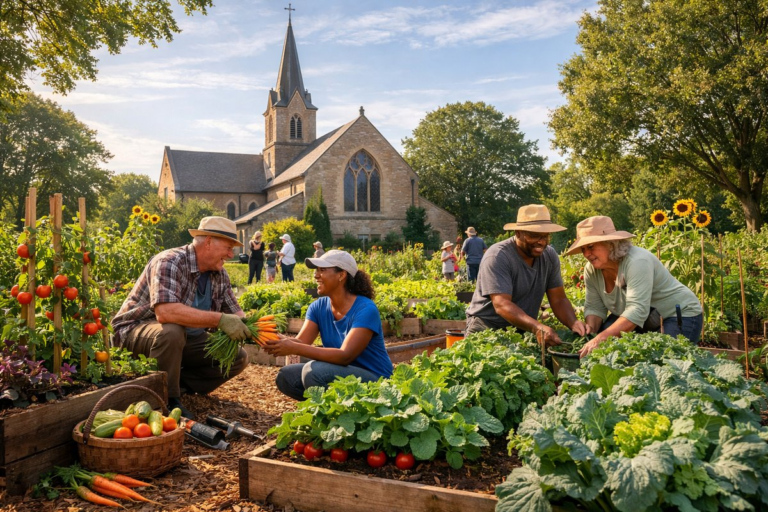
Despite the planning hurdles, demand is rising. Interfaith Power & Light, an organization bridging faith communities and climate advocacy, reports a 40 percent increase in inquiries about faith-based nature programs. A recent survey of church leaders in the United Kingdom found that nearly two-thirds anticipate launching a green retreat within the next year. In urban centers, community gardens and rooftop chapels are extending the green pilgrimage concept to city dwellers longing for fresh air and soil beneath their feet.
Participants often describe a dual awakening: a deeper connection to God’s presence in creation, and a sharpened awareness of ecological crisis. “I used to see my environmental convictions as separate from my spiritual life,” says retreat alumnus Rosa García. “Walking through a wetland at sunrise, praying Psalm 104, I realized caring for creation is an act of worship.”
As the movement grows, some leaders envision a network of permanent stations-green chapels in forests, prayer benches along rivers, and pilgrimage paths marked by scripture stones. These sites would offer pilgrims year-round access, from silent winter meditation to summer river baptisms. Such infrastructure could anchor local economies through eco-tourism and foster partnerships with conservation groups.
Critics caution against romanticizing wilderness without acknowledging social and cultural complexities. Ensuring that retreats are welcoming to people of all backgrounds, abilities, and economic means requires intentional design. Language access, dietary accommodations, and respect for regional land stewardship traditions must inform every planning stage.
Still, the central message resonates: faith and sustainability are intertwined paths. By kneeling beside a stream or tracing roots in a meadow, believers are reminded that the Creator’s handiwork deserves reverence and protection. These green pilgrimages offer more than a weekend away; they propose a blueprint for worship that extends beyond church walls and into the living earth. And for many, that integration of prayer, community, and creation care represents a quiet courage-an embodied witness to the Gospel’s call for renewal.
As congregations continue to chart this frontier, one thing is clear: the coming seasons will see more trails lined with prayer stones, more riverside vesper services, and more hearts stirred by the intersection of faith and ecology. The green pilgrimage is not a fad but a reclaiming of ancient rhythms, inviting Christians to rediscover God’s presence in every leaf, every brook, and every sunrise.