Location
Mount Vernon, WA 98274

Location
Mount Vernon, WA 98274
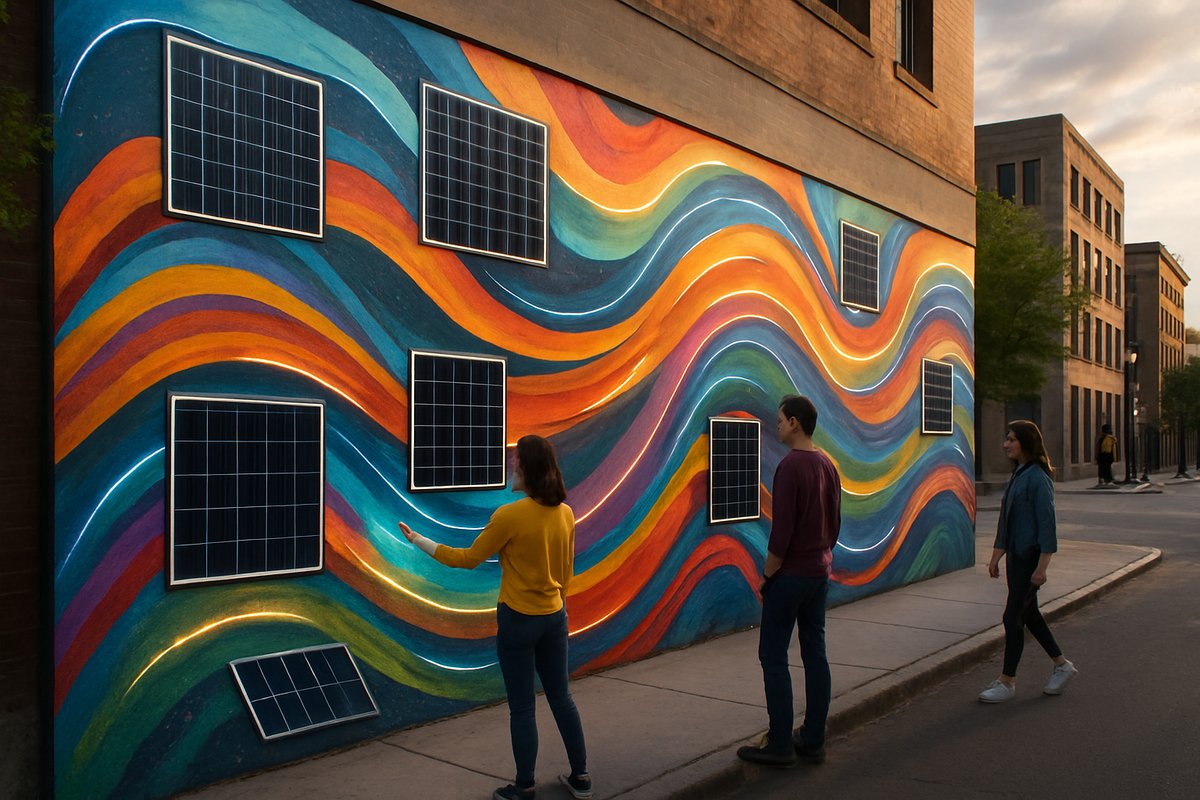
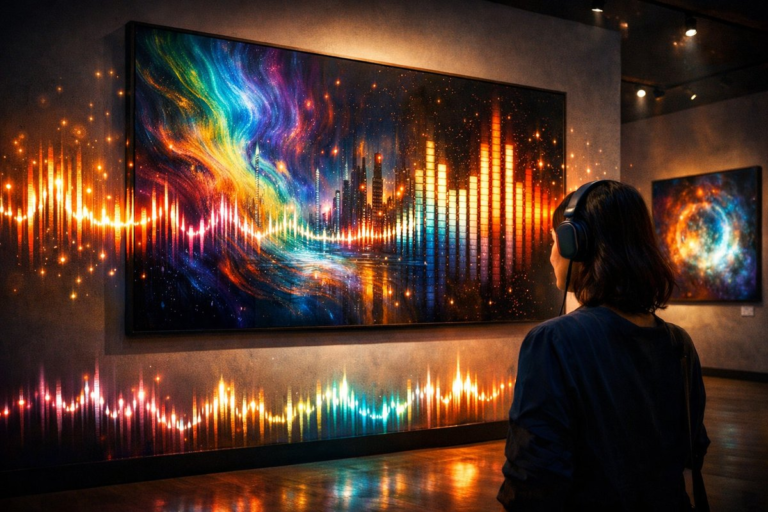
A wave of solar-responsive public art is transforming city streets into dynamic, energy-harvesting galleries. By combining photovoltaic panels, weatherproof LEDs, microcontroller sensors, and eco-friendly materials, artists are crafting murals that pulse, shift, and respond to environmental cues and community interaction.
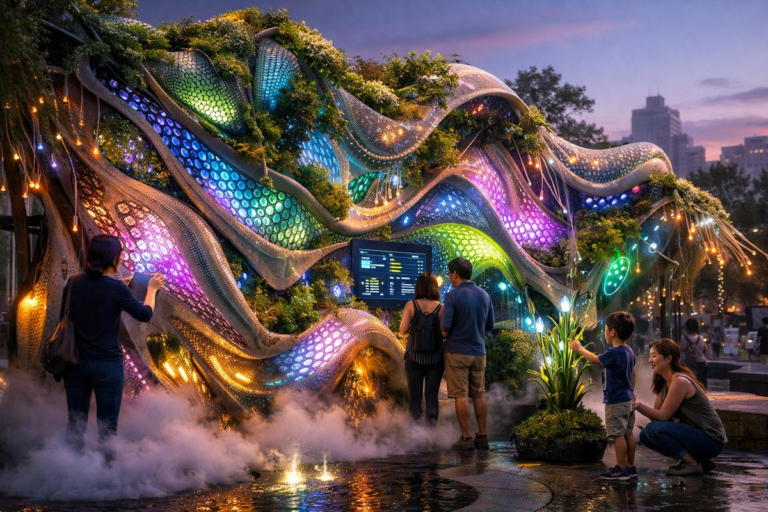
In cities from the rust belt to the Pacific Northwest, a new breed of public art is emerging-murals and installations that not only adorn blank walls but also generate and consume renewable energy. These “living light walls” merge photovoltaic technology with interactive design, using solar panels, LED modules, microcontrollers, and biodegradable materials to create artworks that evolve with the weather, movement, and time of day.
At the heart of this movement is a small collective of designers and solar engineers known simply as SunBrush. In one of their flagship projects, a 50-foot mural along a pedestrian underpass was coated with translucent solar cells embedded into custom paint. By day, the wall appears as an abstract gradient of crimson and amber. By night, more than 300 meters of weatherproof LED strips pulse in patterns guided by foot traffic and ambient humidity. Sensors embedded beneath the mural capture environmental data-light levels, temperature, pedestrian flow-and feed it into an open-source microcontroller. The result is a constantly shifting display that tracks the heartbeat of the neighborhood.
“It’s about forging a new dialogue between residents and their surroundings,” says one of the SunBrush designers. “When someone uses their body heat to trigger a wave of light or sees the colors deepen after a rainy afternoon, they feel part of something alive.”
Beyond its poetic appeal, this form of art offers practical benefits. The same solar cells that power the LEDs also supply surplus energy to nearby streetlights and EV charging stations. In one demonstration, the underpass installation generated enough electricity over a month to light three streetlamps for a full evening. Local officials have noted a drop in maintenance costs for lighting, while the interactive attraction draws foot traffic back into once-neglected areas.
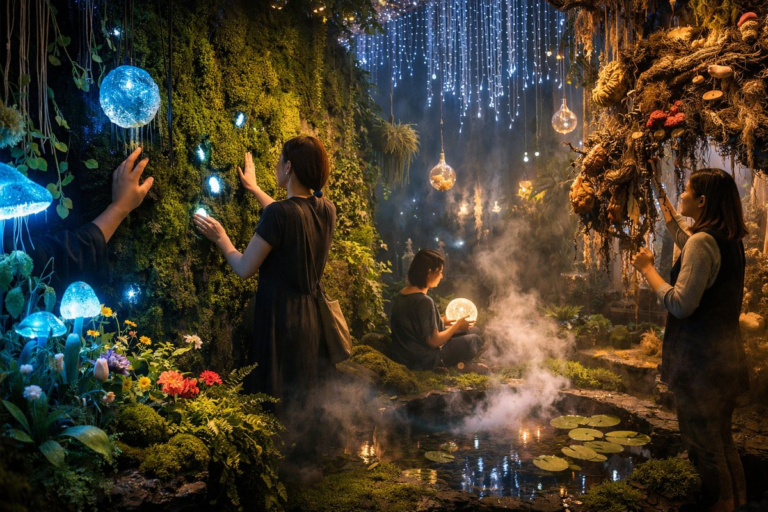
Meanwhile, another project known as “Rain Resonance” in a waterfront arts district explores the interplay of water and light. A network of micro-weather sensors monitors precipitation intensity and droplet size. Each downpour triggers pixelated ripples across a mosaic of embedded LED nodes, recreating the pattern of raindrops in real time. The sensor housings and mounting brackets for this piece were printed on-site using eco-PLA filament-an algae-based polymer that decomposes harmlessly if it detaches from its fixture.
The popularity of Rain Resonance has inspired community workshops, where participants learn to assemble their own sensor modules and program simple light patterns using drag-and-drop visual coding tools. These workshops have doubled as informal job-training sessions for local youth, equipping them with skills in 3D printing, basic electronics, and sustainable design.
Technical advances have made these installations more accessible than ever. Off-the-shelf microcontrollers with wireless connectivity allow artists to tap into open data streams-air quality indices, noise levels, even social media sentiment-to create artworks that respond to broader urban rhythms. Solar panel efficiency has climbed above 25 percent for certain thin-film cells, and battery storage options now offer compact modules capable of powering LED arrays for hours without direct sunlight.
Weatherproof LEDs and modular wiring systems simplify installation and maintenance. Many artists now rely on standardized IP65-rated components, which withstand rain, dust, and temperature extremes. These modules clip together like building blocks, enabling designers to experiment with scale and curvature without worrying about water intrusion or corrosion.
In one coastal town, a repurposed shipping container hosts an interactive façade that tracks wind speed. Anemometers mounted on the roof feed data to a ring of addressable LEDs circling the container’s exterior. When gusts reach moderate strength, ribbons of light spiral outward in ever-faster pulses. During calm periods, a steady glow of cool blues and greens evokes the town’s shoreline heritage.
Project organizers credit several factors with the rapid growth of this genre. First, crowdfunding platforms and local arts councils have warmed to the idea of renewable-energy art, offering grants specifically earmarked for projects that combine creative expression with sustainability goals. Second, advances in solar and LED technology have driven down costs, making it feasible for even small community groups to experiment. Finally, an ethos of open-source collaboration has flourished, with artists sharing code repositories, hardware schematics, and installation guides on public forums.
Yet challenges remain. Securing permits for power-generating artwork can be complex, as municipal codes are often geared toward fixed infrastructure rather than kinetic installations. Maintenance teams sometimes struggle to troubleshoot sensor failures or replace weather-damaged nodes without specialized training. And in regions with limited sunlight, artists must balance aesthetic ambitions with realistic performance expectations, often augmenting solar generation with backup grid connections.
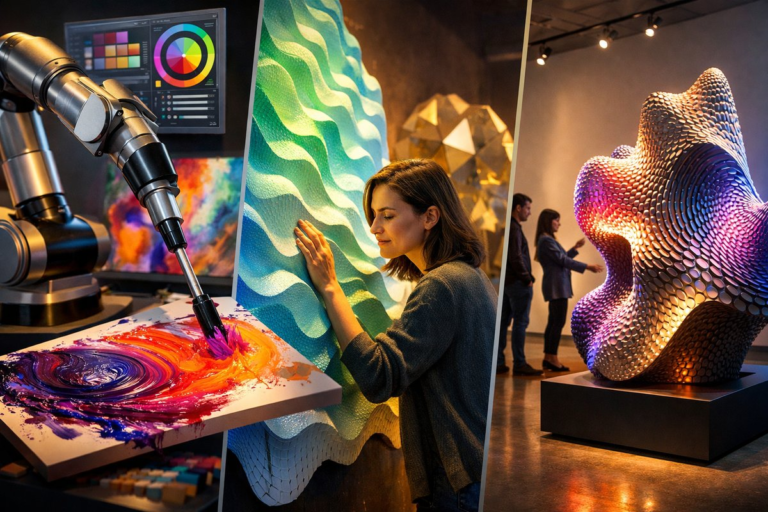
To address these hurdles, some nonprofits have begun offering residencies that pair artists with renewable-energy engineers. These programs provide access to fabrication labs equipped with 3D printers, metal workshops, and electronics benches. Residents collaborate on everything from custom solar-cell integration to adaptive storage solutions, ensuring that installations perform reliably through seasonal shifts.
Looking ahead, experts predict the integration of machine-learning algorithms that can refine light patterns based on long-term data trends-tuning color palettes to seasonal changes in foliage or adjusting brightness in response to historical crime statistics. Others envision distributed art networks, where multiple murals communicate wirelessly, creating coordinated light shows across entire neighborhoods.
There’s also growing interest in harnessing kinetic energy. Sidewalk tiles outfitted with piezoelectric sensors could harvest power from footfalls, feeding additional juice into interactive floors or adjacent light walls. Rainwater collection trays might channel water through micro-turbines, contributing to both environmental education and energy generation.
Beyond technology, the most profound shift is philosophical. These installations challenge the notion that art is a static object viewed at a distance. Instead, they invite passersby to become co-authors, their movements and the environment itself shaping the ever-evolving canvas. In a world where screens dominate our attention, living light walls reclaim the urban landscape as a place for shared wonder.
As more cities embrace pilot projects, the potential for scale grows. Imagine bus stops where tinted solar cells power lantern-like fixtures, cycling through colors that reflect passenger density. Picture public plazas dotted with benches that glow in greeting when someone sits, signaling more than just illumination-a gesture of welcome. Or envision pedestrian bridges that come alive with narratives derived from local weather patterns, weaving community stories into flowing ribbons of light.
These visions underscore the transformative power of art when paired with sustainable technology. Far from being decorative afterthoughts, living light walls demonstrate how creative expression can intersect with ecological responsibility, community engagement, and urban renewal. They remind us that the city itself is a collaborative work of art-one that shines brightest when its inhabitants both observe and participate.
Closing the Loop
In the end, these solar-powered interactive murals are more than novel attractions; they’re blueprints for a future where the boundaries between art, technology, and ecology dissolve. Each installation offers lessons in modest energy autonomy, hands-on skill development, and the democratic spirit of co-creation. And as the glow of these living walls spreads across cities worldwide, they exemplify a simple truth: when creativity meets curiosity under the sun, the canvas of possibility is truly endless.