Location
Mount Vernon, WA 98274

Location
Mount Vernon, WA 98274
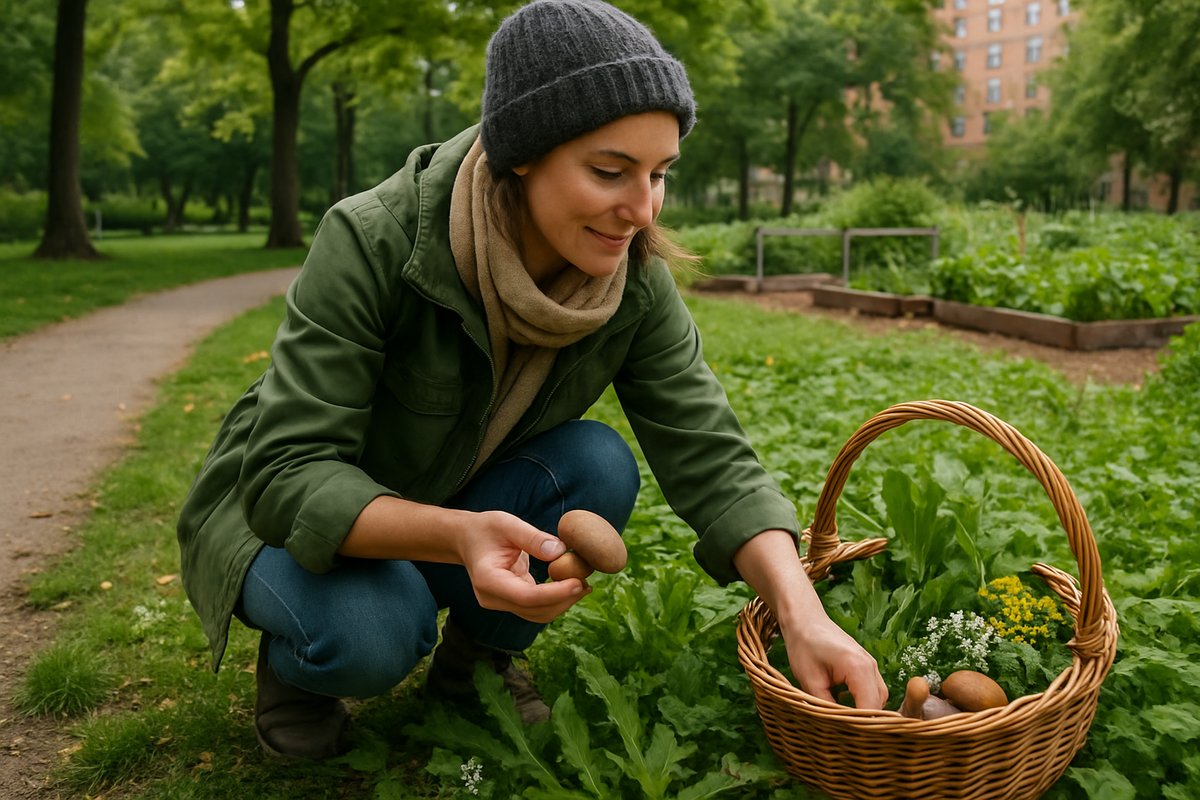
Across parks, vacant lots, and community gardens, home cooks and chefs are embracing wild greens, flowers, and mushrooms for a deeper connection to food and place. As urban foraging sheds new light on sustainability and local heritage, city dwellers are rediscovering the flavors at their doorstep.
Urban landscapes have long been defined by concrete and glass, yet beneath the asphalt and behind fenced yards, a hidden pantry of wild edibles is waiting to be discovered. In neighborhoods from Brooklyn brownstones to Melbourne suburbs, a growing number of cooks are slipping out at dawn with woven baskets and field guides in hand. Their mission: to reclaim a sense of wonder, sustainability, and cultural connection through urban foraging.
For many, the appeal of gathering dandelion greens, young nettles, and purslane goes beyond novelty. It taps into a hunger for direct engagement with nature, a counterpoint to grocery aisles stocked with familiar produce. By learning to identify chickweed in sidewalk cracks or wild garlic in vacant lots, city foragers reconnect with ancestral foodways while reducing dependence on long supply chains. The practice also shines a spotlight on overlooked urban ecosystems, revealing nutrient-dense plants that thrive in spots both unexpected and underused.
In recent years, municipal governments and nonprofit groups have joined the fray, recognizing foraging as a tool for community resilience. In Philadelphia, a city-led urban agriculture initiative has mapped more than 400 edible species growing on public land, offering workshops that teach safe harvesting and ecological stewardship. Similar programs have taken root in Toronto, Cape Town, and Singapore, where guided walks through parks turn into impromptu botany lessons. Participants learn to spot delicious chickory blossoms, pollinator-friendly milkweed pods, and the peppery zing of sorrel tucked beneath shrubs.
Local markets are also adapting. At Saturday stalls near Portland’s industrial district, bouquets of violet flowers and bags of tender wood sorrel sell alongside heirloom tomatoes. Shoppers curious about wild flavors find recipe cards for elderflower cordial, pine needle tea, and acorn flour pancakes. Farmers market organizers emphasize the importance of sustainable foraging, advising collectors to harvest sparingly and leave at least a third of each patch untouched to support pollinators and soil health.
Professional chefs have taken note. Downtown bistros once famous for minimalist plating now feature wild purslane salads dressed with foraged sea beans and local honey. Tasting menus in San Francisco might open with a delicate elderflower panna cotta spiked with handpicked violet petals, then segue into a spring nettle risotto topped with freshly gathered morel mushrooms. These menus celebrate seasonality in its most literal sense: the ingredients change daily based on what the foragers find in nearby parks or green corridors.
Yet urban foraging isn’t only for high-end restaurants. Home cooks report that finding their own ingredients creates a deeper sense of culinary ownership. A grandmother in Seattle swaps her weekly grocery list for a pocket field guide, revealing edible tree buds she once mistook for nuisance growth. In Monterrey, Mexico, families stroll city streets at dawn to collect epazote and quelites-traditionally wild herbs that have fed generations. In these shared experiences, cooking becomes a bridge between city and countryside, past and present.
Digital communities amplify this trend. On focused social platforms and neighborhood apps, foragers share photos of ripe mulberries dangling from alleyway branches or clusters of wood sorrel bursting through sidewalk cracks. Members flag potential hotspots-like a little-known greenbelt hidden behind a university campus-and issue friendly warnings about mistaken identities. The crowdsourced information helps novices learn that a patch of creeping charlie is not mint and that young burdock seedlings can become a fibrous chore if not harvested at just the right moment.
The environmental benefits of urban foraging are as varied as the plants themselves. By forgoing industrial supplies for local wild foods, foragers reduce carbon footprints and diminish pressure on conventional agriculture. Removing invasive species-such as Himalayan blackberry or Japanese knotweed-helps restore native habitats. And by raising awareness of fragile urban ecologies, foragers advocate for green space preservation and biodiversity, reminding city planners that vacant lots and roadside verges can nourish residents in more ways than one.
Still, safety remains paramount. Misidentification can lead to bitter disappointments at best and severe illness at worst. Ethical guidelines stress the “rule of thirds”: harvest no more than one third of any wild patch, avoid areas treated with pesticides, and steer clear of plants growing near busy roads or contaminated soils. New urban foragers are encouraged to cross-reference at least three reliable sources-field guides, expert mentors, and regional identification apps-before adding anything wild to a basket.
To help newcomers get started, community centers and botanical gardens have assembled resources. Pocket-size guidebooks detail 50 common urban edibles, complete with photographs, leaf shapes, and habitat notes. Local libraries lend magnifying lenses and portable microscopes for closer inspection of spore patterns on mushrooms and glandular hairs on nettle leaves. Some cities even offer public herb gardens designed for harvesting, where residents can practice pruning sage, thyme, and oregano in a controlled environment before venturing into wilder terrain.
Once ingredients are safely gathered, the real alchemy begins in the kitchen. A handful of young dandelion greens can be blanched and tossed with garlic oil for a bright side dish, while tender violets steep in honey yield a fragrant syrup perfect for drizzling over yogurt. Ground acorns, after careful leaching of tannins, transform into a gluten-free flour that brings earthy depth to rustic pancakes. When wild mushrooms appear in fall, they might star in a simple risotto enriched with foraged parsley and a splash of citrus to highlight their forest aroma.
Seasonality guides every forager’s calendar. Early spring summons bitter-tasting mustard greens and the first wood sorrel that tastes like lemon. Summer ripens berries from black raspberry to wild strawberry. As autumn cools the air, hearty root-like burdock and acorn clusters offer pantry staples. Even the bitter galls on oak leaves, once harvested and dried, have traditional uses in dyeing fabrics or crafting bitters. Each season provides new chances for discovery and a reminder of nature’s cycles even within urban centers.
Beyond the table, urban foraging fosters community bonds. Neighborhood walks, potluck dinners, and recipe exchanges bring strangers together around a shared curiosity. Foraging clubs often pair seasoned experts with novices, forging mentorship relationships as plants flourish in unexpected corners. When an abandoned lot is scheduled for redevelopment, foragers might unite to advocate for its preservation, armed with knowledge of rare wildflowers or patches of culinary herbs growing there.
Looking ahead, technology and citizen science may further transform this ancient practice. Smartphone apps using GPS and image recognition could map the city’s edible hotspots in real time, alerting users to peak seasons and areas to avoid. Urban planners experimenting with edible landscaping could weave wild berry bushes and native herb strips into sidewalks and public parks. Schools might integrate foraging into science curricula, teaching students botany, ecology, and nutritional science through hands-on outdoor exploration.
Whether it’s a crisp nettle fritter at a popup supper or a home-cooked dandelion pesto stirred into pasta, the wild ingredients emerging from city foraging remind us that nourishment and place are inseparable. With each leaf plucked and each recipe shared, urban foragers weave together strands of culture, ecology, and personal discovery. In doing so, they transform concrete jungles into living larders, proving that even in the most built-up environments, the earth’s generosity remains just around the corner.