Location
Mount Vernon, WA 98274

Location
Mount Vernon, WA 98274
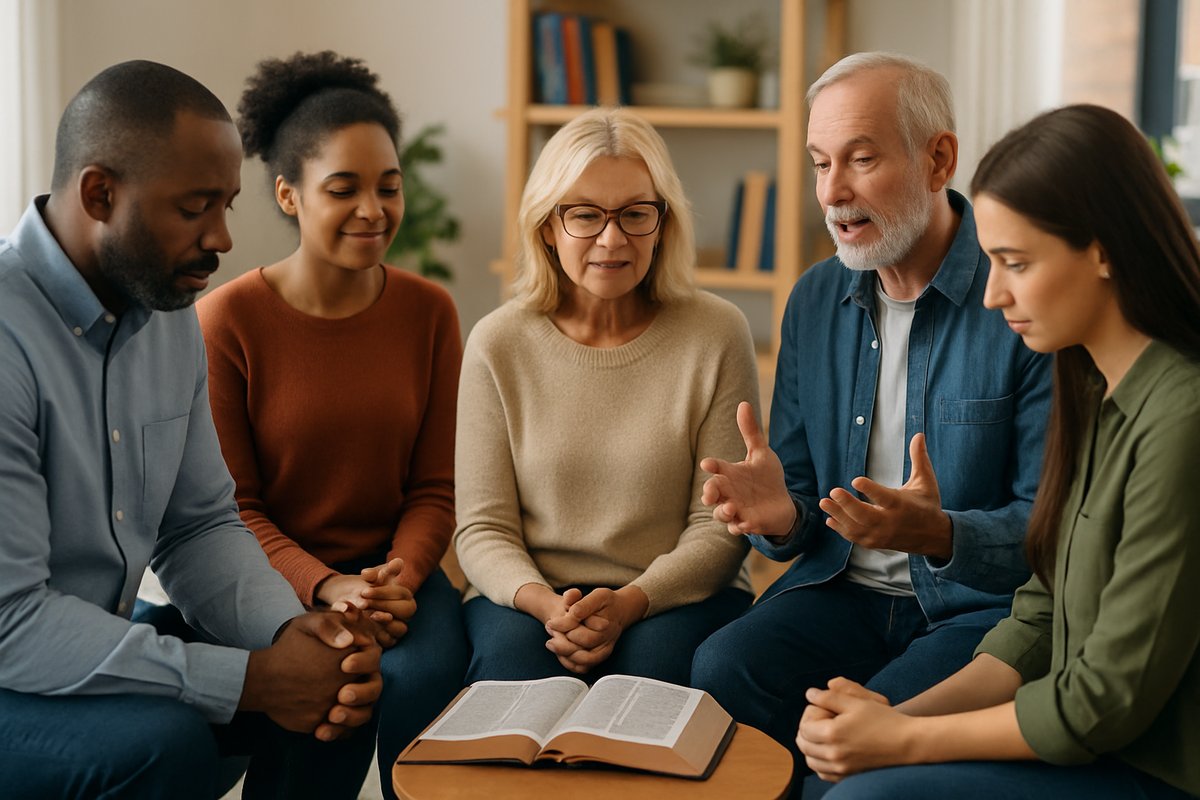
Across towns and cities, congregations are launching Faith Story Circles-small gatherings where members share personal testimonies, reflect on scripture, and pray together. Rooted in ancient Christian practice, this emerging trend offers fresh pathways for deep connection, spiritual growth, and emotional resilience.
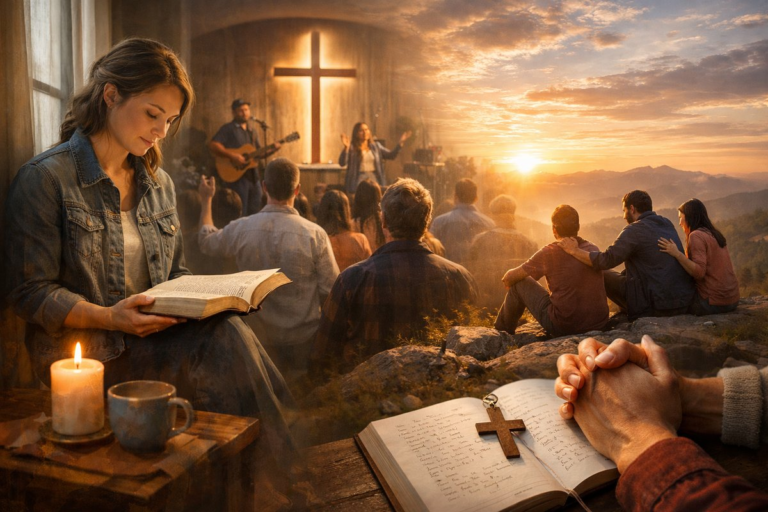
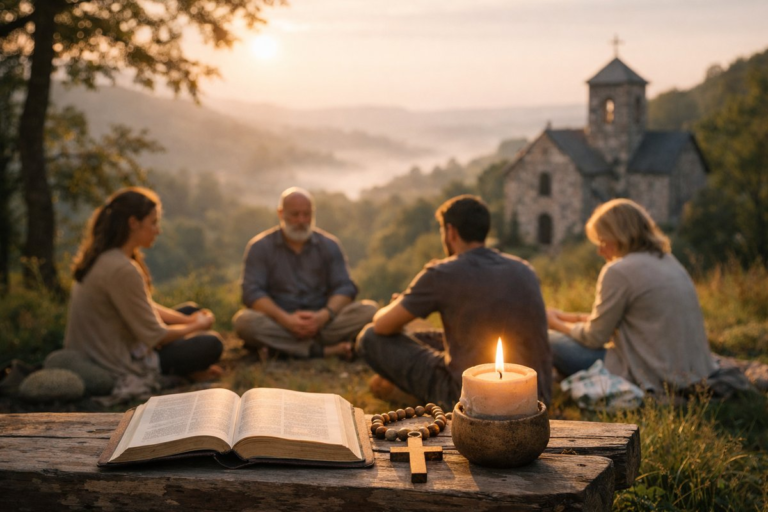
In a softly lit fellowship hall, cushions are arranged in a loose circle. A dozen faces reflect the glow of stained-glass windows behind them. Each person holds a small index card with a favorite scripture verse. As the facilitator invites the group to share, a young teacher reads aloud a passage from the Gospel, then pauses to let its words settle. One by one, members speak: a veteran nurse recalls finding new hope after a hospital chaplain prayed at her bedside; a recent college graduate describes the moment she first felt God’s call to serve overseas; a retiree offers gratitude for a lifelong marriage renewed by daily prayer. These Faith Story Circles are taking root in congregations around the country, blending ancient practice with modern insight to nurture belonging and renewal.
Emerging from a pilot initiative at a midwestern seminary, Faith Story Circles equip small groups to gather regularly for three simple acts: reading a short scripture passage, inviting personal reflection, and praying together. Unlike traditional Bible studies focused primarily on exegesis, these circles emphasize the lived experience of faith-stories of struggle, grace, and quiet courage. Leaders learn to foster a judgment-free atmosphere, where vulnerability is honored and confidentiality is safeguarded. Participants leave each session carrying not only new insights on a text but also the sense of being seen and supported.
“This practice reconnects us with the early church,” explains a pastor who recently trained as a circle facilitator. “In the book of Acts, believers devoted themselves to the apostles’ teaching and to fellowship-sharing meals, resources, and testimonies of God’s work among them. Faith Story Circles honor that pattern in a way suited to today’s scattered congregations.” The pastor says members report feeling more equipped to pray for one another, to discern how scripture speaks into daily challenges, and to build friendships that extend beyond Sunday morning.
A recent survey by a national research group found that nearly eight in ten adults value close relationships within their faith communities, yet fewer than half report opportunities for authentic sharing in worship services. As congregations grow larger and services become more programmatic, individuals can feel anonymous or disconnected. Faith Story Circles offer an antidote-small, intimate spaces where gestures of listening and empathy matter as much as theological precision.
One participant describes her first circle meeting as “a healing experience.” After losing a sibling to illness, she struggled to find words for her grief. When the group invited her to reflect on a verse from the Psalms, she read lines that seemed penned for her sorrow. Tears flowed, not from despair, but from relief at being understood. Fellow members prayed for her by name, promising to keep her in their quiet devotions. “It was the first time I felt held by my church family,” she recalls.
Story sharing also shapes collective memory. At one church, elders who grew up in the congregation bring stories of the building’s earliest days-its founding families, the rubble that became a sanctuary after a flood, the choir concerts that raised funds for new pews. Younger members listen wide-eyed as faith takes on flesh in the voices of their forebears. These narratives foster intergenerational bonds and a sense of belonging to a legacy larger than any individual.
Training for circle facilitation draws on pastoral theology, group-dynamics research, and simple teaching on active listening. Facilitators learn practices like reflecting back what they hear, inviting silent moments of prayer, and creating guidelines to ensure every voice is heard. They also adapt meeting rhythms to local contexts-some gather in homes with a potluck meal; others meet in coffee shops before work; a few convene online for those with mobility challenges or dispersed geographies.
One urban congregation hosts an after-work circle at a community arts center. Over cups of herbal tea, participants from diverse backgrounds-teachers, retail workers, small-business owners-share how scripture informs their sense of justice and compassion. When a store clerk describes praying for a difficult customer who yelled at her, others nod in solidarity. They pray together for patience and forgiveness, reinforcing that small acts of grace can reshape workplaces and neighborhoods.
Counselors note that these circles can have real mental-health benefits. When people narrate their own stories in a supportive environment, they often experience lowered stress and greater emotional integration. “There’s a therapeutic dimension to bearing witness,” says a Christian counselor specializing in trauma. “When someone articulates fear or loss, and another responds with empathy or prayer, it affirms their identity in Christ and in community. That can be deeply healing.”
Scripture still anchors each gathering. Facilitators typically choose passages that resonate with universal human experiences-loss, hope, forgiveness, calling. A short reading from the Epistles on bearing one another’s burdens might spark reflections on caregiving for aging parents. A parable of hospitality can open conversation about welcoming marginalized neighbors. In every case, story emerges as theology in motion.
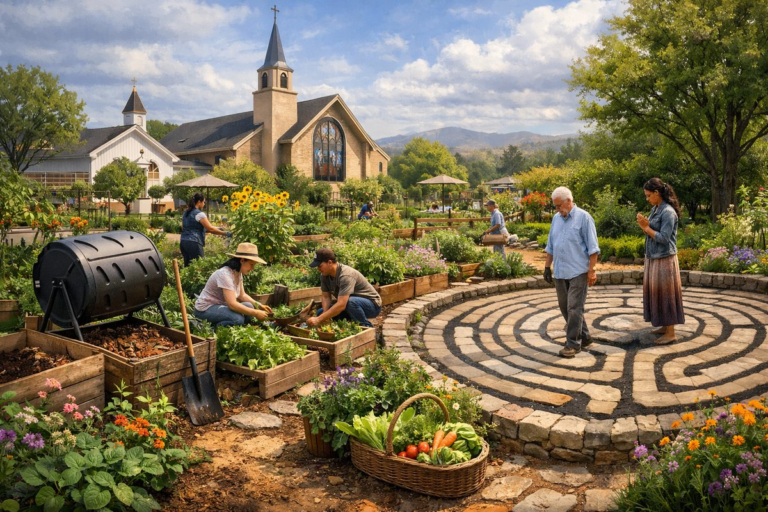
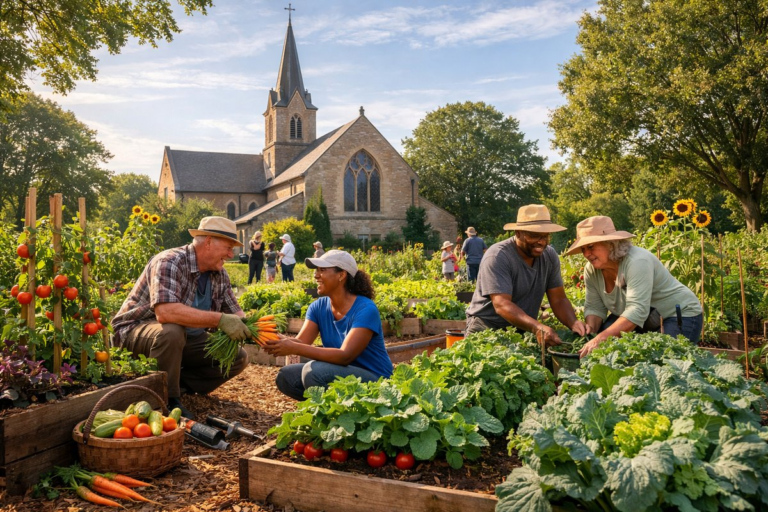
Some churches are scaling up the model by training dozens of facilitators and weaving circles into confirmation classes, support ministries, and outreach programs. One rural network now offers a yearly “Circle Summit,” where leaders gather for workshops on group formation, accessible theology, and incorporating creative arts-sketching, poetry, or drumming-to enrich narrative practice. This summit has sparked experiments like an all-ages circle that meets under a tent in a community garden, reading scripture beside raised beds and sharing reflections amid the hum of bees.
Critics caution that without pastoral oversight, circles could become echo chambers or stray from sound doctrine. Advocates respond that careful training addresses these risks-facilitators learn to guide discussion back to core beliefs, invite questions rather than assertions, and consult clergy when complex theological issues arise. The balance of open storytelling and scriptural grounding is key to preserving both authenticity and orthodoxy.
As Faith Story Circles gain momentum, congregations are discovering that stories carry unique power to shape identity and mission. In one coastal town, a circle helped parishioners collectively discern a call to environmental stewardship after hearing elders’ memories of seaside cleanups and fishermen’s prayers for safe voyages. That group led a churchwide initiative to restore a local wetland, blending testimony, scripture, and service into an act of worship.
Back in the fellowship hall, the group’s final moments unfold in silence. Each person stands and places a hand on a simple wooden cross at the center of the circle. A leader prays: “God of every story, thank you for the ways you speak in our lives and draw us together. May these words take root in our hearts and bear fruit in our homes and neighborhoods.” Then they extinguish a candle, fold their cards, and step into the evening air, carrying one another’s stories into the week ahead.
Whether in urban arts centers or rural gardens, over tea or around a table, Faith Story Circles are redefining what it means to belong to the body of Christ. By giving space for stories-of struggle, grace, and hope-they invite each generation to discover anew that every testimony is a thread in God’s unfolding narrative.
May these circles multiply, weaving new patterns of empathy and courage across congregations hungry for connection and renewal.