Location
Mount Vernon, WA 98274

Location
Mount Vernon, WA 98274
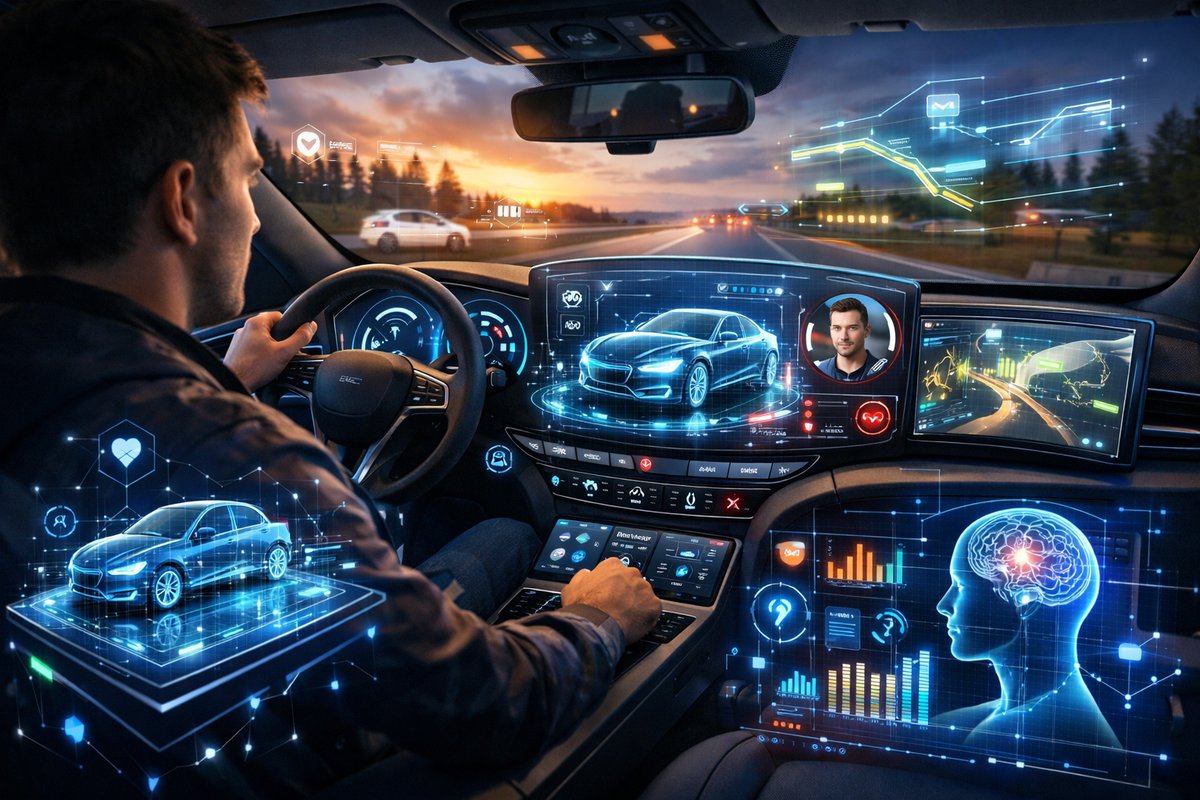
From sensor-packed dashboards to on-the-fly performance modeling, cars are becoming living reflections of their drivers. This article dives into how digital twins and cockpit personalization are transforming every journey into a data-driven, human-centered experience.
Automobiles have long been more than mere transportation-they are vessels of freedom, memory, and identity. A weekend road trip can become an indelible chapter in our personal histories, and the rumble of an engine can evoke nostalgia for long-past highways. Now, as vehicles are infused with connected sensors, cloud-based simulations, and AI-driven assistants, the car itself is evolving into an extension of the driver’s preferences and needs. Two trends in particular-digital twins and personalized cockpits-are converging to create vehicles that learn from us, anticipate our demands, and adapt in real time. What does this mean for everyday drivers, gearheads tinkering in their garages, and the broader quest for sustainable, user-centered design?
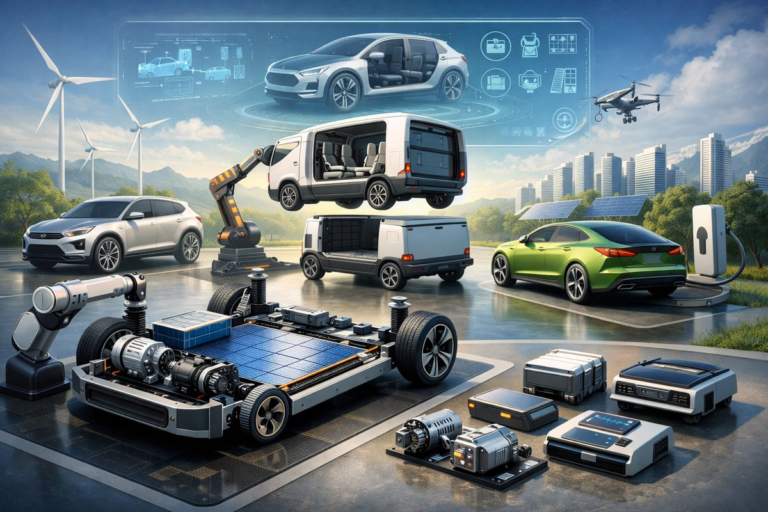
A digital twin is a virtual replica of a physical asset, updated continuously with data streamed from onboard sensors. In manufacturing and aerospace, digital twins have helped engineers simulate wear patterns, optimize maintenance schedules, and test design tweaks without the cost of physical prototypes. Today, automakers and aftermarket innovators are applying the same concept to cars and light trucks. Under the hood, a network of temperature, vibration, and fluid-level sensors feeds a cloud-based model of the powertrain, chassis, and electrical system. That model can run diagnostic scenarios, predict parts failures weeks in advance, and even suggest driving adjustments to improve efficiency or extend component life.
This shift from reactive maintenance at the dealership to proactive upkeep on the road is already showing dividends. One mobility-services provider reported a 20 percent drop in roadside breakdowns after equipping a fleet of delivery vans with sensor arrays and twin-based analytics. Maintenance windows can be scheduled during driver downtime rather than stranding vehicles in the middle of busy routes. Gearheads gain unprecedented visibility into how modifications-be it a sport-tuned suspension or a high-flow exhaust-affect the vehicle under real-world conditions. For those restoring classic cars, bolt-on sensor kits and open-source twin platforms make it possible to monitor a 1960s coupe alongside a modern SUV, marrying antique style with digital smarts.
Beyond maintenance, digital twins unlock new frontiers in customization. Imagine wanting a quieter ride during the morning commute, but a sharper throttle response when weaving through mountain roads. By adjusting virtual variables in the cloud, drivers can switch performance profiles in minutes, without a single wrench turn. Electric vehicles amplify this potential: software-defined powertrains can reroute torque delivery from front to rear axles under different drive modes, with the twin ensuring battery management and thermal thresholds remain within safe limits. As regulations tighten on tailpipe emissions, digital twins enable more aggressive, fun-to-drive calibrations while still meeting environmental targets.
Inside the cabin, a parallel revolution is underway. Cockpits are shedding their one-size-fits-all interfaces in favor of adaptive environments that learn occupants’ behaviors and emotions. Cameras and in-seat sensors gauge posture and stress levels, while steering-wheel controls and touch panels reshape to present the most relevant information. A drive-focused enthusiast might see real-time lap timings and G-force readouts, whereas a commuter gains quick access to navigation reroutes and voice-activated calendar notifications. Machine-learning models trained on anonymized user data identify which displays and alerts yield the best focus and least distraction for each driver profile.
Privacy and security are critical in this new landscape. Automakers are building data silos on the vehicle network to isolate personal preference data from critical safety systems. Encryption protocols protect sensor streams as they travel to and from remote servers, while local edge computing handles latency-sensitive tasks like collision warnings. Open standards are emerging to ensure third-party developers can build modular cockpit apps-everything from ambient lighting presets to guided mindfulness exercises-without compromising the integrity of the vehicle’s core operating system.
The emotional resonance of personalization cannot be overlooked. Many drivers attach sentimental value to the first car they owned, the soundtrack of a memorable road trip, or the sensation of mastering a challenging route. Personalized cockpits can tap into these memories by automatically adjusting cabin lighting, hue, and soundtrack to reflect past journeys tied to a given driver profile. A GPS history might trigger a playlist curated from the songs played on the first family vacation. Seat vibration motors can be repurposed for haptic feedback, gently nudging hands back toward the ideal steering position for a well-worn twisty road.
Cost remains a hurdle for broad adoption. While premium brands are integrating digital twins and adaptive cockpits into high-end models, average consumers often face steep premiums. However, the aftermarket sector is responding with plug-and-play sensor bundles, open-source data-logging software, and DIY-friendly cockpit modules. Enthusiast communities share calibration files and mounting tutorials for retrofitting older vehicles. In parallel, subscription-based services bundle predictive analytics, cloud storage for in-cabin video clips, and remote over-the-air software upgrades, spreading the expense over monthly fees rather than a large upfront investment.
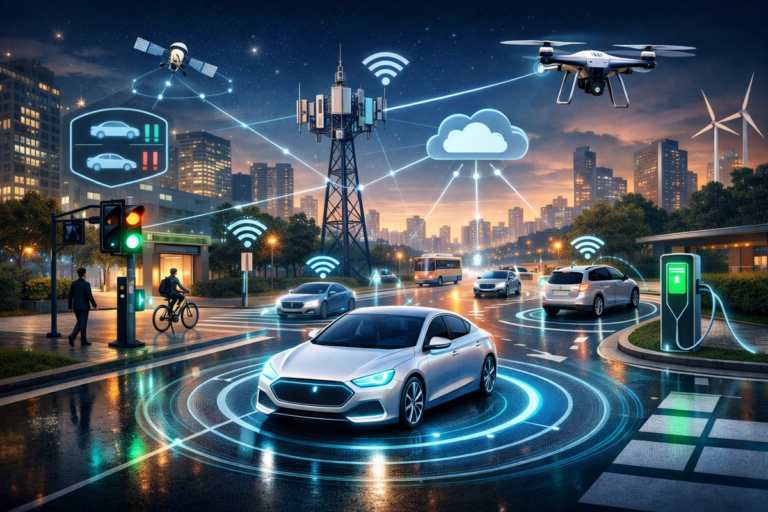
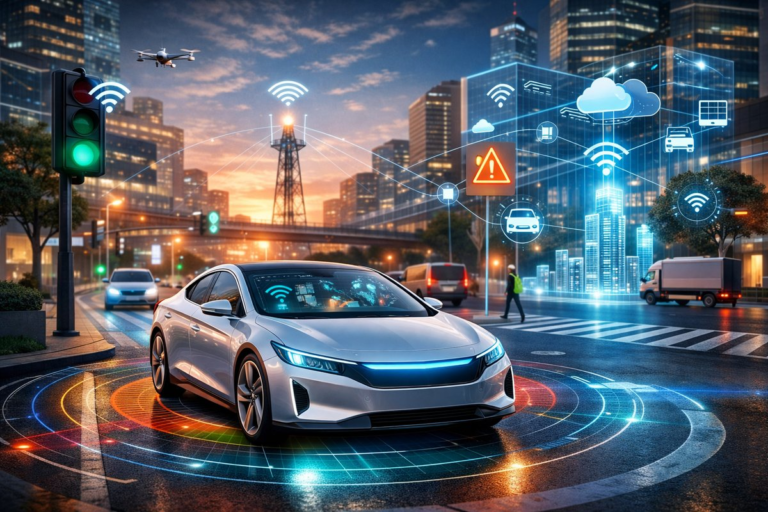
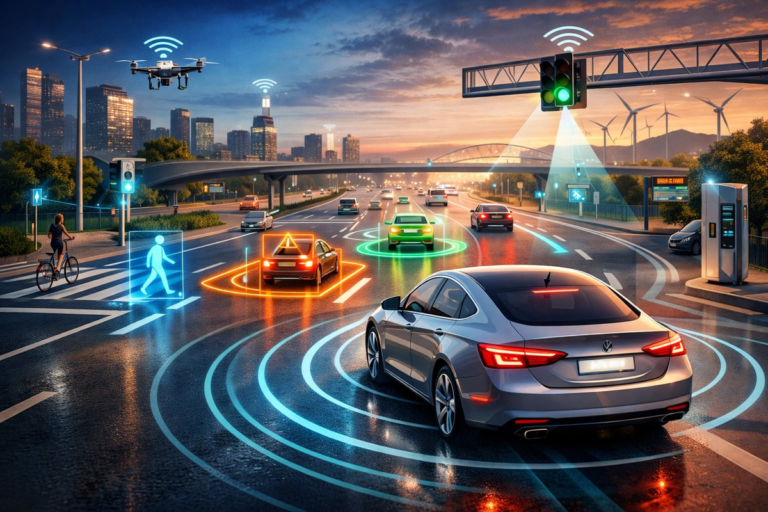
Infrastructure must keep pace. As vehicles generate terabytes of operational data each year, automakers and service providers are partnering with cloud platforms and telecom carriers to deploy edge-compute nodes near major highways and urban centers. This localized processing reduces latency when a digital twin needs to run a complex simulation quickly-say, to advise a driver on the remaining range under heavy load. Meanwhile, 5G and emerging vehicle-to-everything (V2X) networks allow cars to exchange anonymized performance data, helping fleets of autonomous shuttles or delivery drones refine their own twins and improve traffic flow collectively.
Regulators are taking notice. Several jurisdictions are drafting guidelines for digital-twin data privacy, requiring explicit driver consent for uploading sensor logs that include audio or video. Standards bodies are also specifying interoperability requirements, ensuring that a twin created by one service provider can be queried by another for maintenance history or warranty claims. Over time, a unified twin record could travel with a vehicle across ownership changes, providing a tamper-proof maintenance ledger and enriching resale value.
Critics warn of overreliance on virtual simulations. There’s a danger that a digital twin, however sophisticated, may not fully capture the nuances of real-world driving conditions-road debris, sudden mechanical failures, or human factors like fatigue. Combustion-engine purists grumble that too much customization risks diluting the visceral feedback that makes driving a craft. Yet the hybrid approach-combining hands-on mechanic know-how with data-driven insights-seems to hold the greatest promise. Mechanics armed with twin analytics can diagnose issues faster, confirm fixes by verifying simulated outcomes, and share anonymized repair knowledge across global networks.
Looking ahead, digital twins and personalized cockpits may reshape not just how cars are used, but how they’re conceived. Virtual prototyping with consumer-derived usage profiles could shorten design cycles by months, curbing waste and reducing the carbon footprint of traditional clay-model workflows. Pilot programs are already exploring augmented-reality headsets for designers to walk around a life-size virtual interior, toggling seat ergonomics or display layouts based on aggregated driver preferences.
For everyday drivers, the experience will be subtle yet profound. A familiar greeting upon entering the car, a cabin environment that molds to your mood, and a running twin whispering silent alerts before minor faults become major headaches. The machine learns your patterns and, in turn, reveals new facets of your relationship with motion. These developments point toward a future where the line between memory and meaning blurs: every mile becomes a data-rich chapter in an ongoing story, every adjustment a bridge between your unique journey and the collective trajectory of automotive innovation.
Whether you’re a weekend wrench-turner, a data science aficionado, or someone just seeking a smoother commute, the era of living, breathing vehicles has arrived. As sensors proliferate, software evolves, and cloud networks expand, cars will no longer be static boxes on wheels. They will be dynamic companions-virtual avatars of ourselves on the road-ready to tune in, adapt, and chart courses both familiar and uncharted. The question isn’t if this shift will reach your driveway, but how soon you’ll make those digital twins and personalized cockpits part of your own story.