Location
Mount Vernon, WA 98274

Location
Mount Vernon, WA 98274
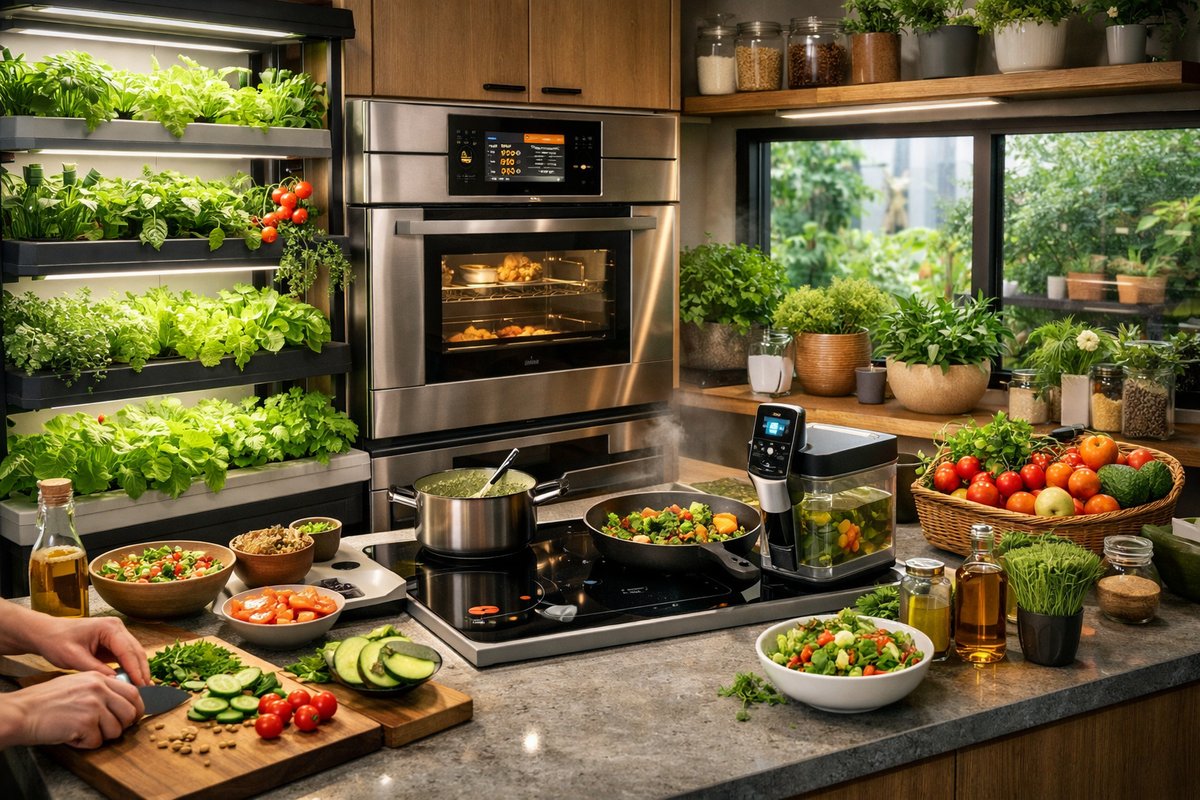
Home kitchens are undergoing a transformation powered by sustainability, digital technology, and hyperlocal sourcing. This exploration reveals how plant-forward cooking, precision appliances, and indoor gardens are reshaping the way we create and share meals.
Before the sun peaks over the horizon, a home cook in a repurposed loft is already at work. She blends oat milk and aquafaba into a silky base for a dairy-free latte, then checks the temperature on her precision cooker before sliding vacuum-sealed vegetables into warm water. Around her, clean counters display glass jars of upcycled fruit peel powders and fresh basil sprigs thriving in a countertop garden. This is the modern kitchen, where sustainability, science, and sensory experience merge to chart a new future for how we nourish ourselves and connect at the table.
The first ripple in this wave is the plant forward revolution. According to a 2023 report from the Good Food Institute, global sales of plant based meat alternatives grew by 27 percent over the previous year. The trend extends beyond burgers to include innovative pulses and vegetable proteins like jackfruit, lupin beans, and mycelium derived from mushroom roots. These ingredients catalyze recipes that are as rich in texture as they are in nutrients, demonstrating that meatless meals can be both familiar and thrillingly novel.
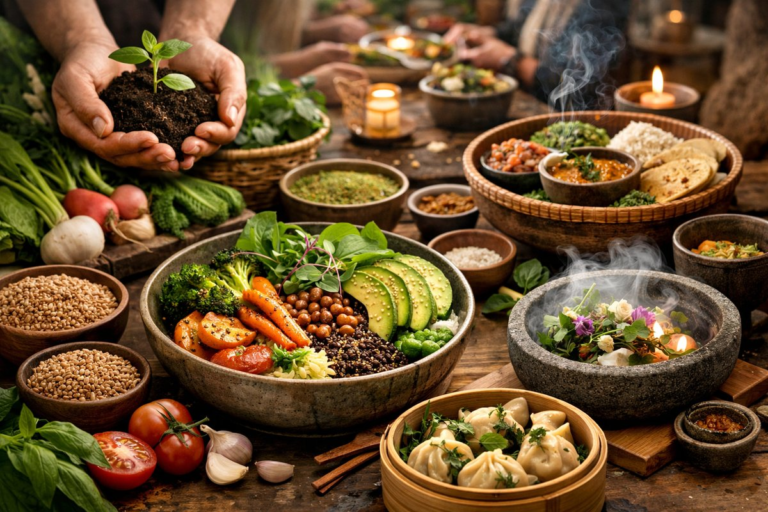
Ingredient developers are leveraging fermentation techniques to elevate umami profiles in plant based sauces, while chefs champion aquafaba-the viscous water left from cooking chickpeas-as a vegan egg white substitute for mousses and meringues. In grain bowls, ancient cereals such as sorghum and teff are making a comeback, inspired by global cooks who have long woven these staples into cultural traditions. This embrace of diverse plant kingdoms fosters more resilient food systems by reducing reliance on a narrow range of crops.
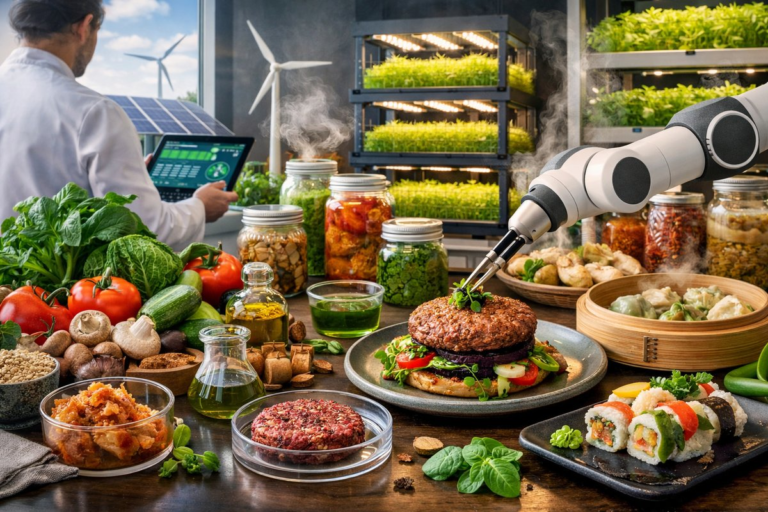
Precision cooking, once the province of high end restaurants, has migrated into home kitchens thanks to a surge in smart appliances. Nielsen data indicates that demand for connected kitchen devices rose 18 percent year over year, with particular growth in induction cooktops and internet enabled ovens. These tools offer intuitive temperature controls and recipe guided modes that reduce guesswork and minimize energy waste.
Among these advances, the sous vide immersion circulator stands out. By circulating water at exact temperatures, home cooks achieve consistent doneness without overcooking, unlocking restaurant quality results for proteins, vegetables, and even desserts. Digital kitchen scales paired with nutritional databases help to portion ingredients precisely, cutting down on waste while ensuring balanced meals. The combined rise of temperature controlled cooking and measurement accuracy signals a shift toward empirical artistry at the stove.
Circular and zero waste cooking philosophies have gained traction alongside these gadgets. Restaurants and home chefs alike are experimenting with compostable food storage wraps crafted from beeswax or plant cellulose, replacing single use plastics. Innovative incubators have begun transforming spent grain from local breweries into cracker flour, while fruit processing byproducts yield flavorful powders for seasoning blends. The push to repurpose every scrap of ingredients honors ecological limits and taps into a growing appetite for resource recovery trends.
Market analysts at IBISWorld estimate that waste to value startups grew by 15 percent in the past year, fueled by consumer demand and regulatory incentives. At farmers markets and pop up dinner series, upcycled cider lees are whipped into creamy dressings and turnip tops become pesto. Each initiative underscores a simple truth: delicious food need not come at the planet’s expense when ingenuity becomes the guiding ingredient.
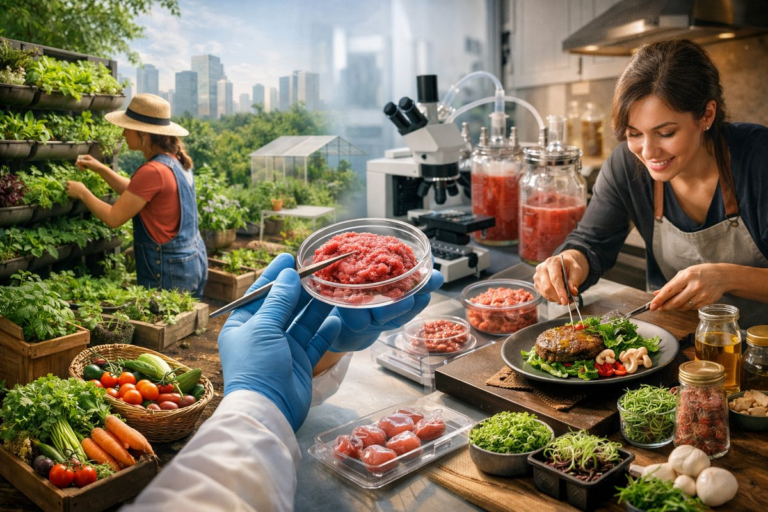
Parallel to waste reduction, the movement toward hyperlocal sourcing is accelerating. Hydroponic and aeroponic systems are no longer niche gifts for gadget heads but mainstream tools for year round herb and microgreen cultivation. According to MarketsandMarkets, the global hydroponics market reached 6.9 billion dollars in 2022 and is on track to surpass 10 billion by 2028. These soil free gardens thrive under LED lights, conserving water and space while delivering freshly harvested greens within arm’s reach.
Community run vertical farms have sprouted in urban food deserts, offering produce without miles of transport. For home cooks, countertop planters seamlessly integrate into kitchen decor, yielding fragrant mint, chives, and kale leaves ready to garnish a dish or flavor a smoothie. Growing food at home not only deepens connection to the source but also inspires experimentation with varietals seldom found in grocery stores.
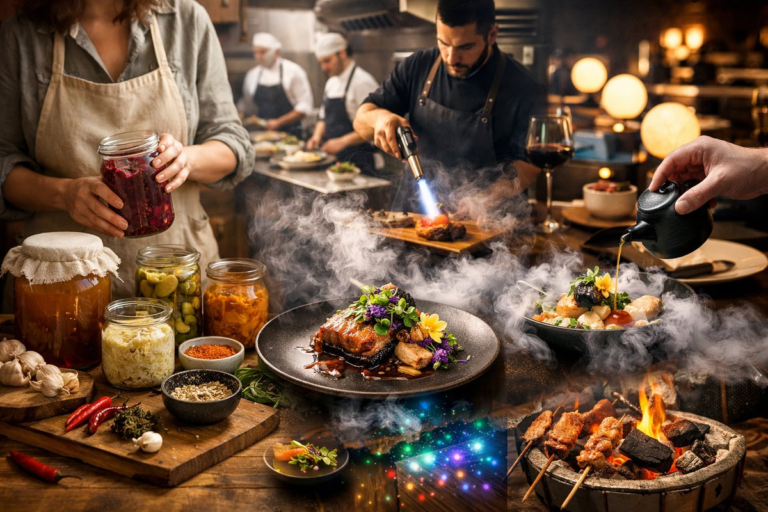
In restaurants and supper clubs around the world, chefs are blending analog rituals with digital storytelling. Immersive pop up experiences layer projection mapping and scent diffusers onto tasting menus, enveloping diners in multisensory narratives. Blockchain enabled ingredient tracing apps provide transparent provenance for heritage beans or fair trade spices, forging trust and fostering deeper relationships between farm and fork.
These hybrid dining formats often spotlight cultural cross pollination. West African grains meet East Asian broths in ramen bowls topped with millet noodles. Central American heirloom maize is reborn in Italian style flatbreads. As small chefs fuse ancestral traditions with modern techniques, they elevate culinary heritage while charting bold new taste trajectories.
Even recipe sharing has entered Web3 territory, with decentralized cookbooks hosted on secure ledgers to safeguard creatives rights and allow royalty payments when dishes are featured in commercial menus. While mass adoption is still nascent, such experiments hint at a future in which every contributor to a recipe can be rewarded for their flavor contributions, encouraging more diverse voices to step into the culinary spotlight.
For those eager to join this frontier, assembling a toolkit of adaptable appliances and sustainable supplies is the first step. A powerful countertop blender empowers silky plant based sauces and homemade nut milks. A sous vide immersion circulator unlocks precision you can taste. And an indoor hydroponic herb garden keeps microgreens and tender shoots at hand, transforming even a small apartment into a vibrant food lab. Armed with these essentials, home kitchens can become sites of innovation, community building, and ecological care.
As we blend science, culture, and circular thinking, today’s kitchens pivot from consumption zones to creative studios. They remind us that eating is not just a biological act but a deeply human one. Through thoughtful technology, intentional sourcing, and a spirit of play, our time at the stove can nourish both plate and planet, forging connections that ripple far beyond the final bite.