Location
Mount Vernon, WA 98274

Location
Mount Vernon, WA 98274
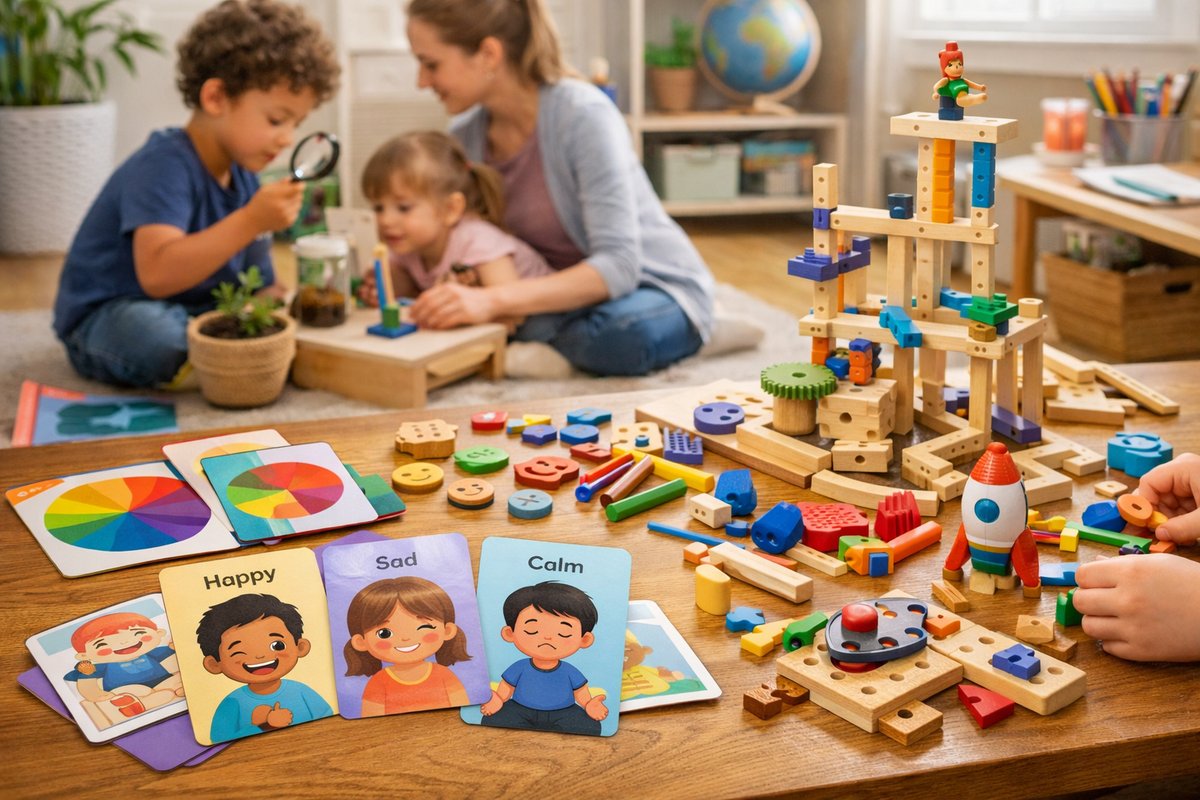
A rising movement in parenting and education is blending emotional intelligence with hands-on discovery. From interactive feeling cards to open-ended building kits, families and teachers are fostering curiosity, agency, and self-awareness in young learners.
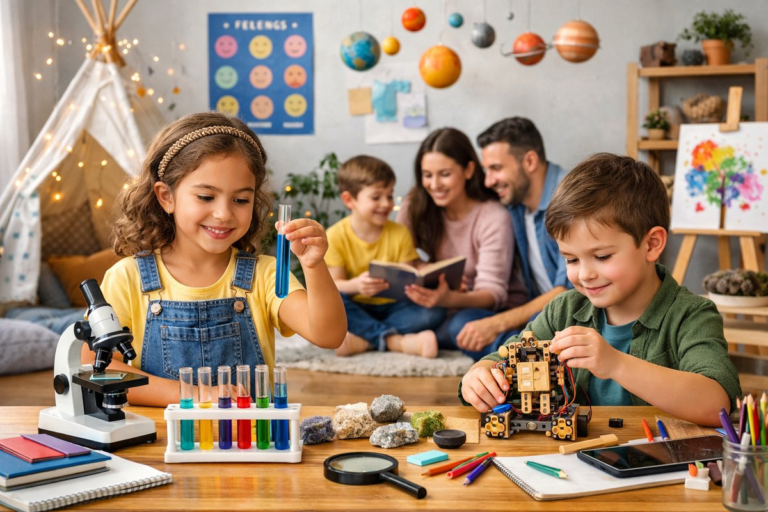
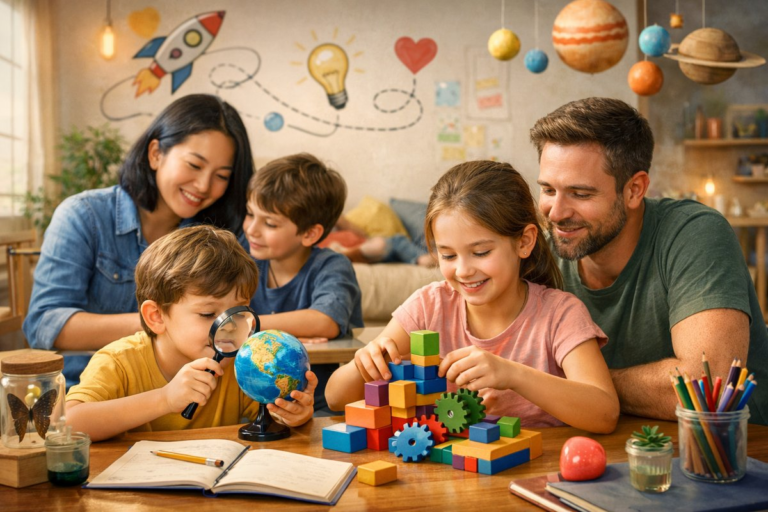
In living rooms and classrooms across the country, a new wave of heart-centered play tools is reshaping how parents and educators approach early learning. Gone are the days when playtime was strictly about building blocks and alphabet drills. Instead, families are integrating emotional and social discovery directly into the toys themselves-inviting children to name their feelings even as they tinker, experiment, and collaborate.
A recent report from the National Institute for Early Education Research found that children who regularly engage with emotion-focused play items demonstrate a 20 percent boost in emotional vocabulary and a 15 percent increase in cooperative behaviors by kindergarten. The research highlights a simple truth: when a toy prompts a child to pause and consider how they feel, it becomes more than a pastime. It becomes a bridge between curiosity and self-awareness.
In one suburban neighborhood, for example, eight-year-old Luca sits at the kitchen table with his mother, sorting a deck of illustrated feeling cards. Each card shows a diverse face expressing joy, frustration, or surprise. As Luca matches the cards to simple color-coded emotion words, his mother gently asks, “Can you recall a time you felt that way this morning?”
That moment of reflection is precisely what child development specialist Dr. Maya Patel calls “emotional check-in,” a step she believes is just as vital as counting beads or tracing letters. “When we build the habit of noticing emotions, children learn to label and regulate them,” Patel explains. “Naming a feeling gives it shape. Once a child can identify frustration or pride, they can find healthy ways to move through it.”
Toy makers are responding to this demand for emotional engagement by introducing open-ended kits that merge classic STEM principles with emotion cues. One popular set includes magnetic storytelling tiles embossed with scenarios and facial expressions. As children build scenes-a playground, a kitchen, a rocket ship-they choose emotion tiles to describe how each character feels and why. The process encourages narrative thinking alongside emotional literacy.
In a bright classroom on the city’s east side, teachers at a community center have layered sensory bins with scoops, funnels, and measuring cups filled with rice, beans, and sand. But they’ve also tucked in emotion stones-small discs engraved with feeling words. As students scoop and pour, they pause to pick an emotion stone and share a moment from their day that matches the word they drew. The result is a calm yet animated circle where tactile exploration meets heartfelt conversation.
That blend of handwork and heartwork reflects growing evidence from the Science of Learning and Development Alliance, whose members include educators, neuroscientists, and policymakers. Their latest brief emphasizes that learning isn’t just cognitive-it’s deeply social and emotional. Materials that prompt a child to ask, “Why do I feel this way?” or “How can I help my friend?” are powerful drivers of engagement and resilience.
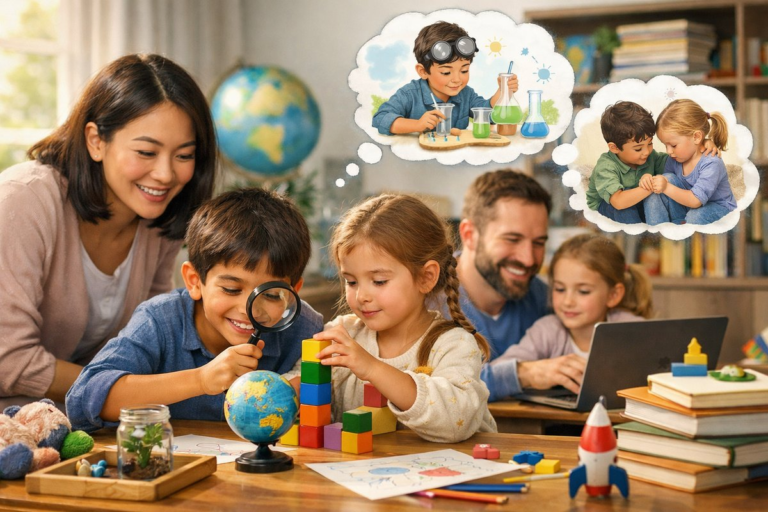
Parents who’ve adopted these tools at home report unexpected benefits. One mother noted that her previously shy four-year-old began volunteering to speak up during family meals after spending weeks with a simple wooden block set that included a companion deck of feeling prompts. The child would stack a bright yellow cube for “happy,” then talk about an achievement at preschool before adding a green block for “calm” and describing a snuggle with dad.
Such transformations underscore the value of agency in early childhood. Rather than directing a child to practice prewriting strokes or reciting letters, these resources invite learners to steer their own journey. The act of choosing an emotion card or arranging blocks into a story gives a sense of control-an essential ingredient in building confidence and a growth mindset.
Digital tools have joined the trend as well. Interactive story apps now guide children through scenarios where they select feelings, make choices for characters, and see different outcomes based on empathy or curiosity. An accompanying parent dashboard offers prompts for follow-up questions, turning a screen session into a shared exploration about boundaries, kindness, or problem-solving.
Of course, integrating emotional learning doesn’t require a shelf of fancy kits. Experts recommend simple steps-pause to label your own feelings, ask open-ended questions instead of yes/no queries, and keep a small stack of diverse emotion cards on the coffee table. Even a set of wooden blocks or basic art supplies can become emotional tools when paired with conversation starters and genuine listening.
In the midst of a pandemic era that exposed many families to stress and isolation, these heart-centered approaches have provided a pathway to reconnection. By blending hands-on discovery with emotional check-ins, parents and educators are creating environments where young thinkers feel seen and heard, laying groundwork for resilience, empathy, and lifelong curiosity.
As this movement continues to gain momentum, one thing is clear: play and learning are most powerful when they honor the whole child-body, mind, and heart. And by weaving emotional awareness into everyday activities, families can raise learners who not only solve problems but also understand themselves and others along the way.