Location
Mount Vernon, WA 98274

Location
Mount Vernon, WA 98274
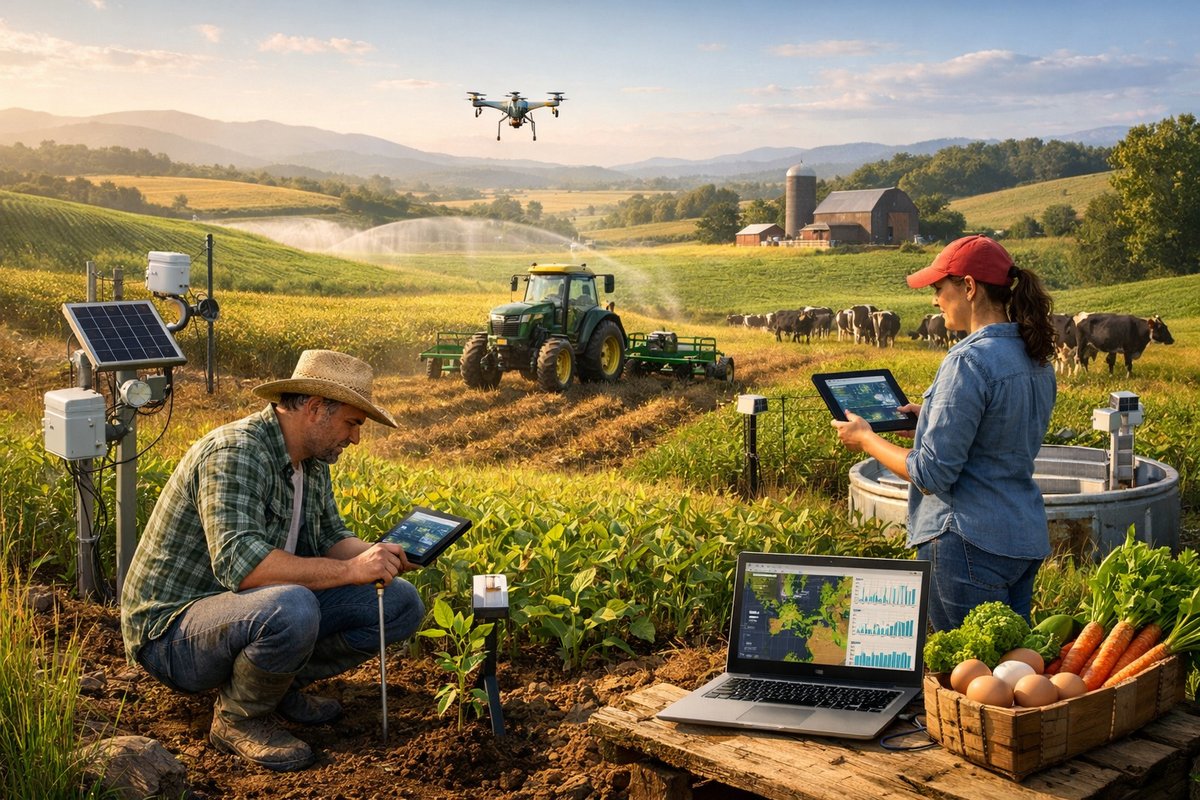
Across undulating fields, farmers are reimagining every step from seed to animal welfare by blending age-old wisdom with digital tools. Embracing soil health, water efficiency, and tech-enabled monitoring, they are forging resilient systems that serve both people and planet.
Across undulating fields, farmers are reimagining every step from seed to animal welfare by blending age-old wisdom with digital tools. Embracing soil health, water efficiency, and tech-enabled monitoring, they are forging resilient systems that serve both people and planet. This shift isn’t driven by trends alone, but by real-world challenges: water scarcity, volatile weather, rising input costs, and a shared responsibility to leave healthy land for future generations.
Central to this transformation is the recognition that soil is a living ecosystem. No longer viewed as mere dirt, it is nurtured through cover crops that anchor carbon, improve water retention, and suppress weeds naturally. Minimal tillage practices keep soil structure intact, reducing erosion and preserving the network of fungal hyphae that deliver nutrients to plant roots. Farmers are layering organic matter-made from crop residues, animal manure, and on-farm food waste-to feed beneficial microbes and build soil resilience that pays dividends season after season.
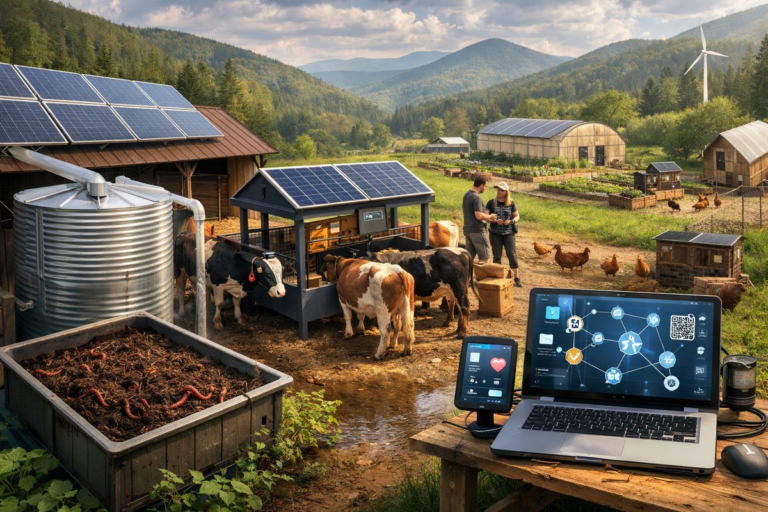
Water management has also taken center stage. Drip irrigation kits, weather-based controllers, and moisture sensors guide precise application, cutting waste and energy use. Rainwater catchment systems collect roof runoff into tanks for drip lines and stock tanks, easing pressure on groundwater reserves. Beyond irrigation, contour farming and swales capture rainfall and slow runoff, letting fields drink deeply rather than sending precious water downhill. These methods offer both conservation and cost savings, reducing dependence on expensive municipal supplies and fuel-driven pumping.
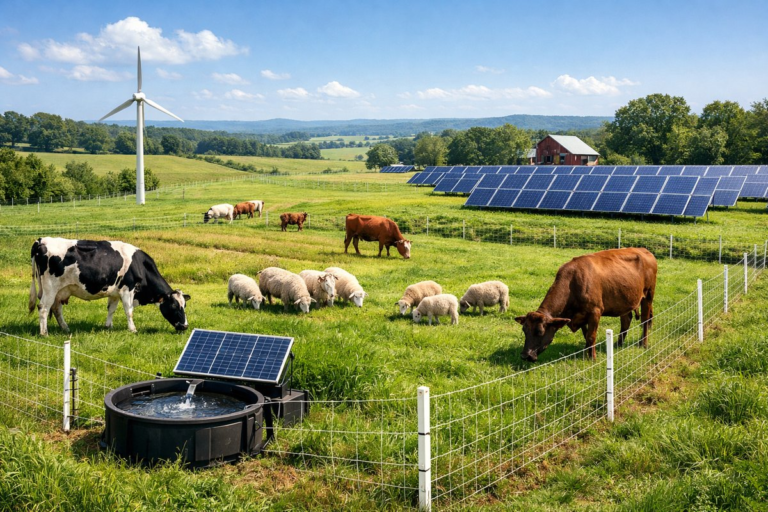
Rotational grazing has emerged as a powerful tool for grassland health. Rather than letting livestock roam freely or remain confined in one overgrazed paddock, animals move through a sequence of small enclosures. When managed thoughtfully, this approach mimics wild herd migrations, allowing pasture plants to recover, roots to deepen, and soil carbon to accumulate. Herd behavior becomes an ally: livestock trample leftover vegetation into the ground, enriching the organic layer, while their manure fertilizes new growth evenly across the field.
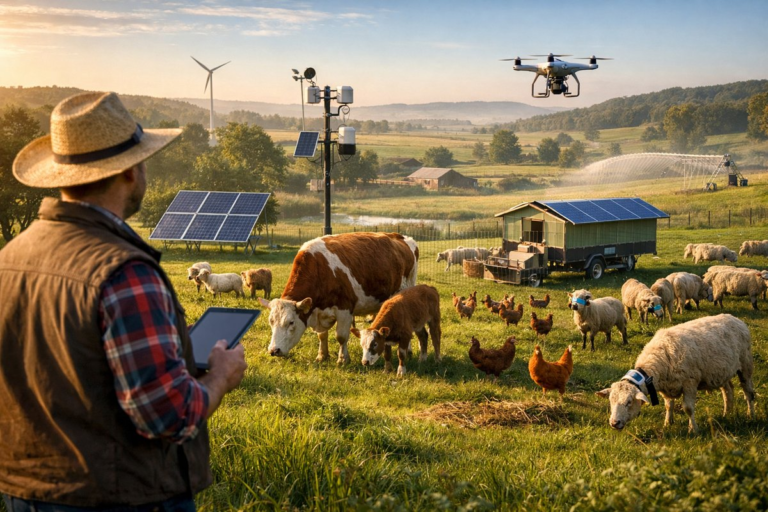
Innovations in portable electric fencing and solar-powered energizers have made rotational systems more accessible. Lightweight, insulated posts and rechargeable energizers allow farmers to shift paddocks daily or even twice a day, matching grazing patterns to forage growth. This flexibility fosters drought resilience-when grass growth slows, animals concentrate on high-value strips while other areas rest. Over time, pastures thicken, weed pressure declines, and soil moisture retention increases, creating a self-reinforcing cycle of productivity and ecosystem health.
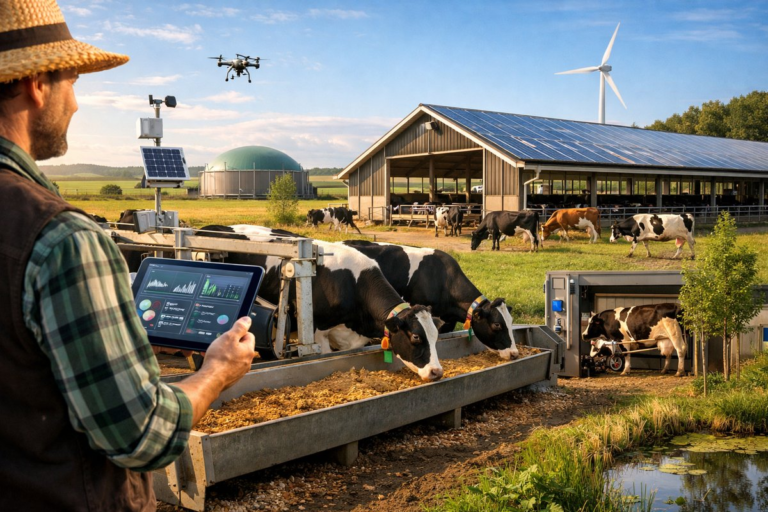
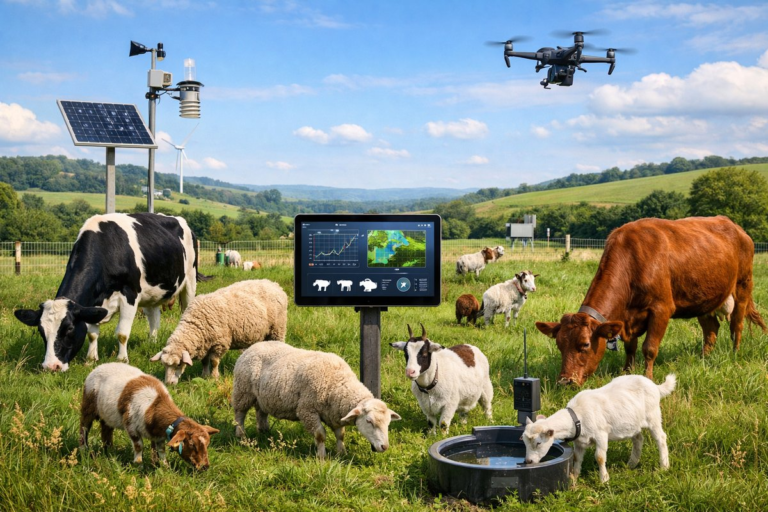
While crops and soil capture much attention, next-generation livestock care emphasizes comfort, enrichment, and proactive health monitoring. Custom shelters with natural ventilation, shade sails, and bedding made from renewable materials keep animals cool in summer and insulated in winter. Water troughs with float valves maintain constant hydration, and adjustable feeding stations prevent competition and stress among herd members.
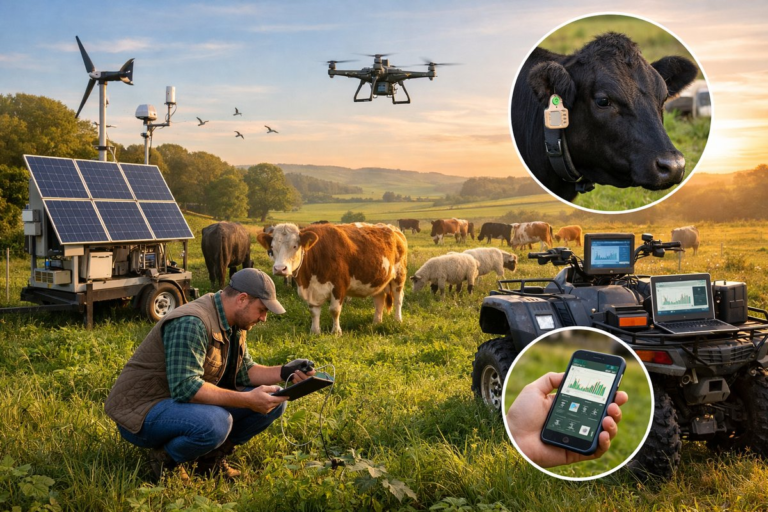
Automated feeders and telemedicine alerts are transforming the veterinarian’s role from reactive treatment to preventive wellness. Motion-detection cameras and wearable collars track feeding times, weight gain, and movement patterns. Alerts for deviations-such as a drop in feed intake or prolonged inactivity-help caretakers intervene early, reducing antibiotic use and improving overall herd vitality. These data-driven insights are recorded on cloud-based platforms, accessible from smartphones or tractor cabs for on-the-go decisions.
Beyond basic health metrics, enrichment strategies improve animal welfare and productivity. Poultry houses include perches, dust-bathing areas, and natural lighting cycles, while pig barns incorporate rooting beds and toys that satisfy innate behaviors. Research shows that animals given opportunities for expression grow more uniformly, display fewer stress indicators, and comply better with handling routines, leading to more efficient operations and lower mortality rates.
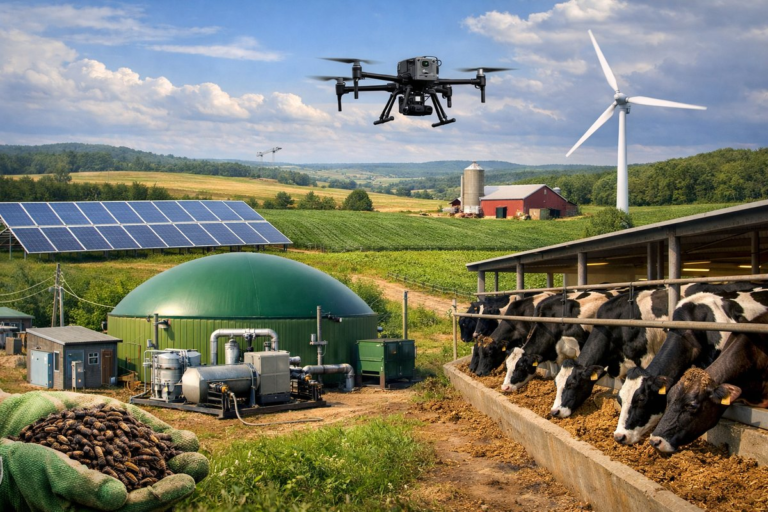
Digital transformation in agriculture extends far beyond individual sensors. Drones equipped with multispectral cameras map crop vigor and pasture health from above, pinpointing zones of nutrient deficiency or pest pressure. Satellite imagery tied to machine-learning algorithms predicts yield potential, monitors moisture trends, and identifies risks weeks before they escalate.
Farm management software aggregates soil tests, weather forecasts, equipment maintenance logs, and financial records into unified dashboards. By visualizing inputs versus outputs, farmers can make informed decisions on planting dates, fertilizer rates, and market timing. Automated reporting simplifies certification processes for organic, regenerative, or animal-welfare labels, opening premium channels and strengthening consumer trust.
No single farm can solve complex environmental or social challenges alone. Cooperative networks allow small-scale producers to pool resources-bulk-buying seed, fertilizer, and feed at lower costs. Shared equipment libraries give access to precision planters, compost turners, and drones without the burden of full ownership. Knowledge hubs, both online and through local extension services, facilitate field days, workshops, and peer-to-peer mentoring.
Local food networks and farm-to-table initiatives connect producers directly with consumers, shortening supply chains and keeping a larger share of profit within rural communities. Mobile slaughter units visit clusters of farms, reducing transport stress for animals and eliminating the need for distant facilities. Farmer markets, subscription boxes, and on-farm pick-up stations reinforce transparency, inviting urban customers to tour operations and learn sustainable practices firsthand.
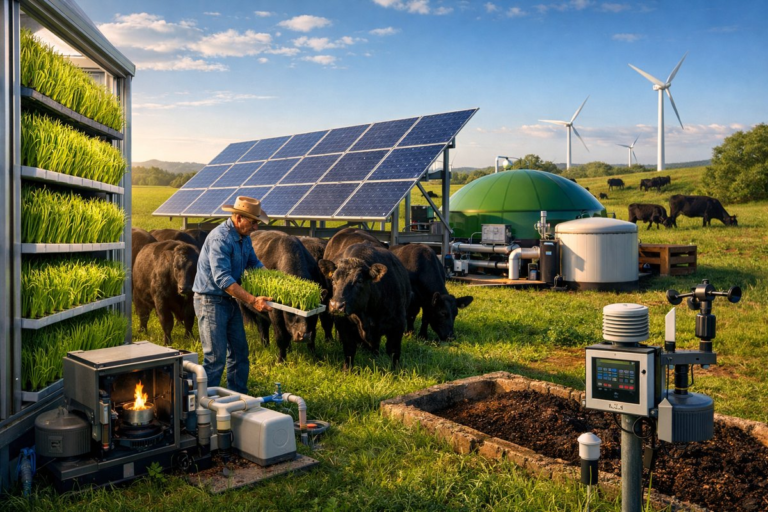
Sustainable farms are also becoming energy producers. Solar panels on barn roofs provide electricity for lighting, pumps, and processing equipment, while wind turbines supplement grid power in windy regions. Manure and crop residues feed anaerobic digesters, generating biogas for heating or vehicle fuel. The resulting digestate circulates back onto fields as a nutrient-rich fertilizer, closing the loop on waste streams.
Circularity extends to packaging too. Reusable containers, compostable bags, and bulk dispensers minimize single-use plastics. On-site processing facilities handle small batches of dairy, meat, and vegetables, capturing added value locally and fostering jobs. By integrating production, processing, and distribution, these diversified operations become more resilient to market swings and climate extremes.
The movement toward sustainable farming and livestock care is not about a single silver bullet; it’s a mosaic of complementary practices, technologies, and collaborations. It hinges on curiosity, experimentation, and a willingness to learn from both tradition and innovation. Farmers, extension agents, entrepreneurs, and researchers are co-creating resilient systems that restore ecosystems, improve animal welfare, and support thriving rural communities.
As global demands for food and fiber rise, these integrated models offer a path to balance productivity with planetary health. By investing in soil, water, animals, and digital tools, today’s stewards are cultivating landscapes that can weather uncertainty and flourish for generations to come.