Location
Mount Vernon, WA 98274

Location
Mount Vernon, WA 98274
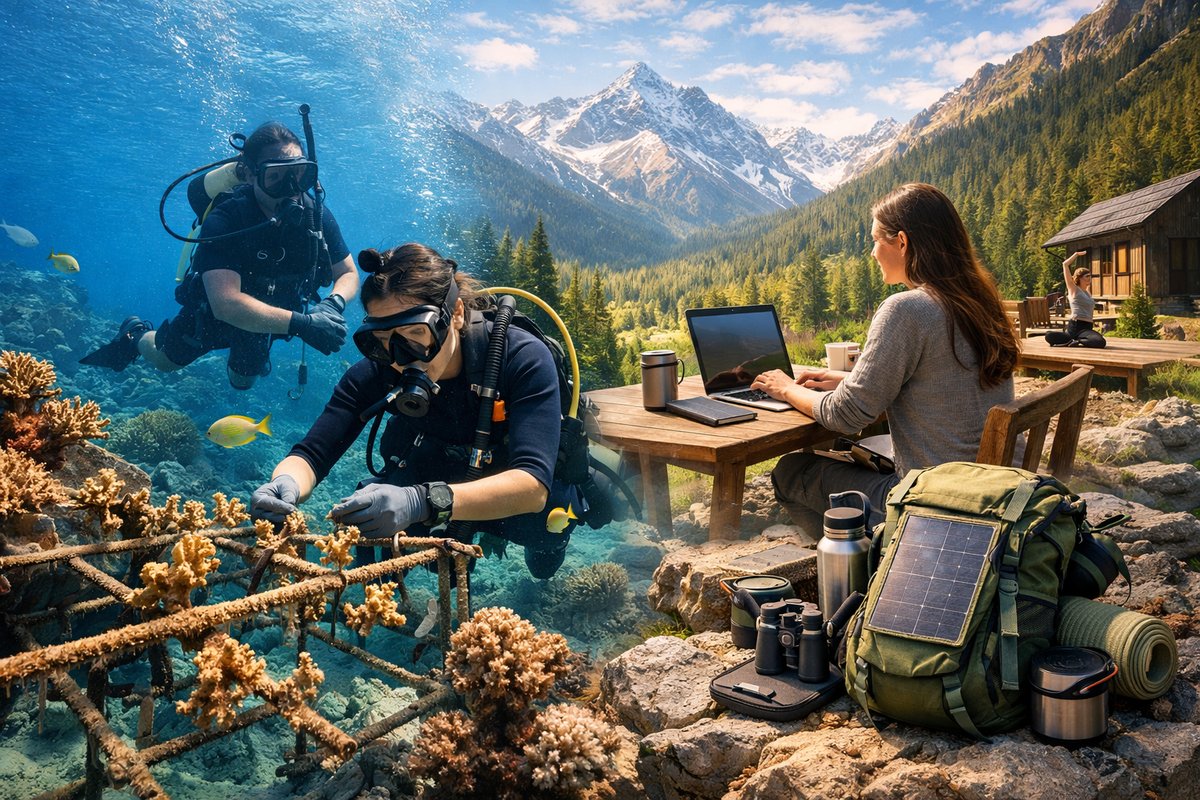
From reef restoration projects in coastal communities to remote co-working retreats in mountain towns, modern travelers are seeking journeys that blend personal enrichment with environmental and cultural impact. This article explores how sustainable, immersive experiences are reshaping tourism, highlighting emerging trends, real-world programs, and the gear that makes these adventures possible.
In the months following a resurgence of global tourism, a new paradigm has taken hold: travelers are no longer satisfied with ticking off landmarks or chasing the perfect sunset selfie. They want journeys with purpose-adventures that leave a positive mark on the planet and the communities they visit. Whether diving into coral reef restoration, joining regenerative farming initiatives, or setting up a remote office in a mountain hamlet, purpose-driven travel is forging deeper connections between people and places.
A recent survey by a leading booking platform found that more than 80 percent of respondents prioritized sustainable practices when choosing accommodations. Meanwhile, the International Air Transport Association projects passenger numbers will return to pre-pandemic levels and continue climbing. These overlapping trends point to a shift in priorities: wanderlust fused with responsibility.
On a sun-bleached beach in Southeast Asia, a handful of volunteers grin behind snorkel masks as they secure fragments of coral onto underwater frames. This is a coastal village that once relied solely on fishing, now attracting eco-travelers eager to lend a hand in reef restoration. The project is coordinated by an international reef conservation initiative that offers weeklong stints for participants with no prior scientific background. Gear requirements are minimal: a wetsuit, reef-safe sunscreen, a waterproof journal-and a desire to learn.
“I expected an excursion-what I got was a classroom underwater,” says one participant, who tracked changes in water temperature and coral growth rates alongside marine biologists. The experience not only deepened their understanding of climate impacts on ecosystems, but also provided local families with a new income source through homestays and guided tours. The model of community-based tourism is rooted in reciprocity: hosts share culture and knowledge, while guests invest time, skills, and funds.
Half a world away in the Pyrenees, digital nomads have discovered the charm of high-altitude villages that offer coworking spaces carved into converted barns. Reliable satellite internet and solar arrays power laptops and coffee percolators, while hiking trails and village markets provide respite from screen time. One eco-innovation hub reports that remote workers now account for nearly 40 percent of its residents during the off-peak season, boosting local businesses that once faced year-round closures.
“I never thought I’d reply to emails from a shepherd’s terrace overlooking pine-covered slopes,” remarks another traveler. “But balancing work sprints with morning yoga and afternoon treks has become my new normal.” This blend of productivity and immersion is what industry insiders call “slow adventure,” where the goal isn’t to check boxes but to savor each moment.
Such journeys come with logistical hurdles. Travelers must navigate inconsistent power sources, limited grocery supplies, and language barriers. Yet this very uncertainty can be part of the appeal: improvising dinner from local produce, charging devices via portable solar panels, and learning basic phrases in the local tongue foster adaptability and deeper engagement.
Aside from the social and environmental impact, there’s an economic ripple effect. A community that hosts regenerative agriculture workshops, for instance, gains new markets for heirloom grains and preserves. Tour operators are exploring carbon-neutral transport options-electric minibuses, e-bike rentals, even shared kayak shuttles in fjord regions. These options cater to travelers seeking to offset footprint without sacrificing exploration.
Meanwhile, urban adventurers have embraced “daycation” itineraries that spotlight nearby green spaces. City parks have hosted pop-up workshops on composting and birdwatching, inviting residents to engage in conservation without a plane ticket. Municipalities report increased park usage by families and solo travelers alike, transforming public green belts into living classrooms.
Looking ahead, experts predict several growth areas in purpose-driven travel. Regenerative retreats will combine wellness practices-sound baths, herbal medicine workshops, forest bathing-with active participation in reforestation or wetland recovery. Wildlife corridors may open to small groups under the supervision of conservation biologists, providing authentic glimpses into endangered species management. Crowdsourcing platforms could let travelers contribute micro-grants to grassroots sustainability projects in real time.
Yet with opportunity comes responsibility. Tourism boards and operators are under pressure to ensure that community involvement is equitable, that profits aren’t siphoned away by outside investors, and that environmental regulations are strictly enforced. Transparency in pricing, clear communication about volunteer expectations, and long-term support frameworks are becoming nonnegotiable standards in this evolving sector.
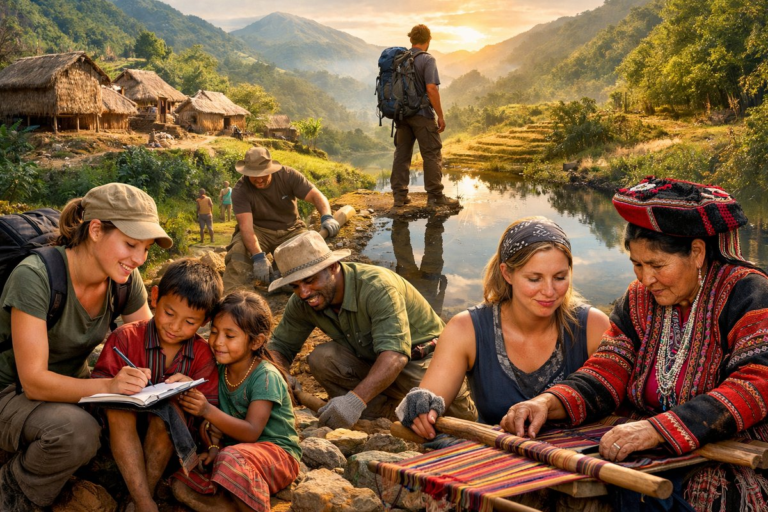
For travelers, the takeaway is clear: a trip can be more than a break from routine-it can be a chance to co-create positive change. Whether you’re planting seedlings in a highland watershed, documenting traditional weaving techniques, or simply choosing a local homestay over a chain hotel, your choices resonate far beyond your itinerary.
As purpose-driven travel cements its place in the mainstream, the gear you pack will reflect that ethos: lightweight and durable, renewable power sources, refillable containers, versatile attire, and tools that support both exploration and stewardship. The right kit doesn’t just make logistics smoother-it reinforces your commitment to meaningful adventure.
The landscape of travel has been forever altered. Travelers now view their journeys not as brief escapes, but as chapters in an ongoing story of cultural exchange and environmental restoration. With each purposeful trip, participants help redefine what it means to explore the world-not as outsiders, but as contributors to the wellbeing of places and people they visit.
Whether you’re plotting your first eco-volunteer stint or seeking a slower rhythm in a remote valley, the era of shallow tourism has ended. In its place is a movement fueled by curiosity, empathy, and a shared desire to leave destinations better than we found them. The compass points not just to new destinations, but to the collective impact we can make along the way.
As you plan your next journey, consider the roles you want to play: observer, participant, collaborator. Choose programs that prioritize local voices and long-term sustainability. Pack gear that treads lightly. And remember that the most enduring souvenirs may not be photos, but memories of communities uplifted and ecosystems healed.
This is travel reimagined: purposeful, regenerative, and endlessly inspiring.