Location
Mount Vernon, WA 98274

Location
Mount Vernon, WA 98274
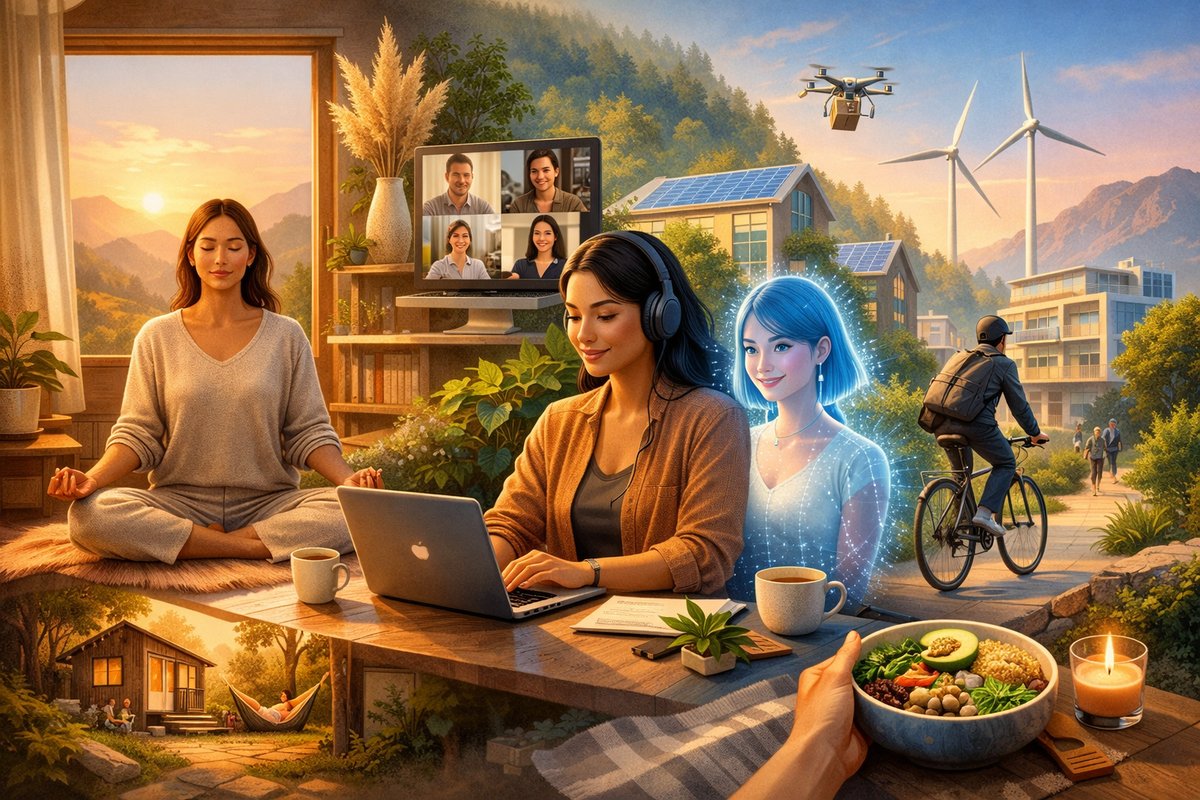
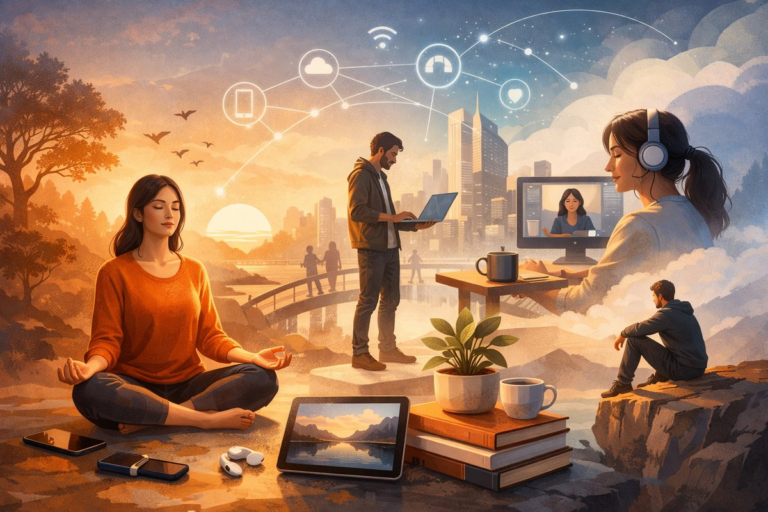
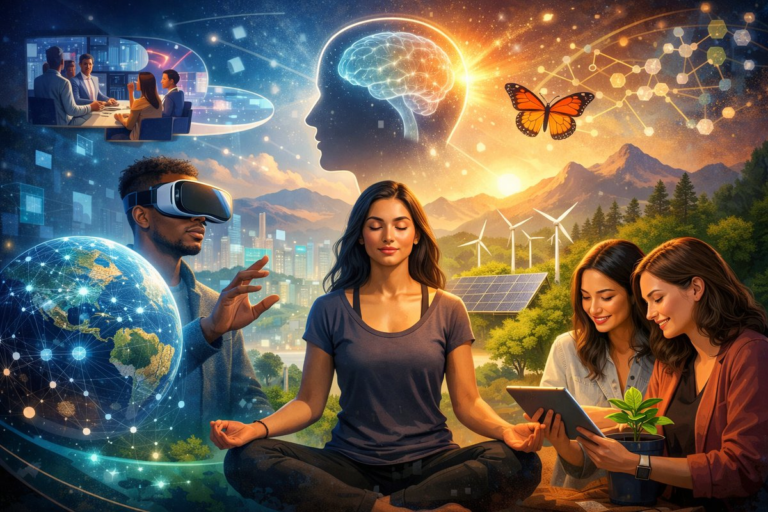
A new wave of social phenomena is reshaping the ways we work, connect, and care for ourselves. From slow living movements to digital companions powered by AI, these patterns reveal how culture, technology, design, and daily rituals are converging toward more mindful, hybrid, and sustainable lifestyles.
In living rooms turned home offices and city streets beckoning pop-up co-working caravans, a mosaic of signals suggests that our routines and aspirations are in flux. Beyond fleeting fads, these patterns form a broader cultural tectonic shift-one that blends intentional slowness, digital empowerment, and community resilience.
The Slow Living Renaissance
A growing cohort of urban dwellers is recalibrating against the churn of hustle culture. Weekend farmers markets brim with hand-crafted ceramics and small-batch preserves, while social media feeds showcase ritualized journaling, mindful cooking, and sunlit street photography. For many, slowing down is no longer indulgence but necessity: an antidote to digital burnout and the omnipresent pressure to optimize every minute.
Cafés that once chased speed serve communal tables with no-wifi sections. Local bookshops host analog letter-writing nights, and coworking spaces designate “silent floors” for deep work. These curated environments invite us to reclaim focus and savor ordinary moments-transforming morning coffee into a ceremony rather than a caffeine pipeline.
Digital Detox and Technological Mindfulness
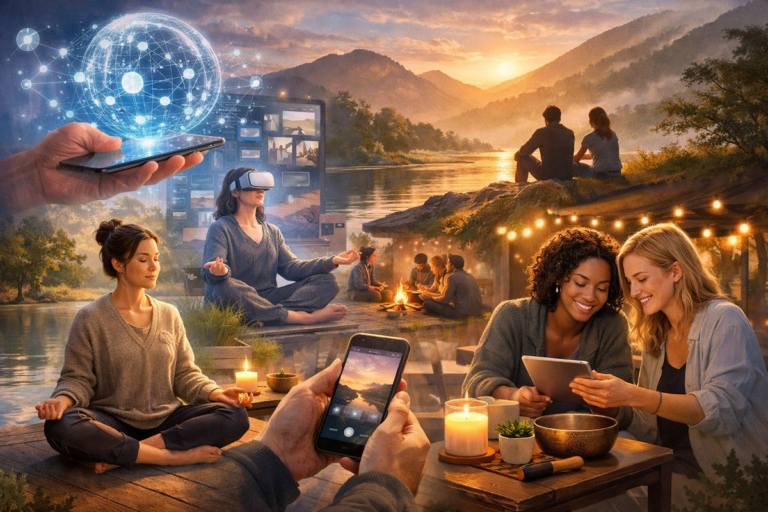
Paradoxically, the tools contributing to distraction are also being repurposed for presence. Emerging smartphone apps track screen time, block social feeds after sunset, or gently nudge users toward meditation when stress metrics rise. Wearable devices once celebrated for step counts now prompt breathing exercises and mindfulness breaks.
This shift extends to design philosophies: minimalist user interfaces, dark-mode presets aimed at reducing eye strain, and voice-controlled assistants programmed for privacy by default. Rather than craving constant connectivity, many users now value curated digital experiences that honor circadian rhythms and mental health.
Hybrid Work and Office Fluidity
The pandemic accelerated remote work, but the trend has evolved beyond binary home versus office. Organizations test fluid environments: pop-up work hubs in repurposed shipping containers, coffee shops offering hourly desks, and community centers retrofitted for online collaboration. Employees rotate between focused home workdays and social “collision days” designed to spark spontaneous idea exchanges.
Ergonomic desks that convert to standing positions, compact soundproof booths for video calls, and modular office furniture that adapts to living rooms all reflect this hybridity. Sustainability is baked into these designs: reclaimed wood desks, recycled-fiber acoustic panels, and energy-efficient LED task lighting highlight an eco-conscious approach to productivity.
AI Companions and Digital Empathy
Artificial intelligence is stepping into personal and social spaces once reserved for human interaction. Beyond scheduling bots and chat-based customer service, AI companions offer reflective conversation, creative brainstorming prompts, and even guided cognitive-behavioral therapy exercises. These virtual allies integrate natural language processing with sentiment analysis to respond with empathy.
Critics worry about overreliance on digital confidants, but proponents underscore the potential to democratize mental health support and foster emotional resilience. Early adopters share stories of midday check-ins from chatbot coaches that reinforce positive habits or suggest micro-break routines when stress indicators spike.
Designing for Resilience and Localism
Global supply-chain disruptions and climate-driven uncertainties have galvanized a return to local production. Makerspaces, micro-factories, and community gardens sprout in urban neighborhoods, fostering resourceful collaboration. Workshops on upcycling textiles, mushroom cultivation kits, and neighborhood tool-sharing platforms anchor circular-economy principles at the grassroots level.
Architects and urban planners champion “15-minute cities” where basic needs-groceries, parks, healthcare-are reachable on foot or by bike. Mixed-use developments with integrated co-housing units enable residents to pool energy and share amenities, reducing ecological footprints while nurturing social networks.
Biohacking Meets Holistic Health
From homegrown fermented foods to ergonomic keyboard pads, biohacking is shedding its high-tech aura and embracing everyday wellness practices. Adaptogenic herbal supplements join smart hydration bottles, tracking electrolyte balance throughout the day. Infrared saunas and near-infrared light panels migrate from luxury spas into compact home studios.
DIY genetic-testing kits spark curiosity about nutrient metabolism, but more pervasive is the quest for noninvasive, low-cost interventions. Journals record quantified-self metrics: sleep quality, heart-rate variability, and mood logs. Blood-pressure monitors link wirelessly to mobile dashboards, enabling real-time feedback loops that inform lifestyle tweaks.
Community Rituals and Creative Collaboration
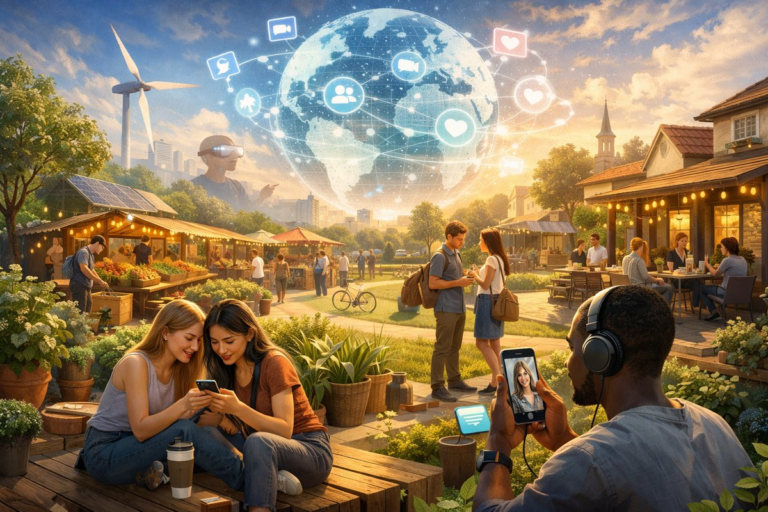
Across neighborhoods, informal art salons and mobile stage trucks showcase local talent-spoken word, experimental jazz, interactive installations. These pop-up events blur the line between audience and participant, injecting spontaneity into public spaces. Digital platforms amplify micro-communities: hyper-local neighborhood apps coordinate potlucks, tool exchanges, or group bike rides.
Youth-driven maker fairs spotlight sustainable DIY projects-solar-powered backpacks, compostable 3D-printed planters-while elder circles preserve traditional crafts. Intergenerational collaboration transforms abandoned lots into guerrilla gardens and ephemeral theaters, reinforcing the social fabric.
What’s Next? Tracking the Signals
As these trends coalesce, they reveal a collective yearning for balance: blending efficiency with introspection, digital currency with human currency, global connectivity with local rootedness. Monitoring these emerging patterns offers clues about where design, technology, and culture will intersect next.
Will AI companions evolve into lifelong learning partners? Can hybrid-urban models scale to meet climate challenges? How might slow-living principles inform the next wave of hardware innovation? While definitive answers remain horizon-bound, the signals are clear: we’re charting a course toward more mindful, adaptable, and community-centered ways of living.
For administrators, designers, and curious readers alike, these insights underscore the interplay between personal rhythms and collective shifts. Whether equipping a quiet nook for focused work or joining a pop-up greenhouse project, the emerging patterns invite active participation. The future isn’t a distant broadcast-it’s a mosaic we assemble, one intentional choice at a time.