Location
Mount Vernon, WA 98274

Location
Mount Vernon, WA 98274
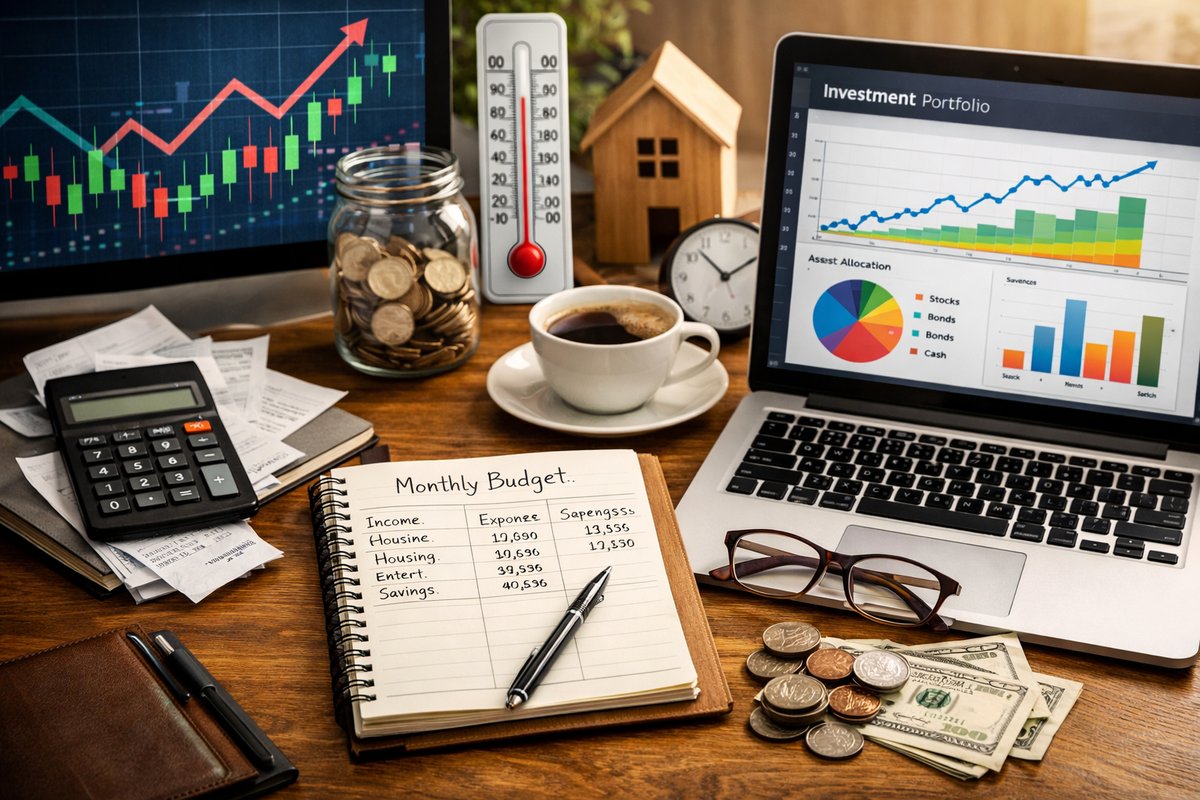
Amid cooling inflation and rising interest rates, households face a new financial landscape that demands both clarity and confidence. As consumer spending patterns adjust, individuals are turning to a mix of digital and analog tools to simplify budgeting and investing without drowning in jargon.
Central banks around the world have spent the past year incrementally raising interest rates to temper inflationary pressures, and recent data shows headline inflation edging closer to long-term targets. While headline figures hint at moderation, everyday experience remains mixed: grocery bills and energy costs still grab headlines, even as wage growth begins to outpace price increases in key sectors. This tug-of-war between progress and pinch has left many savers and spenders alike reevaluating their approach to household finance. In a climate where small shifts in rates can ripple through mortgages, auto loans, and credit card balances, the need for a clear, jargon-free strategy has never been greater.
Household budgets often feel like living documents-constantly updated yet perpetually unfinished. When incomes climb at a slower clip than rising costs for rent, childcare, or groceries, families must make deliberate choices about where every dollar goes. Recent polling suggests nearly half of adults now track expenses more closely than they did two years ago, favoring zero-based budgeting or envelope methods to assign every expense a purpose. These analog approaches can help curb impulse spending, but they often need digital backup to capture recurring subscriptions and seasonal outlays. That dual system-physical envelopes for everyday expenses, digital tracking for automated charges-has emerged as a popular compromise for those seeking control without complexity.
On the digital side, a new generation of budgeting apps and spreadsheet templates has exploded in popularity. Simple interfaces let users categorize transactions in real time, while built-in features can project end-of-month balances or alert users when they’re close to overspending in categories like dining out or entertainment. For more sophisticated portfolios, robo-advisors and fractional share investing platforms offer low-fee access to diversified equity baskets without requiring a minimum balance. These services leverage algorithmic rebalancing to adjust allocations as markets fluctuate, effectively democratizing strategies once reserved for high-net-worth individuals. Yet despite the efficiency of automated investing, experts caution that tools are only as good as the data they receive-accurate categorization and consistent input remain crucial.
Analog planning journals have seen a surprising resurgence among those seeking a tactile connection to their finances. Dedicated ledger books with pre-printed budgeting frameworks and habit trackers help users visualize progress over weeks and months. Envelope systems-once the hallmark of frugal households-are back in vogue, this time backed by digital logbooks that sync with mobile apps. This hybrid workflow marries the satisfaction of writing down each expense with the convenience of automatic backups and reporting dashboards. Whether it’s marking off a successful week of sticking to a meal-plan budget or logging a surprise bill to the “emergency” envelope, physical journals reinforce financial accountability with every pen stroke.
Investing strategies have also adapted to uncertainty. Fractional share offerings let newcomers buy slices of high-price stocks and ETFs without committing huge sums. Commission-free trading has driven down barriers even further, encouraging micro-investors to participate in markets once perceived as exclusive. Exchange-traded funds tracking broad themes-like technology, sustainable energy, or emerging markets-allow for targeted exposure with single-ticker convenience. As the narrative around investing shifts from stock-picking to portfolio construction, these index-based approaches help first-time investors build diversified positions that can weather near-term volatility.
Sustainability and ethical investing have moved from buzzword status to mainstream considerations. Green bonds, social impact funds, and ESG-screened portfolios now command billions in assets under management. Retail investors can support renewable energy projects or community development initiatives through themed ETFs and fractional bond platforms. Even everyday purchases play a role: cashback credit cards that reward eco-friendly spending or donation features that round up transactions to fund reforestation programs. With climate risk top of mind for more consumers, aligning money with personal values has become a core component of long-term planning.
The modern home office has become the command center for financial planning and investment research. Ergonomic keyboards and adjustable monitor arms reduce fatigue during spreadsheet marathons, while portable external monitors deliver extra screen real estate when juggling multiple budgeting tools. Noise-cancelling headphones help maintain focus during virtual consultations with financial advisors or when analyzing market data on earnings calls. A clutter-free workspace, supported by cable organizers and wireless charging pads, can improve efficiency by minimizing distractions and friction points throughout the day. As personal finance shifts toward self-directed management, the right hardware can make the difference between a day of productive decision-making and one lost to technical hiccups.
Amid concerns over cyberattacks and data breaches, privacy and security have become non-negotiable priorities. Hardware wallets and encrypted USB drives offer offline storage for sensitive documents like tax returns and account statements. RFID-blocking sleeves shield contactless cards from electronic pickpocketing, while password manager apps generate unique credentials for every financial login. Layered security protocols-two-factor authentication paired with biometric verification-help prevent unauthorized access. In a world where identity theft and phishing scams remain pervasive, taking proactive steps to safeguard digital assets is essential for long-term financial well-being.
Financial experts emphasize that building confidence stems from consistent, incremental wins. Tracking every dollar, reviewing net worth quarterly, and setting aside time for monthly goal-setting sessions can turn budgeting from a chore into a habit. Online communities and peer groups offer support, tips, and accountability for novice savers. Whether you’re paying down a student loan or navigating your first investment portfolio, shared experiences can turn uncertainty into motivation. Celebrating small milestones-like hitting a savings target or rebalancing a portfolio-reinforces positive behavior and keeps momentum alive.
Looking beyond today’s headlines, the next frontier in personal finance looks to artificial intelligence and richer data streams. Predictive forecasting tools may soon anticipate bill spikes or recommend budget adjustments before overspending occurs. Biometric authentication and decentralized identity solutions promise frictionless yet secure access to financial accounts. But no matter how advanced the tools become, the core principles of clarity and confidence remain unchanged. In an ever-evolving economic landscape, the best defense is a well-constructed plan, supported by tools-both digital and analog-that simplify decision-making and help individuals navigate complexity with calm assurance.