Location
Mount Vernon, WA 98274

Location
Mount Vernon, WA 98274
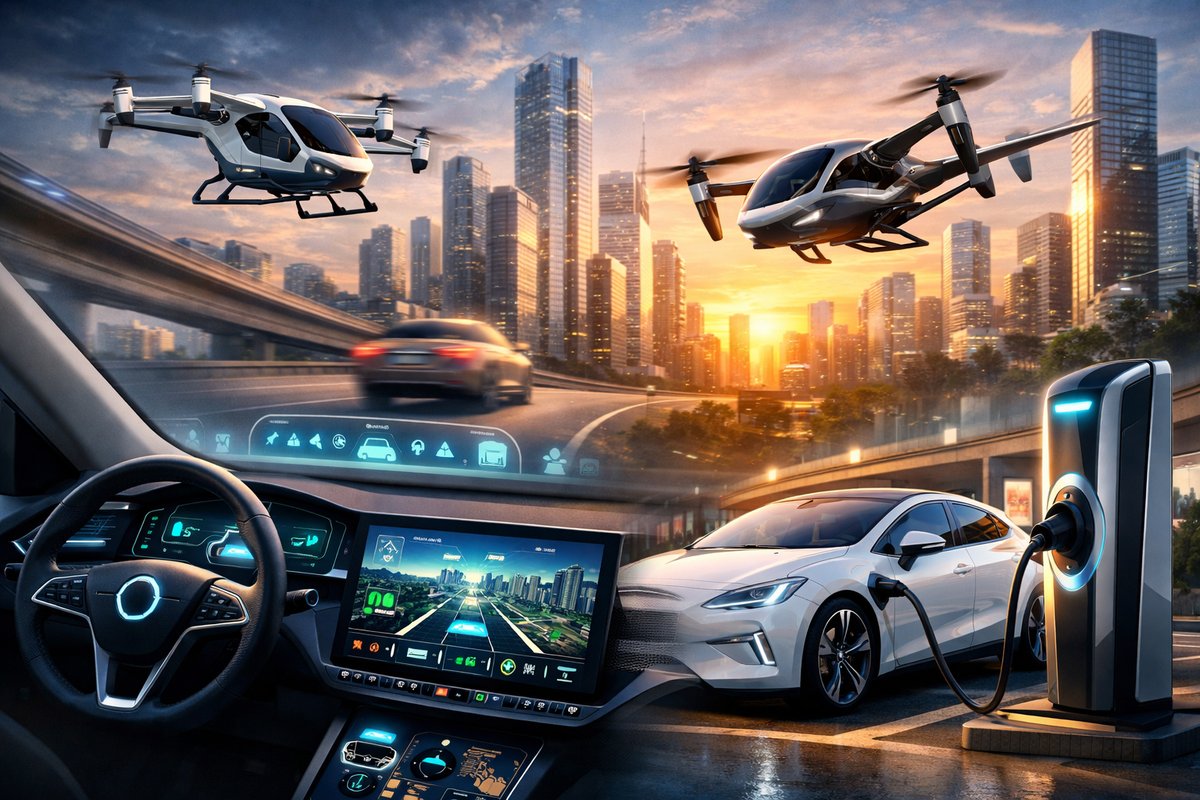
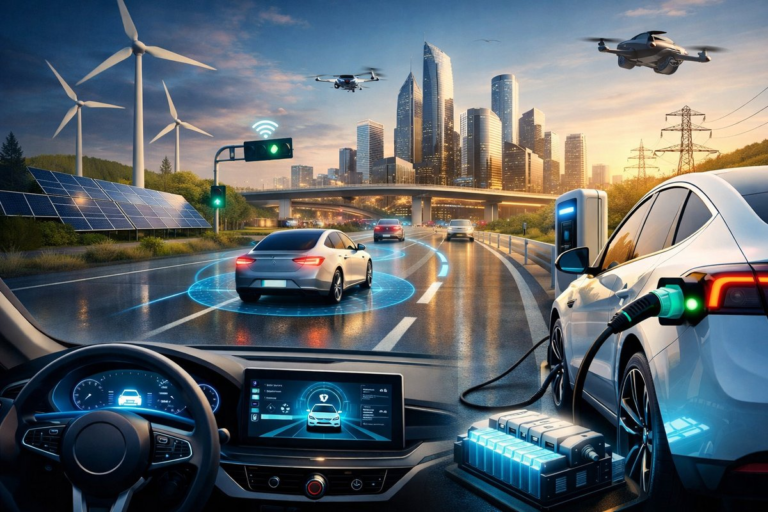
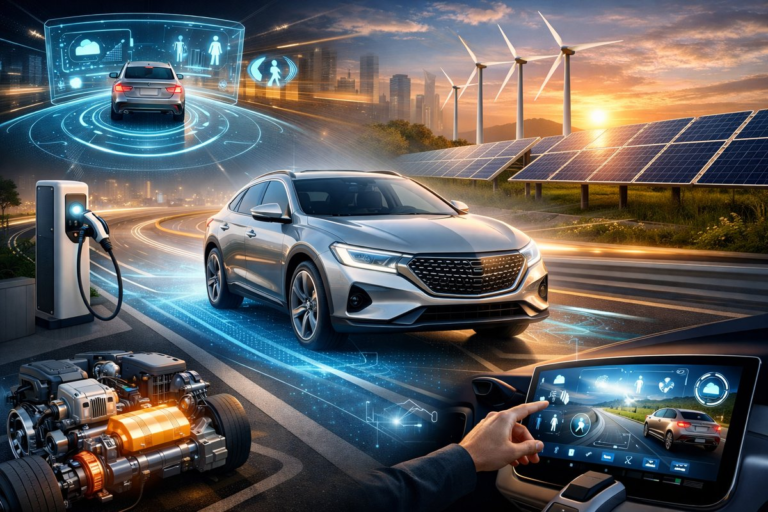
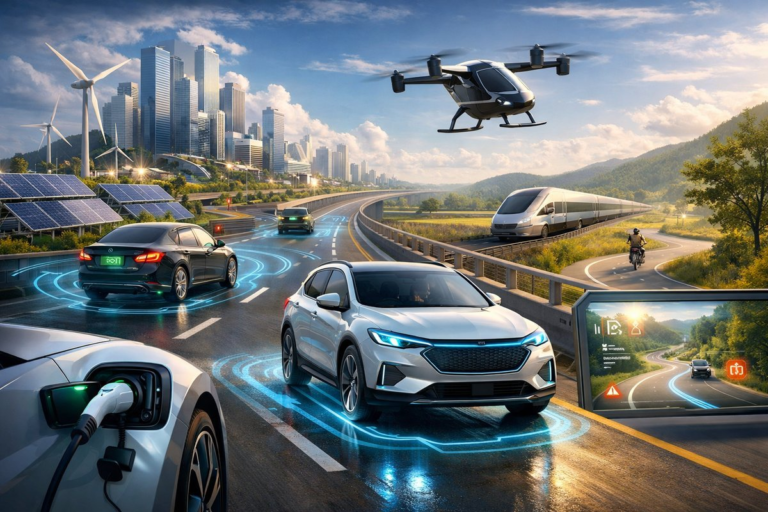
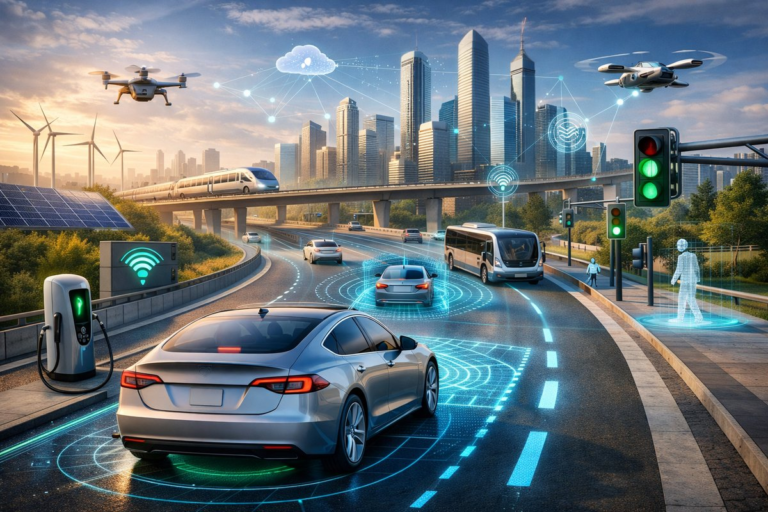
From smart dashboards and regenerative braking systems in electric vehicles to urban air mobility prototypes gliding through the skyline, transportation tech is rewriting the rules of the road. We explore the breakthroughs reshaping vehicle design, charging infrastructure, and the driver experience.
A wave of innovation is sweeping through the automotive world, transforming how we move across cities and continents. Electric powertrains once relegated to niche markets now dominate global auto shows. Advanced driver-assist systems blend with artificial intelligence to edge us closer to hands-free navigation. Meanwhile, reimagined batteries and charging networks are tackling range anxiety in real time. In labs and on test tracks, engineers are forging machines that not only transport us but learn from every mile, anticipate our needs, and leave a lighter footprint on the planet.
Under the hood, battery chemistry has leapt forward. Next-generation lithium-iron-phosphate packs deliver faster charging and enhanced thermal stability, boosting both safety and lifespan. Some startups are even piloting solid-state cells, promising energy densities that could double current EV range. These breakthroughs are paired with sophisticated battery management software. Rich telemetry streams to cloud platforms, offering insights on cell performance, heat patterns, and degradation over thousands of charge cycles. As a result, owners can receive predictive alerts when a module needs descaling or calibration, keeping vehicles running optimally.
Regenerative braking systems have likewise evolved from simple energy recapture to dynamic traction-control hubs. By modulating torque during deceleration, modern systems feed kinetic energy back into the pack with up to 95 percent efficiency. Drivers experience smoother stops and steadier control in slippery conditions, while vehicle range ticks upward with each coast-to-stop motion. On highways, adaptive cruise setups integrate seamlessly with these systems, automatically adjusting speed based on lead-car behavior, road grade, and even weather inputs. The net effect is a ride that feels tailored to every twist of the road.
In the cabin, smart dashboards bring together infotainment, navigation, and vehicle diagnostics under one glass screen. Haptic touch-feedback, gesture recognition, and natural-language voice controls cut through menu clutter, letting drivers access climate settings or real-time traffic updates without taking their eyes off the road. Over-the-air updates keep these systems current, rolling out new features like augmented-reality lane guidance or AI-curated playlists based on driving patterns and mood analysis.
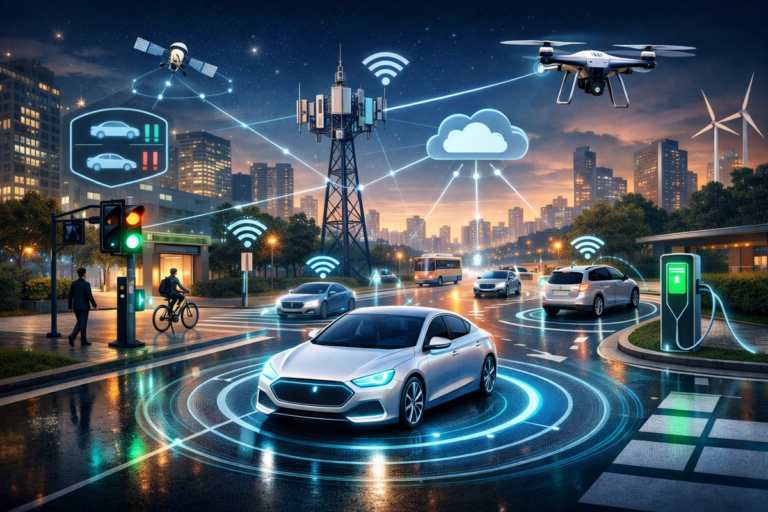
Connectivity extends beyond the vehicle itself. Charging stations are becoming intelligent nodes on a distributed network. Advanced chargers can communicate with solar installations or home battery systems, drawing energy when rates are low or the grid is under minimal load. Smart grid integration allows for vehicle-to-home or vehicle-to-grid backup power during outages. In some regions, municipalities are trialing pay-as-you-go charging models that adjust prices by demand, encouraging off-peak top-ups to smooth load curves on the electrical grid.
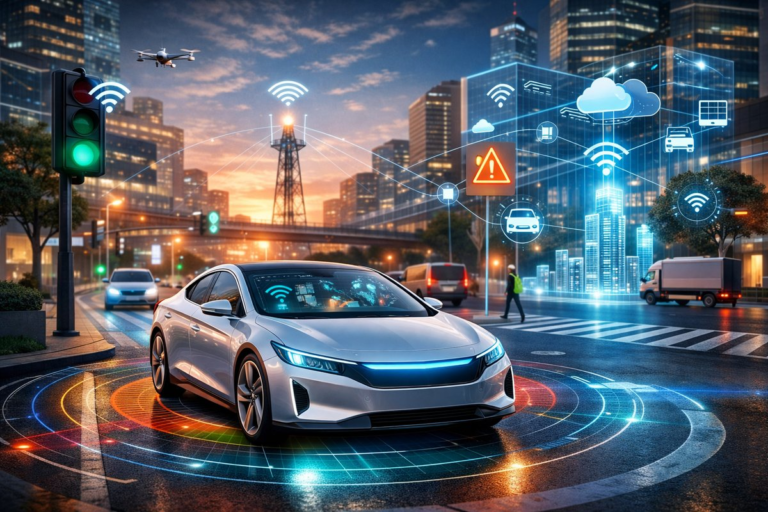
Autonomous technologies are advancing in parallel. Level-2 systems with lane-centering and automatic emergency braking are commonplace, but Level-3 hands-off driving is now under live pilot programs in several jurisdictions. These setups can handle congested highway commutes and stop-and-go traffic autonomously, handing control back to the driver only when complex urban maneuvers or construction zones are detected. Redundant sensor arrays-multispectral lidar, radar, and high-resolution cameras-create a 360-degree view of the environment, with custom silicon processors crunching data at teraflop rates to ensure split-second decisions.
Meanwhile, concept vehicles for urban air mobility are transitioning from renderings to prototypes. Electric vertical-takeoff-and-landing platforms (eVTOLs) aim to carry small groups over city centers, bypassing ground-traffic gridlock. These designs feature distributed electric propulsion for redundancy, modular battery packs for rapid turnaround, and noise-attenuation systems to meet strict urban noise ordinances. Air-traffic management for low-altitude corridors is being tested in coordinated trials involving local regulators, telecom providers, and airspace management authorities.
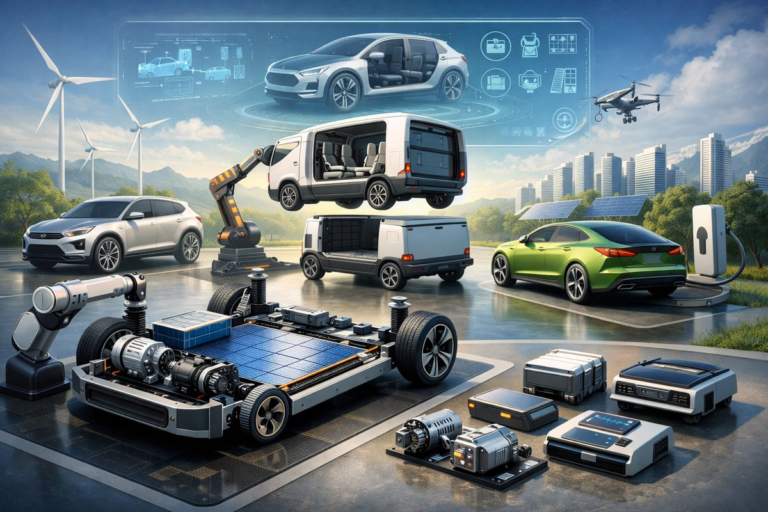
On the manufacturing floor, robotics and 3D printing are converging. Collaborative robots now stitch leather trim and insert tiny fasteners, while large-format additive printers produce structural interior panels and underbody fairings in carbon-reinforced polymers. This shift shortens design cycles, reduces tool-ing costs, and slashes material waste by up to 40 percent compared to traditional stamping processes.
Open-source software frameworks are also gaining traction in the automotive sector. From sensor-fusion stacks to vehicle-to-everything communication protocols, shared codebases enable smaller players to integrate cutting-edge features without building entire systems from scratch. Standardized APIs streamline interoperability between third-party apps-everything from roadside assistance networks to real-time pollution monitoring services that advise drivers on lower-emission routes.
The rise of shared mobility services adds another layer of complexity. Fleets of electric shuttles and robo-taxis require centralized fleet-management dashboards that optimize charging schedules, maintenance intervals, and route assignments. Predictive analytics flag vehicles likely to need tire rotations or coolant flushes, scheduling work during off-peak hours to maximize availability. Customer apps provide end-to-end trip planning, blending micro-mobility options like e-scooters and shared bikes to cover that first or last mile.
Despite these high-tech leaps, many drivers still hold a soft spot for classic internal-combustion models. Enthusiast communities online are thriving, sharing how-to videos on clutch rebuilds, carburetor tuning, and sheet-metal repairs. Aftermarket parts manufacturers cater to this market with performance camshafts, high-flow exhaust headers, and digital engine-management upgrades that bring older cars into the digital age-complete with real-time telemetry displays and integrated smartphone alerts.
With all these advancements, sustainability remains a central theme. Automakers are pledging to achieve carbon-neutral production by optimizing supply chains, reducing water usage in paint shops, and sourcing recycled steel and aluminum. At end of life, battery recycling initiatives use hydrometallurgical processes to recover critical elements like lithium, cobalt, and nickel. Closed-loop programs feed these materials back into new cell production, shrinking the ecological footprint of electric vehicles.
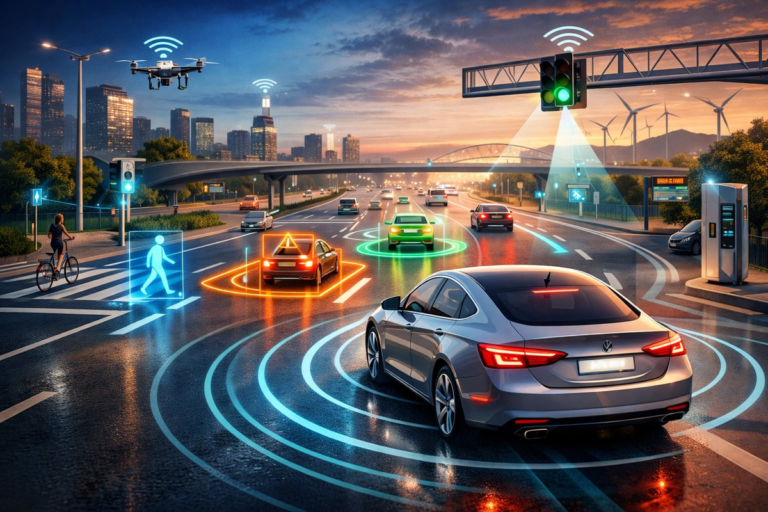
Safety innovations are expanding beyond collision avoidance. In smart cities, connected intersections broadcast signal timing and pedestrian-crosswalk data to approaching vehicles, enabling emergency braking for jaywalkers and cyclists. Night-vision systems powered by infrared cameras detect animals or pedestrians before they appear under headlamp illumination. Even seat-foam formulations are being reengineered with biodegradable, plant-based materials that don’t rely on petroleum byproducts.
For drivers, the landscape of in-car accessories continues to evolve alongside these core innovations. Portable jump starters with built-in air compressors stand ready for roadside emergencies. Dash-mounted cameras record unexpected incidents for insurance claims, while magnetic smartphone mounts enable safe, one-handed navigation. Bluetooth-enabled OBD-II scanners provide DIYers with real-time engine metrics via a phone app, demystifying check-engine-light codes and enabling quicker on-the-fly diagnostics.
These innovations, once confined to luxury models or pilot programs, are cascading down through mainstream lineups. Entry-level crossovers now feature digital instrument clusters, adaptive LED matrix headlights, and smartphone-linked charging station locators. High-volume assembly plants produce millions of EVs annually, making zero-emission driving increasingly accessible. Even drivers content with gasoline powertrains can take advantage of hybrid brake energy recuperation and mild-hybrid start-stop systems.
As technology pours into every nook and cranny of vehicle design, the relationship between driver and machine is evolving. Cars have become nomadic living spaces, virtual offices, and entertainment hubs in transit. They’re guardians of personal data, too, logging speed, location, and behavioral patterns. This raises new questions about privacy and consent-areas where regulations are scrambling to keep up.
Yet for all the screens and sensors, the core appeal of travel endures. Road trips still evoke freedom and discovery, from winding mountain passes to coastal highways. Every turn offers new vistas, whether you’re behind the wheel of a sleek electric sedan or sharing an autonomous shuttle with fellow commuters. As mobility continues its rapid transformation, one thing remains constant: the joy of motion, the thrill of the open road, and the stories we gather along the way.