Location
Mount Vernon, WA 98274

Location
Mount Vernon, WA 98274
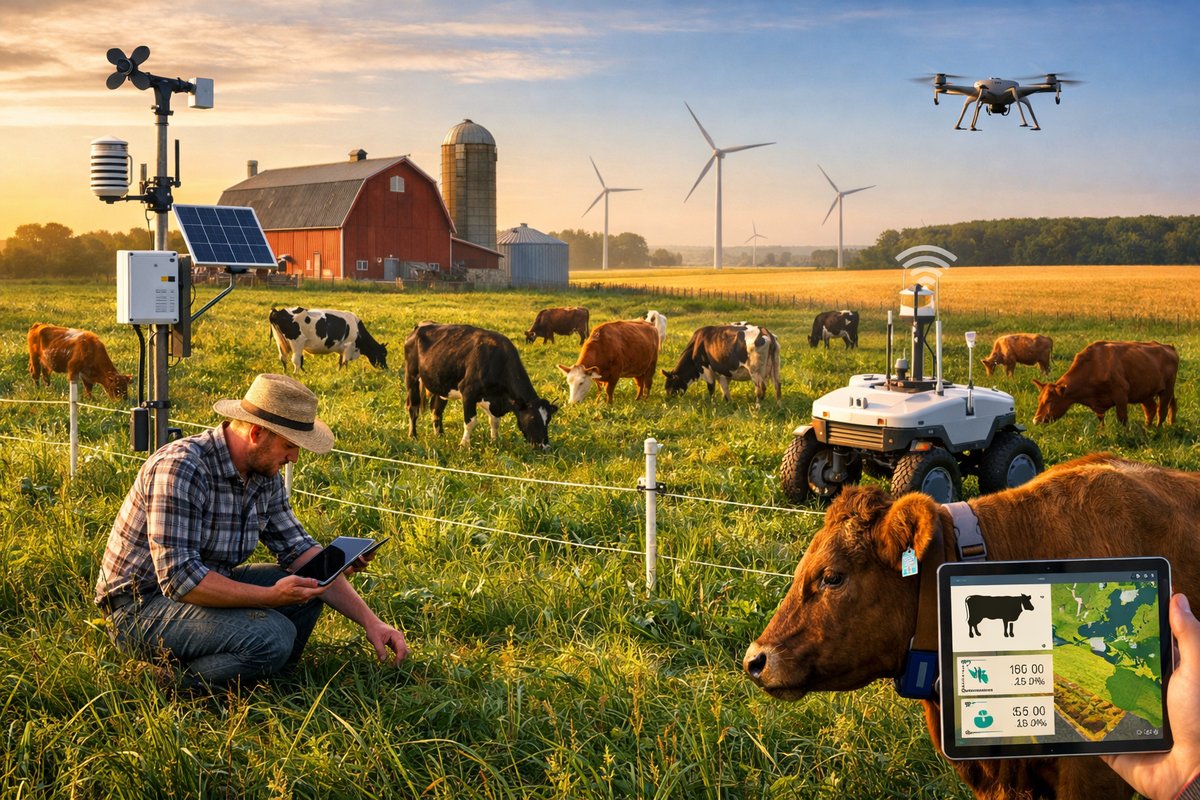
From regenerative grazing strategies to cutting-edge sensor networks, farms across the heartland are embracing sustainable methods to boost productivity and animal welfare. As climate pressures and consumer demand for transparency grow, rural innovators are pioneering solutions that bridge tradition and technology.
Across rolling fields and dry pastures, a quiet revolution is underway. Farmers and ranchers in regions from the Great Plains to temperate valleys are rethinking how they grow feed, manage herds, and steward natural resources. This movement isn’t driven by marketing slogans or fleeting trends; it’s a response to tightening profit margins, shifting climate patterns, and evolving consumer expectations.
In a recent pilot program in the Midwest, a cluster of mixed grain and cattle operations adopted regenerative grazing systems that rotate livestock through smaller paddocks. By allowing grasses to rest and recover between grazing periods, these ranchers have seen soil organic matter increase by up to 15 percent over just three grazing cycles. That translates to healthier pastureland, improved water infiltration, and more robust forage-even during dry spells.
Data underpins many of these advances. According to agricultural extension reports, farms that integrate cover cropping and rotational grazing cut synthetic fertilizer use by nearly 25 percent within two seasons. Meanwhile, nutrient runoff into nearby waterways has dropped by an average of 40 percent. Such figures are no longer confined to academic journals; they’re driving on-farm decisions and influencing regional land-use policies.
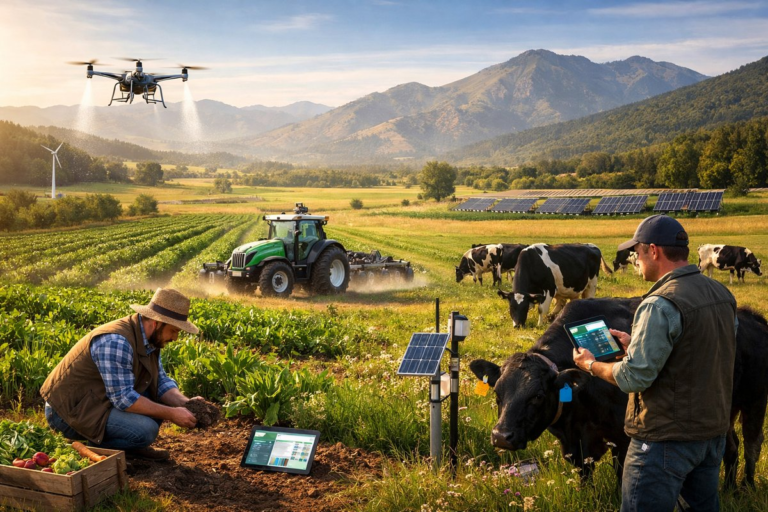
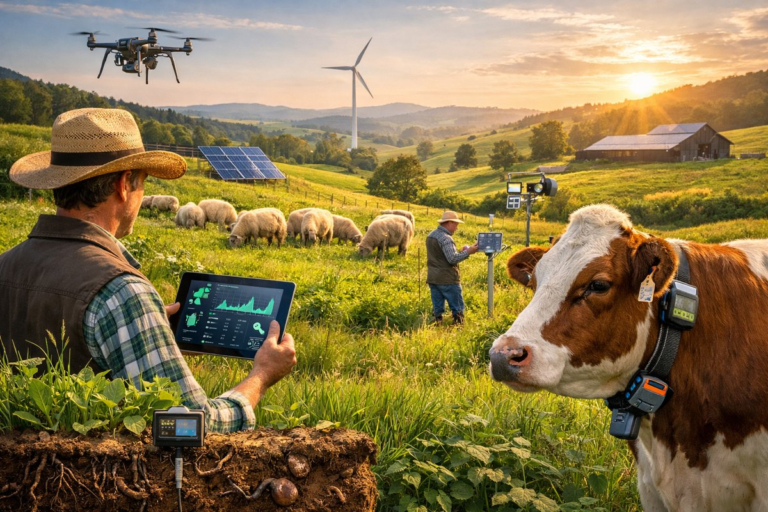
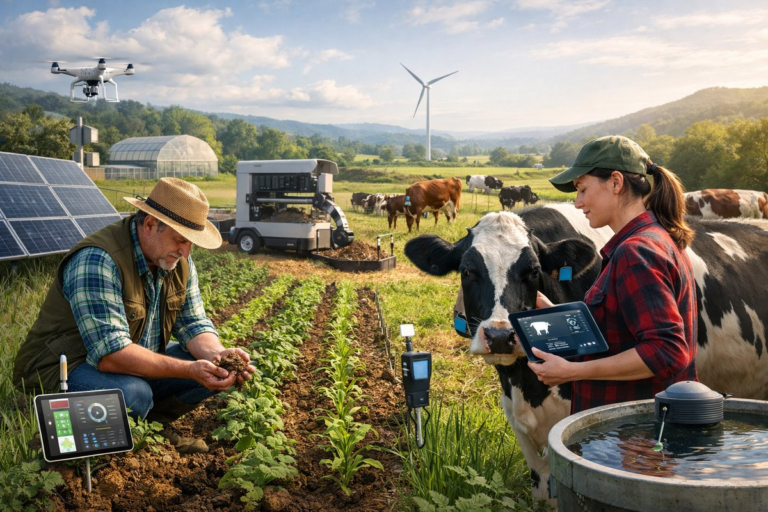
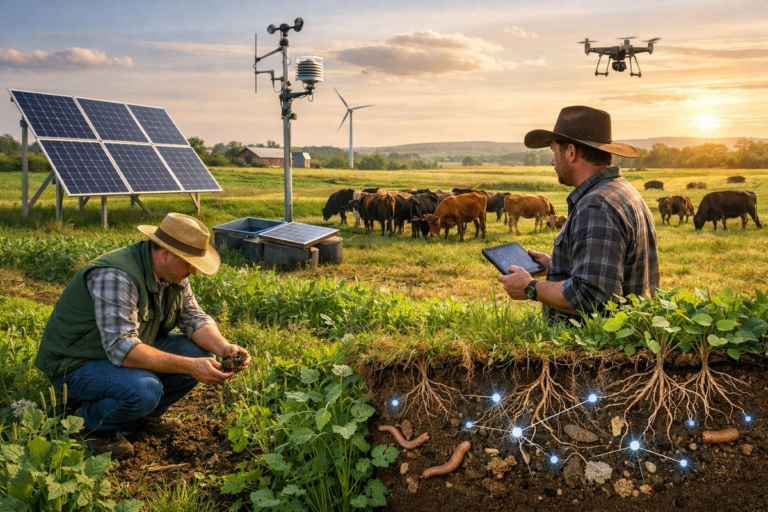
Technology is playing a central role in this evolution. Low-power soil moisture sensors now feed real-time data to handheld devices or web dashboards, guiding precisely timed irrigation. On one Idaho dryland farm, an array of remote probes helped reduce water use by 30 percent during peak summer growth. Solar-powered pumps deliver drinking water to flock-pens and troughs miles from the main barn, eliminating the need for diesel generators or frequent tank refills.
Animal care is also seeing a high-tech makeover. Digital ear tags equipped with health-monitoring sensors track core body temperature, movement patterns, and feeding behaviors for each cow or sheep. Alerts trigger when an animal’s vitals stray from established norms, enabling early intervention and reducing reliance on blanket antibiotic treatments. Producers report lower veterinary bills and faster recovery times as a result.
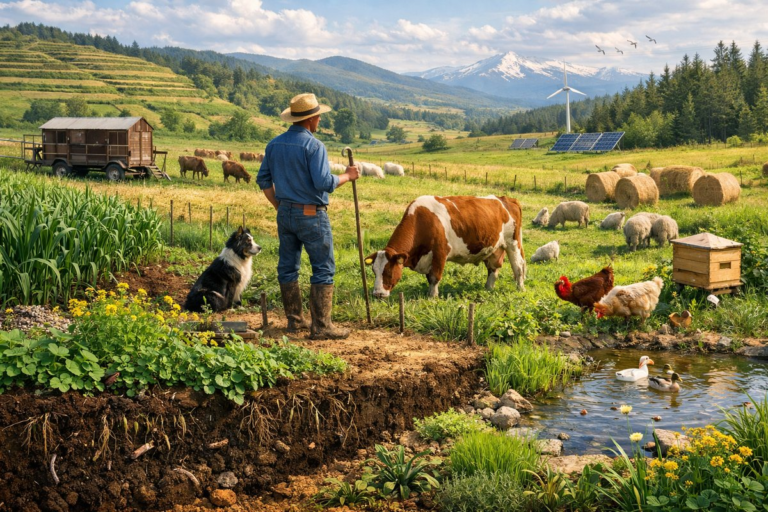
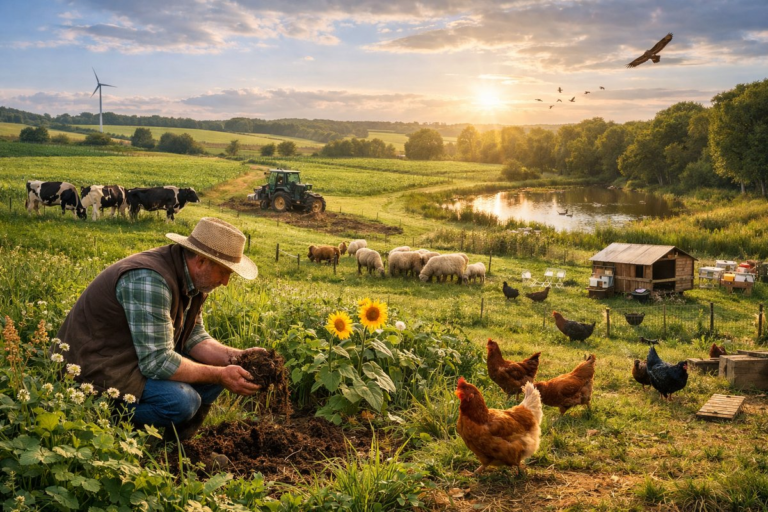
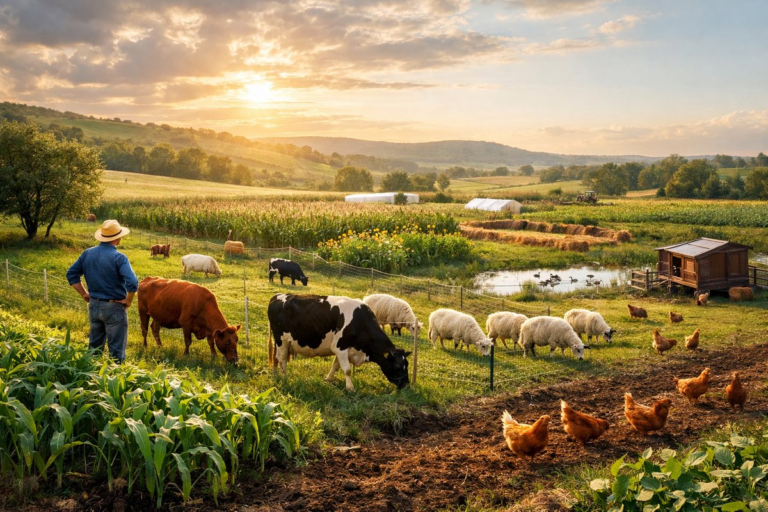
But sustainable livestock management isn’t just about electronics. Traditional wisdom is finding new currency. Rotational grazing mimics patterns once dictated by predators and natural herd movement. Farmers are reintroducing multi-species grazing-alternating cattle, sheep, and goats on the same pasture-to target different weed species and promote diverse sward composition. That biodiversity not only fortifies ecological resilience but also spreads risk if one feed type falters.
Beyond the pasture gate, rural communities are embracing innovative business models. In the Pacific Northwest, smallholder ranchers have formed digital cooperatives that connect directly with urban markets. Subscribers receive weekly boxes of grass-fed beef, free-range poultry, and seasonal wool products, sidestepping traditional supply chains and capturing a larger share of retail value. The success of these community-supported agriculture (CSA) initiatives has inspired mobile slaughter units, allowing producers in remote areas to meet inspection standards without lengthy transport.
Even the simplest tools are being reevaluated. On a family farm in the South, an upgraded compost thermometer has become as indispensable as the pitchfork. Monitoring internal pile temperatures helps optimize microbial activity, transforming manure and crop residues into rich soil amendments that boost pasture fertility. This closed-loop approach reduces fertilizer costs and curbs greenhouse gas emissions associated with open manure storage.
As sustainable practices gain traction, policy frameworks are slowly catching up. Federal and state grants now support equipment for cover cropping, water-efficient irrigation, and renewable energy installations on farms. Low-interest loans fund renewable thermal systems that heat greenhouses and livestock shelters using biomass or solar thermal panels. Yet navigating these programs remains challenging for many operators without dedicated grant-writing expertise.
Workforce shortages present another hurdle. Fewer young people are entering agricultural careers, and attracting skilled labor to rural regions can be difficult. In response, some farms have partnered with vocational schools and local colleges to offer apprenticeship programs in livestock management, renewable energy maintenance, and precision agriculture. These initiatives not only fill labor gaps but also inject fresh perspectives into long-standing production systems.
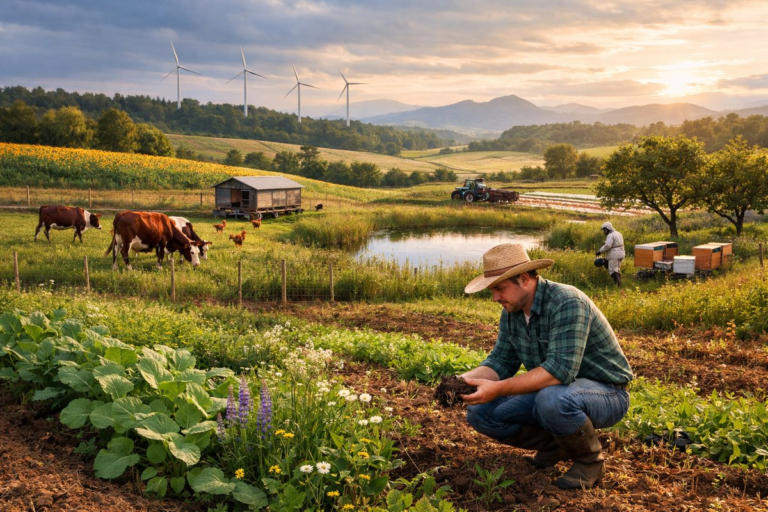
Despite these challenges, optimism runs high. A small dairy cooperative in the Northeast reports that their adoption of methane-capture systems in manure lagoons reduced greenhouse gas emissions by nearly half. Power generated from anaerobic digesters now lights off-grid lambing sheds and charges electric fencing controllers in winter paddocks. In Montana, a solar-and-battery microgrid has powered livestock watering systems through subzero temperatures, demonstrating that renewable energy can meet even the harshest farming demands.
The intersection of sustainable farming, animal welfare, and rural innovation is forging a resilient path forward. As climate volatility intensifies, markets demand transparency, and labor dynamics shift, the farms that adapt will be those that blend time-tested practices with creative experimentation. Whether through digital monitoring, regenerative grazing, or community-based marketing, these stewards of the land are charting a future that nourishes both people and planet.
In the months ahead, attention will turn to scaling these pilot successes across broader geographies. Policymakers, agronomists, and producers must collaborate to streamline funding, expand technical training, and develop region-specific best practices. If they can, the next generation of livestock operations may not only weather uncertainty but thrive as engines of rural revitalization and environmental stewardship.