Location
Mount Vernon, WA 98274

Location
Mount Vernon, WA 98274
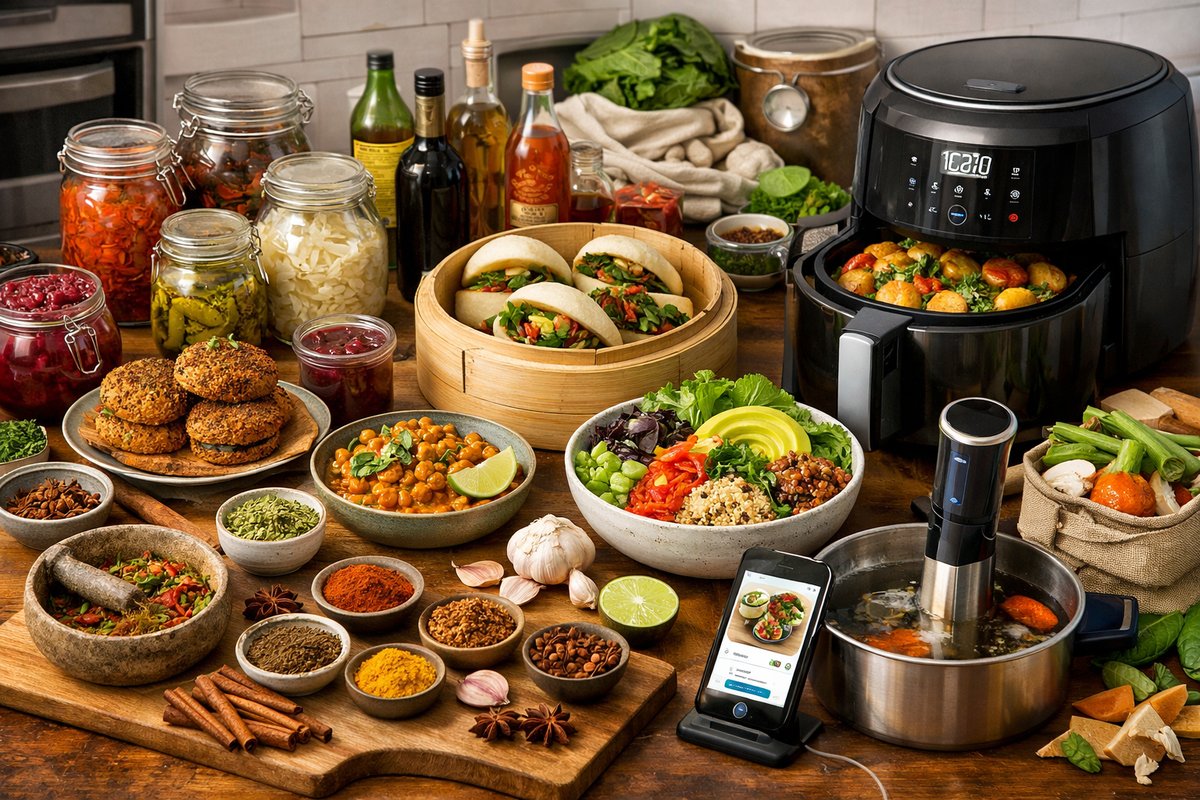
Home cooks are embracing fermentation, plant-based reinventions and global spice blends while tech-infused gadgets and zero-waste practices reshape kitchens. This article dives into the trends transforming what and how we cook, turning everyday meals into cultural celebrations.
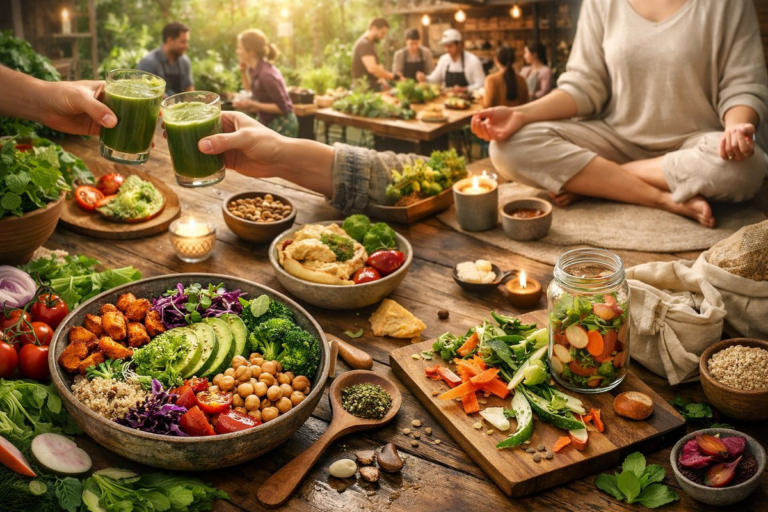
In kitchens from urban lofts to suburban homes, a new wave of culinary creativity is taking shape. Spurred by a renewed focus on health, sustainability and cultural connection, home cooks and professional chefs alike are embracing techniques, ingredients and tools that transcend traditional boundaries. Fermentation is no longer confined to kimchi or yogurt jars; plant-based innovations are challenging meat’s dominance on the plate; and gadget-driven precision cooking is empowering cooks with restaurant-quality results. All the while, a zero-waste ethos and the resurgence of artisanal vessels are forging deeper ties between what we eat, where it comes from and how it’s prepared.
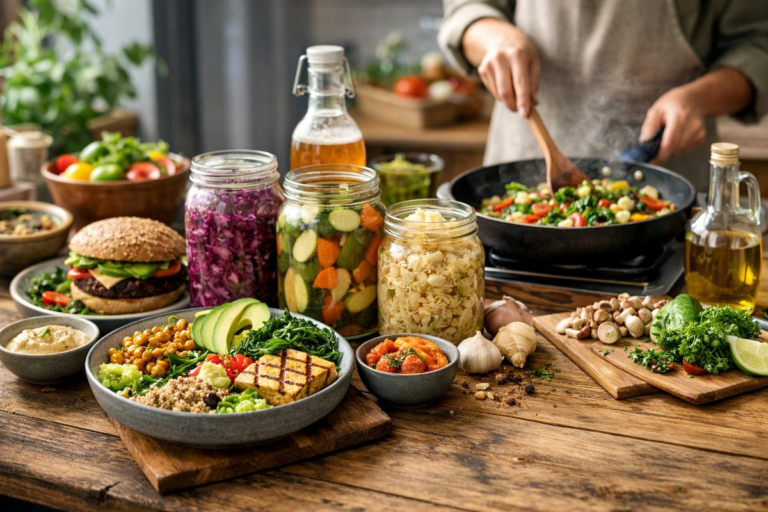
Fermentation paints a vibrant picture of this renaissance. Once considered arcane, home-fermented vegetables are now crowding countertops and Instagram feeds. From tangy sauerkraut to spicy tepache, fermenting jars offer a creative outlet and a probiotic boost. Enthusiasts harness the power of wild microbes to transform simple ingredients into complex flavors that evolve over days or weeks-turning ordinary cabbage into a lively side dish or a humble pineapple into a subtly sweet, fizzing refresher. Beyond flavor, fermenting connects cooks to centuries-old traditions, fostering patience and rewarding curiosity with every crunchy bite.
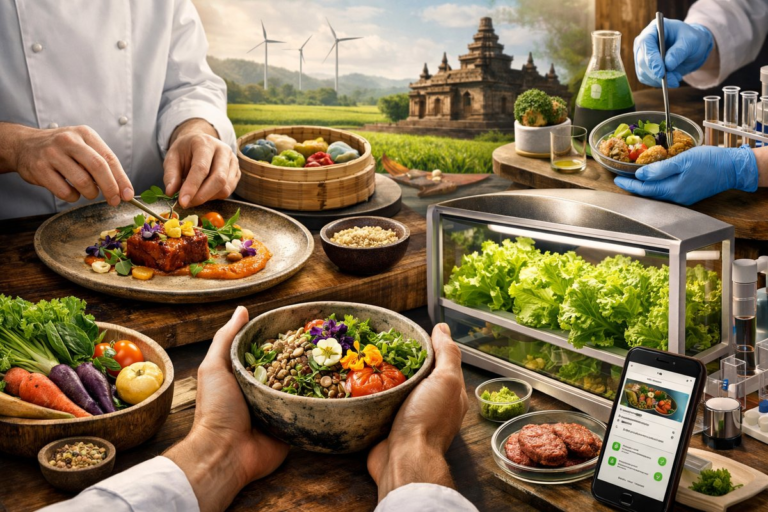
Parallel to this revival is the explosion of plant-based cooking. Innovative meat alternatives crafted from legumes, grains and mushrooms land on supermarket shelves alongside jackfruit “pulled pork” and algae-infused snacks. Chefs are experimenting with nut-based cheeses that stretch and melt, dairy-free creams that whip to lofty peaks, and hearty lentil- and pea-protein blends that mimic burger patties. These creations aren’t just for vegans anymore; flexitarians are gravitating toward dishes that prioritize texture and umami depth. Seasonal produce takes center stage, too, with roasted root-vegetable skillets, grilled summer squash ragouts and chilled cucumber-mint soups proving that veggies can deliver equal satisfaction.
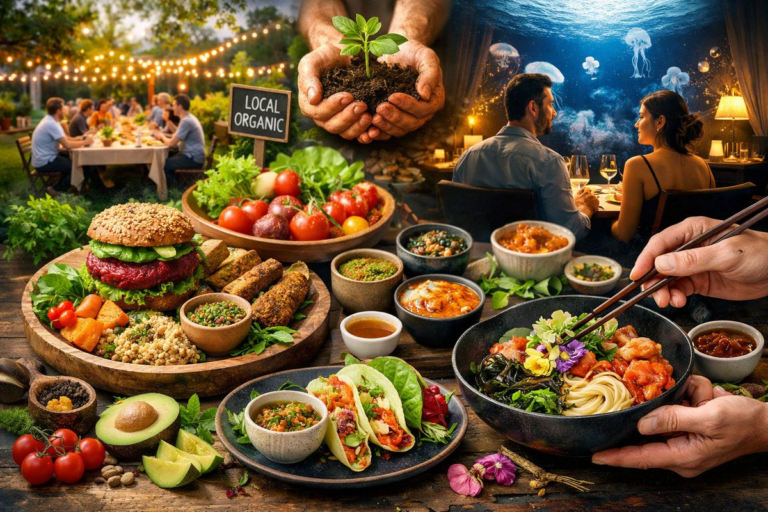
As ingredients diversify, so do flavor profiles. Welcome to the era of global spice fusion. Spice blends once relegated to specialty shops now appear in every aisle, promising quick shots of savory warmth or fiery punch. Chefs and cooks mix ras el hanout with berbere for North African-Ethiopian hybrids, dust vegetables with Japanese togarashi for citrusy heat, and finish slow-cooked stews with Indonesian sambal. Home cooks scour world markets for za’atar or grains of paradise, weaving international notes into familiar dishes. This cross-pollination sparks unexpected delights-a miso-gochujang marinade for tofu, cardamom-ginger pancakes or cinnamon-clove coffee that evoke distant cultures in each sip.
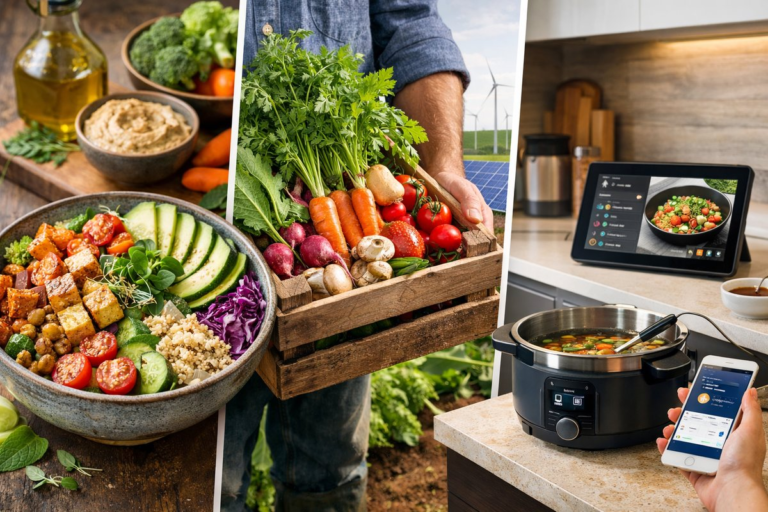
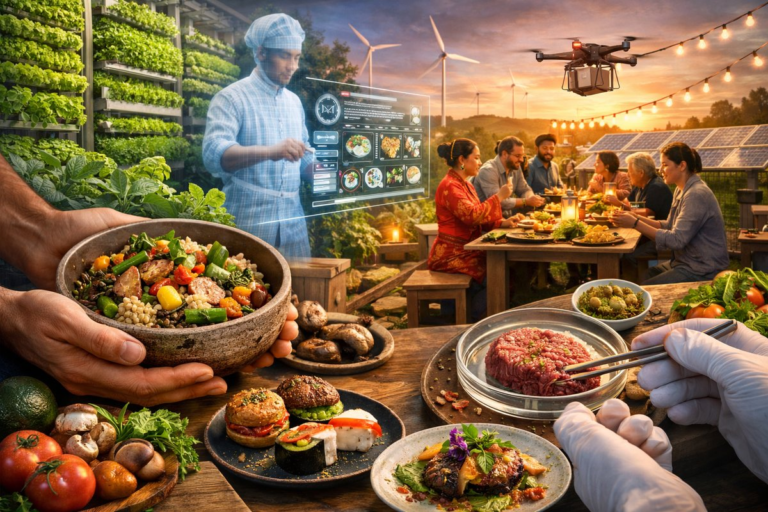
Technology is playing an equally transformative role. Precision cookers-often called sous vide machines-deliver tender results by bathing vacuum-sealed proteins in a water bath held at exact temperatures. Meanwhile, countertop air fryers promise crispy textures with a fraction of the oil, and smart ovens adjust heat zones in real time to perfect bread crusts or roast vegetables evenly. Mobile apps pair with devices to let cooks monitor internal temperatures from the couch or receive alerts when a fermentation vessel reaches its peak. This marriage of culinary craft and digital convenience empowers home cooks to experiment boldly with less risk of overcooking or spoilage.
Conscious consumption is another pillar of today’s food culture. Zero-waste advocates champion reusable carriers, compost bins and bulk-purchasing habits that slash plastic waste. Silicone storage bags replace single-use wraps; beeswax wraps enclose cut produce; and repurposed glass jars store staples from dried grains to homemade sauces. Ingredient scraps-ginger peels, citrus zest, herb stems-find second lives as infusions, stocks or garden compost. Some home chefs even forage neighborhood greens for pesto, while others join community gardens to nurture seasonal bounty. This frugal creativity not only honors the full value of ingredients but also fosters a deeper awareness of our environmental footprint.
At the same time, nostalgia and artisanal sensibilities are manifesting in cookware choices. Cast iron skillets are heated for the perfect sear; clay pots cradle stews in gentle, radiant heat; and ceramic fermentation crocks-a nod to centuries-old pottery-offer stable temperatures and humidity for pickles and kombucha. These durable tools bridge past and present, encouraging cooks to slow down and appreciate tactile rituals. Hand-carved wooden spoons, stainless-steel whisks and stone-mortared spice blends elevate the act of preparation, turning simple dinner routines into sensory experiences.
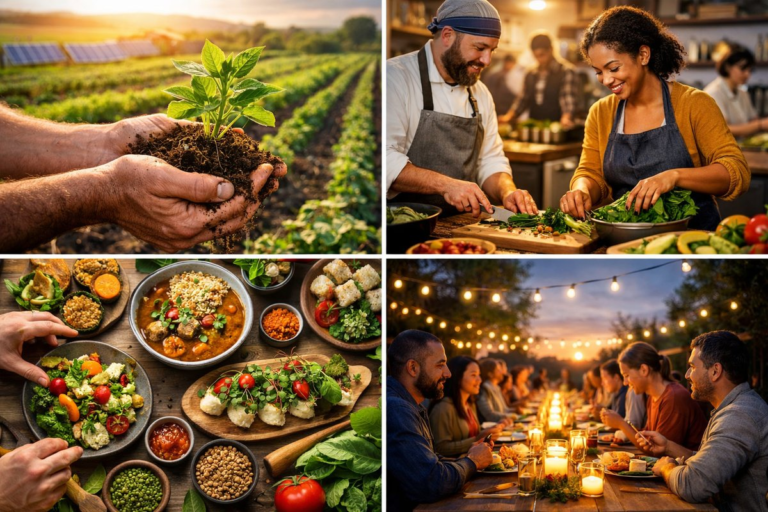
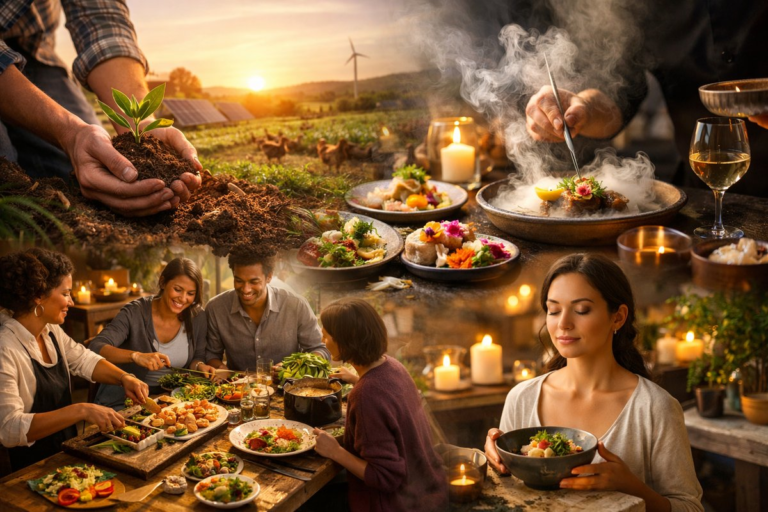
Beyond individual kitchens, food’s role as a communal connector is stronger than ever. Pop-up supper clubs bring neighbors together around shared tables, while farm-to-table dinners weave stories of local agriculture into each course. Cooking classes-once confined to culinary schools-are now hosted in living rooms, rooftop gardens and industrial lofts. Digital platforms amplify these gatherings, livestreaming hands-on lessons and fostering global communities. Whether it’s a virtual kimchi masterclass or an intimate backyard barbecue, cooking and dining remain at the heart of human connection.
Supporting these trends is the resurgence of farmers markets and hyper-local sourcing. Seasonal produce, heritage grains and pasture-raised proteins reconnect consumers with the land and the people who grow our food. Many markets now feature mobile payment options, pre-orders and delivery services, blending tradition with modern convenience. Chefs collaborate with local growers to create menu specials that highlight whatever is ripe that week-picking heirloom tomatoes for bruschetta in summer or shining a spotlight on winter greens in hearty salads and braises.
What’s on the horizon? Expect the line between health, wellness and gastronomy to blur further. Adaptogenic herbs like ashwagandha or cordyceps are finding their way into broths, desserts and beverages, promising both flavor and functional benefits. CBD-infused oils may appear in salad dressings or pastry glazes, while microalgae powders add vibrant hues and nutritional boosts to smoothies. Virtual kitchens-restaurants without a dining room-will continue to innovate packaging for delivery, ensuring that textures and temperatures travel well from stove to doorstep.
In this culinary revolution, the essence of nourishment transcends the plate. It’s about curiosity, sustainability and the joy of shared flavor. Whether you’re fermenting your first batch of kimchi, perfecting a vegan cheese wheel or exploring smart cooking gadgets, today’s food trends invite both creativity and consciousness. By blending ancient craft with modern convenience, and global spices with local harvests, we’re forging a food culture that celebrates diversity, honors the planet and connects us deeply through each bite.
The future of cooking is one of endless possibility-where technology amplifies human creativity, and every meal becomes an opportunity to learn, share and savor moments that nourish more than the body.