Location
Mount Vernon, WA 98274
Location
Mount Vernon, WA 98274


From virtual doctor visits to AI-driven nutrition plans, a wave of digital health solutions is putting personalized wellness within reach. Learn how to choose and integrate these tools ethically, protect your data, and build healthier habits with technology.
Every day, millions of people worldwide swap waiting rooms for video calls, track wellness metrics on their wrists, and consult AI-powered nutrition coaches on their phones. Digital health tools-from telehealth platforms to wearable sensors-are rapidly reshaping how we monitor, manage, and maintain our well-being. Fueled by advances in connectivity, data analytics, and machine learning, the global digital health market exceeded $200 billion in value last year and is projected to grow at an annual rate above 15 percent over the next five years.
This surge is more than a fad. It reflects a broader shift toward personalized, preventive care that empowers individuals to take charge of their health. Whether you’re a busy professional balancing work and family, a novice in health tech curious about the latest apps, or an administrator planning a company wellness program, understanding how to harness these digital resources responsibly is key.
Telehealth usage soared during recent global health events, but its appeal extends beyond crisis response. According to a 2023 survey from the Centers for Disease Control and Prevention, over 60 percent of adults used at least one form of remote care-ranging from video consultations to secure messaging with their providers. Convenience is the obvious draw: patients can book an appointment, receive a diagnosis, and have prescriptions sent to their local pharmacy without leaving home.
Yet digital visits introduce new challenges. Reliable internet access and device compatibility can create disparities. Clinicians must adapt to nonverbal cues on small screens and ensure that virtual diagnostics meet clinical standards. To bridge gaps, some providers offer hybrid models-combining in-person exams for initial assessments with follow-ups conducted online. When selecting a telehealth platform, look for features like end-to-end encryption, easy file sharing for lab results, and clear guidelines on what conditions are suitable for remote care.
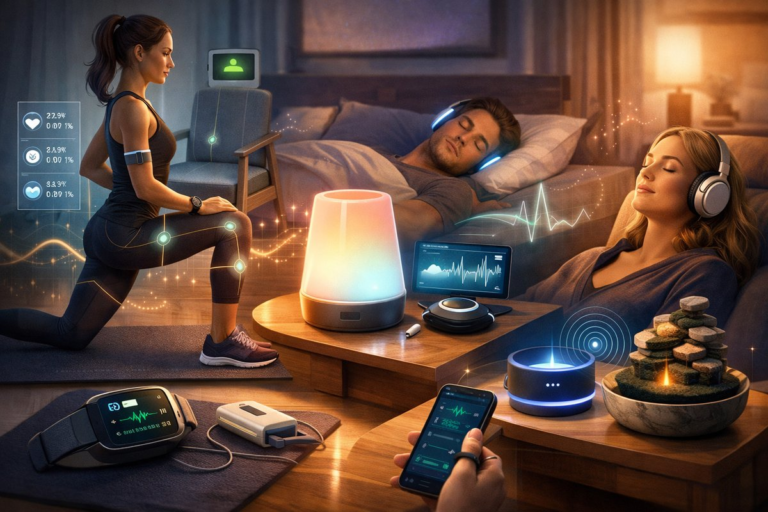
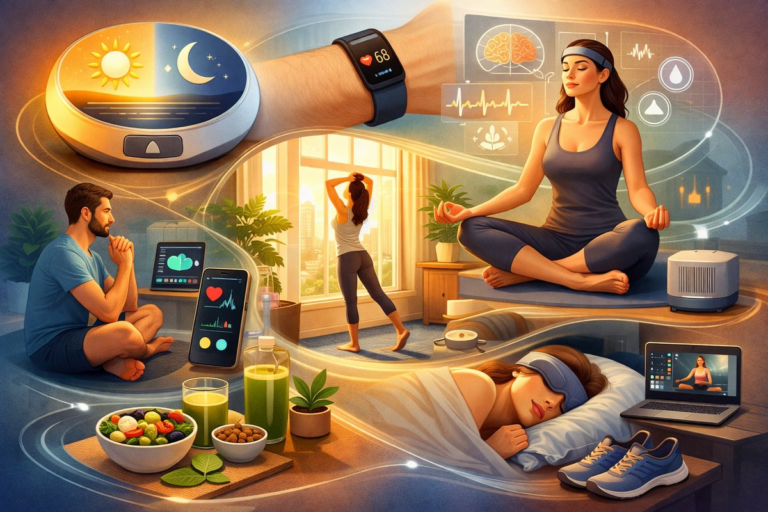
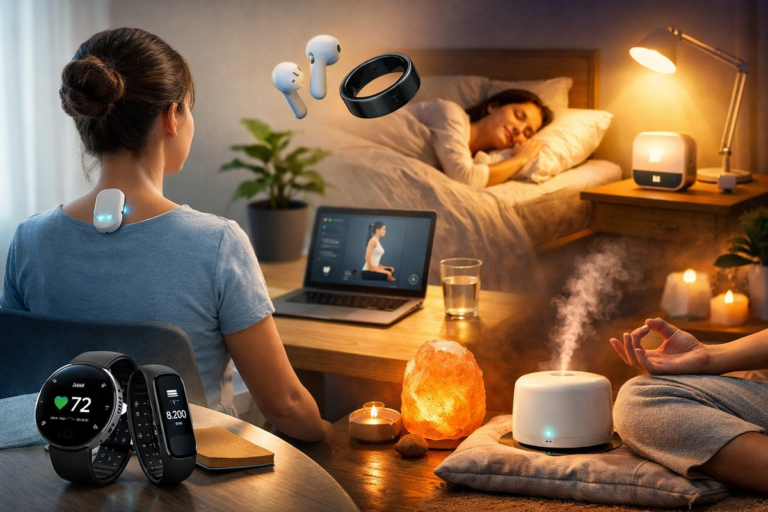
Fitness bands and smartwatches were once novelty gadgets; today, they’re integral to many people’s daily routines. Modern wearables measure far more than steps and calories. Advanced sensors now track heart-rate variability (HRV), blood oxygen levels, sleep stages, skin temperature, and even stress responses through galvanic skin sensors. By mapping these metrics over time, users can identify patterns-such as how late-night screen usage impacts sleep quality or how hydration levels influence heart-rate trends during workouts.
Healthcare providers and researchers are tapping into wearable data for early detection of irregular heart rhythms, respiratory issues, and mental health fluctuations. A recent pilot study published in the Journal of Medical Internet Research found that continuous monitoring of HRV could predict stress-related migraines up to 24 hours before onset, giving patients a window to take preventive measures.
When choosing a wearable, consider battery life, sensor accuracy, interoperability with health apps, and comfort for round-the-clock wear. Look for open APIs or integrations with major health platforms so you can export your data and share it with clinicians or researchers as needed.
Nutrition guidance has traditionally followed one-size-fits-most guidelines-but artificial intelligence is rewriting that script. By analyzing individual data points like metabolic rate, activity patterns, food preferences, and even genetic markers, AI-driven apps generate meal plans tailored to specific goals such as weight loss, muscle gain, or managing chronic conditions like diabetes.
Take an app that scans your fridge contents via image recognition, suggests balanced recipes, and automatically adjusts portion sizes based on real-time feedback from connected scales. Another platform might integrate continuous glucose-monitoring data to recommend low-glycemic meals that stabilize blood sugar throughout the day. Early trials indicate that users following AI-curated plans achieve target weight or blood-glucose improvements up to 30 percent faster than those on generic meal regimens.
Key factors to evaluate include the app’s data privacy policy, the diversity of its food database, user customization options, and availability of professional dietitian support. While AI offers unprecedented personalization, combining algorithmic recommendations with human expertise can yield the best outcomes.
Digital mental health solutions range from meditation and mindfulness apps to cognitive behavioral therapy (CBT) platforms and virtual support groups. A longitudinal study by a leading university found that daily guided meditation sessions via mobile app reduced self-reported anxiety scores by 25 percent over eight weeks. Meanwhile, digital CBT programs with chatbot interfaces deliver structured exercises and mood-tracking tools that help users identify negative thought patterns and practice coping strategies.
Peer-support networks hosted on private social platforms offer community and accountability, though moderation standards vary. Many digital solutions appeal to users seeking anonymity or those who face geographic or financial barriers to in-person therapy. However, such tools are not one-size-fits-all replacements for licensed therapists, especially in severe cases. The best approach combines self-guided digital practices with regular check-ins from mental health professionals when needed.
As digital tools proliferate, concerns about data privacy, security, and digital fatigue come to the fore. Before sharing sensitive information, review privacy policies for clarity on data ownership, retention, and sharing with third parties. Sustainable design is another consideration-select devices with replaceable batteries or recyclable materials to minimize electronic waste.
To prevent burnout, establish boundaries: designate tech-free hours, mute nonessential notifications, and alternate between high-engagement and low-engagement apps. Balancing screen time with offline practices-outdoor walks, analog journaling, or in-person social interactions-supports holistic well-being.
Several nascent technologies promise to deepen our understanding of personal health. Noninvasive glucose monitoring via optical sensors could revolutionize diabetes management. Bioelectronic medicine-using wearable patches to deliver microcurrents-might one day treat inflammation and chronic pain without pharmaceuticals. Virtual reality environments tailored for physical rehabilitation and exposure therapy are entering clinical trials, offering immersive pathways to recovery.
Ultimately, digital health’s potential hinges on the balance between innovation and ethical stewardship. By prioritizing privacy, inclusivity, and human-centered design, we can shape a future where technology amplifies our capacity for lifelong wellness rather than replacing essential human connection.