Location
Mount Vernon, WA 98274
Location
Mount Vernon, WA 98274

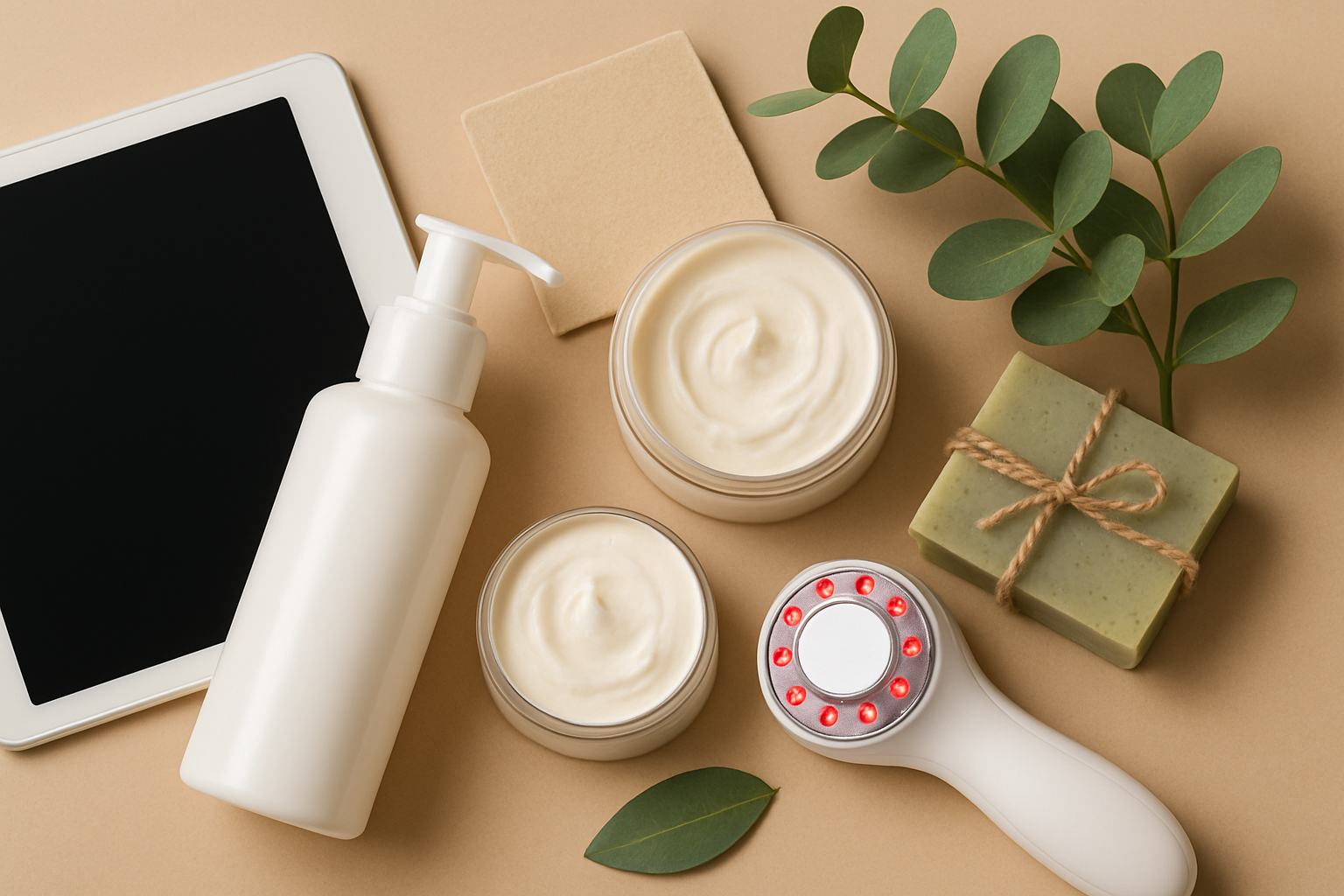
Recent breakthroughs in skin microbiome research, AI-driven personalization, and eco-friendly packaging are reshaping beauty routines for curious readers and novice admins alike. From microbiome-friendly cleansers to at-home LED devices, this article explores practical, science-backed trends that deliver results while promoting sustainability and emotional wellness.
The beauty industry has entered a new era defined by rigorous science, mindful consumption, and high-tech devices. According to a recent report from Grand View Research, the global skincare market is set to exceed $180 billion by the end of the decade-but growth is increasingly driven by brands committed to sustainability and data-backed formulas. Modern consumers demand more than pretty packaging: they want proven efficacy, ethical sourcing, and a deeper understanding of how ingredients interact with their unique skin biology. In this article, we unpack four emerging trends-skin barrier fortification, microbiome-friendly cleansers, AI-powered personalization, and sustainable packaging-while offering actionable tips for building a balanced routine that honors both well-being and the planet.
The skin barrier is the body’s frontline defense against environmental stressors, pollution, and moisture loss. Researchers from the Journal of Dermatological Science recently highlighted the role of ceramides, fatty acids, and cholesterol in maintaining barrier integrity. A compromised barrier can lead to dryness, irritation, and accelerated aging. The solution lies in barrier-repair formulations rich in multi-layer lipids that mimic the skin’s natural composition. Products blending niacinamide and vitamin B5 are gaining traction for their ability to soothe inflammation while boosting natural moisture levels. Dermatologists now recommend a “less is more” approach: simplify your routine to key barrier-friendly ingredients, avoid harsh exfoliants, and layer actives under an occlusive moisturizer to lock in hydration.
Recent advances in metagenomic sequencing have shown that skin hosts a complex ecosystem of bacteria, fungi, and viruses. When balanced, this microbiome supports pH regulation and immune defense; when disrupted, it can trigger acne or sensitivity. Enter microbiome-friendly cleansers: low-foam formulas that use prebiotic and probiotic extracts to nurture beneficial microbes rather than strip them away. Brands are increasingly incorporating galactoarabinan, inulin, and saccharide isomerate-plant-derived compounds that feed good bacteria and maintain acid mantle strength. For those with reactive skin, switching from a foaming surfactant to a micellar or balm cleanser can reduce flare-ups by up to 40 percent, according to a small-scale study published earlier this year. The key takeaway: choose gentle, non-alkaline pH formulas and follow with a supportive toner or essence to rebalance moisture levels.
Artificial intelligence is no longer the stuff of sci-fi; it’s reshaping how we diagnose and treat skin concerns. Virtual consultations now leverage machine-learning algorithms trained on thousands of dermatology images to recommend customized regimens. Some platforms even analyze environmental data-humidity, UV index, air quality-to adjust suggestions in real time. This level of personalization reduces trial and error, cutting months off the time it takes to see noticeable results. Skin‐mapping devices use cross-polarized lighting to capture fine lines, texture irregularities, and pigmentation issues invisible to the naked eye. While in-office tools remain pricey, handheld scanners and smartphone attachments are becoming affordable options for at-home use. As data privacy concerns rise, reputable brands are anonymizing user uploads and committing to secure storage, giving consumers control over their personal skin profiles.
Environmental impact has become a non-negotiable consideration. Plastic waste from disposable single-use masks and sachets now accounts for millions of pounds in landfills annually. In response, beauty houses are embracing refillable formats, biodegradable materials, and post-consumer recycled (PCR) plastics. According to a recent industry survey, 62 percent of consumers say they would pay a premium for refillable skincare. Beyond packaging, brands are auditing supply chains to source ethically farmed botanicals. Fair-trade partnerships in West Africa, for example, ensure shea butter farmers receive living wages while preserving traditional harvesting techniques. When you next browse for a moisturizer or serum, look for recognizable symbols: FSC certification for paperboard, PCR plastic labels, and third-party seals for cruelty-free and vegan standards.
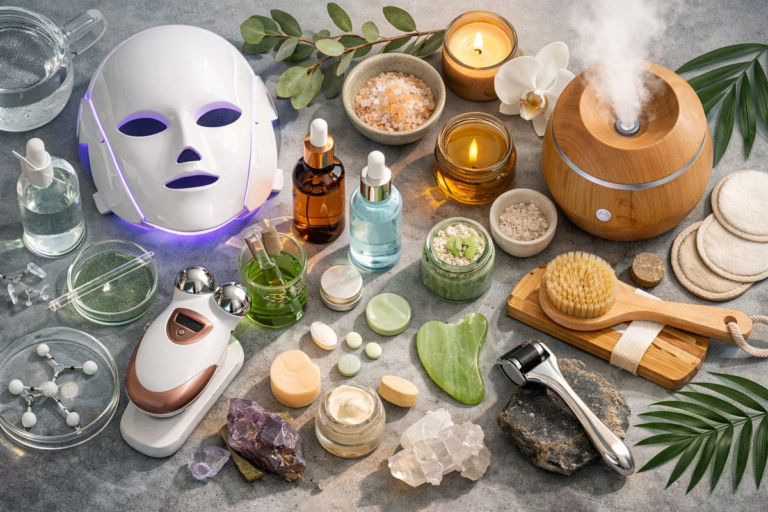
Professional treatments like microdermabrasion, radiofrequency, and phototherapy are moving from the spa into the home. LED masks, microcurrent wands, and ultrasonic infusers promise salon-grade results on a budget. A 2023 meta-analysis in the Journal of Cosmetic Technology found that regular at-home LED use can increase collagen density by up to 15 percent over six weeks. Many devices now pair with companion apps that guide you through treatment protocols and track progress. While these gadgets can deliver noticeable improvements, experts caution against overuse. A balanced schedule-2 to 3 sessions a week for LED, once a week for microcurrent-is recommended to prevent skin fatigue. Always follow the manufacturer’s guidelines and combine tech treatments with barrier-friendly serums to optimize absorption.
With so many innovations vying for attention, it’s easy to fall into the trap of constant product swapping. A sustainable routine is one you can maintain. Start by identifying your core concerns-dryness, sensitivity, UV protection-and select three to five multi-functional products that address them. A general template might include a gentle morning cleanser, antioxidant serum, broad-spectrum sunscreen, targeted evening cleanser or device, and a barrier-repair moisturizer. Keep an ingredient journal to track reactions and progress over time. This methodical approach minimizes waste, saves money, and builds trust in the products that truly work for your skin type and lifestyle.
Skincare isn’t just cosmetic-it’s a form of self-care that can boost confidence and reduce stress. The ritual of massaging creams into the skin stimulates circulation and engages the parasympathetic nervous system. Mindful application techniques, such as lymphatic drainage or facial yoga, combine physical benefits with mental calm. Brands are now collaborating with wellness experts to offer guided audio sessions that sync breathing exercises with product application. This holistic approach treats the skin and the spirit, acknowledging that emotional health and outer radiance are deeply intertwined.
The convergence of rigorous science, digital innovation, and ethical responsibility marks a turning point for beauty and skincare. From microbiome-nurturing cleansers to AI-driven recommendations and eco-friendly packaging, the latest trends empower consumers to make informed choices that honor both their skin and the planet. By building a simple, sustainable routine focused on barrier health and emotional well-being, readers can navigate the ever-evolving landscape with confidence. Embrace curiosity, experiment mindfully, and remember that true beauty starts with self-compassion and respect for the world around us.