Location
Mount Vernon, WA 98274
Location
Mount Vernon, WA 98274

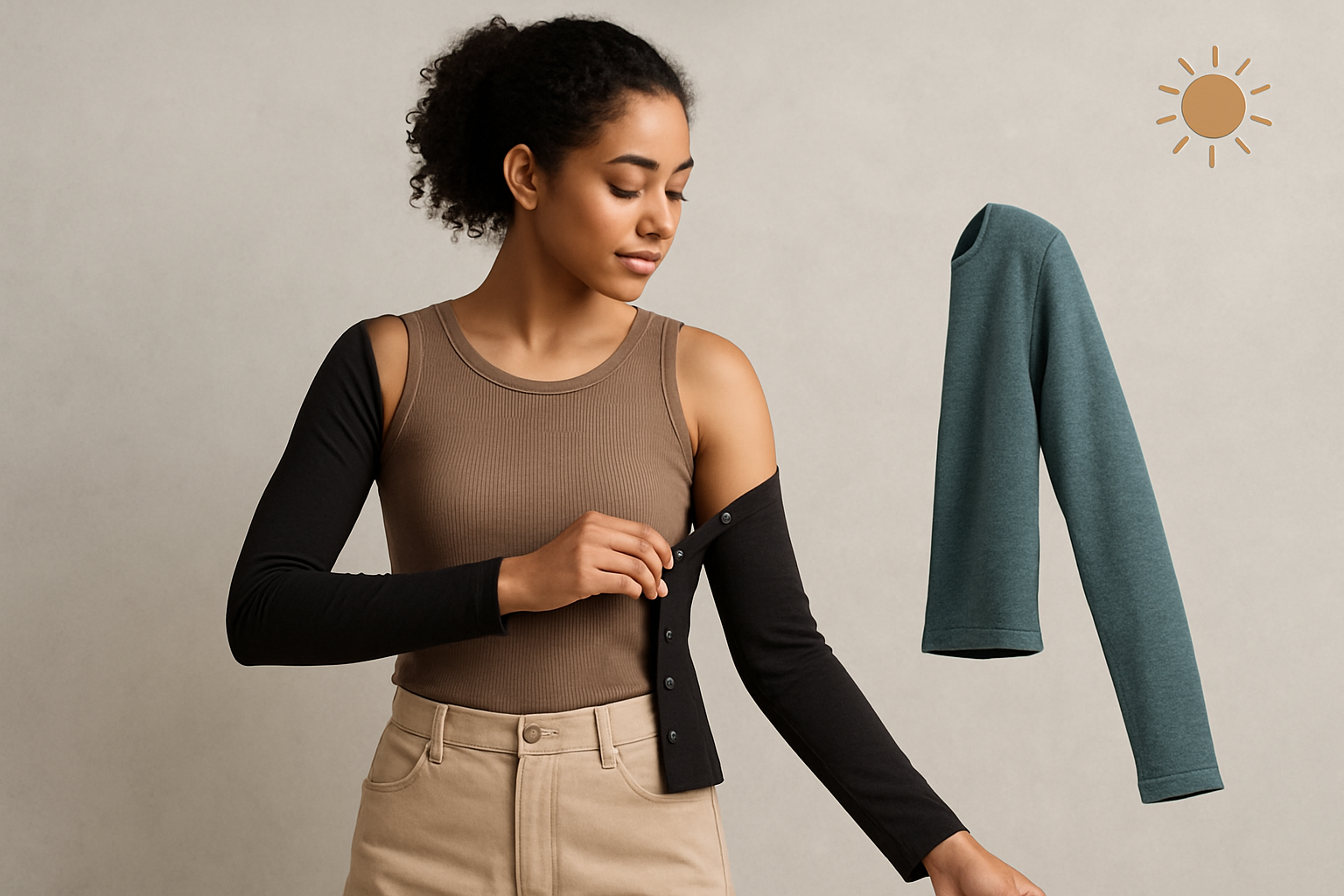
In an era where individuality meets innovation, consumers are embracing clothing that adapts to body, mood, and environment. From snap-on sleeves to fabrics that regulate temperature, the next wave of apparel is about flexibility, sustainability, and emotional resonance.
Imagine a jacket that transforms from a sleek evening piece to a rugged outdoor shell with a few detachable panels and magnetic closures. Picture a dress that shifts color in response to your body temperature or a shirt that gathers biometric data to suggest styling changes. These aren’t distant sci-fi fantasies but emerging realities driven by modular design and smart textiles. As consumers demand more versatility-and as environmental concerns push brands to rethink waste-fashion is evolving from static garments to adaptive wardrobes that respond to individual needs and moods.
At the heart of this movement is modularity: the concept of breaking a garment into interchangeable parts. Unlike traditional clothing, which is built around fixed silhouettes, modular pieces can be combined, separated, and reconfigured. A basic vest might accept a variety of sleeves, collars, hoods, or insulation layers. A pair of pants can switch between full-length legs and shorts. Accessories may slot into hidden tracks or clip onto webbing for instant customization. By mixing and matching elements, wearers can create dozens of looks from a handful of core pieces-reducing consumption and encouraging mindful wardrobes.
Modularity brings practical benefits. Travelers can pack lighter by carrying one base garment and a few modular add-ons. People in climates with shifting temperatures can adapt without hauling multiple jackets. Creatives and performers gain the power to shift a single outfit across contexts, from a daytime rehearsal to a nighttime showcase. Behind these conveniences lies an undercurrent of sustainability: fewer garments purchased, less raw material extraction, and a smaller carbon footprint overall.
Complementing modular construction is the rise of smart textiles-fabrics woven with fibers that sense, react, or regulate. Thermochromic yarns can change hue as temperature fluctuates, offering subtle gradients of color that mirror a wearer’s inner warmth. Phase-change materials absorb excess heat and slowly release it, smoothing out sudden chills or steamy commutes. Conductive threads can channel small currents to heat panels on demand, supplying warmth without bulky layers. Some fibers even harness solar energy, powering tiny embedded circuits for light-up accents or biometric sensors.
Smart textiles are not only functional, they’re also driving emotional resonance. When a fabric pulses warmer as a runner crosses the finish line, or when color shifts register a calming hue in high-stress moments, clothing becomes an extension of our nervous systems. Users report feeling more connected to their attire, as if their clothing empathizes with their physical or emotional state. This emotional intelligence in fashion encourages a deeper relationship with what we wear, moving us beyond superficial trends and toward garments that prioritize personal well-being.
Yet innovation brings new challenges. As garments integrate chips or sensors, questions around data privacy arise. Who owns the biometric or location data collected by your jacket? How securely is it stored, and what happens if it’s hacked? Forward-thinking designers are embedding privacy by design into the development process: ensuring that data is stored locally on the garment, encrypted by default, and only shared with explicit user consent. They’re treating digital privacy with the same seriousness as fabric quality or seam strength.
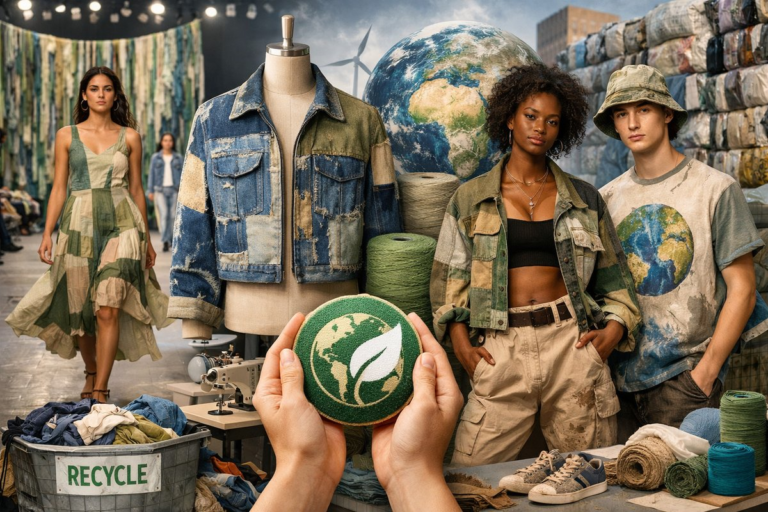
Another key concern is end-of-life management. Smart garments often blend technical components with textiles, complicating recycling workflows. To address this, avant-garde brands are creating garments with detachable tech modules. When a sensor pack reaches the end of its lifespan, it can be popped out and returned for refurbishment, while the base fabric-often made of recycled fibers-reenters a circular stream. Some companies even offer trade-in programs, rewarding customers for sending back old modules and garments to be reborn as new items.
On the production floor, digital tools are streamlining customization. AI-driven pattern generators can morph base patterns to individual body scans, ensuring better fit and reducing waste from ill-fitting prototypes. Virtual try-on platforms let customers experiment with modular combinations in augmented reality before committing. Factories equipped with automated cutting machines integrate seamlessly with on-demand manufacturing, bridging the gap between mass production and tailor-made apparel. This shift not only curbs overproduction but also empowers small-scale designers to compete in global markets.
We’re also witnessing a revival of artisan techniques, reimagined for modular creation. Craftspeople skilled in hand-block printing now apply patterns to detachable panels rather than complete garments, offering handcrafted flair in mix-and-match form. Weavers create fabrics with built-in loops or fasteners, streamlining the assembly of multiple modules. This fusion of tradition and technology highlights the emotional and cultural value of craft in a high-tech era.
Adaptive wardrobes are more than gimmicks-they reflect deeper shifts in consumer mindset. Buyers no longer want to chase fleeting seasonal trends; they seek lasting versatility, functionality, and emotional engagement. They value brands that share their concerns about waste, climate, and digital ethics. By offering garments that evolve with changing needs-bodily, environmental, and aesthetic-designers can build stronger, longer-lasting relationships with customers.
Looking ahead, we can expect to see further convergence between biology and design. Researchers are exploring bio-engineered fabrics that grow living cells for self-repair, or algae-infused textiles that passively absorb air pollutants. Imagine a modular overcoat that continuously purifies the surrounding air or heals small tears overnight. While these ideas may seem ambitious, the rapid pace of biotech advancements suggests that future wardrobes could be truly alive, responding in organic ways to human needs and planetary demands.
What does this mean for the everyday person? It means your next wardrobe investment could be not just another blazer or pair of jeans, but a platform for self-expression and sustainability. A single modular system might serve you through seasons, events, and decades. Your clothes could sense when you’re cold, guide you toward better posture, or even shift color to match your mood. And when a piece outlives its usefulness, it returns to the circular economy rather than landfills.
The path toward adaptive fashion requires collaboration across disciplines: material scientists working with craft communities, software developers partnering with tailors, and privacy experts advising brand strategists. It’s a holistic approach that values empathy as much as engineering. For curious consumers and lifelong learners, this is an invitation to explore, experiment, and demand more from the clothes we wear. As we embrace modular, intelligent apparel, we’re redefining what it means to dress well-aligning style with sustainability, technology with emotional intelligence, and innovation with individual expression.
Adaptive wardrobes are more than just a trend; they’re a blueprint for the future of fashion. By blending modularity, smart textiles, and circular principles, designers and wearers alike can co-create garments that last longer, do more, and feel more personal. In this new fashion frontier, the only constant is change-and that’s exactly the point.