Location
Mount Vernon, WA 98274
Location
Mount Vernon, WA 98274


As families navigate a world of digital distractions and fast-paced schedules, nurturing curiosity, resilience, and empathy at home has never been more vital. This article explores practical, research-backed approaches to help parents design supportive learning environments, foster emotional intelligence, and bridge the gap between formal education and real-world growth.
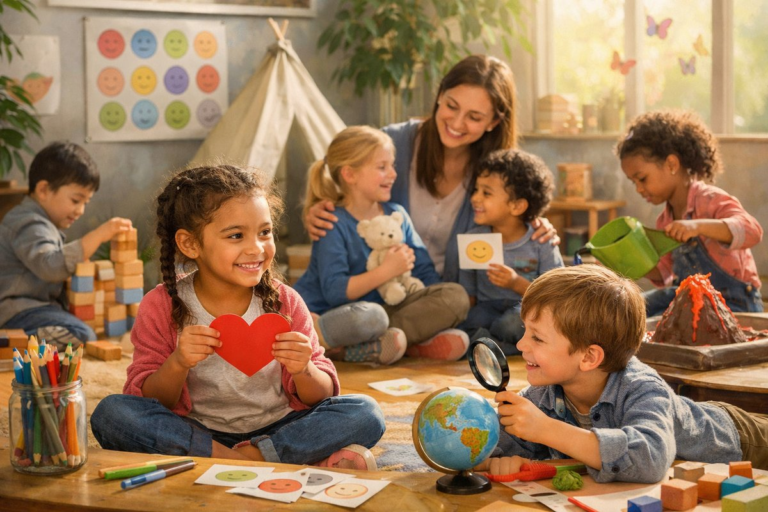
The boundary between home and school has blurred in recent years, prompting parents to become partners in education more than ever before. As remote learning, hybrid schedules, and flexible school models reshape childhood routines, families have the opportunity to rethink traditional roles. Instead of seeing parenting and education as separate spheres, we can approach them as intertwined systems-where each mealtime conversation, outdoor adventure, or bedtime story becomes a seedbed for curiosity and critical thinking.
Allowing children to pursue self-directed learning projects is one of the most effective ways to spark intrinsic motivation. Psychologists at the Harvard Graduate School of Education have found that when kids choose topics aligned with their interests-whether ancient civilizations, marine life, or creative writing-they develop deeper engagement and retain information more effectively. To implement this, invite your child to create a personal learning plan each term. Brainstorm a list of questions, identify resources like library books or online documentaries, and agree on small benchmarks. Checking in weekly can help them feel supported without micromanaging their process.
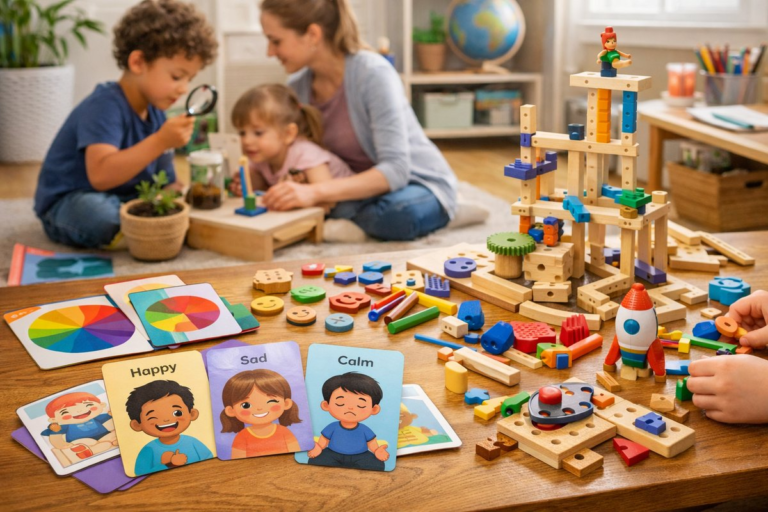
Designing a learning-rich environment at home doesn’t require an extra room or a designer budget. A simple nature corner by a window, stocked with magnifying glasses, field guides, and plant cuttings, can nurture a budding naturalist. The American Academy of Pediatrics recommends balancing screen time with “green time,” highlighting improved sleep, reduced stress, and enhanced creativity when children spend at least one hour a day outdoors. Rotate materials seasonally-pinecones and birch bark in autumn, smooth stones and recycled jars in spring-to keep the space fresh and responsive to natural rhythms.
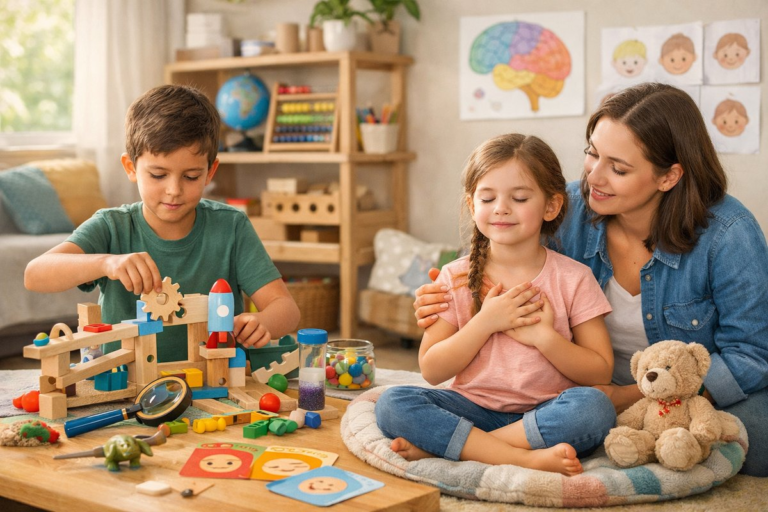
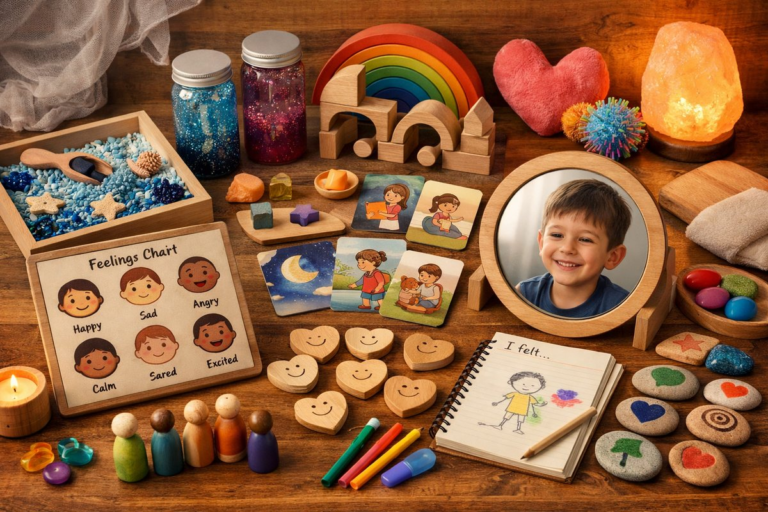
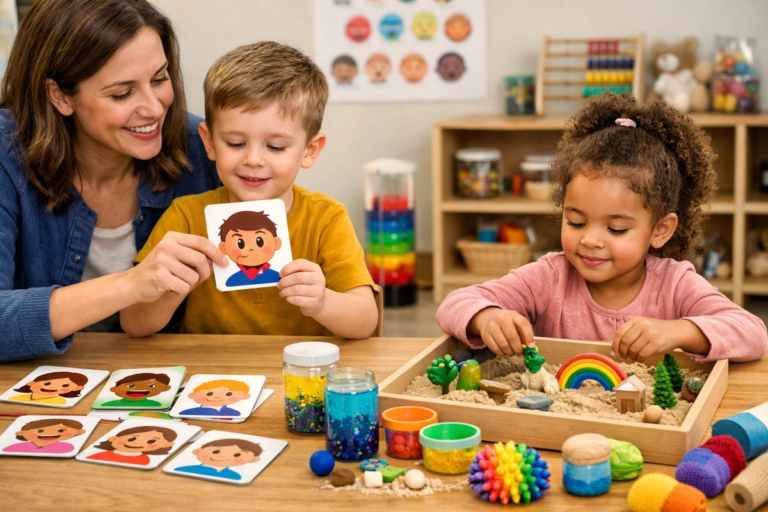
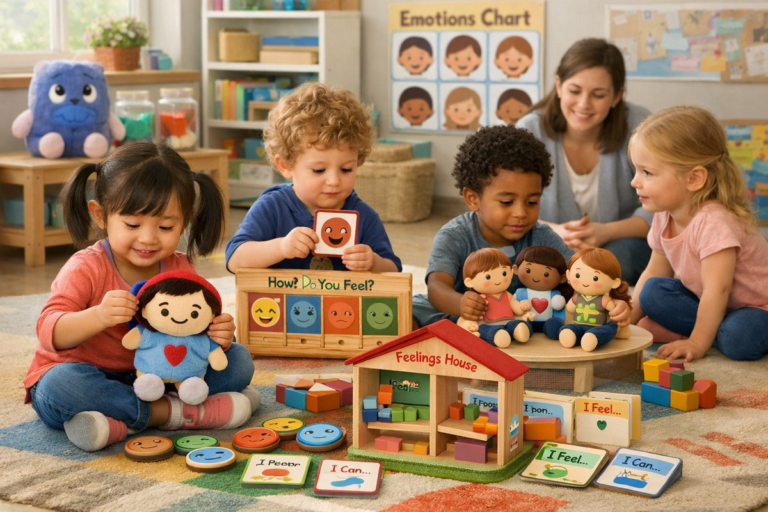
Fostering emotional intelligence is as crucial as teaching math or literacy. Research published by the Yale Center for Emotional Intelligence shows that children who practice naming their feelings and using calming strategies exhibit stronger social skills and better academic performance. Create regular family rituals-like a midweek “feelings check-in” at dinner-to encourage open dialogue. Introduce simple mindfulness exercises before homework or bedtime, such as guided breathing or gratitude journaling. Over time, these habits become internal tools that help young learners manage frustration, collaborate with peers, and adapt to new challenges.
Embedding sustainability into everyday activities cultivates a sense of global citizenship. A study from UNESCO links eco-conscious learning with improved problem-solving and long-term engagement. Turn household chores into mini-lessons about resource cycles-compost coffee grounds, plant vegetable scraps, or build a rainwater collection system together. Encourage children to design simple crafts using upcycled materials: cardboard sculptures, seed bombs made from recycled paper, or handmade journals from scrap fabric. These projects underscore the value of conservation and empower kids to see themselves as positive agents of change.
In an age of ubiquitous screens, developing digital literacy and respecting privacy go hand in hand. The Digital Wellness Lab reports that intentional technology use-focused on creating content rather than passive scrolling-boosts cognitive skills. Collaborate with your child to set clear guidelines: designate tech-free zones like the dining table, use privacy settings on learning apps, and prioritize apps that don’t collect personal data. At the same time, explore age-appropriate coding games, digital storytelling platforms, or virtual museum tours together. By treating technology as a shared tool, you model responsible online citizenship and critical thinking.
Consistency matters, but so does flexibility. Establish daily or weekly routines that anchor learning-such as a morning reading ritual, an afternoon creative block, or a shared review of upcoming cultural events. Routines provide predictability and security, especially during times of transition. Yet rigid schedules can stifle spontaneity, so build in open slots for unstructured play and curiosity-driven detours. When a sudden interest arises-like a child’s fascination with local birds-allow time to pursue that passion, reinforcing the message that learning is dynamic, not confined to textbooks.
Parent-teacher communication is a pillar of holistic education. A meta-analysis by Johns Hopkins University highlights that consistent, two-way dialogue between families and schools improves academic outcomes by up to 20 percent. Attend conferences, volunteer for field trips, or join virtual parent forums to stay informed about curriculum changes and school priorities. Share observations from home-your child’s emerging talents or areas of struggle-so teachers can tailor support. Likewise, teachers can suggest community-based resources: local science centers, writing workshops, or service-learning events that reinforce classroom lessons in real-world contexts.
Standardized tests often capture a narrow slice of a child’s abilities. Instead of fixating on grades, consider developing a learning portfolio that showcases diverse skills: photographs of experiments, journal entries describing emotional insights, peer testimonials from group projects, and self-assessments of creative works. Portfolios provide a richer narrative of growth, emphasizing progress over perfection. Many progressive schools and educators are adopting competency-based evaluations, which measure mastery in critical thinking, collaboration, and cultural literacy rather than rote memorization.
Encouraging a growth mindset means praising effort and strategies more than innate talent. Stanford University research shows that children who embrace challenges and view setbacks as opportunities outperform those who believe their abilities are fixed. When homework feels difficult, resist quick fixes or harsh criticism. Instead, ask guiding questions that prompt reflection: “What did you try next when that approach didn’t work?” or “Which strategy helped you focus most effectively today?” Over time, children internalize resilience, learning to adapt plans and persist even when tasks seem daunting.
Bringing learning into everyday life builds confidence and relevance. Encourage your child to tackle a home improvement mini-project, like measuring and painting a small wall, creating budgets for a pretend business, or planning a family outing with maps and schedules. These real-world tasks strengthen math, planning, and interpersonal skills. Service-learning opportunities-partnering with a neighborhood garden, tutoring younger students, or organizing a small donation drive-further reinforce empathy, civic responsibility, and project management. When children see the impact of their efforts, they develop a sense of agency that textbooks alone cannot provide.
Redefining the relationship between parenting and education is an ongoing journey, not a one-time fix. Start with small, manageable shifts: designate a daily “question hour” where family members share curiosities, or dedicate one weekend morning to exploring a new local park. Track what resonates most with your child and adapt as they grow. By weaving together curiosity-driven exploration, emotional intelligence, sustainable practices, and intentional technology use, parents can cultivate resilient lifelong learners who thrive beyond the classroom and contribute positively to their communities.