Location
Mount Vernon, WA 98274
Location
Mount Vernon, WA 98274

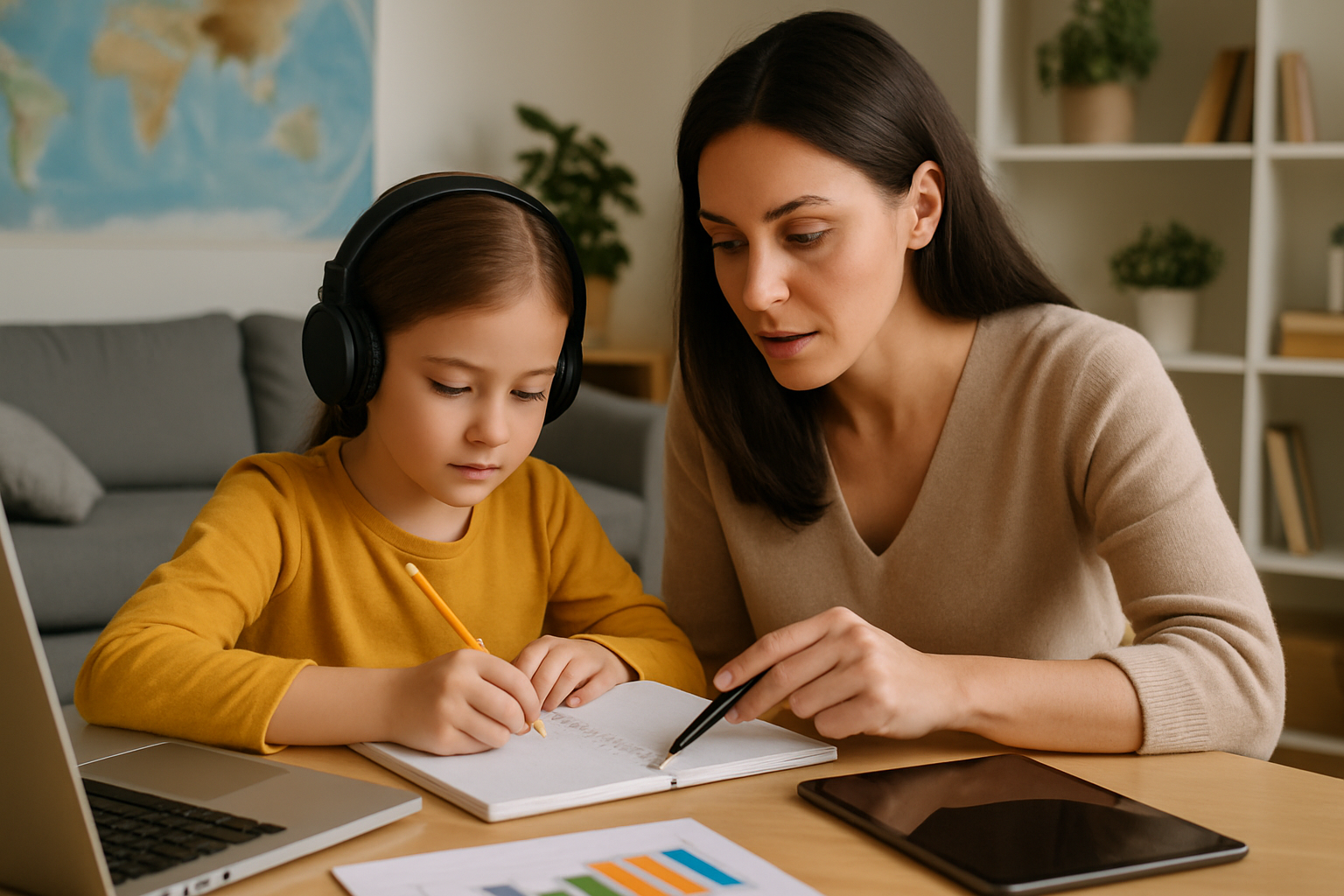
As families navigate an era defined by hybrid classrooms, device-driven study sessions, and heightened mental health concerns, parents are evolving into educational co-pilots. This article examines data from global education reports and offers actionable strategies-rooted in privacy, sustainability, and emotional intelligence-to help parents foster personalized, purposeful learning at home.
From remote lessons delivered via video chat to app-based exercises that track every keystroke, today’s children engage with education through screens more than ever before. According to a UNESCO survey, nearly eight in ten schools worldwide now offer hybrid or fully online curricula, and an OECD study places student anxiety over digital overload at an all-time high. As devices become both tools and distractions, parents find themselves at the intersection of pedagogy and privacy, curiosity and screen time.
While schools adopt new platforms at breakneck speed, parents often lack a roadmap for guiding digital natives. How can caregivers set boundaries without stifling exploration? What methods help kids build autonomy and emotional intelligence rather than develop tech dependence? Drawing on recent findings from UNICEF’s report on youth mental health and open-data initiatives in Finland’s education system, this article outlines six modular strategies for forging a balanced, personalized learning ecosystem at home.
The first step is to co-create tech boundaries. Instead of imposing a rigid curfew on screens, invite children to propose usage windows and device-free zones. When kids help design the rules, they internalize digital etiquette more readily. A June UNICEF brief highlights that homes with family-crafted media agreements report 30 percent less conflict around homework and playtime. Encourage kids to decorate a shared “digital contract” poster-an activity that blends creativity with accountability-then revisit it monthly to adjust based on shifting priorities.
Limiting e-waste is part of sustainability-minded tech management. Rather than upgrading devices annually, consider refurbishing tablets or donating older smartphones to learning charities. This practice not only reduces environmental impact but signals to children that responsible consumption is integral to digital citizenship.
Next, curate purposeful content. With thousands of educational apps vying for attention, quality signals matter. Seek platforms that adhere to privacy-by-design principles, such as open-source code or minimal data collection policies. Services like Code.org, Scratch, and certain branches of Khan Academy champion learner privacy while covering coding, mathematics, and the arts. Encourage children to review each app’s data policy with you: a quick scan of permissions can become a lesson in digital rights.
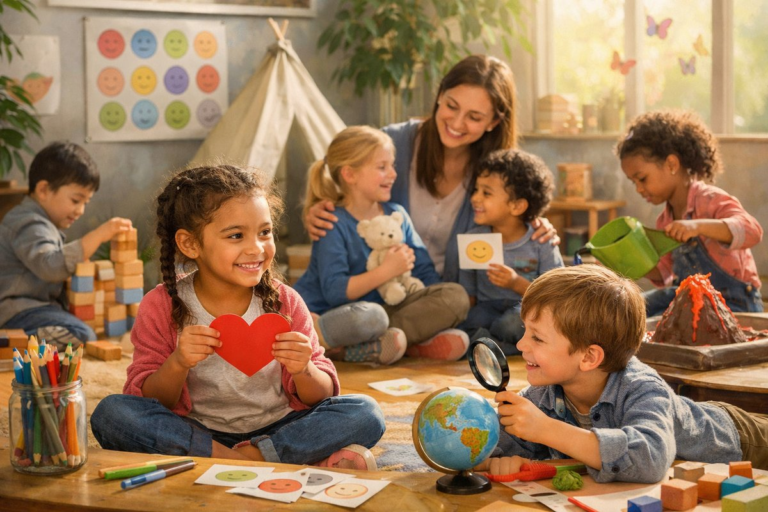
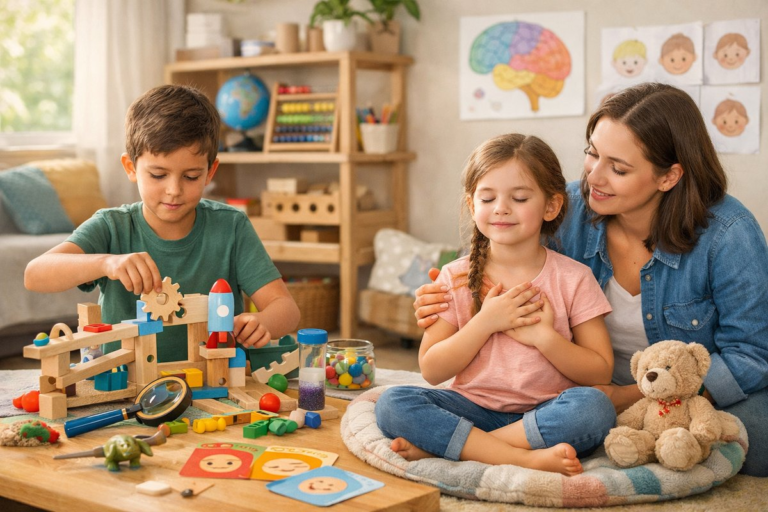
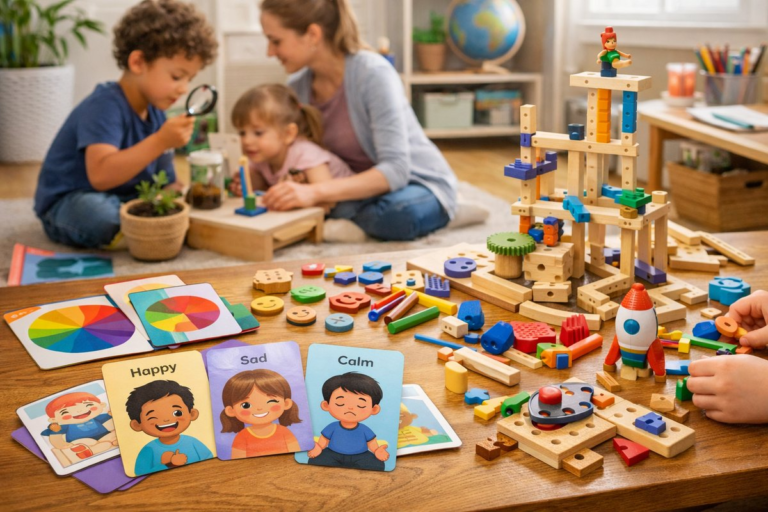
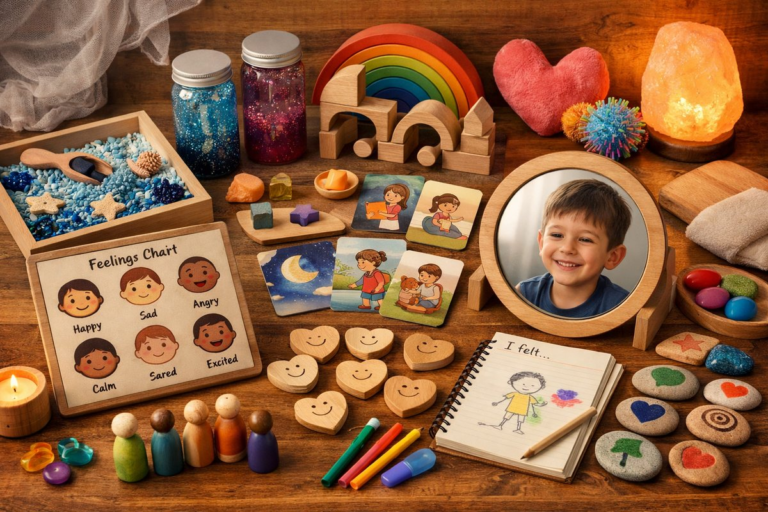
Emotional check-ins form the third pillar. In parallel with academic goals, build a habit of weekly reflection. Some families use a “feelings wheel” or digital journal to note highs, lows, and curiosities. A 2023 survey by the Collaborative for Academic, Social, and Emotional Learning (CASEL) found that students who engage in brief daily check-ins report a 25 percent improvement in focus during study sessions. Keep it playful: assign emoji stickers to moods, sketch or write short poems about achievements, or record voice memos that capture evolving thoughts.
Fourth, design collaborative projects that bridge subjects. A home terrarium invites biology, art, and responsibility. Programming a simple game introduces logic, storytelling, and coding. Even cooking a new recipe can teach fractions, chemistry, and cultural studies. By choosing projects aligned with a child’s interests, parents nurture curiosity and underscore how real-world tasks draw on multiple skills. Document progress together-through photos, diagrams, or a shared blog-to reinforce the notion that learning is iterative and communal.
Community engagement rounds out these practical steps. Look for local or virtual maker spaces, library workshops, and parent-teacher collaboratives. In Germany, a recent initiative connected families to weekend robotics meetups; participants cited both peer support and renewed motivation for continued STEM exploration. When children see their work showcased or discussed among peers, pride and persistence both rise.
Parents model lifelong learning in the fifth strategy. Subscribing to free adult courses on platforms like edX or auditing public university lectures shows kids that education doesn’t end at age eighteen. Share your learning journey-missteps and breakthroughs alike. Whether you’re picking up a new language, diving into environmental science, or mastering a musical instrument, kids observe that effort and curiosity coexist across a lifetime.
Forging strong parent-school partnerships is equally crucial. Avoid viewing home and classroom as opposing forces. Instead, schedule monthly check-ins with teachers-brief calls or emails-to align on goals, reinforce progress, and flag emerging challenges. By acknowledging each other’s expertise, families and educators co-author a coherent learning narrative.
Yet, challenges remain. Screen fatigue can derail even the best-laid plans. To counteract this, alternate digital tasks with offline activities: nature walks, power naps, unscheduled free play. For households with limited device access, establish device-sharing calendars that prioritize assignments while carving breathing room. Seek out local nonprofits offering refurbished hardware or community centers with supervised study halls. In many regions, volunteers and civic groups step in to bridge the digital divide.
At the heart of every strategy lies emotional intelligence. SEL frameworks, as highlighted in CASEL’s 2022 guidelines, teach empathy alongside math and reading. Role-play conflict resolution, practice active listening, and celebrate acts of kindness within the family. When a child recognizes a sibling’s frustration or cheers on a friend’s success, they internalize social skills that matter far beyond grades.
Balancing work obligations and educational support can feel like walking a tightrope, especially in households where parents juggle remote jobs. Time-blocking helps: carve out short, focused learning sprints-twenty-minute micro-lessons-during breaks. Use podcasts or audiobooks for joint car rides, turning commute time into discussion time. And don’t hesitate to tap community networks: a neighbor might host a weekend reading circle, or a coworker could offer virtual tutoring hours.
This journey isn’t a one-size-fits-all curriculum but an evolving dance between autonomy and guidance. As children grow, their interests shift, digital tools mutate, and school expectations ebb and flow. By centering privacy, sustainability, curiosity, and emotional intelligence, parents craft a resilient support system that adapts over time. The goal isn’t perfection; it’s progress. With each reflection session, co-created boundary, and collaborative project, families equip digital natives not only to thrive in today’s hybrid classrooms but to shape the future of learning itself.