Location
Mount Vernon, WA 98274
Location
Mount Vernon, WA 98274

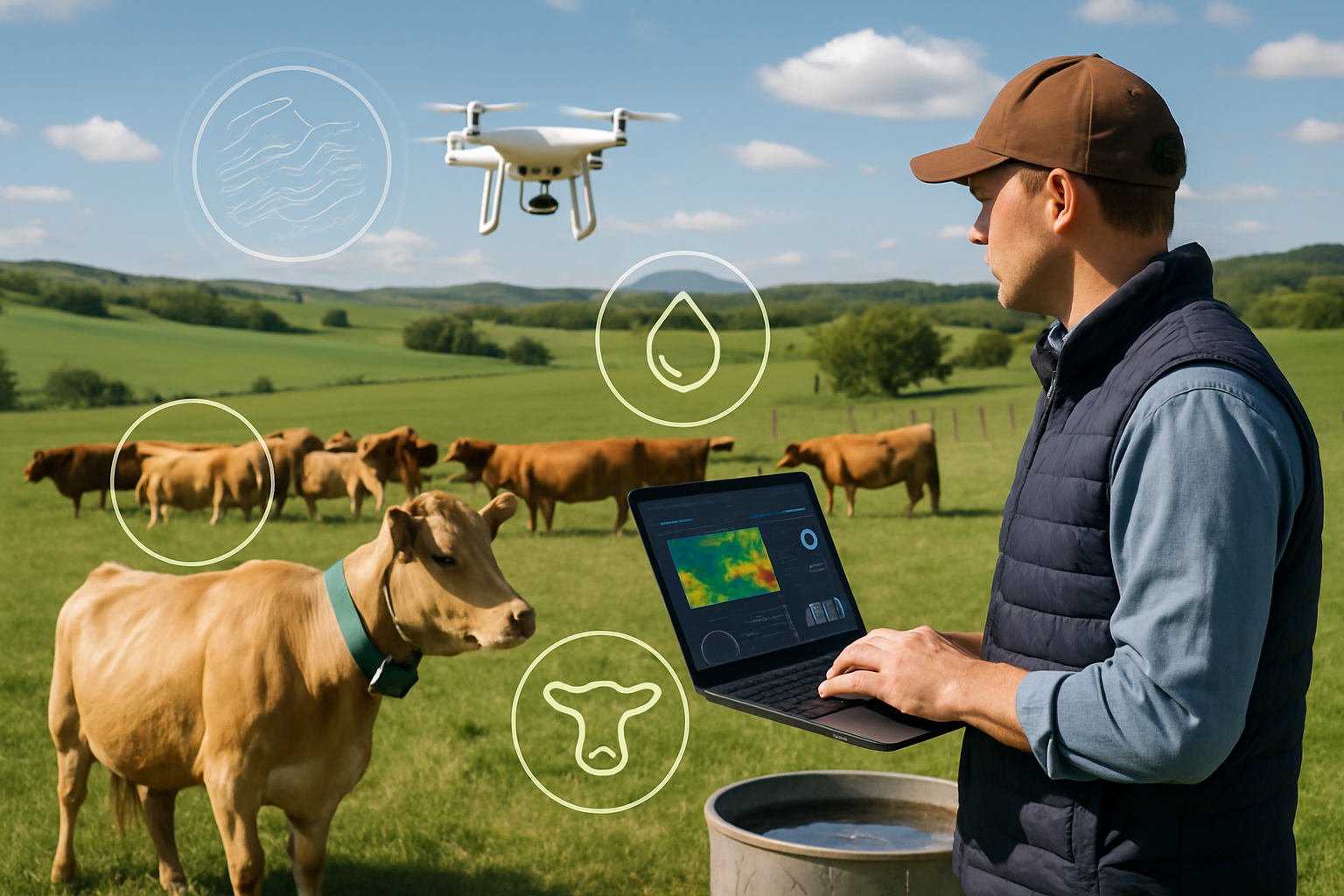
Livestock producers are embracing drones, sensors, and data analytics to boost efficiency, improve animal welfare, and reduce environmental impact. This article explores the latest trends in pasture monitoring, smart water management, wearable livestock tech, and regenerative grazing models reshaping the industry.
In the face of a changing climate and evolving consumer demands, livestock farmers are turning to innovation to stay competitive and sustainable. The global herd of cattle, sheep, goats and other ruminants now exceeds three billion animals, and producers must reconcile productivity with environmental stewardship. From remote sensing to wearable sensors on animals, a wave of technology is reshaping how pastures are managed, water resources conserved, and animal health maintained. The new generation of precision agriculture tools promises to reduce input costs, improve yields and lower greenhouse gas emissions, aligning livestock operations with both market expectations and policy incentives.
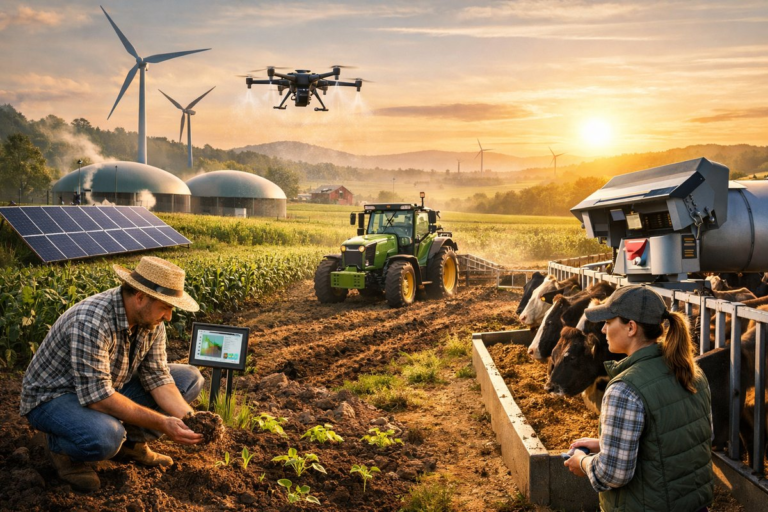
Over the past three years, drone imaging and satellite-based remote sensing have gained traction among pasture managers seeking data-driven decision making. A 2023 survey found that roughly 35 percent of livestock producers have deployed unmanned aerial vehicles or subscribe to high-resolution vegetation indices. By capturing near-infrared reflectance and normalized difference vegetation index (NDVI) maps, these systems reveal areas of overgrazing, soil compaction or nutrient deficiency before they become visible to the naked eye. Early detection allows farmers to adjust grazing patterns, apply targeted soil amendments, and predict forage yield with up to 90 percent accuracy.
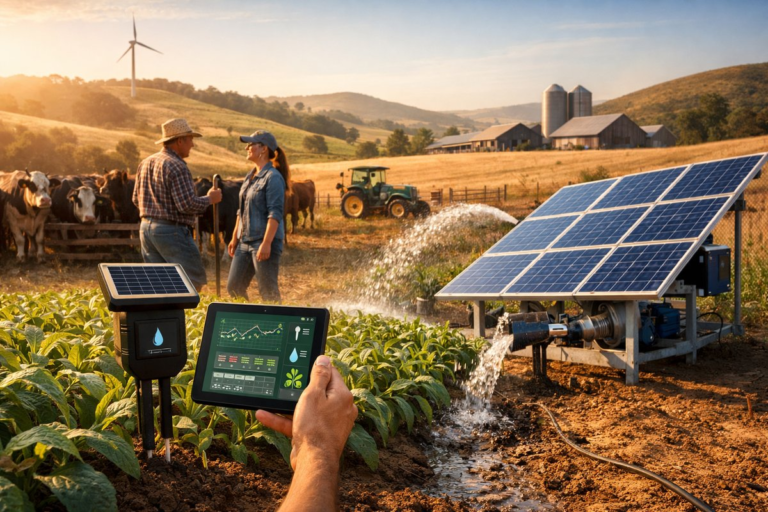
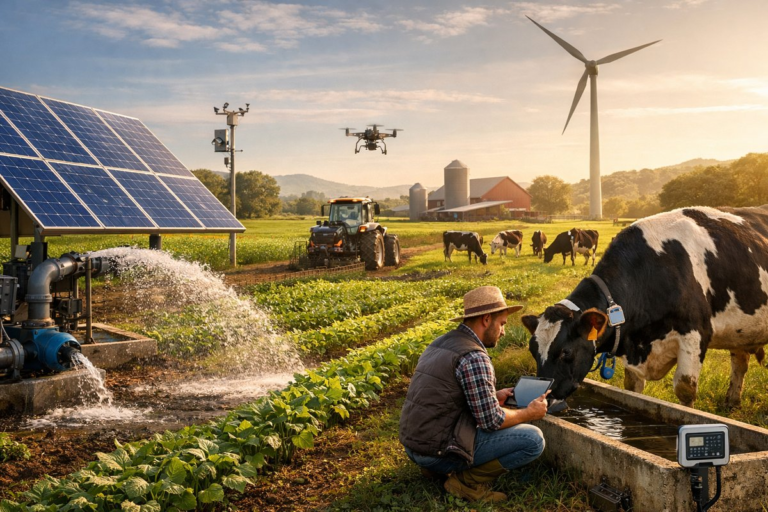
Water management remains a perennial challenge on pasture-based operations, where uneven terrain and seasonal fluctuations can lead to wasted supplies and stressed animals. IoT-enabled water sensors now monitor trough levels, flow rates and water quality in real time. In one case study from the Southern Plains, integrating wireless level sensors with remote alerts reduced water waste by 20 percent and cut labor visits by a third. Automated refill valves ensure livestock always have access to fresh water, while leak detection prevents resource loss and contamination.
Understanding soil health is equally critical for sustaining pasture productivity. Portable soil analysis probes equipped with moisture, pH and nutrient sensors deliver instant readings directly in the field. When paired with mobile apps, farmers can map soil variability across multiple paddocks and tailor fertilizer or lime applications accordingly. This targeted approach not only limits input costs but also minimizes runoff and nutrient leaching, safeguarding nearby watercourses and supporting ecological health.
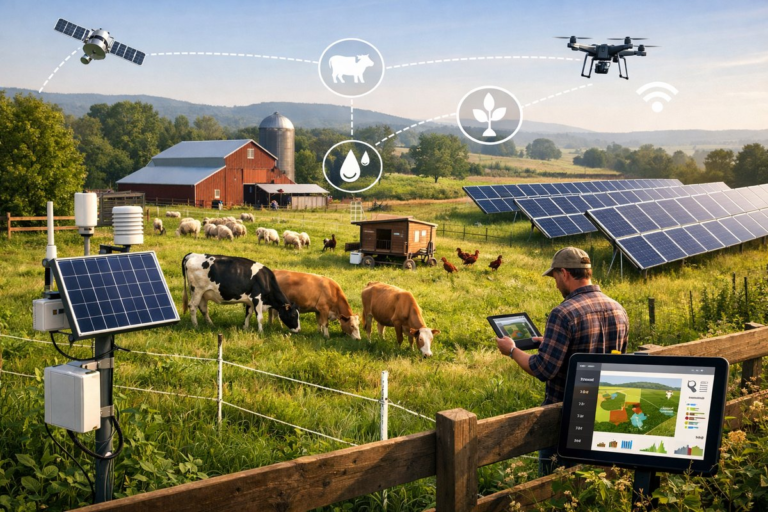
Central to these advancements are cloud-based data analytics platforms that integrate inputs from drones, sensors and weather stations. By layering historical grazing records with current forage conditions and short-term forecasts, algorithms generate optimized grazing schedules designed to maximize regrowth and feed quality. Producers adopting these predictive models report improvements in feed conversion efficiency of up to 15 percent, translating into healthier animals and stronger profit margins.
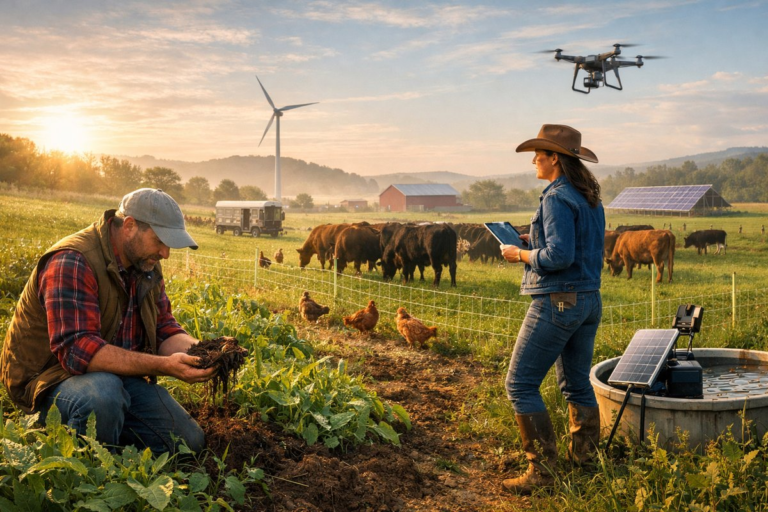
Regenerative grazing practices have also gained momentum as a methodology for restoring degraded pastures and sequestering carbon. Rather than continuous stocking, holistic planned grazing employs short, intense grazing periods followed by extended recovery phases. This rest and rotation cycle stimulates deep-rooted grasses, enhances soil structure and fosters biodiversity. Early results indicate potential carbon sequestration rates between 0.3 and 1.0 metric tons per hectare annually, offering livestock farmers a pathway into emerging voluntary carbon markets.
A Midwestern cattle ranch provides a vivid example of these principles in action. After shifting from conventional rotational patterns to a fully planned grazing system, the operation recorded a 25 percent increase in forage density within two seasons. Soil organic matter climbed by 0.8 percent, while herd weight gain improved by nearly 10 percent. On-site workshops now draw peers eager to learn how low-tech fence systems coupled with data-driven timing can revitalize landscapes and profits alike.
On the animal side, wearable livestock technology is moving beyond simple location tracking. GPS-enabled collars now incorporate temperature and activity sensors, transmitting health indicators directly to farm managers. Early detection of fever, reduced movement or irregular rumination alerts caretakers to potential illness before clinical signs emerge. Farms using these systems have reported up to a 25 percent reduction in antibiotic treatments and lower mortality rates during seasonal stress periods.
Innovations in remote feeding are also gaining traction, particularly for extensive grazing systems. Solar-powered automatic feeders dispense minerals and supplements on a programmable schedule, ensuring consistent nutrition without daily labor requirements. Producers in arid regions have seen herd health stabilize during drought months, as remote feeding stations prevent minerals from being depleted when animals congregate around scarce water points.
Investment trends underscore the momentum behind agtech in the livestock sector. Venture capital funding for precision agriculture reached $4.5 billion in 2022, driven by startups focused on sensor integration, AI-driven analytics and advanced breeding tools. Government programs and grant initiatives are further incentivizing adoption, with cost-share schemes that cover up to 50 percent of new equipment expenses for eligible producers.
Policy shifts are amplifying the focus on sustainable practices across major livestock-producing regions. Voluntary carbon credit programs now recognize verified regenerative grazing. Some producers are already trading tons of sequestered carbon on national exchanges, generating an additional revenue stream while managing pastures for long-term health. Similar frameworks are under development in parts of Europe, where regulators are exploring incentive payments for farm-level emission reductions.
Despite the promise of precision livestock farming, challenges remain. High upfront costs and steep learning curves can deter smaller operations. Reliable internet connectivity is still patchy in many rural areas, limiting real-time data transmission. Interoperability between different sensor brands and software platforms also complicates integration efforts. Addressing these hurdles will require collaborative efforts from technology providers, extension services and producer networks to deliver affordable, user-friendly solutions.
Looking ahead, the next frontier in livestock agriculture will likely combine genetic advances, microbiome research and precision nutrition. Researchers are exploring feed additives that alter rumen fermentation to cut methane emissions, while breeding programs target traits for disease resistance and feed conversion efficiency. As these developments intersect with the data-driven tools already in play, livestock farmers will be equipped with an increasingly granular view of herd health and pasture vitality. The result promises to be an industry that is more productive, resilient and aligned with both environmental goals and consumer expectations.
By embracing a modular approach-integrating drone surveys, sensor networks, predictive analytics and regenerative frameworks-modern livestock operations can unlock new levels of efficiency and sustainability. As the technology ecosystem matures, producers of all scales have the opportunity to tailor solutions that reflect their unique landscapes, budgets and objectives. The future of farming lies not in one-size-fits-all prescriptions but in flexible toolkits that empower informed decisions at every level of the operation.