Location
Mount Vernon, WA 98274
Location
Mount Vernon, WA 98274

Discover how modern travelers are redefining their journeys by venturing off the beaten path, blending cutting-edge technology with mindful sustainability. This article offers practical advice for building deeply personal, culturally immersive travel stories that leave a lighter footprint and richer memories.
Travel has shifted from ticking destinations off a bucket list to weaving immersive narratives that transform both the traveler and the places they visit. Today’s explorers seek more than selfies at iconic landmarks-they crave authentic connections with communities, landscapes and their own sense of wonder.
Imagine setting foot in a centuries-old mountain village still powered by water wheels. Stone homes cluster around fragrant herb gardens, and steam rises from communal ovens where locals bake flatbreads. That raw beauty introduces the real heart of travel-far from crowded tour buses and generic souvenirs.
It all begins with intentional planning. Instead of following glossy itineraries, modern wanderers scan community-run platforms, connect with grassroots hosts and study local calendars. A remote harvest festival or a volunteer-led reforestation project can become the centerpiece of a trip, turning passive sightseeing into hands-on participation.
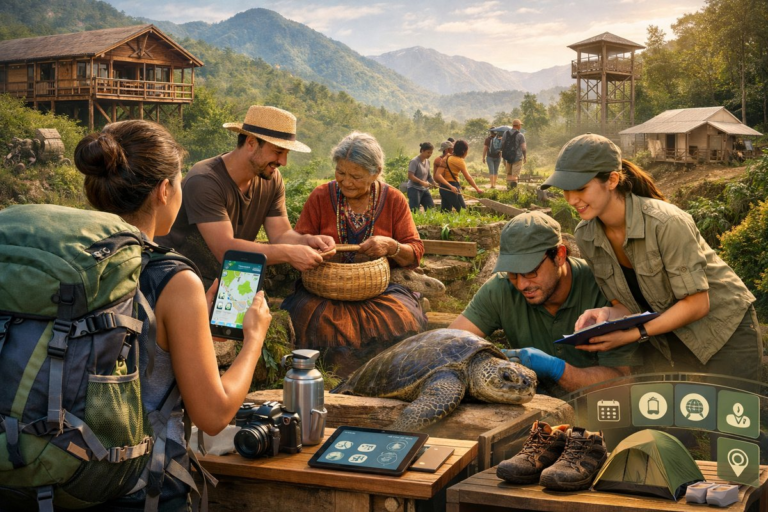
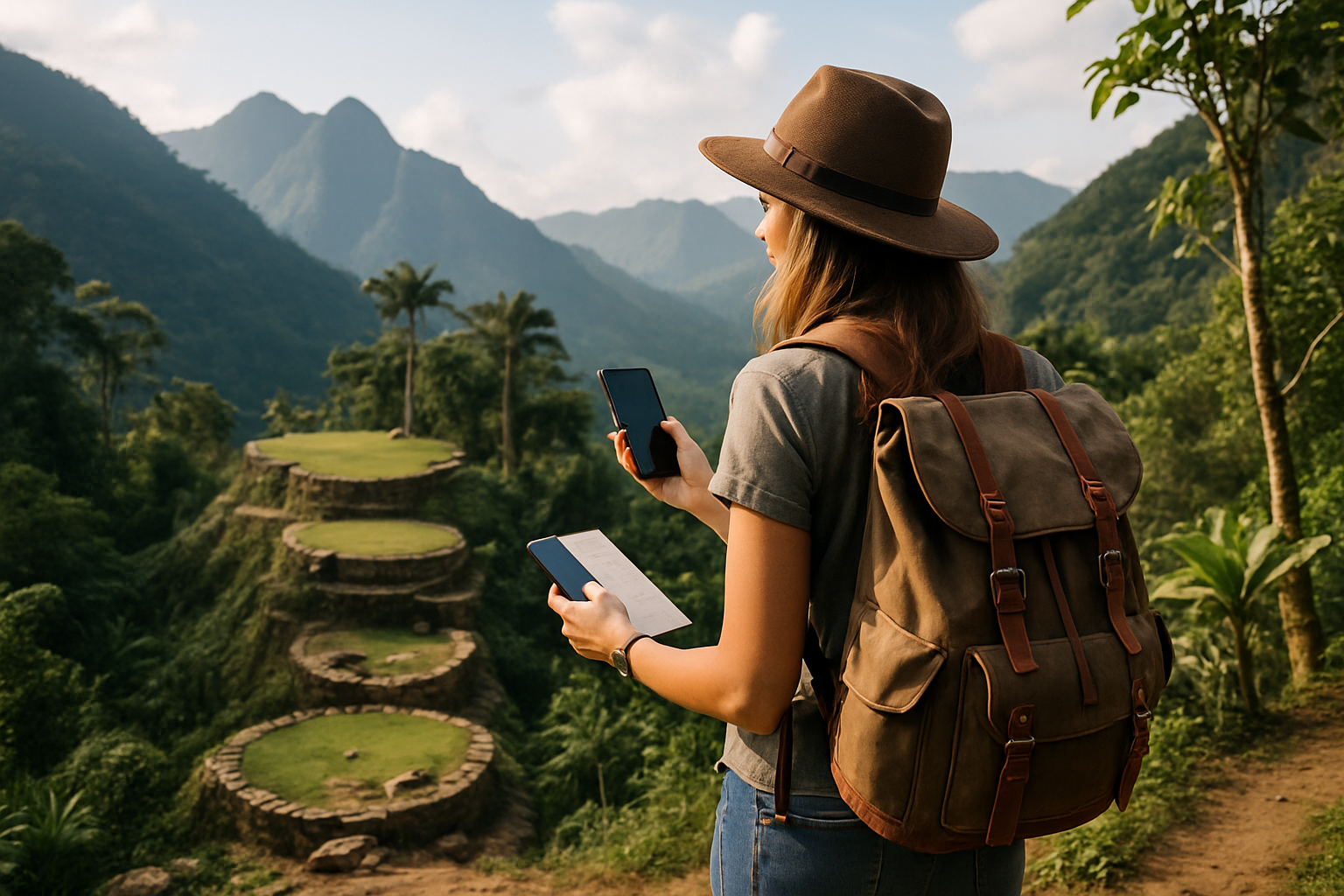
Digital tools streamline these efforts. Custom mapping apps enable travelers to drop pins on recommended homestays, artisan workshops and hidden waterfalls. Offline downloads ensure directions and safety protocols remain accessible even where cellular service falters.
Locating local guides through peer-reviewed networks brings firsthand knowledge to the journey. A pastry maker might lead a morning tour of grain mills long abandoned, while a beekeeper invites guests to harvest honey in return for sharing beekeeping skills.
Sustainability underpins every step. Instead of single-use plastics, reusable water flasks and compostable utensils become essentials. Choosing solar-powered lanterns or energy-efficient stoves at eco-lodges helps reduce carbon footprints.
Opting for community-run accommodations channels income directly into local families. Homestays often provide deeper cultural immersion than large hotels, revealing hidden stories about land stewardship and age-old traditions.
Slow travel replaces frantic checklists with mindful pacing. Rather than crisscrossing a country in ten days, some explorers set a single base for two weeks, using day trips to explore neighboring towns. This approach fosters genuine relationships and unhurried discovery.
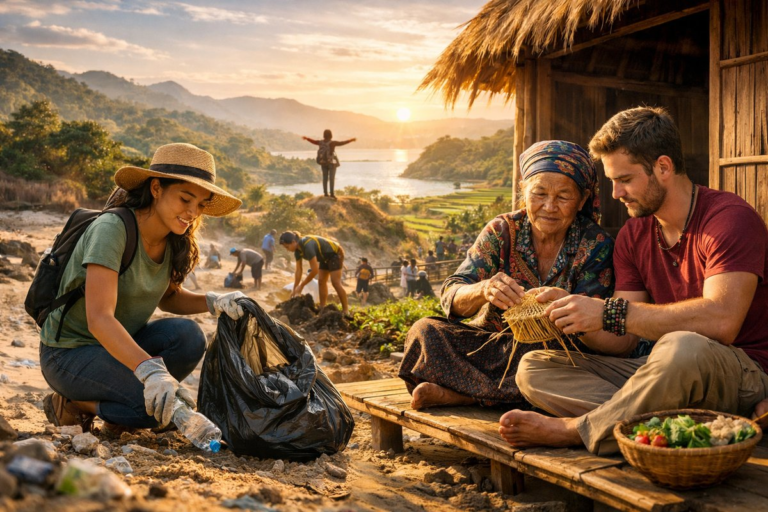
Immersive cultural workshops add layers of meaning. Learning to weave baskets alongside an artisan or mastering regional dance steps in a village square introduces nuance that no guidebook can capture.
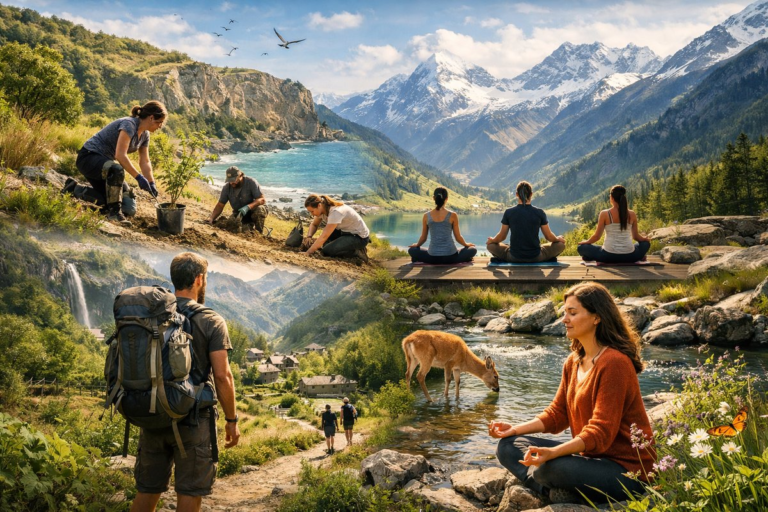
Wellness and travel now go hand in hand. Morning tai chi on a misty plateau, evening sound-bath therapy in a restored barn or forest bathing with a trained guide help reset mind and body amid natural surroundings.
On the tech frontier, virtual reality previews let travelers sample treks, marine reserves or heritage trails before committing. These digital try-before-you-go sessions reduce buyer’s remorse and help refine personalized itineraries.
Health and safety apps offer live updates on air quality, weather alerts and public health advisories. They can recommend nearby clinics equipped to handle minor emergencies or provide real-time translations for medical staff.
Digital travel journals automatically geotag photos, record audio snippets and track mileage. Travelers can revisit voice memos of market chatter and catch glimpses of birdcalls recorded at dawn, preserving sensory details usually lost in text notes.
Connectivity options for remote stays have evolved too. Portable Wi-Fi hotspots, prepaid data plans and local SIM cards ensure essential communication without exorbitant roaming fees.
Managing money across borders grows simpler with multi-currency e-wallets and no-fee travel cards. These tools help avoid hidden exchange-rate markups and give clear spending overviews-essential for mindful budgeting.
Despite digital advances, cash still reigns in many locales. Carrying small notes supports street vendors, artisans and family-run cafes that lack card readers. Being prepared with local currency expresses respect and fosters goodwill.
Risk management goes beyond trip insurance. Savvy travelers study local customs to avoid cultural missteps, enroll their itineraries with embassies and learn basic first-aid skills for wilderness excursions.
When choosing transport, electric vehicle share programs and solar-charged tuk-tuks reduce emissions on city explorations. Bicycle tours and e-bikes make eco-friendly travel appealing in both rural and urban settings.
In remote areas, small-scale operators sometimes offer hybrid sailboats or solar-assisted yachts, merging adventure with cleaner energy sources on coastal journeys.
Sampling regional cuisine can double as cultural education. From foraging seaweed on rocky shores to learning spice blends in a desert market, edible experiences tie travelers to local ecosystems and ancestral recipes.
Consider joining a community-led dinner where guests cook family recipes over open flames. These intimate gatherings often raise funds for neighborhood projects and spark cross-cultural exchanges.
Accommodation options have expanded to include off-grid eco-lodges built from reclaimed materials, floating cabins powered by wind turbines and treehouses designed to leave minimal impact on delicate canopies.
Collaborative travel platforms allow solo explorers to join small groups based on shared interests-birdwatching, traditional crafts or conservation work-combining safety in numbers with socially responsible project support.
Emergency satellite communicators provide peace of mind on backcountry trips, transmitting location pings when network coverage is nonexistent and connecting to rescue services if needed.
Photos remain the currency of memories. Compact mirrorless cameras with robust weather-sealing and quick autofocus capture fleeting moments of wildlife and street life with professional clarity.
Journaling complements photography. Writing about a sunrise trek or a late-night conversation with a cultural elder deepens self-reflection and memorializes emotional insights.
To reduce gear clutter, opt for modular packing cubes, lightweight quick-dry fabrics and multi-functional accessories such as a scarf that doubles as a blanket or sunshade.
One traveler’s experiment in zero-waste solo hiking sparked a local swap meet for reusable toiletry bars. Small actions can ripple outward, inspiring entire communities to rethink consumption.
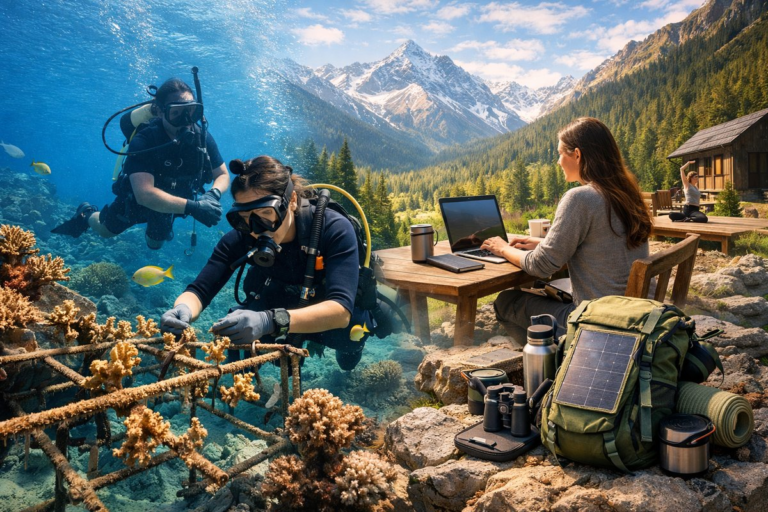
In another case, a family staying in a coastal village collaborated on a coral restoration project. Their simple pledge to donate snorkeling gear after use helped revitalize a reef stretch threatened by bleaching.
Stories like these illustrate how intentional travel choices cultivate personal growth and community resilience. The boundaries between visitor and host blur, creating shared ownership of memorable moments.
Door-to-door trip planning apps now feature integrated sustainability metrics, allowing users to compare carbon footprints across airlines, accommodations and transport modes. Transparency in impact data motivates greener decisions.
Meanwhile, AI-driven trip advisors analyze preferences and past reviews to propose bespoke itineraries, removing much of the legwork from research while still encouraging explorers to tweak plans based on local intel.
As travelers return home, they often carry new perspectives on resource conservation, cultural heritage and global interconnectedness. Many donate proceeds from post-trip photo sales to the communities that enriched their experiences.
Future travel narratives are likely to blur physical and virtual realms even further-with augmented reality overlays illuminating hidden landmarks and blockchain-powered community currencies supporting hyper-local economies.
But at its essence, transformative travel remains rooted in human connection, respect for place and curiosity about traditions beyond one’s own. By embracing slow, sustainable exploration and leveraging smart tools, modern wanderers can write stories that endure long after suitcases are unpacked.
Whether you’re a first-time trekker or a seasoned globetrotter, there’s always room to deepen your adventures. Take a detour down an unmarked path, learn a new skill alongside strangers who soon become friends and leave behind footprints that heal, not harm.
Your next journey awaits-one where every moment becomes a chapter in an evolving narrative of discovery, empathy and collective stewardship of our shared planet.