Location
Mount Vernon, WA 98274
Location
Mount Vernon, WA 98274


As travelers seek deeper connections and unforgettable moments, the tourism landscape is shifting toward eco-minded journeys, local partnerships, and tech-enabled planning. Fresh data shows that mindful exploration isn't just a trend-it's redefining how we move across the globe.
In the past year, the travel industry has witnessed a remarkable pivot. Tourists are moving beyond landmark sightseeing and bucket-list ticking, opting instead for experiences that foster genuine connections with people, places, and ecosystems. A recent survey by the World Tourism Organization found that 64 percent of travelers now rank sustainable practices as a top priority when choosing destinations. Meanwhile, data from the Global Travel Observatory shows that ‘micro-adventures’-short, locally anchored trips that last from a single day to a long weekend-have surged by 30 percent in booking volume across Europe and North America.
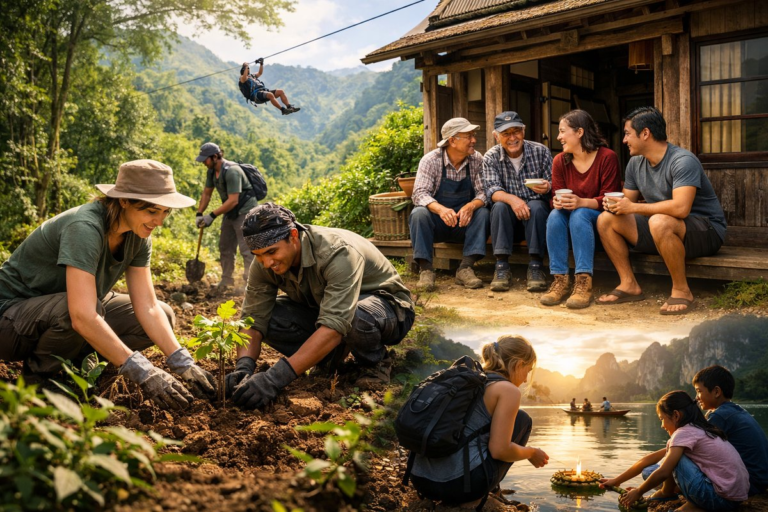
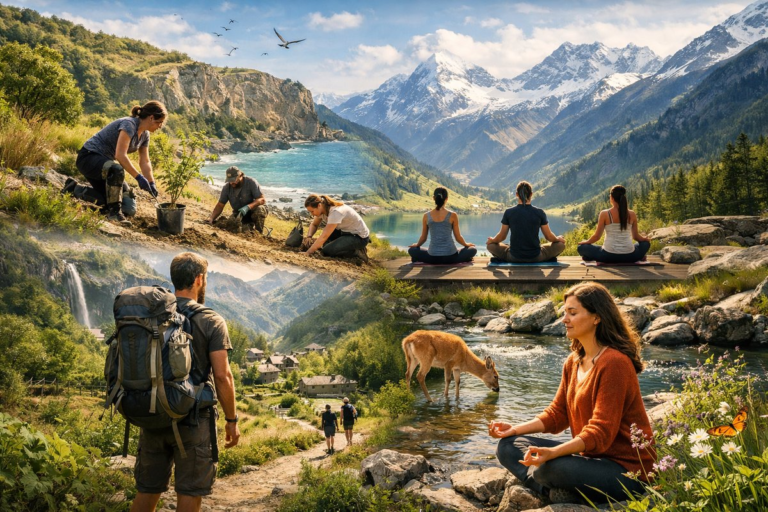
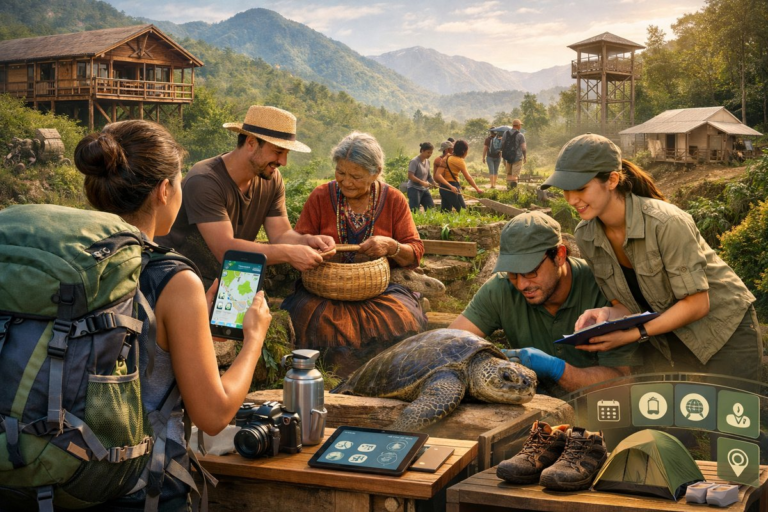
This shift reflects a broader cultural awakening. Instead of racing through multiple cities in a week, vacationers want to learn a village’s culinary heritage, support community-led conservation efforts, or simply unplug and hike through quieter landscapes. Industry experts say that such immersive approaches are no longer niche. “Travelers are craving authenticity,” says a senior analyst at the Global Travel Observatory. “They’re more curious about daily life in a region than about ticking off tourist attractions.”
One emblematic example of this evolution is unfolding in the rugged fjords of Norway. A small outfitter partnered with coastal fishermen’s families to offer day excursions on traditional wooden boats, teaching participants how to set their own nets, clean their catch, and prepare fish over open flames. Guests join evening storytelling sessions around a bonfire, absorbing oral traditions passed down for generations. Instead of a crowded harbor tour, this micro-adventure cultivates local income, preserves intangible heritage recognized by UNESCO, and gives visitors a hands-on perspective rarely found in mainstream packages.
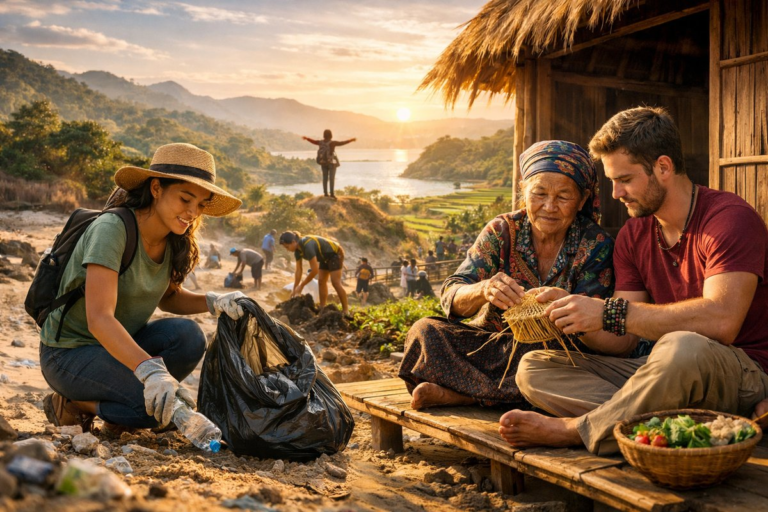
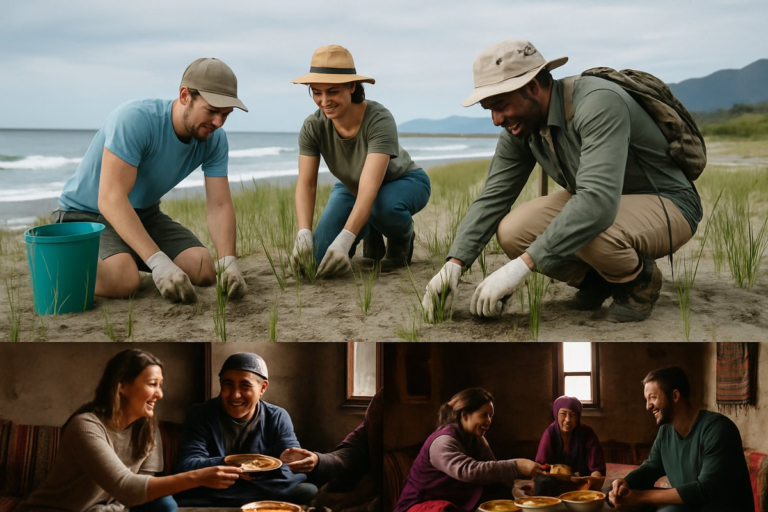
Halfway across the globe, a remote village in southern Japan is piloting homestays that celebrate local crafts. Visitors learn the art of indigo dyeing, practice calligraphy with village elders, and participate in seasonal festivals that most tourists never see. The program was launched last spring in partnership with municipal leaders and a university’s cultural preservation department. By the end of its inaugural season, nearly 80 percent of participants reported feeling they had a “deep understanding” of regional lifestyle-far beyond what is possible in a standard ryokan visit.
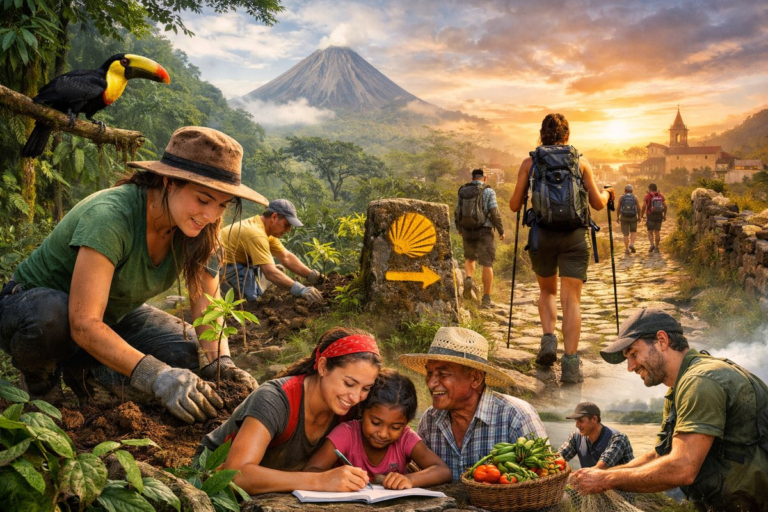
Costa Rica, often lauded as a pioneer in eco-tourism, has become another fertile ground for next-level travel. Private reserves are opening their gates to limited-group rainforest treks led by local guides trained in wildlife monitoring. Travelers help tag resident sloths for health checks, assist in reforestation plantings, and spend evenings under star-filled skies in solar-powered eco-lodges. The National Institute of Biodiversity reports that such initiatives have increased protected-area revenue by 18 percent while reducing single-use plastics in park zones by nearly half.
Technology is playing a critical supporting role in this transformation. Virtual reality previews help visitors decide which small-group trek or cultural homestay aligns with their interests, reducing last-minute cancellations and boosting satisfaction rates. Mobile apps aggregate local service providers-artisan chefs, traditional boat builders, or indigenous storytelling groups-into a single platform, enabling seamless booking, multilingual support, and secure digital payments. Meanwhile, AI-driven recommendations suggest nearby micro-experiences based on a traveler’s past interests, dietary preferences, and environmental concerns.
Yet these innovations bring new challenges. The rise of immersive tourism can strain fragile ecosystems if not carefully managed. Conservationists warn that even small groups must adhere to strict leave-no-trace principles and support community-led quotas. In rural regions where infrastructure remains limited, the influx of travelers can overwhelm local water supplies and waste-management systems. To address this, industry alliances are piloting real-time capacity tracking and dynamic pricing to smooth out visitor flows and ensure that benefits accrue fairly.
On the policy front, some national tourism boards are instituting “experience licenses” that certify operators meeting rigorous ecological and cultural standards. In parts of Southeast Asia, a multi-stakeholder council regulates homestays, ensuring that local languages are promoted and that revenue sharing models empower host families. Similar approaches are being explored in the Andes, where indigenous cooperatives are defining best practices for high-altitude trekking and sacred-site visits.
Travelers themselves are becoming more discerning. Social-media feedback loops have shifted from flashy selfies in front of landmarks to in-depth reflections on local economies and environmental impact. Hashtags related to slow travel, regenerative tourism, and digital detoxes are trending on major platforms, sparking broader conversations about how to balance adventure with stewardship. In a recent poll by Traveler’s Insight Magazine, 72 percent of respondents said they plan to incorporate at least one community-based experience on their next trip.
For travel professionals, this means rethinking marketing and product design. Large operators are launching micro-travel divisions staffed by cultural curators and sustainability officers. Boutique agencies are partnering directly with regional NGOs to co-create itineraries that prioritize social impact over travel volume. Even legacy carriers are exploring ‘volunteer layover programs’ that connect stranded passengers with local service projects during extended airport delays.
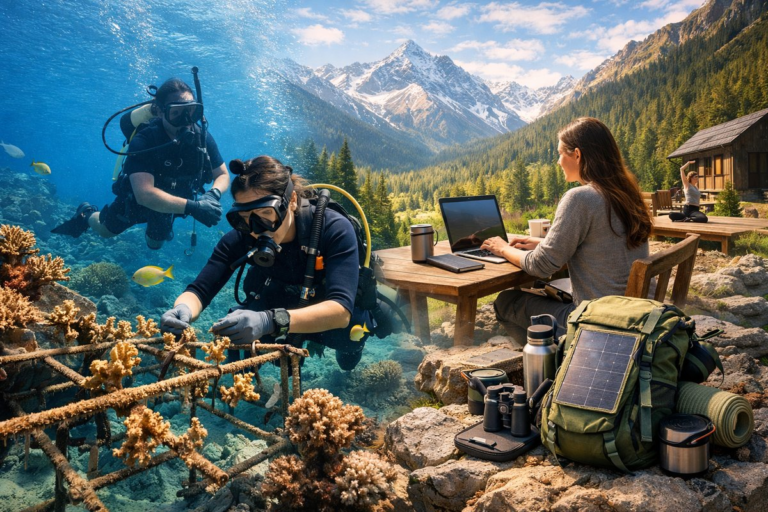
What does this all mean for the future of travel? Experts anticipate a continued blurring of lines between tourism, volunteerism, and research. As mobile connectivity expands into remote corners of the globe, travelers will have ever-greater access to hyper-local opportunities: from joining solar-installation workshops in desert outposts to tracking marine life aboard eco-fleet sailboats. At the same time, the industry’s commitment to carbon-offsetting, renewable energy, and community reinvestment will likely become baseline expectations rather than standout features.
Still, the essence of this movement remains surprisingly simple: people are seeking more meaningful ways to explore the world. They want to bring home not just photos but stories of friendship forged over a shared meal, insights into how communities adapt to shifting climates, and memories of silent dawn-light hikes that awaken a deeper sense of wonder. By prioritizing cultural immersion, environmental resilience, and thoughtful use of technology, the travel industry is poised to usher in a new era-one where every journey carries the potential for personal growth and collective well-being.
As summer bookings accelerate, travelers face a crucial choice: opt for the circuit of big-ticket attractions or lean into experiences that transform perspectives and leave a positive legacy. The data is clear: immersive, sustainable, community-driven travel is not a passing fad. It’s a recalibration of the way we relate to the planet and to one another. More than ever, the future of travel hinges on our capacity for empathy, curiosity, and care.
Whether you’re a solo backpacker seeking a homestay in rural highlands or a family eager to support local artisans, the opportunities for authentic engagement are expanding. The challenge now lies in making mindful decisions-choosing providers, partners, and programs that respect people and place. Because at the end of the day, the most enduring souvenirs aren’t souvenirs at all, but the stories we carry home in our hearts and share with others.