Location
Mount Vernon, WA 98274
Location
Mount Vernon, WA 98274

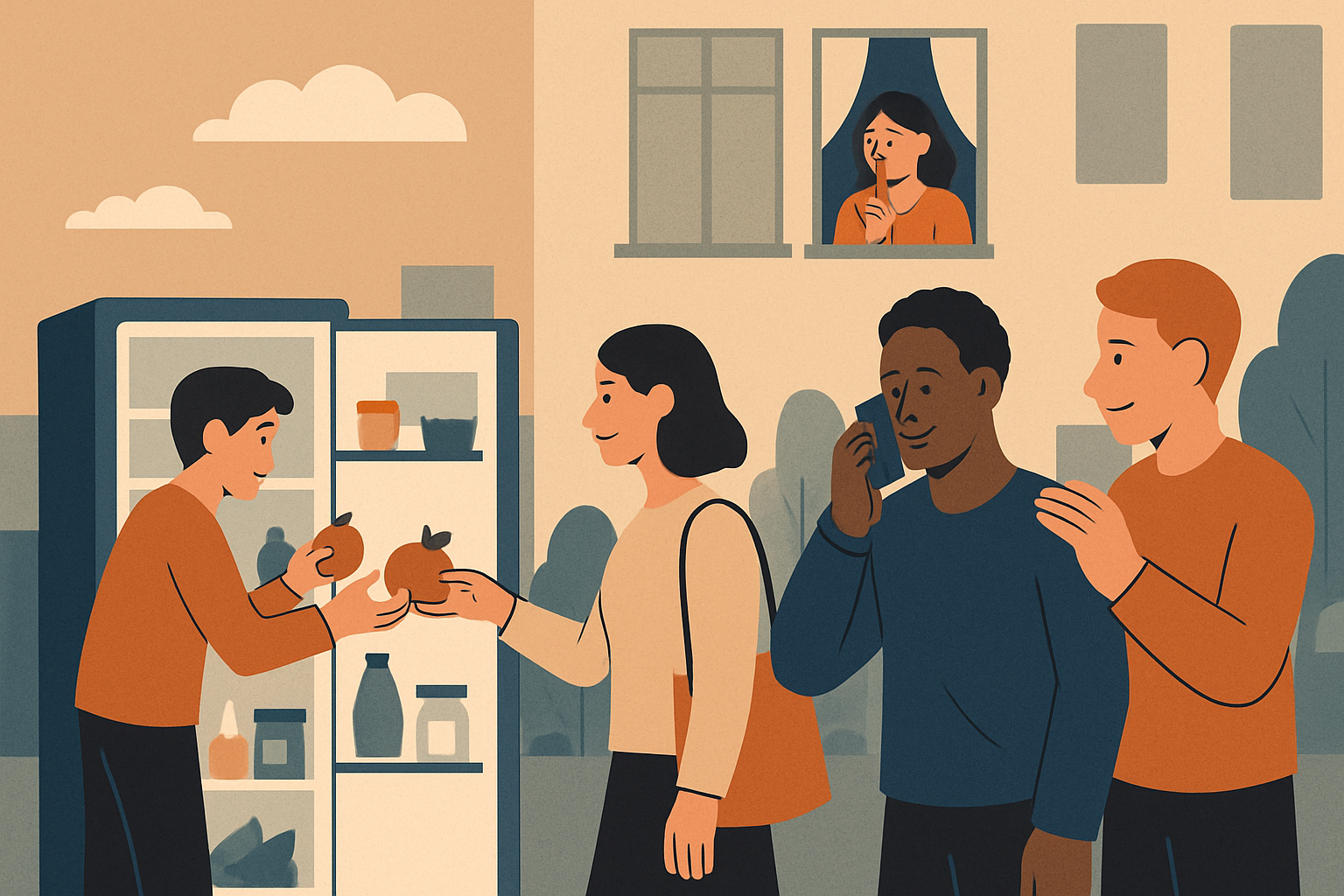
In an era dominated by algorithmic feeds and mass broadcasts, a silent revolution is thriving in fleeting moments and whispered gestures. From neighborhood fridge swaps to asynchronous audio check-ins, people are rediscovering the power of micro-interactions to build trust, nurture well-being, and spark unexpected solidarity.
It isn’t a grand march or a viral hashtag that’s reshaping our social landscape today. Instead, it’s the collection of small gestures-a quick voice note to a friend, a shared sketch on a neighborhood message board, a spontaneous potluck in a vacant storefront-that are fanning the embers of connection one ember at a time. In a world overwhelmed by 24/7 connectivity and ever-expanding networks, many are turning inward to micro-interactions, discovering that intimacy and community can thrive in the most unexpected nooks of everyday life.
Recent surveys by leading research think tanks show that 58 percent of adults now prefer short, asynchronous communication-voice clips, ephemeral photos, or brief status updates-to lengthy video calls or continuous chat threads. Why? Because these bite-sized touchpoints feel less performative and more genuine. They allow space for reflection, reduce anxiety around instant responses, and open channels for creative, unpolished expression.
Across cities and towns, pop-up “story walls” have sprung up in parks and cafes. Anyone can contribute a doodle, a haiku, a gratitude note or a matchmaking prompt. These low-barrier installations require almost no planning or budget, yet they ignite conversations among strangers, blur lines between creator and audience, and sow seeds of neighborly warmth. In some cases, the walls have evolved into weekend swap tables for homemade preserves or second-hand books, bridging digital concept to physical practice.
Meanwhile, digital platforms are embracing the micro-moment ethos. One audio app reported that 42 percent of its new users in the past year joined “quick-pulse” voice rooms-spaces where participants share three-minute reflections on any topic before passing the mic. Unlike marathon livestreams, these sessions respect people’s limited attention spans and foster an elevated sense of presence. Listeners often report feeling heard more deeply than in large forums.
On the mental wellness front, therapists and coaches are experimenting with “micro-rituals”: daily prompts delivered via messaging apps that invite a two-minute breathing exercise, a gratitude journal entry, or a tiny act of kindness. Early clinical observations indicate these pocket-sized practices are more sustainable than hour-long therapy sessions for many clients. They become woven into routines-tucked between coffee and the commute, or sandwiched into lunch breaks-gradually shifting mood and resilience.
Physical spaces are adapting too. Coworking hubs are allocating “quiet corners,” equipped with calming décor, soft lighting and analog puzzles, where members can decompress for ten-minute breaks. Pop-up neighborhood fridges-stocked by local volunteers-permit surplus produce to be shared freely. These community initiatives rely not on corporate sponsorship but on micro-volunteering gestures: a handful of carrots dropped off here, a quart of jam placed there, a quick photo update to ensure transparency.
Back in the digital realm, a wave of “digital pen-pal” services is gaining traction. Built around the nostalgia of snail mail but enhanced by modern logistics, users write one physical letter per month, paired with a pen-pal thousands of miles away. The mailing cadence encourages anticipation, slows down the pace of communication, and fosters deeper curiosity about distant cultures. Participants report enhanced empathy, reduced screen fatigue and more mindful time management.
These micro-interaction trends aren’t limited by geography. In sprawling metropolises and remote villages alike, people crave moments of authenticity. A case in point: community gardens have organized “seed swap brunches,” where attendees bring a dish and a few extra seed packets to exchange. Conversations about heirloom tomatoes often segue into shared cookware tips, local folklore and new friendships.
Social scientists point to a cognitive shift: we are building “scenes” instead of networks. Rather than aspiring to gather thousands of followers, individuals curate small clusters of like-minded peers who meet occasionally for shared experiences-an urban bird-watching walk, a midday meditation circle, an impromptu jam session in a transit plaza. These gatherings operate on lean budgets and minimal promotion, thriving through word of mouth and sticky moments of delight.
Marking another milestone, some cities have launched “micro-grants” of small sums-enough to fund a street mural, a one-off pop-up reading nook, or a neighborhood board game afternoon. Recipients share updates via SMS or a micro-blog, giving others insight into the project’s impact. The modest financial threshold encourages risk-taking and experimentation, lowering barriers for would-be organizers who lack institutional backing.
Nonprofits have taken note. A family services charity now deploys “connection kits”-bags containing a deck of conversation starter cards, a simple craft project, and a snack-for home visits. Social workers deliver these kits as icebreakers in communities struggling with isolation. Early reports suggest that children and parents engage more freely when there’s an interactive artifact to hold and share, rather than a scripted questionnaire.
Even workplaces are reimagining how colleagues bond. Instead of monthly all-hands or weekly team calls, companies are piloting “two-minute peer check-ins” triggered by random pairing algorithms. Once a day, two employees receive a prompt like “share your current source of wonder” or “name one small success you had today.” These pulses of personal exchange, lasting less than five minutes, cultivate psychological safety and serendipitous collaborations.
The rise of micro-interactions speaks to deeper cultural currents: a yearning for genuine human contact amid digital noise, a desire to reclaim agency over how and when we connect, and an appetite for creativity that doesn’t require grand gestures. By shrinking the scale of engagement, we increase the density of meaning in each encounter.
Yet the movement also faces challenges. Ephemeral content can be fleeting-stories vanish, audio rooms close, walls are painted over. Sustaining momentum often demands a guardian or caretaker, even if that role rotates among volunteers. There’s also the risk of micro-insider groups forming cliques, unintentionally excluding others who miss a thread or a meetup.
Experts recommend a few simple practices to keep micro-interaction ecosystems healthy: document each gathering with shared notes or photos, so newcomers can catch up; rotate leadership roles to distribute ownership; mix analog and digital touchpoints-like a survey slip at a community fridge alongside an Instagram update. These scaffolds ensure memories persist and newcomers feel welcome.
Looking ahead, sociologists predict that micro-interactions will increasingly intertwine with emerging technologies. Imagine augmented-reality murals that animate when scanned with a phone, revealing hidden messages from neighbors, or blockchain-backed “goodwill tokens” exchanged for favors that live on a public ledger. While these innovations add complexity, the core principle remains: small, meaningful exchanges build trust more effectively than sprawling broadcasts.
In a time when social media algorithms can feel like a lottery, micro-interactions offer a more reliable dividend: genuine moments of human connection. They remind us that community isn’t a mass audience to be convinced, but a tapestry stitched from individual acts of kindness, curiosity and creativity. As this quiet uprising spreads, it invites each of us to notice the small opportunities in front of us-in line at the cafe, on the sidewalk, in the quiet glow of our screens-and transform them into sparks that light up both our day and our shared world.