Location
Mount Vernon, WA 98274
Location
Mount Vernon, WA 98274


From countertop greenhouses to AI-assisted recipe mashups, today's food scene is undergoing profound change. These culinary shifts blend sustainability, ingenuity, and personal empowerment, inviting home cooks and professionals alike to explore unexpected ingredients and tools.
The home kitchen has always been a stage for creativity, but recent waves of innovation are pushing that creativity to new heights. Gone are the days when cooking was purely about tradition or sheer technique. Today’s food landscape thrives at the intersection of technology, ethics, and community values. From ultra-local harvests grown under energy-efficient lights to flavor experiments guided by data, four transformative trends are shaping the way we plan, prepare, and share meals.
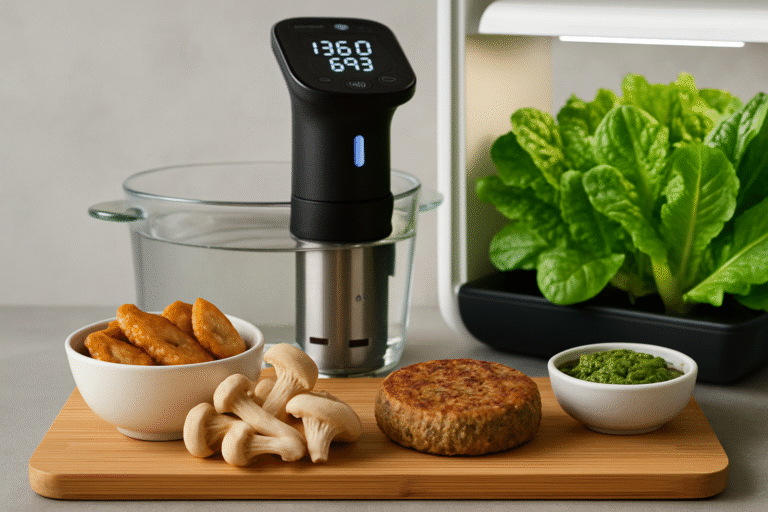
At the heart of this evolution lies the push towards sustainable sourcing that doesn’t sacrifice convenience. Urban dwellers once resigned to store-bought greens now have access to compact countertop greenhouses that use hydroponics and LED lighting to grow herbs, microgreens, and even small lettuces year-round. Paired with apps that monitor water levels and nutrient cycles, these smart gardens reduce food miles and plastic waste, and they invite novices to witness the entire lifecycle of their produce. Beyond herbs, some systems now support small fruits and vegetables, meaning you can harvest cherry tomatoes or hot peppers mere minutes before tossing them into a salad. This isn’t just a novelty-it’s a quiet revolution that shortens supply chains, cuts carbon footprints, and reconnects cook to ingredient in an intimate, almost magical way.
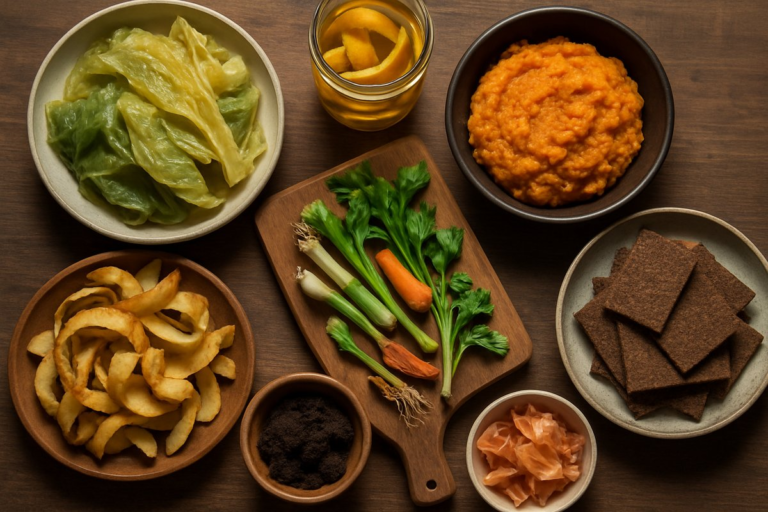
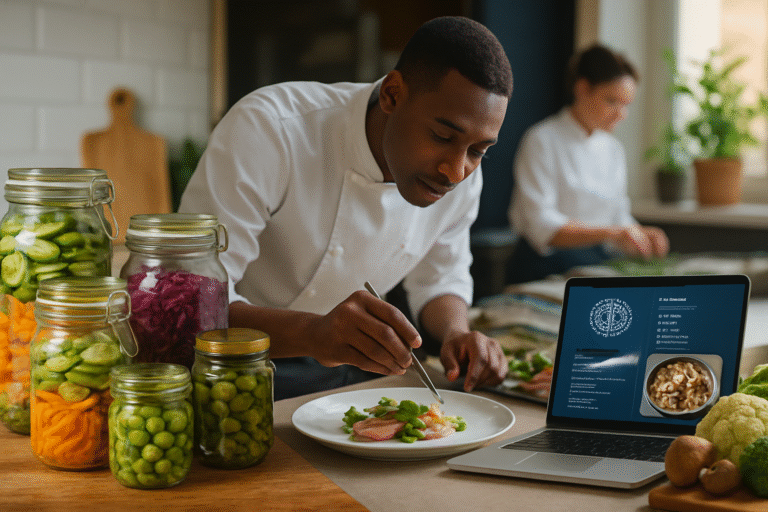
Meanwhile, in professional and enthusiast circles, fermentation has undergone a renaissance. Chefs and home fermenters are diving into wild cultures-beyond yogurt and kombucha-to coax new flavors from cabbage, coconut, and even unconventional substrates like squash or fruit peels. This revival taps into ancient preservation methods while injecting modern creativity. Online communities share tips for controlling temperature and pH, while fermentation controllers with built-in sensors ensure consistent results. The outcome is a proliferation of tangy kimchis, tangles of lacto-fermented garbanzos, and jars of probiotic-rich hot sauces that transform simple stir-fries into layered taste experiences.
Flavor exploration is further accelerated by AI-driven recipe platforms that analyze consumer reviews, global databases of traditional dishes, and user-provided pantry inventories. Instead of sifting through countless websites, cooks can input a handful of ingredients or flavor preferences-and receive a custom recipe that blends Japanese umami with West African spice or Nordic foraging with Mediterranean staples. These algorithms learn over time, refining suggestions based on ratings and cooks’ feedback. The result is hyper-personalized fusion cooking that feels spontaneous yet reliable, helping home chefs break free of culinary comfort zones without fearing disastrous outcomes.
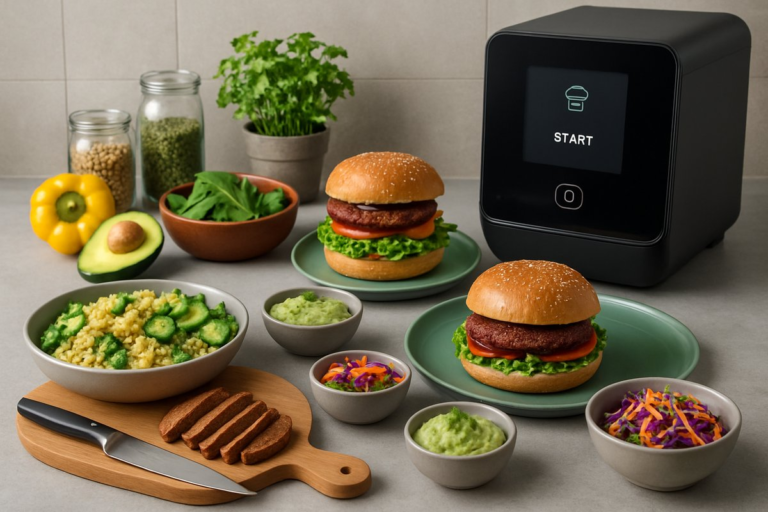
But flavor and sourcing are only part of the story. The tools we use are evolving to meet higher demands for efficiency, precision, and sustainability. The proliferation of energy-smart induction cooktops and multi-function countertop appliances means that a single device can sauté, steam, slow-cook, and even air-fry with minimal power consumption. Digital interfaces let you program temperature curves and cooking times down to the minute, ensuring repeatable restaurant-level quality at home. Some models even integrate with voice assistants or smartphone apps, letting you monitor progress while handling other tasks-be it a work call, a workout, or bedtime stories for the kids.
In professional kitchens, waste tracking has become as important as menu planning. Digital composting solutions equipped with built-in scales and small heat modules turn vegetable scraps and coffee grounds into nutrient-rich compost in under 24 hours. Staff can log what goes in and track cost savings from diverted waste, reinforcing a closed-loop mentality. These systems are trickling down to high-end homes, where eco-conscious households see composting not as a chore but as the final creative act in a meal’s lifecycle.
Another frontier is ingredient transparency. A growing number of apps and smart packaging technologies let consumers scan a barcode to learn exactly where each ingredient was grown, processed, and certified. Blockchain-backed traceability solutions ensure data can’t be tampered with, so trust in organic or fair-trade claims becomes verifiable in real time. Chefs with open kitchens encourage diners to scan their menus before ordering, turning meals into interactive journeys through terroir, ethics, and community stewardship.
Culinary education has also migrated online, but with a twist: virtual reality and augmented reality cooking classes. Imagine donning lightweight goggles to see ghost images of knife skills overlaid on your chopping board or having a digital instructor guide your hand through intricate fold patterns for dumplings. These immersive experiences aren’t just about mastering technique; they cultivate empathy for global food traditions by placing users virtually in a bustling Indian street kitchen or an olive grove in the Mediterranean.
Perhaps the most profound shift is values-driven eating. Consumers are demanding more than flavor-they want a narrative that aligns with personal ethics and emotional wellbeing. Meal kits that once shipped pre-portioned ingredients are now offering carbon-offset options, locally foraged mushroom subscriptions, and “story boxes” featuring indigenous grain varieties alongside profiles of the farmers who grew them. Subscribers feel like partners in a shared mission to revitalize biodiversity and support small-scale agriculture.
This values-driven approach extends to mindful dining practices. Digital detox cookware-pots and pans that gently glow when they detect excessive noise or screen usage nearby-invite families to leave smartphones at the door and focus on conversation. Ambient sound machines integrated into dining tables can play subtle nature tracks or low-key jazz, creating a calm, shared atmosphere that encourages slow, reflective eating.
Emotional intelligence is seeping into recipe design as well. Comfort food takes on new forms-think spiced sweet potato mash with fermented yogurt topping, or crispy chickpea nibbles served alongside mood-boosting mushroom broths. Nutrition experts collaborate with chefs to craft dishes that target mental wellness, balancing macronutrients with adaptogenic herbs known for stress relief.
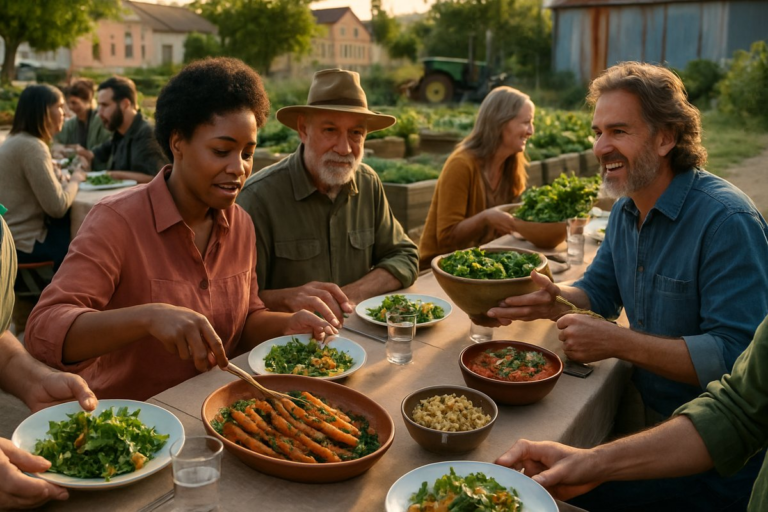
These trends-local micro-farming, fermentation artistry, AI-fueled fusion, sustainable appliances, immersive learning, traceability, values-led sourcing, and mindful dining-may seem disparate, but they share core themes. They all champion empowerment: home cooks seize control of their ingredients and kitchen environments, while diners become active participants in food systems. They emphasize curiosity, urging us to experiment with new flavors or technologies. They celebrate sustainability, reminding us that every meal is an ecosystem. And they foster emotional intelligence, encouraging cooking and eating as mindful practices that connect us to ourselves, to others, and to the planet.
As these culinary currents converge, the kitchen transforms from a mere cooking space into a hub of innovation, storytelling, and community. Whether you’re a novice eager to sprout your first microgreen or a seasoned chef exploring AI-assisted flavor pairings, there’s never been a more exciting time to step into this evolving world of food. Every countertop gadget and ingredient choice carries meaning, inviting us to consider not just what we eat, but how we live.
In the coming years, expect even greater integration between home and professional kitchens. Imagine networked community gardens where harvest data informs restaurant menus in real time, or neighborhood fermentation labs open to anyone curious about microbial magic. Soon, kitchens will blur the lines between lab, studio, and garden-reflecting our collective drive for progress, sustainability, and deep human connection through shared meals.