Location
Mount Vernon, WA 98274
Location
Mount Vernon, WA 98274

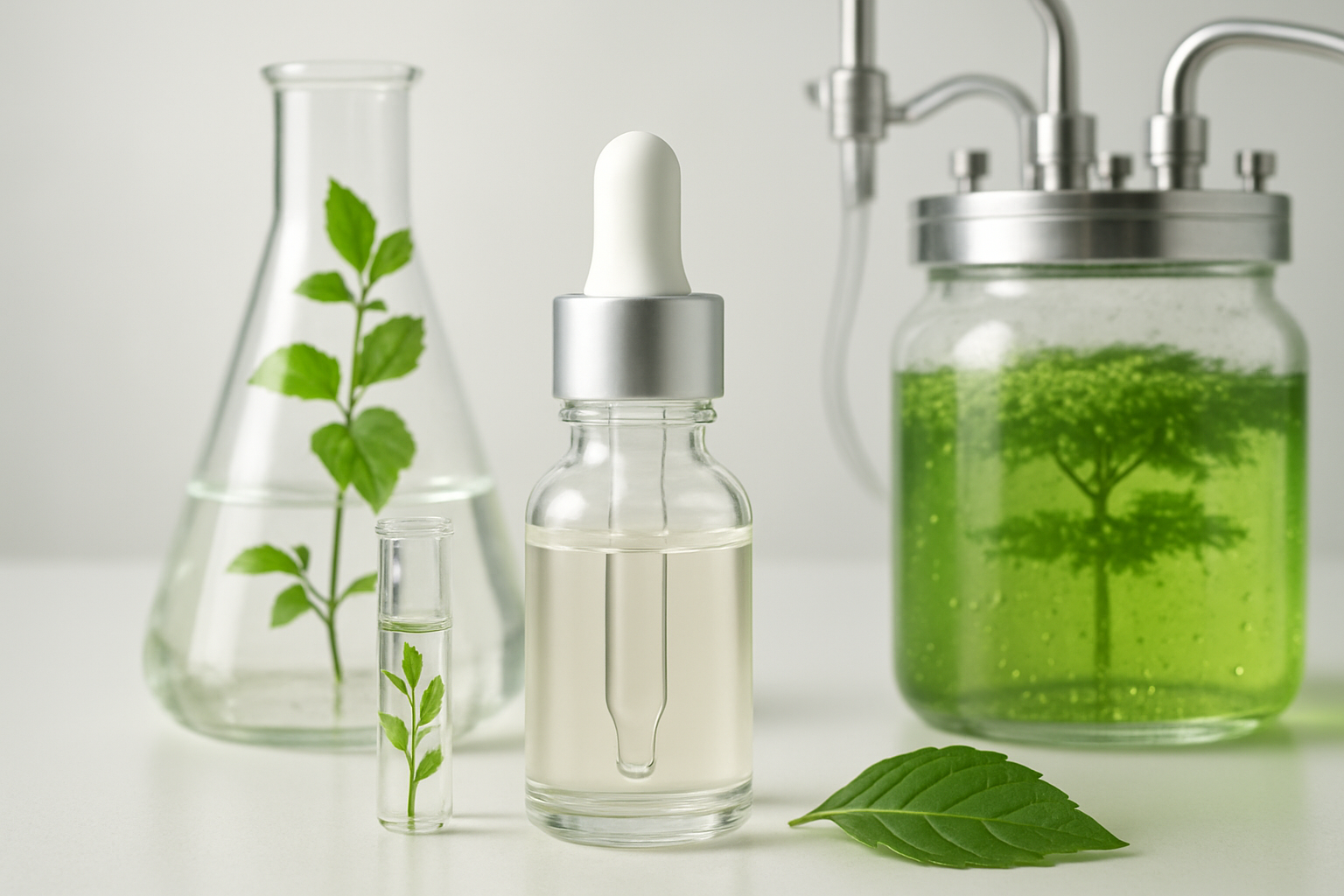
A new wave of biotech-powered serums, produced from lab-cultured plant stem cells, promises to revolutionize sustainable beauty. By harnessing bioreactors instead of traditional agriculture, these products reduce environmental impact and offer potent, standardized plant actives tailored for modern skin needs.
An emerging frontier in skincare marries the precision of biotechnology with the enduring wisdom of plant-based actives. Across Europe and North America, a handful of pioneering laboratories have begun scaling plant stem cell cultures in bioreactors, generating high-purity extracts without depleting natural habitats or relying on large-scale farming. This shift toward lab-grown botanical serums marks one of the most significant turning points in the beauty industry: the moment when sustainability, scientific innovation, and consumer demand for clean formulations align.
At the heart of this movement lies a simple idea: instead of harvesting whole plants for their beneficial compounds-often subject to seasonal variations, soil quality, and logistical constraints-manufacturers isolate plant cells and coax them to proliferate in controlled environments. Under sterile conditions, these cells secrete the same secondary metabolites, growth factors, and antioxidants prized for skin repair, hydration, and defense against environmental stressors. Early adopters claim that consistency between batches is dramatically improved, fragrance and color are easier to manage, and the entire supply chain becomes traceable from flask to face.
Industry analysts estimate that the global biotech skincare segment will expand at a compound annual growth rate of nearly 16 percent through the end of the decade. If sustained, that trajectory would outpace many traditional cosmetic categories. Yet beyond raw numbers, consumers speak to a deeper motivation: ethical transparency. With growing awareness of overharvesting, deforestation, and water-intensive crops, many beauty enthusiasts are opting for formulas that minimize ecological damage. In response, research labs specializing in plant cell culture have formed partnerships with heritage farms, ensuring that wild seed stocks remain protected even as fermentation tanks churn out bioactive molecules.
One such breakthrough involves cultured rose stem cells. Rather than uprooting acres of blooms, researchers introduced key rose cell lines into nutrient-rich bioreactors. Over several weeks, the cells multiply, releasing phenolic compounds known for brightening and elasticity support. End products boast up to ten times the concentration of those compounds compared to traditional extracts, yet they leave out impurities and allergens often found in field-grown flowers. As a result, people with sensitive skin report fewer irritation episodes when switching from conventional rose-infused creams to the lab-derived alternative.
Cultured stem cell serums also open doors for novel ingredients once relegated to remote jungles or harsh climates. For example, a plant native to a small archipelago in the Indian Ocean produces a unique polysaccharide that fortifies the skin barrier and entrains moisture. Until now, commercial extraction was limited by geography and yield. By isolating the plant’s meristem cells, biotech teams can replicate the process in urban cleanrooms, ensuring a constant, cruelty-free supply. Consumers receive a stable formulation with the same feel and efficacy as the wild-harvested derivative-minus the ethical and carbon footprint concerns.
Dermatologists and cosmetic chemists praise the consistency these technologies bring. Traditional botanical extracts can vary dramatically between growing seasons, forcing formulators to tweak pH or emulsifier blends to maintain texture. Lab-grown cells, in contrast, yield uniform concentrations of active compounds from batch to batch. “When we analyze the chromatographic profile of cultured cell extracts, it’s like looking at a fingerprint that stays the same every time,” explains a formulator at an independent skincare lab. “That means fewer stability tests, less reformulation, and ultimately faster time to market.”
Yet this transition is not without challenges. Bioreactor systems demand expertise, rigorous quality controls, and specialized facilities. Initial capital investments can reach into the millions, creating a barrier for smaller indie brands. Furthermore, regulatory frameworks that govern cosmetic ingredients may lag behind the pace of innovation, resulting in prolonged approval cycles in certain regions. To mitigate risk, some startups license their cultured cell lines to established manufacturers, leveraging existing production and distribution networks while retaining intellectual property protections.
Beyond the lab, consumers are curious about the sensory experience. Can a serum grown from plant cells feel as luxurious as one blended with essential oils and natural butters? Early responders say yes-though the profiles can be subtly different. Cultured extracts tend toward a cleaner aroma, often described as “green” or “dewy,” since earthy terpenes and waxy residues are largely absent. This clarity allows formulators to layer signature fragrances or design minimalist scentless options for fragrance-sensitive users.
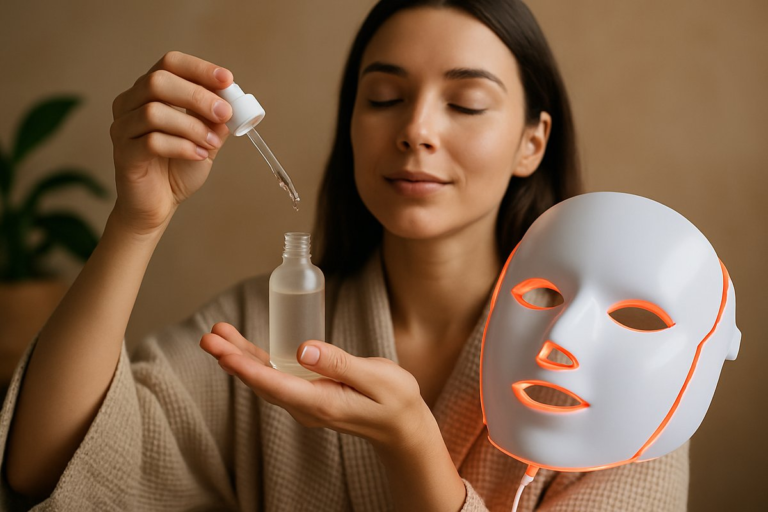
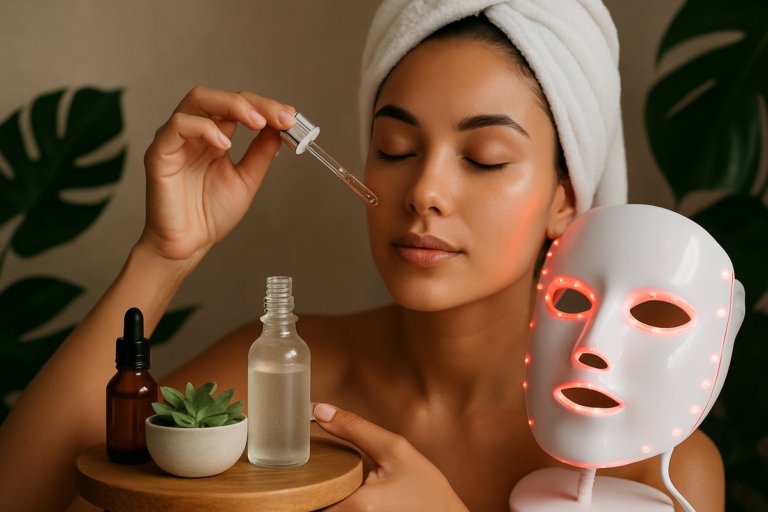
In practical terms, integrating a cultured stem cell serum into a daily routine demands no more effort than applying any other high-performance elixir. After cleansing and toning, a few drops massaged into the face and neck can jumpstart hydration and cellular turnover. Many users note that these serums pair seamlessly with cream cleansers, sheet masks, and targeted eye treatments. For those who appreciate sleek packaging, the biopharmaceutical approach often comes with pump dispensers or single-dose ampoules-ensuring hygiene and preserving active integrity over time.
Economically, the price point for these advanced serums remains on the premium end of the spectrum. However, cost-per-use calculations that factor in higher concentrations and improved shelf stability often narrow the value gap. As production scales and more biotech firms enter the marketplace, experts anticipate a gradual price decline, akin to what happened with hyaluronic acid and vitamin C derivatives once they moved from niche laboratories to mainstream suppliers.
At a broader cultural level, lab-grown skincare raises questions about our relationship to nature. Some beauty purists argue that no cultivation can fully replicate the complex synergy found in whole plants. Others see cultured cell extracts as a way to honor biodiversity, preserving fragile ecosystems while democratizing access to rare botanicals. For now, many brands strike a balance by pairing biotech actives with responsibly sourced oils, butters, and natural gums-creating hybrid formulations that speak to both tradition and innovation.
Looking ahead, bioreactor platforms are set to expand far beyond stem cells. Synthetic biology techniques may allow for custom-designed peptides, microbial metabolites, and even pigment molecules, all fine-tuned for barrier reinforcement, microbiome balance, or photoprotection. Personalized serum cocktails, guided by a user’s skin profile and genetic markers, could become commonplace within the next few years. Yet the core value proposition remains the same: a commitment to transparent, eco-conscious production that reduces environmental harm without compromising performance.
In the evolving narrative of beauty, bioreactor-grown plant stem cell serums stand at a crossroads between science fiction and everyday self-care. For consumers, they offer not just skin-deep benefits, but a feeling of participation in a broader mission-one that respects the Earth’s finite resources while harnessing cutting-edge research. As these products graduate from lab benches to vanity trays, they remind us that the future of skincare might just bloom in a fermenter.