Location
Mount Vernon, WA 98274
Location
Mount Vernon, WA 98274

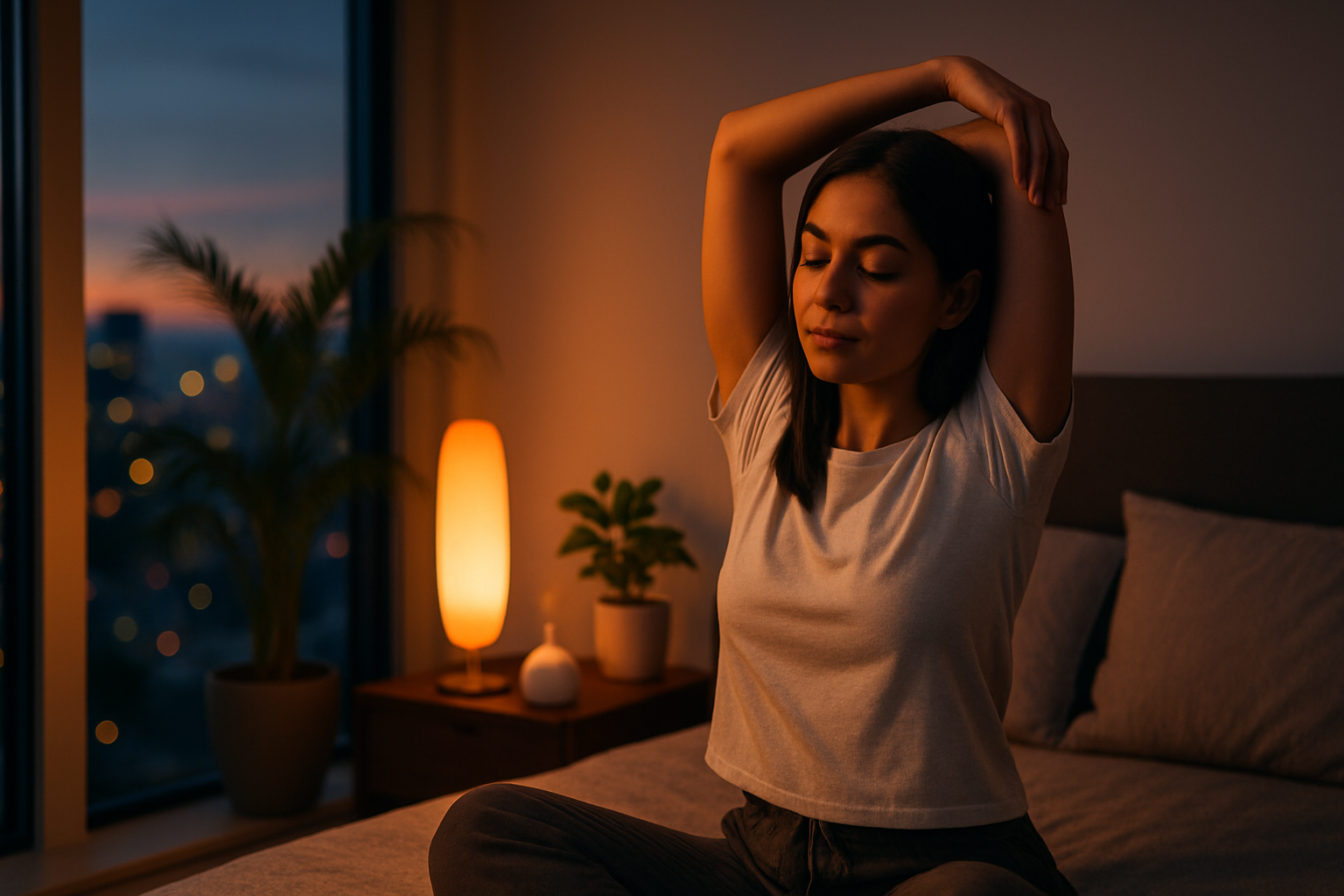
A wave of tailored evening routines is gaining traction in major cities as professionals seek refuge from constant screen time and stress. From smart ambient lighting to micro-stretch sessions and plant-based aromatherapy, the Dusk-to-Dawn Wellness trend is reshaping how urban residents wind down after sunset.
As dusk settles over the city skyline, a new form of selfcare is unfolding in apartments and co-working lounges from Manhattan to London. Instead of checking emails or scrolling through feeds, an increasing number of urban dwellers are committing to dedicated evening rituals designed to counteract chronic sleep deprivation. Known as Dusk-to-Dawn Wellness, this movement combines light management, micro-movements, soundscapes and plant-infused atmospheres to guide the mind and body toward restorative rest.
It’s a response to hard data. According to the U.S. Centers for Disease Control and Prevention, roughly one third of adults report getting fewer than seven hours of sleep per night, falling short of the recommended seven to nine. A recent survey from the Sleep Health Foundation found that 65 percent of city residents admit to feeling the effects of fragmented sleep, from midday fatigue to difficulty concentrating. Experts warn that persistent shortfalls are linked to higher risks of cardiovascular disease, metabolic issues and mental health struggles.
In the past year, sleep clinics and wellness studios have fielded more inquiries about evening wind-down programs than ever before. “People used to focus on morning routines-cold plunges, sunrise yoga, caffeine timing,” says an anonymous sleep coach in Brooklyn who launched a virtual evening ritual series in early spring. “Now they’re realizing that what you do after work can either sabotage or support the entire sleep cycle.”
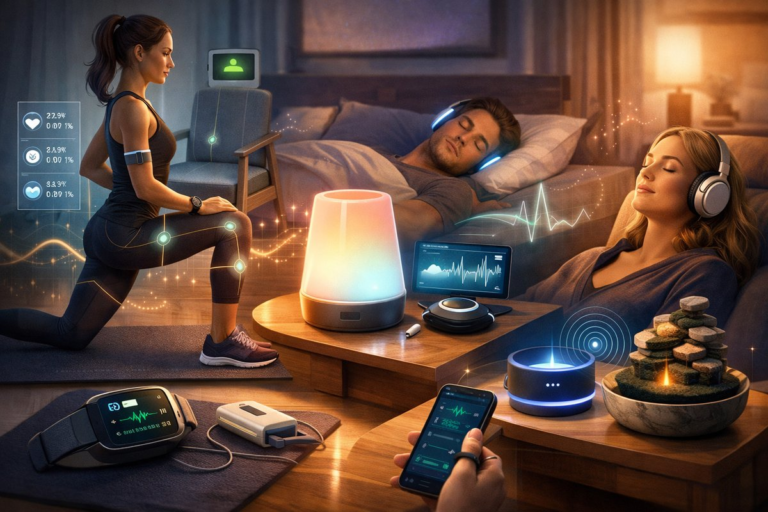
Central to the trend is light management. Circadian rhythm research from a leading university laboratory has shown that exposure to warm, low-intensity illumination in the hour before bedtime triggers melatonin production, signaling the brain that it’s time to slow down. In practice, participants swap overhead fluorescents for smart ambient lamps that cast gentle amber glows. Some even program fixtures to cycle gradually from daylight tones to sunset hues over a 30-minute span.
“I dim the lights to about 20 percent at 7:30 p.m.,” reports a London-based graphic designer. “It’s subtle, but I can feel the shift in my energy. I’m less restless when I climb into bed.” Sales of plug-in light panels with adjustable color temperature have jumped nearly 40 percent in the last six months, according to a national electronics retailer, reflecting growing demand for in-home circadian-friendly solutions.
Complementing the visual cue is an emerging class of adaptive sound machines. Traditional white noise devices have given way to customizable soundscapes-crackling campfires, coastal waves, even gentle rainfall in tropical forests. Some models sync to personal sleep-tracking apps, adjusting volume and sound profiles based on detected restlessness. Early trials have indicated a ten percent improvement in self-reported sleep quality when listeners engage with these adaptive audio programs compared to static sounds.
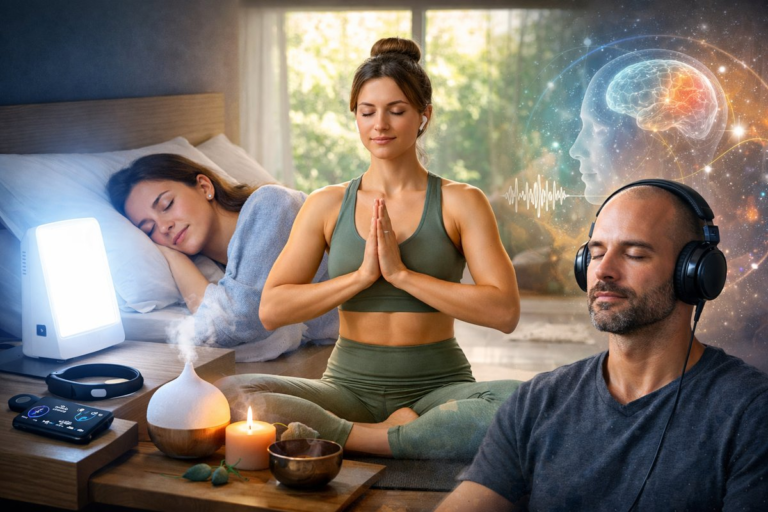
Movement, too, has been miniaturized. Rather than hour-long evening workouts, practitioners embrace five-minute micro-stretches or progressive muscle relaxation sequences. Guided by on-demand video or audio, these brief sessions focus on releasing tension in the neck, shoulders and lower back-areas that accumulate stress from prolonged desk work. A pilot study in an urban hospital setting found that participants who completed three daily five-minute stretch breaks, including one before bed, reported a 20 percent reduction in insomnia symptoms over four weeks.
In parallel, aromatherapy and plant care are weaving into the evening ritual. Compact essential oil diffusers pump low-volume eucalyptus or lavender scents throughout the living room, balancing humidity while delivering calming olfactory signals. A growing number of city apartments feature living plant walls or potted greenery-particularly snake plants and peace lilies-which research suggests can help regulate indoor air quality. The act of watering and tending to these small green systems becomes a mindful pre-sleep chore, shifting attention away from digital screens toward a nurturing practice.
Co-working spaces and wellness studios have begun carving out dedicated “Evening Nooks,” equipped with cushioned floor mats, beanbag chairs, soft lighting and curated plant clusters. These quiet zones open up after typical business hours, offering members a space to decompress before heading home. Some venues host brief led sessions-five-minute guided breathing, sound-bath samples or sleep-preparation workshops-catering to professionals who don’t have room for elaborate rituals in their own apartments.
“The goal is to build community around healthy evening habits,” explains the manager of a converted loft-style co-working hub in downtown Chicago. “We’ve seen cross-department friendships form at our 8 p.m. stretch circle. People share tips, swap diffuser blends, compare lighting apps. It’s like a mini social network centered on rest.” The space reports a 25 percent uptick in membership renewals, suggesting that these after-hours offerings boost loyalty and engagement.
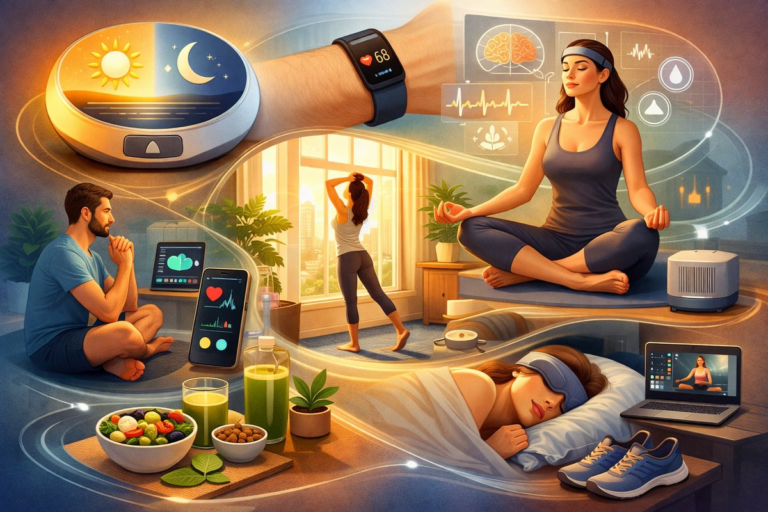
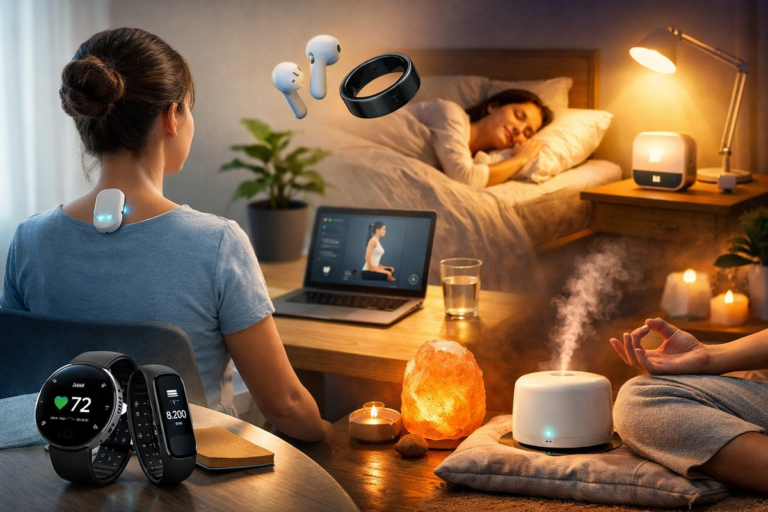
Technology platforms are racing to integrate all facets of Dusk-to-Dawn Wellness. Several smartphone apps now combine sunset alarms, screen dimmers, guided relaxation audio and plant care reminders into unified dashboards. When the phone senses a drop in daylight outside, it automatically reduces blue light emission on the display, cues a pre-selected soundscape and prompts the user to perform a five-minute stretch. While some critics question adding yet another digital layer to the evening, proponents argue that automation removes friction and ensures consistency in the ritual.
Beyond gadgets and studios, the emotional impact of these rituals is gaining attention. Wellness psychologists note that evening routines foster a sense of agency and self-compassion after long, often chaotic days. By intentionally marking the transition from work mode to rest mode, individuals reinforce healthy boundaries and cultivate a calmer mindset. “It’s a practice of permission,” says a behavioral specialist leading a corporate seminar on sleep harmony. “You’re telling your brain it’s okay to let go, to shift focus from productivity to recuperation.”
However, challenges remain. High-quality smart lighting systems and adaptive sound machines can carry hefty price tags, potentially excluding lower-income residents. The emergence of community-driven wellness libraries-where members borrow diffusers or light panels-represents one model to democratize access. Another hurdle is tech fatigue; some users feel overwhelmed by the sheer number of apps vying for their evening attention. Simplified, all-in-one solutions may address that concern, but they also risk creating new dependencies.
Looking ahead, experts predict further convergence of design, science and nature in the sleep-wellness sphere. Concepts like mobile micro-forest installations-clusters of living trees in walkable urban pockets-promise on-the-go mini experiences of the calm often reserved for rural retreats. Meanwhile, researchers are exploring biofeedback wearables that detect subtle physiological shifts, then trigger environmental adjustments-dimming lights or shifting soundscapes-without any manual input.
For now, the Dusk-to-Dawn Wellness trend offers a practical blueprint for reclaiming evenings in high-density environments. Whether it’s programming a lamp to mimic sunset, pressing play on a custom rainstorm track or rolling out a yoga mat for a handful of gentle stretches, urbanites are finding new rituals to anchor their nights. In doing so, they’re redefining selfcare not as another to-do list but as a sequence of mindful transitions, guiding the body from the bustle of daylight to the sanctuary of sleep.
As one New York architect reflects, “I used to burn the midnight oil. Now my ritual begins at 8 p.m.-it’s ritualized, intentional. It’s my way of telling the city I’m signing off, and that rest matters just as much as ambition.”