Location
Mount Vernon, WA 98274
Location
Mount Vernon, WA 98274

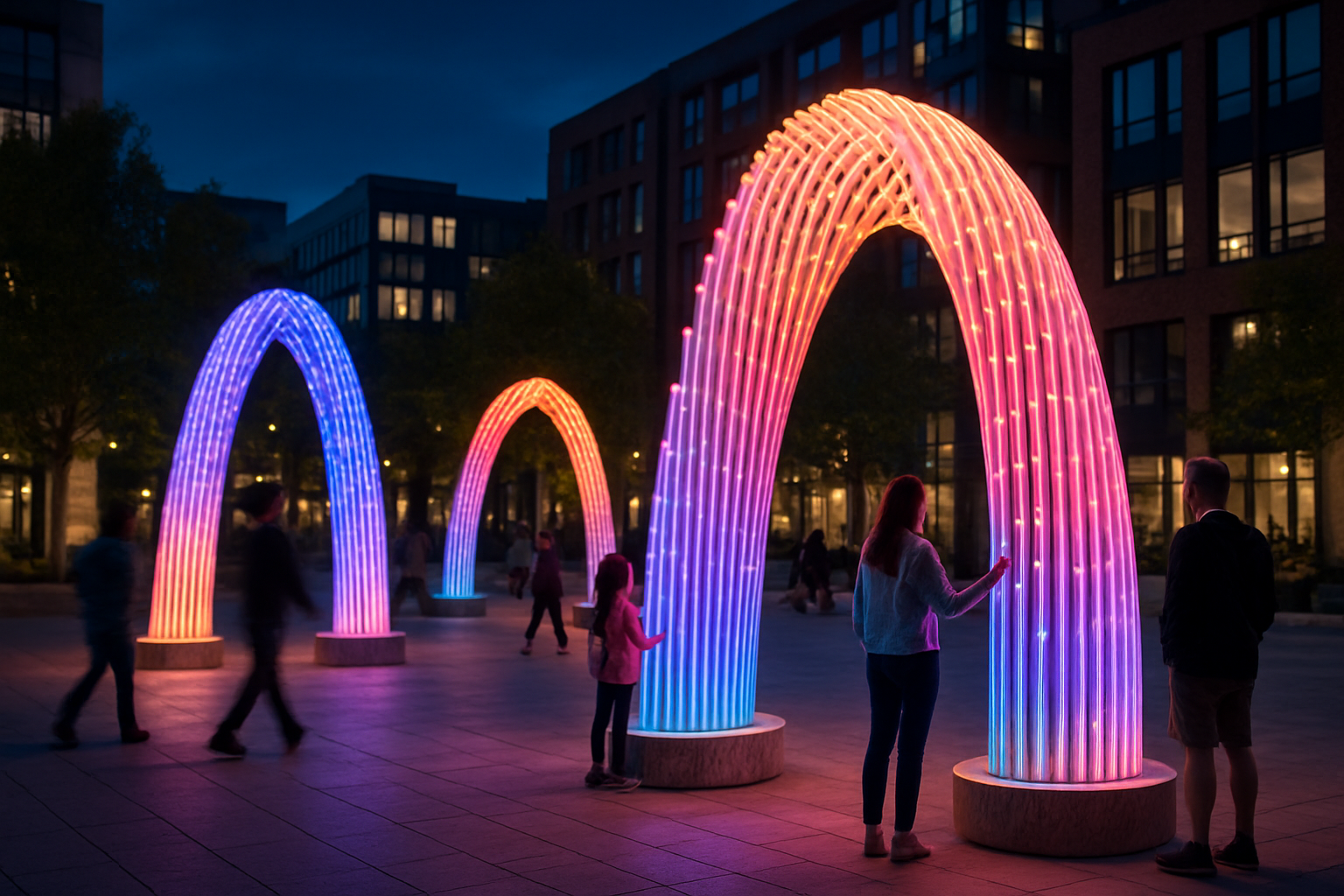
A wave of sensor-driven light sculptures is transforming city plazas into immersive playgrounds, blending environmental data, sustainable materials, and community participation. These installations invite passersby to become co-creators in an evolving narrative of art, design, and social connection.
In the heart of bustling metropolis districts, once-static plazas and underpasses are waking up to a new kind of public art: interactive light sculptures that respond to environmental changes, human motion, and collective imagination. Far from mere decorative fixtures, these installations function as living ecosystems, using data feeds, biodegradable materials, and community workshops to break down the barrier between creator and audience.
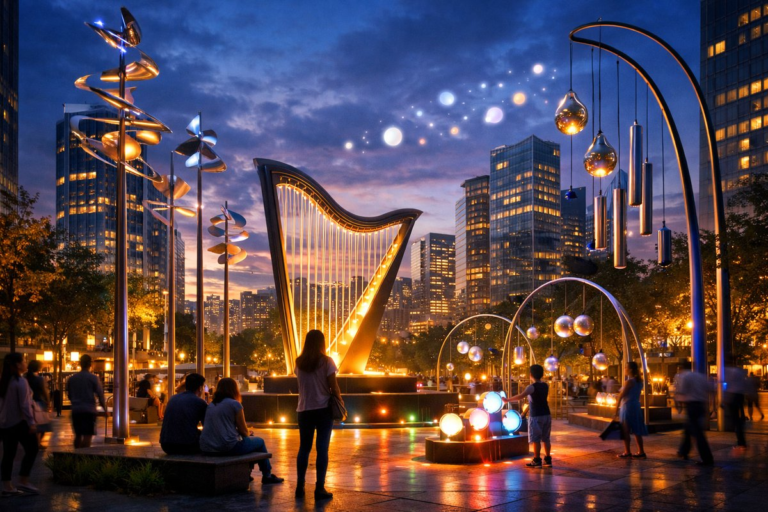
At the center of this movement is a series of kinetic towers recently unveiled in a major city park. Each tower, rising about three meters high, is wrapped in bands of custom-mixed bioresin that glows softly when illuminated from within. Motion sensors and air-quality monitors embedded at the base drive an array of color-shifting LED nodes, turning invisible traces of urban life-traffic noise, carbon levels, foot traffic-into a dynamic light show that evolves by the hour.
Behind these designs is a collective of architects, environmental engineers, and digital artists who believe public art should serve as a bridge between data and emotion. “We wanted to give form to the data streams we all generate daily,” explains one designer. “When people see patterns of congestion or pollution transformed into rippling waves of blue or pulses of crimson, it invites reflection on our shared impact-and our shared responsibility.”
The materials chosen for these towers reinforce that ethos. Each bioresin panel blends reclaimed wood fibers, non-toxic pigments, and milk protein binder-ingredients that break down harmlessly under sunlight and rainfall over several seasons. Solar cells discreetly integrated into the tower’s crown power the LEDs by day, while rechargeable batteries store surplus energy to fuel nighttime displays. Maintenance crews cycle out worn panels for composting and replace them with fresh casts made during public “resin workshops,” turning upkeep into a hands-on learning opportunity.
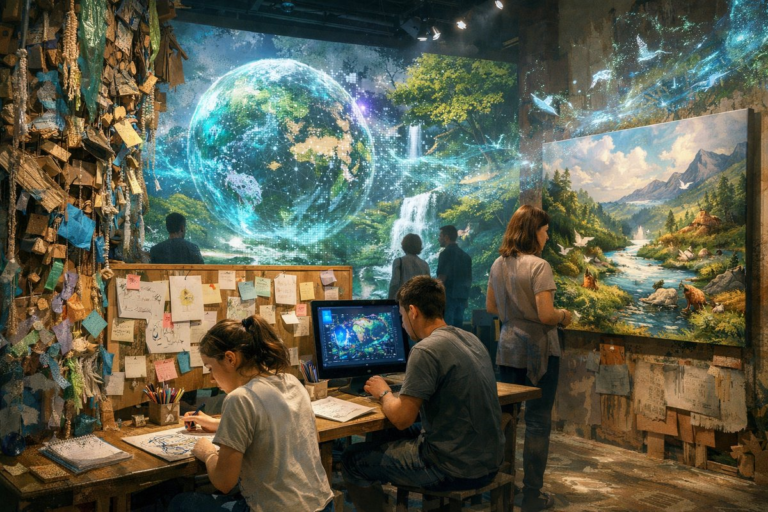
Residents were invited to those workshops through local libraries and community centers. Parents, retirees, and curious teens alike took turns stirring vats of recycled pulp and casting translucent molds shaped like leaves, waves, and urban silhouettes. Workshop leaders encouraged participants to experiment with natural dye extracts-from bark, beetroot, and turmeric-to craft their own color palettes. The resulting custom panels now form a patchwork façade on the towers, reflecting the community’s creative fingerprints.
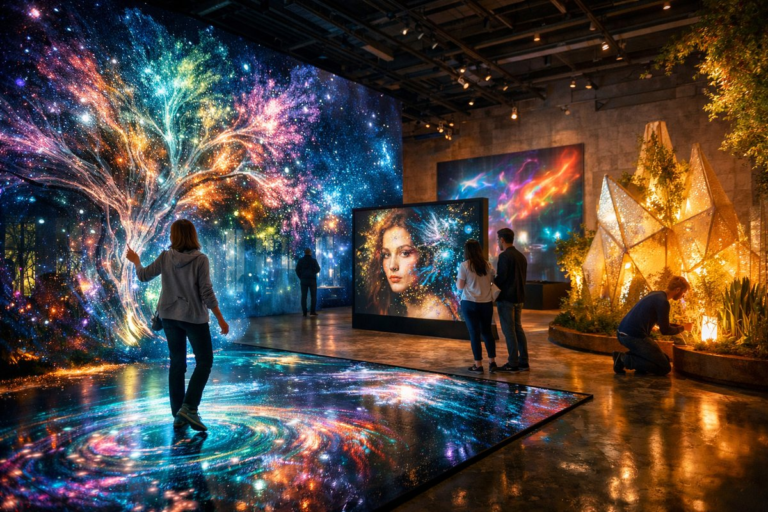
Interaction goes beyond the material, too. A companion mobile app displays live sensor data, lets users submit mood-based color palettes, and offers an augmented-reality mode that overlays historical photos of the site onto the towers. On weekdays, joggers see gentle green pulses syncing with the nearby river’s real-time water levels. During evening pedestrian hours, the towers respond to footsteps and bicycle traffic, cascading from amber to violet in gentle ripples. Weekends bring crowd-sourced “light jams,” where groups can broadcast short visual sequences through the app, choreographing impromptu performances.
This blending of digital participation and physical craft has drawn praise from urban planners seeking more human-centered public spaces. Studies show that areas with interactive installations report upticks in foot traffic, longer visitor dwell times, and lower graffiti incidents. One urban sociologist notes that these sculptures become unifying landmarks, breaking down social silos as families, street vendors, and office workers converge to observe, influence, or simply rest in their glow.
Yet the project isn’t without its challenges. Balancing technical complexity with durability required close collaboration between software developers and material scientists. Early prototypes suffered data lags and moisture damage in rainy months. Iterations involved waterproofing sensor housings, improving the bioresin’s UV resistance, and rewriting code for real-time smoothing of erratic air-quality readings. The iterative process took nearly two years from concept to final installation-a timeframe that underscores the resource-intensive nature of such hybrid ventures.
Funding emerged through a blend of municipal arts grants, private donations, and a modest crowdfunding campaign with rewards like guided studio tours and limited-edition resin tiles. Organizers emphasize the importance of diverse revenue streams for ambitious public art. Relying solely on one funding source can lead to compromises-either cutting sustainability measures or limiting community engagement. A multi-pronged approach allowed the team to maintain its values: durability, transparency of data use, and inclusivity in design.
Feedback from local residents has been overwhelmingly positive. Commuters report feeling more attuned to air quality and traffic patterns, often altering their routes or schedules to avoid pollution spikes. Children experimenting with the app describe the towers as “mood swings you can see,” while elderly visitors appreciate the gentle luminescence that softens concrete surroundings after dusk. Several small businesses near the plaza credit the installation with boosting evening sales; cafés and benches now fill up with people drawn by the shifting lightscape.
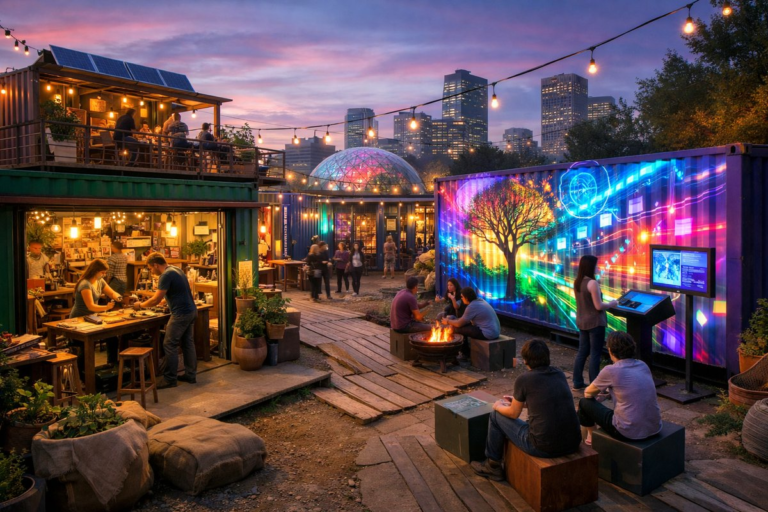
The ripple effect extends beyond one city. Similar projects are taking root in coastal towns, mountain resorts, and even subway stations. A recent collaboration in a reclaimed industrial yard repurposed shipping containers clad in interactive panels, while a seaside boardwalk pilot used wave-height sensors to modulate cool blues and greens in a labyrinth of light.
Designers emphasize that technology alone doesn’t guarantee engagement. The success criteria rest on thoughtful site selection, user-friendly interfaces, and hands-on workshops that demystify technical processes. By making sustainable materials and coding practices accessible, artists cultivate a sense of ownership among participants-ensuring the art remains vibrant and relevant long after the initial unveiling.
Looking ahead, the team plans to integrate acoustic data-urban soundscapes of birdsong, traffic hum, and human chatter-into future sculptures. They are exploring mycelium-based panels that could host living moss or fungi, further blurring the lines between digital art, biology, and community stewardship. Prototypes for a “living canvas” that filters pollutants through microbial colonies are already underway.
Ultimately, these interactive light sculptures represent more than novel aesthetics; they signal a shift toward public art as a living dialogue. By weaving together data, sustainability, and co-creation, designers are turning cityscapes into responsive companions-inviting everyone to witness, question, and shape the unfolding tapestry of urban life.
As dusk settles over the plaza, the towers pulse softly in response to each passing visitor and breath of wind. Their ever-changing glow is a reminder that art can evolve, data can inspire empathy, and communities can illuminate the path toward a more connected, conscious future.