Location
Mount Vernon, WA 98274
Location
Mount Vernon, WA 98274

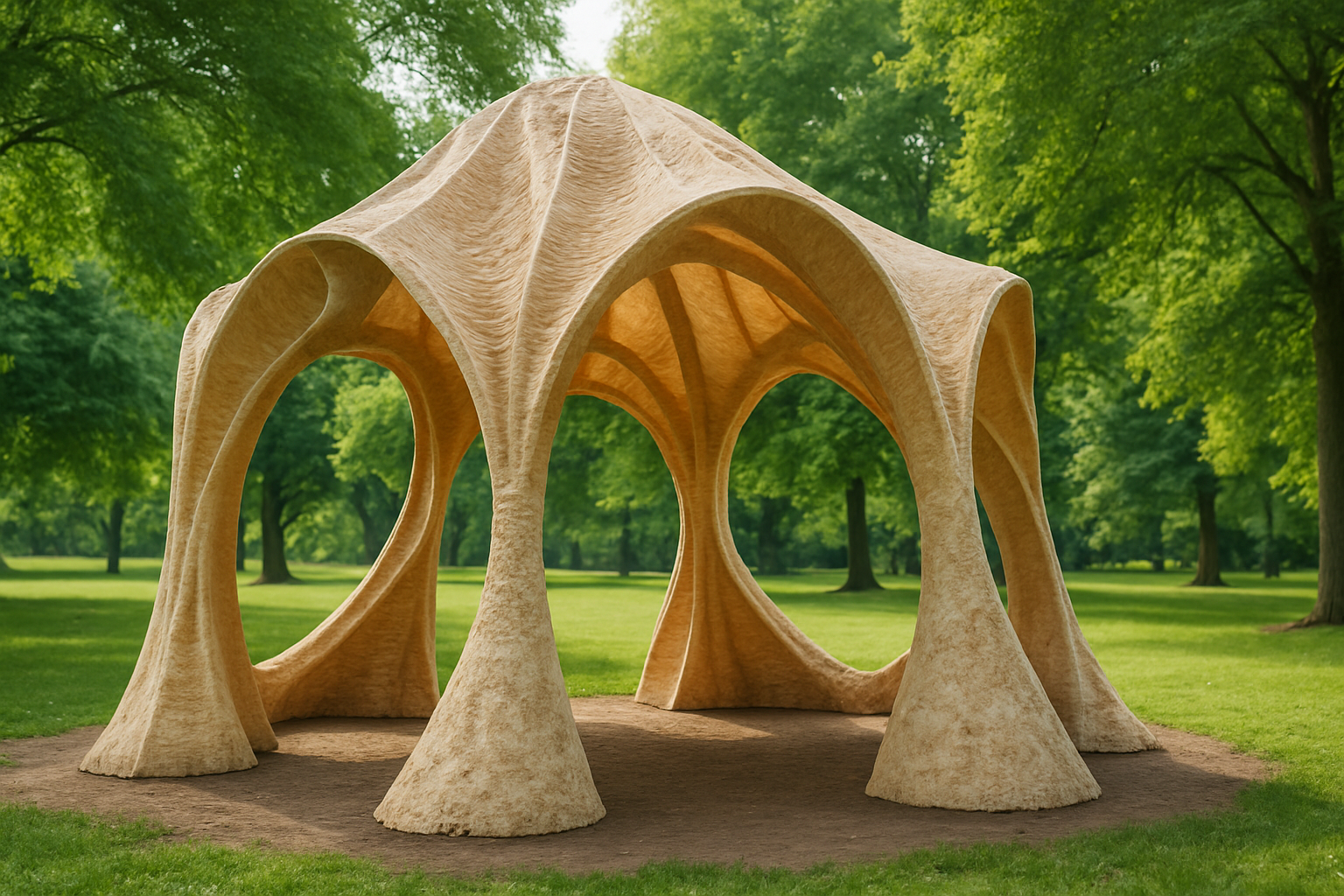
A new generation of temporary structures is emerging in parks, plazas, and festival grounds around the world. By combining large-scale 3D printing with plant-based polymers and mycelium composites, designers are crafting fully biodegradable pavilions that dissolve back into nature-challenging assumptions about permanence and waste in architecture.
Urban environments are increasingly serving as experimental canvases for architects and designers driven by sustainability. Among the most striking developments is the emergence of biodegradable pavilions produced through large-scale 3D printing processes. These eco-conscious structures, assembled layer by layer from plant-based polymers, mycelium composites, or chitosan-derived bioplastics, dissolve back into the environment at the end of their lifecycle. They offer a compelling blueprint for temporary public installations, disaster relief shelters, and community hubs without the waste footprint of traditional architecture.
At the heart of this movement lies a handful of material science breakthroughs. Traditional 3D printing filaments, often petroleum-derived, have been supplanted by biodegradable alternatives such as polylactic acid (PLA) sourced from corn starch, cellulose-enhanced filaments with agricultural waste, and fungal mycelium resins. Researchers at several universities and private labs have optimized these bio-polymers for structural integrity and UV resistance, ensuring that printed walls can withstand summer sun and winter chill for months before they begin to degrade.
One of the earliest high-profile prototypes debuted at a European design festival two seasons ago: a dome printed entirely with a blended filament of PLA and wood pulp. By calibrating extrusion temperature and nozzle geometry, the team achieved surface finishes smooth enough to repel light rain while maintaining the capacity to break down under composting conditions. Local volunteers helped assemble the final modules in less than a day, demonstrating that large-scale 3D printing need not be confined to industrial plants.
Meanwhile, advances in mycelium technology have opened another path toward biodegradable architecture. Mycelium, the root network of fungi, can be grown into custom molds, then treated and coated to yield panels with insulating and fire-resistant properties. In a collaborative pilot project in a North American city, designers printed a scaffold from biodegradable plastic and then inoculated it with fungal spores. Within two weeks, the mycelium network had enveloped the frame. Once harvested and dehydrated, the final pavilion stood as a living tribute to circular design: after the exhibition closed, the entire structure was returned to the soil, enriching urban green spaces.
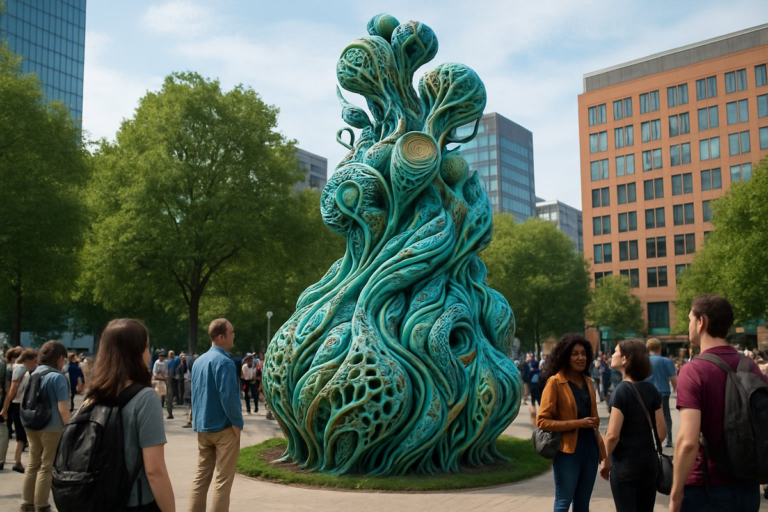
Parametric modeling software has played a pivotal role in translating these materials into buildable forms. Designers input constraints such as maximum printing volume, load-bearing capacity, and local climate data. The algorithms generate lattice skins and infill patterns that balance lightness with strength, enabling longer spans and curved surfaces without excessive material use. This approach has freed architects from rectangular boxes and standardized panels, allowing pavilions to take organic, biomimetic shapes inspired by seed pods, marine invertebrates, or branching trees.
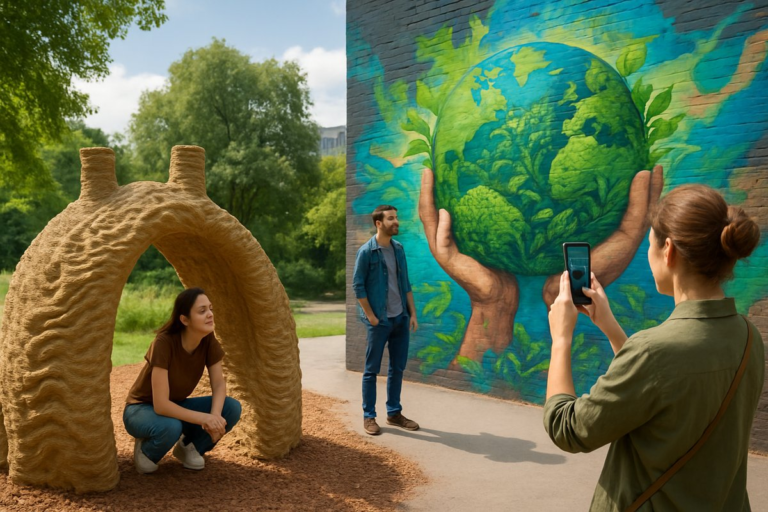
Beyond the laboratory and festival grounds, city planners and cultural institutions have begun to recognize the promise of biodegradable pavilions. A park in a Pacific Northwest municipality commissioned a series of modular pods printed from a cellulose and chitosan composite. These pods served as pop-up classrooms for local schools, hosting art workshops and environmental education programs. After the summer season, the modules were dismantled and placed in a city-run compost facility, where they degraded within months, leaving behind nutrient-rich soil.
Community engagement is a cornerstone of this movement. Many design teams host workshops that invite residents to operate large-format 3D printers, experiment with filament blends, or assemble printed sections. This hands-on approach demystifies both advanced fabrication and material science, forging connections between makers, scientists, and neighbors. Participants report a heightened sense of ownership over public space-and a newfound curiosity about the life cycle of everyday objects.
Yet obstacles remain before biodegradable pavilions can become commonplace. Building codes in most jurisdictions still assume permanence, specifying anchors, fire ratings, and wind-load tolerances for steel or concrete. Bio-printed structures may require new standards or fast-track approvals to account for their unique decay timelines. Material certifications, insurance policies, and liability frameworks must adapt to accommodate a pavilion that vanishes after a few seasons.
Cost is another consideration. While raw materials such as PLA and wood-pulp filaments have fallen in price, high-precision extruders large enough for full-scale architectural elements still run into tens of thousands of dollars. Rental models and shared fabrication hubs are emerging to spread that investment across multiple projects, but widespread adoption will likely depend on further equipment innovation or local fabrication cooperatives.
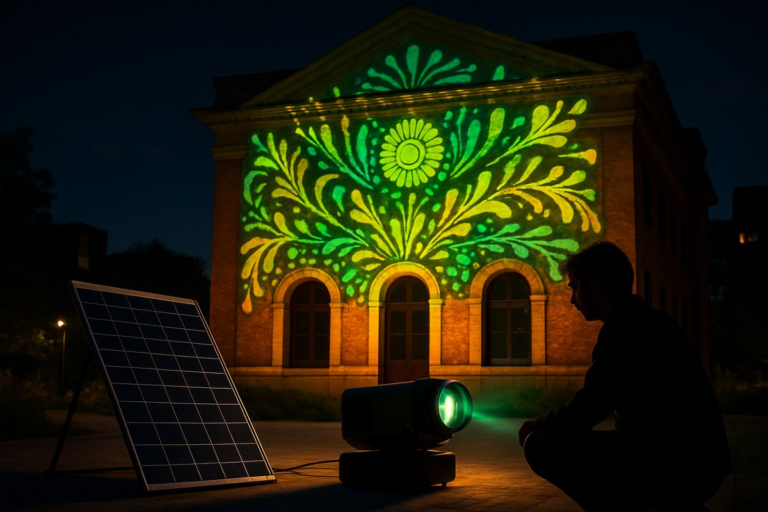
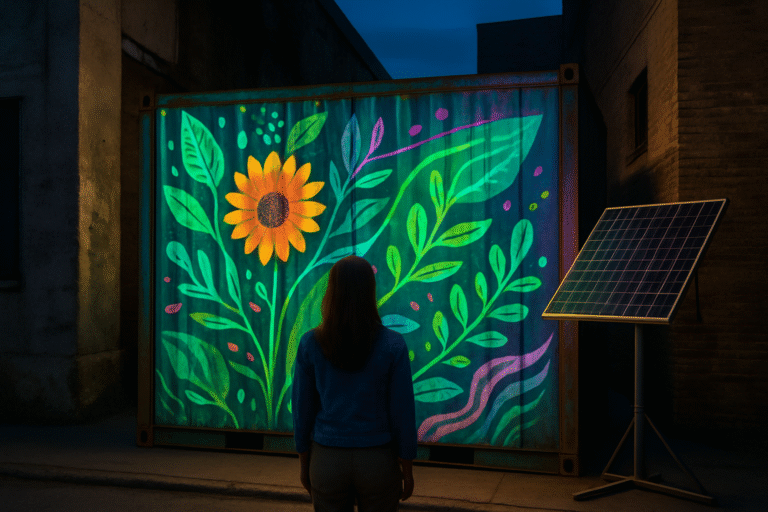
Environmental impact extends beyond biodegradability. Designers are now integrating photovoltaic films and thin-film solar cells into the shell of printed pavilions, powering lighting systems and climate-sensors. Others embed moisture and temperature sensors during printing, enabling data collection for research on urban heat islands or soil health. In this way, the pavilion becomes both a demonstration of circular design and a living research platform.
In some cases, biodegradable pavilions are paired with on-site cultivation systems. One concept combines a printed scaffold with hydroponic planter modules, supporting vines and edible plants that grow over the pavilion’s surface. As the plants flourish, they provide shade, clean the air, and become part of a living installation. At season’s end, the structure is returned to compost, and the planter sections continue as standalone vertical gardens.
International design awards and urban innovation grants are beginning to follow. An architecture biennale recently shortlisted several bio-printed pavilions in its exhibition circle, recognizing how these ephemeral shelters foster dialogue on impermanence and resource cycles. Urban regeneration initiatives are exploring pilot deployments in flood-prone areas, where quick-assembly, biodegradable shelters could serve displaced communities following extreme weather events-then vanish harmlessly when no longer needed.
Looking ahead, the next frontier may be hybrid assemblies combining bio-filaments with recycled plastics recovered through local collection programs. Imagine a 3D printer that can switch between biopolymers and shredded urban plastic waste, dynamically balancing performance, cost, and sustainability. Coupled with solar-powered mobile fabrication hubs, such systems could empower neighborhoods to print park benches, shade canopies, or emergency shelters on demand.
The story of biodegradable pavilions is still unfolding, but its contours are clear: by embracing material cycles, modular fabrication, and community participation, we can transform urban spaces without leaving behind permanent footprints. These structures challenge architects and planners to think beyond concrete and steel, exploring what it means to build with the lifecycle of nature in mind. As cities seek low-impact solutions to public engagement, disaster relief, and cultural programming, eco-printed pavilions point toward a future of architecture that blooms, serves its purpose, and then gently returns to the earth.
A Blooms-and-Fades Horizon