Location
Mount Vernon, WA 98274
Location
Mount Vernon, WA 98274

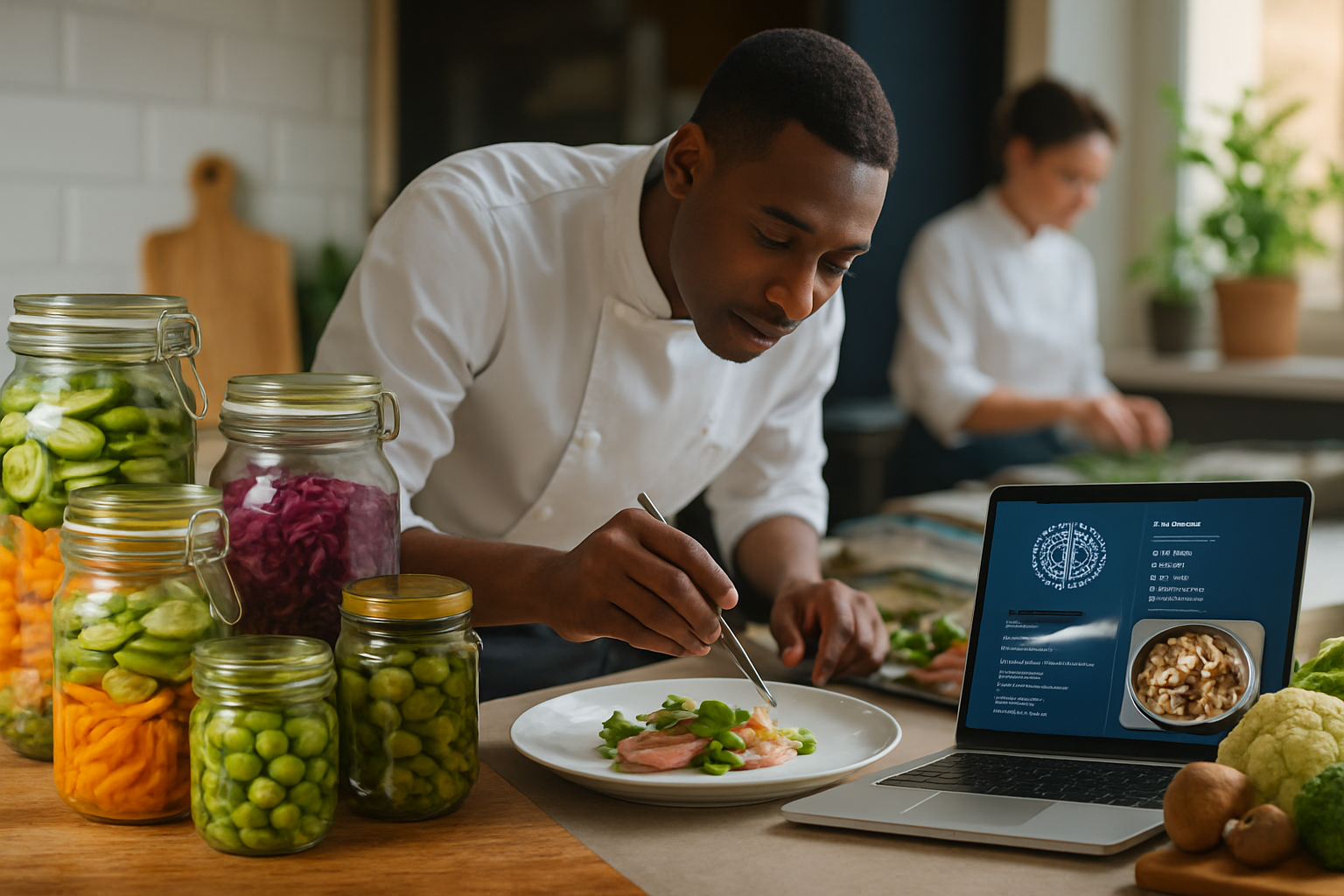
From home kitchens to high-end dining halls, a trio of emerging movements is redrawing the map of taste and technique. At the crossroads of biology, design and community, fermentation revival, sea-to-table sourcing and AI-assisted recipes are building a culinary frontier infused with sustainability and creativity.
Across cityscapes and coastal hamlets, culinary pioneers are ushering in a renaissance of flavor that defies the familiar. Three interlocking trends-fermentation revival, ocean foraging and AI-guided kitchens-are not only reshaping plates but also forging new bonds between people, place and palate. From repurposed barrels tucked into urban labs to microbreweries experimenting with seaweed strains, this movement embraces the ancient and the futuristic in equal measure. Far from a passing fad, these innovations are backed by data from international bodies and grassroots networks, promising more resilient food systems and a fresh lexicon of taste sensations.
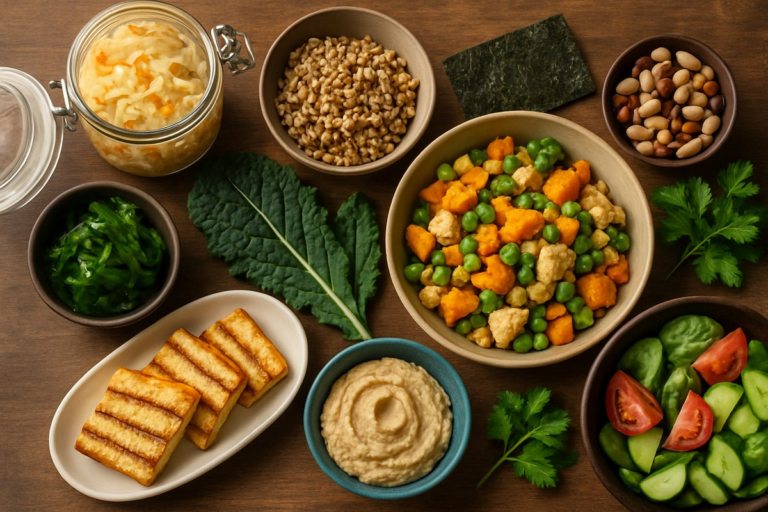
Fermentation, that age-old alchemy of microbes and time, has exploded back onto restaurant menus and home counters alike. A recent gathering at a fermentation festival in northern Europe drew more than two thousand enthusiasts, showcasing barrel-aged kimchi, kombucha brewed from exotic tea blends and koji-inoculated nut butters. According to the Food and Agriculture Organization, global interest in fermented foods has grown by roughly 20 percent over the past three years, fueled by both nutrition studies and a renewed appetite for handcrafted processes. Start-ups are developing low-energy rotating drum fermenters and sensor suites that monitor pH shifts in real time, giving craft producers data-driven control over what was once a purely tactile art.
In boutique kitchens, chefs layer barrel-fermented purées alongside fresh pickles, yielding dishes that dance between sour brightness and umami depth. Home cooks are turning to compact fermentation kits that include air-tight crocks, reusable weights and digital thermometers, demystifying the technique. Educational platforms have sprouted online modules on microbe management, illustrating how lactobacilli interact with wild yeasts to create everything from tangy cheese analogues to vegetable ferments rich in B-vitamins. These resources emphasize safety standards and sustainable packaging, ensuring that flavor innovation doesn’t come at the cost of waste or risk.
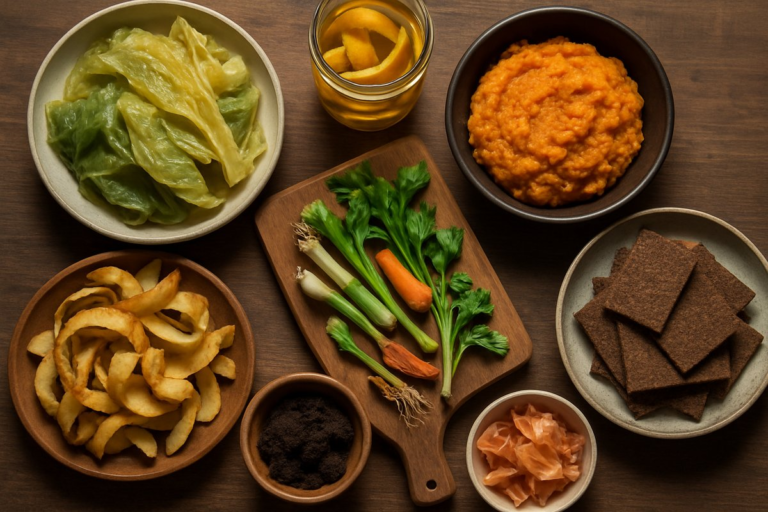
Far from the traditional farm-to-table narrative, ocean foraging and sea-to-table sourcing are surfacing as a complementary countercurrent. The United Nations’ latest fisheries report notes a 35 percent surge in edible seaweed cultivation since 2020, driven by its low land-use footprint and high protein yield. In coastal communities from northern Europe to Southeast Asia, foragers harvest native kelp and red algae during low tides, supplying local markets with fresh sea greens and handmade noodles. Experimental distillers have begun fermenting kelp extracts into bracing spirits, while pastry chefs whip seaweed gel into transparent sheets that become edible wraps for fruit ribbons.
In urban high-end restaurants, plates arrive crowned with crispy nori shards, sea lettuce caviar and micro-doses of spirulina powders. Nutritionists point to seaweed’s unique polysaccharides and mineral profile as a boon for gut health and sustainable farming. Community-supported foraging walks combine tide-pool safety classes with flavor tastings, connecting diners directly with the rhythms of the shore. At annual events, chefs lead citizen scientists in documenting regional algal biodiversity, reinforcing the ties between conservation and cuisine.
Meanwhile, vertical farming and microgreen cultivation are sprouting in repurposed warehouses and balcony nooks. Advanced LED arrays tuned to specific light spectra coax rapid, nutrient-dense greens such as sunflower shoots, pea tendrils and purple radish microgreens to flourish in just two weeks. Local co-ops now offer subscription boxes that deliver freshly harvested trays of these tiny leaves to customers’ doorsteps, cutting transportation emissions and preserving fragile flavors. Agritech firms boast modular rack systems that fit into a studio apartment, complete with automated misting cycles and smartphone controls for tracking humidity and growth stages.
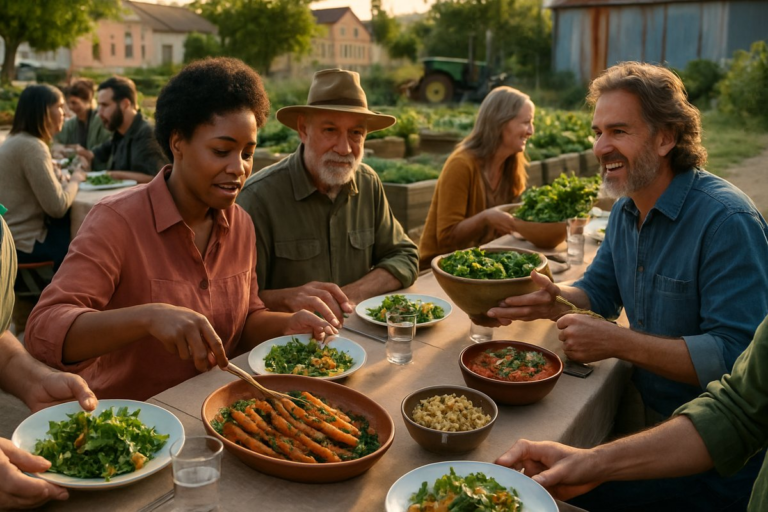
For home cooks, microgreens are a gateway into hyper-fresh cooking. Their intense flavors-peppery, citrusy or buttery-make them perfect garnish accents or salad bases. Influencers on streaming platforms livestream crop cycles, narrating each stage from seed selection to harvest. Open-source designs for DIY grow racks circulate on hack sites, encouraging enthusiasts to tinker with greenhouses built from recycled acrylic and simple irrigation pumps. These communal projects reinforce the idea that the future of food doesn’t just lie in the fields-it can thrive in living rooms, rooftops and alleyways.
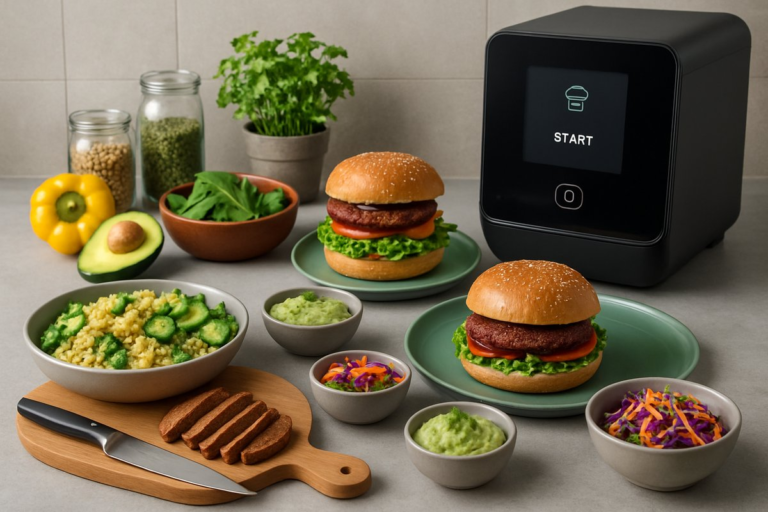
At the intersection of sensory science and digital convenience, AI-assisted kitchens are emerging as the third pillar of innovation. A recent prototype platform unveiled by a major tech hub uses computer vision to scan pantry contents and suggest tailored recipes based on dietary goals, regional flavor profiles and even the ambient weather. Machine-learning algorithms crunch nutrition databases and regional cooking traditions, producing meal plans that evolve as users rate outcomes. In professional settings, chefs are using neural nets to analyze flavor compounds down to the molecular level, generating unexpected pairings like roasted pomegranate seeds and fermented soybean paste.
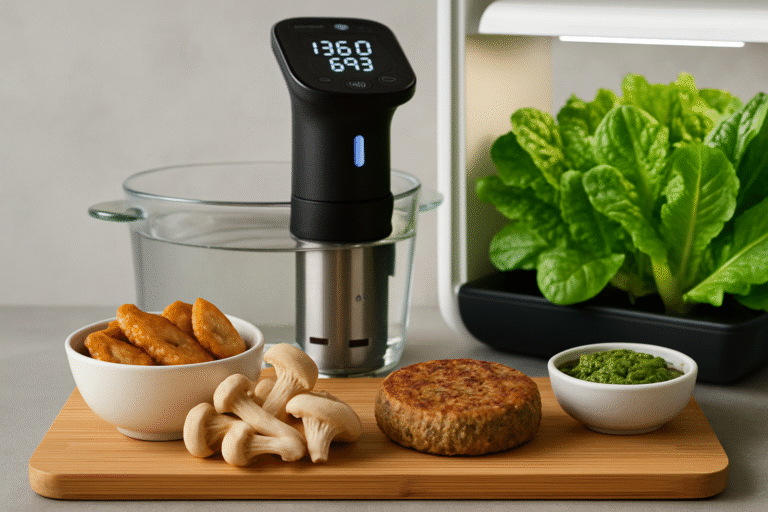
These AI systems are also adept at waste reduction. By tracking ingredient expiration patterns and recommending flexible recipes-transforming wilting spinach into sautéed tarts or bruised apples into spiced shrines-kitchens slash food loss by up to 30 percent, according to recent pilot studies. Voice-activated kitchen assistants guide novices through step-by-step fermentation techniques or adaptive sous-vide protocols, adjusting times and temperatures based on real-time feedback from attached sensors. The result is a collaborative choreography between human creativity and artificial intelligence, one that can democratize gourmet skills for anyone with a smartphone.
When these three currents converge, the possibilities multiply. Chefs ferment microgreens with seaweed brine, then deploy AI suggestions for plating and flavor harmonies. Community kitchens host workshops where participants scan seaweed specimens with handheld spectrometers, uploading data to shared repositories that refine AI recipe engines. Vertical farmers apply waste from fermentation labs as nutrient-rich compost, closing loops and exemplifying circular food economies. This networked ecosystem weaves together tradition, technology and sustainability in unprecedented ways.
Yet challenges remain. Scaling artisanal methods sustainably requires careful design to avoid water overuse and microbial imbalance. Regulatory frameworks for novel food products-especially those that blur the line between agriculture and biotech-are still evolving in many regions. Access to affordable equipment and reliable data streams can be uneven, potentially deepening the divide between well-funded urban innovators and rural or low-income communities. Collaborative initiatives and open-source toolkits aim to bridge these gaps, but continued dialogue among chefs, scientists, policymakers and citizens is crucial.
Still, the momentum is undeniable. Across continents, home bakers are embracing microbial artistry, surfers are harvesting seaweed for dinner parties and technologists are teaching kitchens to think logically about taste. The next wave of culinary innovation is not a single invention but a symphony of practices, each amplifying the others and inviting us all to rediscover food with fresh eyes. In this uncharted territory, every fermenter, forager and code-writer becomes a pioneer of flavor. As kitchens everywhere begin to hum with new possibility, one thing is clear: the future of what we eat is being imagined in labs, tide pools and backyards, and it promises to taste more vibrant than ever before.