Location
Mount Vernon, WA 98274
Location
Mount Vernon, WA 98274


As office culture evolves, employees in bustling cities are carving out sanctuaries amid the midday grind. From pop-up green spaces to silent meditation pods, these new lunch-hour rituals boost both morale and productivity.
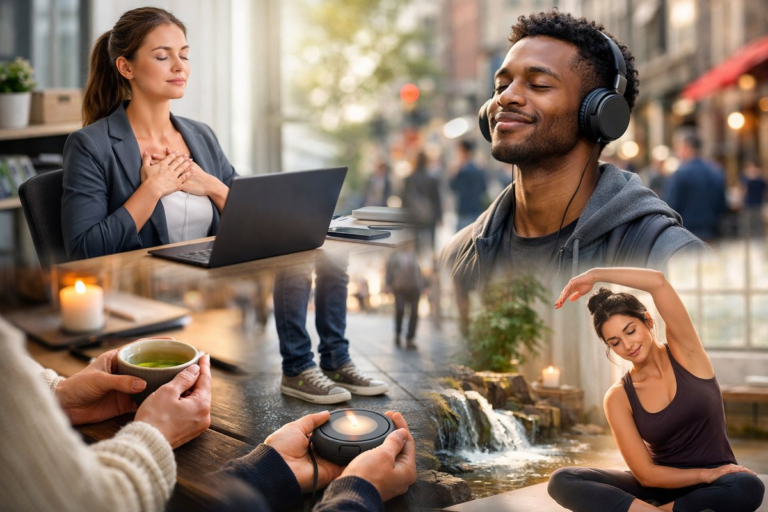
In the heart of the city, the lunch hour used to be a frantic dash to a crowded sandwich shop or a quick scroll through social media at the desk. Today, many urban professionals are pausing the rush and transforming that precious sixty minutes into a dedicated wellness ritual. Whether it’s stepping into a micro-garden, practicing guided breathing exercises or simply soaking up natural light, these midday retreats are reshaping how we think about the workday.
At a recent pop-up event in a downtown plaza, rows of folding chairs gave way to mats under a canopy of potted ferns. A certified instructor led a gentle stretch sequence timed to a soft chime that marked every ten minutes. Participants reported feeling more energized and clear-headed than they had in weeks. This scene, once confined to boutique wellness studios, is now popping up between skyscrapers and coffee carts, illustrating a growing appetite for holistic mid-shift respites.
Companies across industries are taking notice. A report published in the International Journal of Environmental Research and Public Health found that workers who take structured breaks for movement or mindfulness report 20 percent higher focus and a 15 percent drop in end-of-day fatigue. Forward-thinking employers are responding by converting underused conference rooms into “wellness nooks” and setting aside budgets for lunchtime yoga instructors or meditation apps accessible on corporate devices.
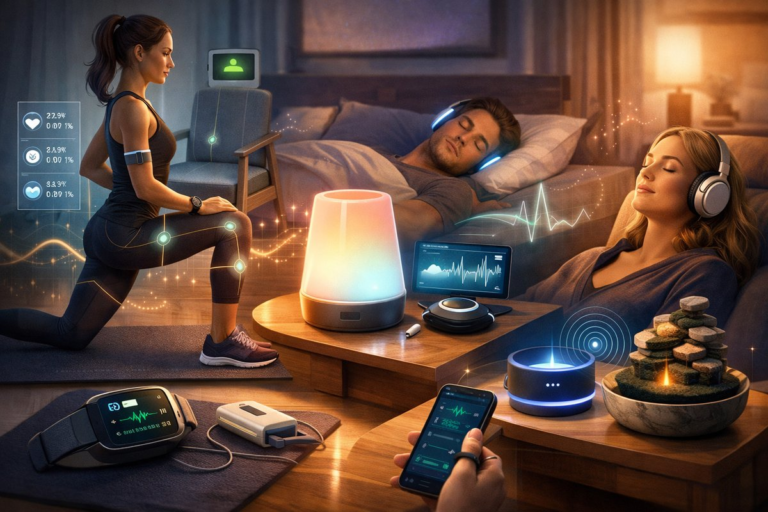
In one major financial district, a partnership between city planners and a nonprofit community group resulted in a series of mobile green pods. Mounted on repurposed shipping containers, these pint-size sanctuaries house living walls, natural light panels and rainfall-simulating soundscapes. Users can book twenty-minute sessions through an online portal, emerging refreshed and ready for afternoon meetings. Local health advocates highlight this as a blueprint for cities everywhere, turning forgotten alleyways into pockets of calm.
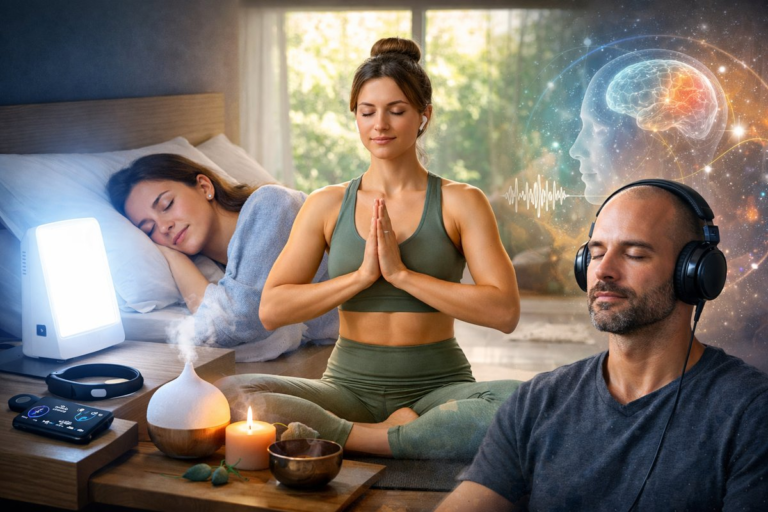
Scientific research underpins this movement. A study from a leading business school documented that brief periods of seated meditation-just five to seven minutes long-can lower levels of the stress hormone cortisol by up to 25 percent. Meanwhile, another trial showed that light physical activity, such as brisk walking or desk stretches, stimulates blood flow to the brain, sharpening decision-making and creative problem-solving abilities.
For many workers, midday fatigue is more than an inconvenience-it’s a barrier to well-being. Short naps have been studied extensively, with a meta-analysis in the Journal of Sleep Research revealing that power naps of ten to twenty minutes improve alertness without causing grogginess. Several tech firms now offer quiet nap stations furnished with reclining chairs and low-light settings, enabling staff to reset mental energy and tackle the rest of the day with renewed vigor.
Office yoga is no longer a fringe perk. From guided chair yoga sequences streamed live during a lunch break to on-site instructors rolling out mats in a corner of the cafeteria, professionals are integrating mindful movement into their schedules. These sessions often focus on counteracting the posture strain of keyboard work-twists to decompress the spine, shoulder openers to relieve tension and breathing drills to anchor attention.
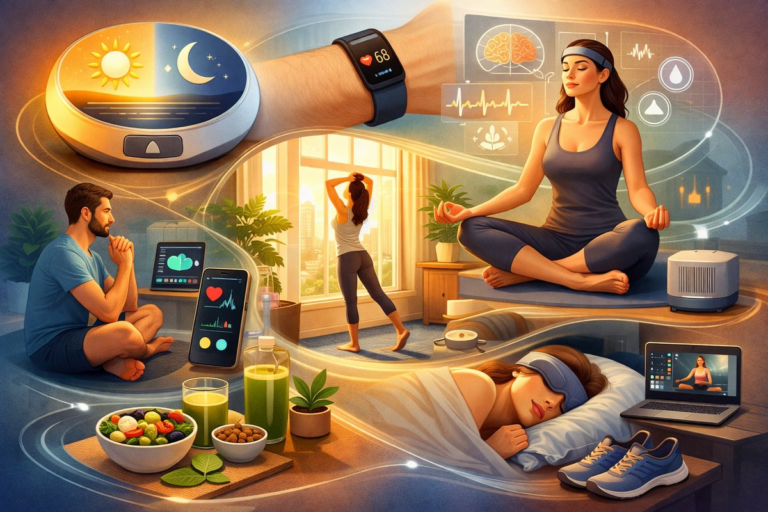
Another trend gaining traction is the “digital sunset,” where employees switch off email notifications and social media for a set period. By creating tech-free zones or blackout hours, organizations encourage staff to step away from screens and tune into bodily cues-hunger, hydration needs or stress levels-instead of alerts. The result: fewer midday distractions and a deeper sense of presence when they return to the workload.
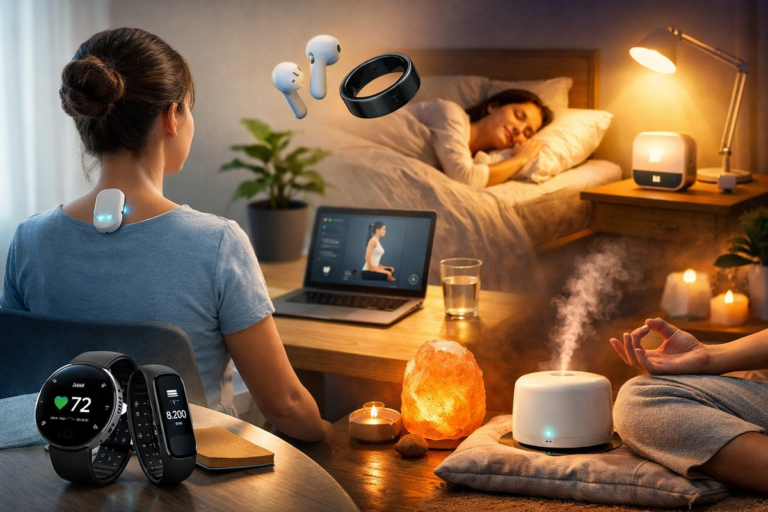
Modern office design is also adapting to support these breaks. Sound-proof pods, adjustable lighting that mimics natural daylight and ergonomic furniture contribute to a wellness-forward environment. Companies report that the upfront cost of retrofitting spaces often pays for itself through reduced sick days and higher employee retention.
According to a recent survey, more than 70 percent of workers say they would stay longer at a job that actively promotes midday well-being initiatives. HR departments are taking note, embedding wellness metrics into performance reviews and training managers to respect break schedules. This shift signals a broader cultural acceptance of self-care as a core component of professional life.
Despite the clear benefits, challenges remain. Some employees feel guilty for stepping away from their desks, fearing they’ll fall behind or appear less dedicated. Executives and team leaders play a crucial role in modeling healthy habits-taking their own breaks and celebrating small victories like completing a breathing session or attending a lunchtime walk.
For those who lack access to organized programs, DIY strategies can make a big difference. Simple desk stretches, mindful snacking on nutrient-dense foods and setting a timer for short pauses can help individuals reclaim their midday. Even placing a small potted plant on the desk or opening a window for fresh air can provide a quick mental reset.
A growing number of community centers and parks now offer free or low-cost midday fitness classes. From body-weight workouts in the park to guided forest bathing sessions on urban trails, these communal experiences foster social connection while boosting well-being. Participants often cite the camaraderie as much as the physical benefits, forming lunchtime cohorts that carry positive momentum beyond the hour.
Ultimately, reclaiming the lunch hour is about shifting mindsets. It’s no longer a scramble for sustenance or a chance to clear email queues-it’s an opportunity to invest in mental clarity, physical health and emotional balance. By integrating small, intentional practices into the workday, urban professionals are proving that well-being and productivity can go hand in hand.
Next time the clock strikes twelve, consider stepping away from the keyboard, dropping your shoulders and inhaling deeply. Whether it’s a three-minute meditation, a stroll around the block or simply sipping water mindfully, those moments of pause can transform not just your afternoon, but your entire approach to work and wellness.