Location
Mount Vernon, WA 98274
Location
Mount Vernon, WA 98274


Across neighborhoods, workspaces and wardrobes, new patterns are quietly taking shape. From hyperlocal routines to modular living and AI-assisted wellness, these emerging trends signal profound shifts in how we live, work, and play. Explore the signals of change defining culture, design, technology, and daily habits as we move toward more adaptive and mindful lifestyles.
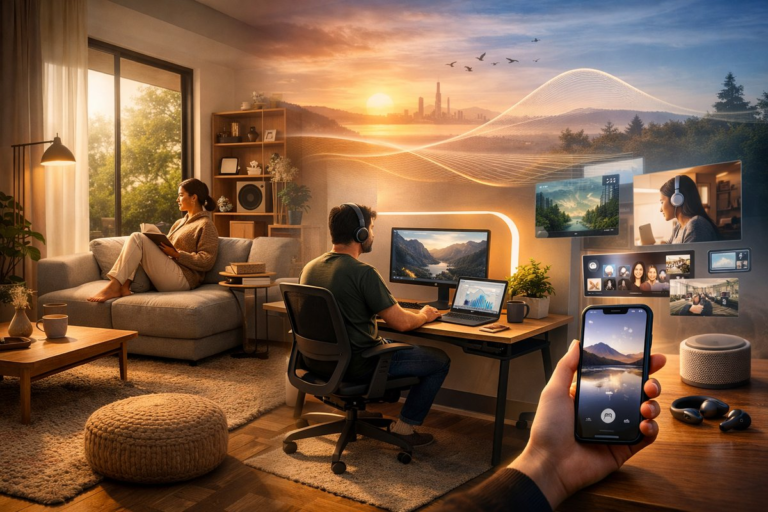
In city centers and suburban enclaves alike, a subtle recalibration is underway. The rush-hour commute has given way to micro-movements: brief walks to a neighborhood café repurposed as a coworking hub, or a bike ride to a shared studio space down the street. This hyperlocal approach isn’t just about cutting travel time; it reflects a deeper craving for community, freshness in routine, and the flexibility to blend work and life in tighter geographic footprints.
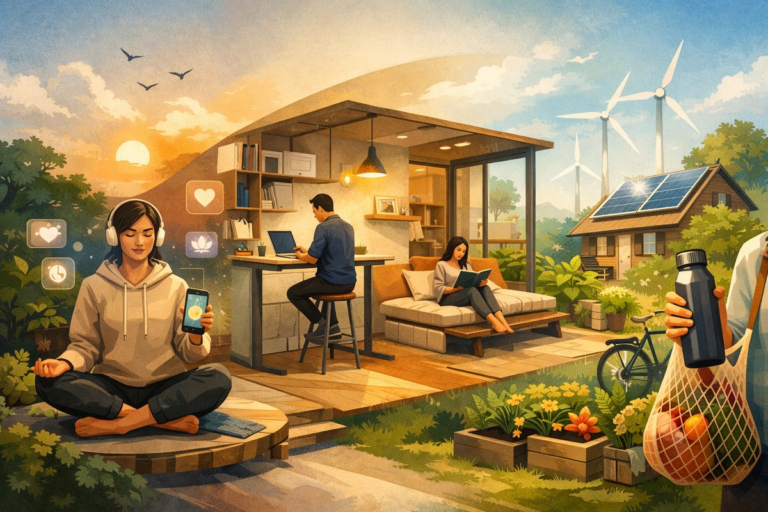
Simultaneously, housing is experiencing its own quiet revolution. Modular design, once confined to industrial contexts, now surfaces in living rooms, tiny-house communities, and open-plan apartments. Prefabricated walls that slide on embedded tracks, adaptable shelving systems that grow with your book collection, and fold-away furniture that morphs a studio into a yoga sanctuary-these are signals of shift toward spaces that respond to shifting needs rather than the other way around.
Equally transformative is the rise of subscription-based wardrobes and circular fashion networks. Instead of buying a new jacket for each season, consumers are tapping into curated clothing libraries. Garments return to circulation once they’re returned, not discarded. This pattern emerges in pop-up swapping events, app-enabled closets, and tech-driven garment tracking that ensures each item’s provenance and life cycle remain transparent. It’s a trend that marries style with sustainability, turning everyday dressing into a more fluid, sustainable ritual.
Technology continues its relentless sway, but the focus is shifting from novelty to purposeful integration. AI-driven wellness apps now adapt meditation guidance based on your speech patterns; sleep-tracking devices adjust ambient lighting and soundscapes in real time; wearable sensors calibrate posture reminders that subtly nudge you back toward an ergonomic sit. In each case, the pattern is clear: technology moving from stand-alone gadgets to quietly responsive companions woven into daily routines.
Entertainment and leisure are also in flux. Instead of streaming endless titles on a single device, many are embracing shared viewing experiences that blend physical and digital realms. Immersive living rooms equipped with projection walls host neighborhood film nights. Gamified book clubs use augmented reality to overlay annotations on printed editions. These blended formats respond to a deeper longing for social connection, even as they harness cutting-edge tech to enrich shared experiences.
A complementary shift is taking place in food culture. Cloud kitchens, once a start-up trope, have matured into neighborhood staples, offering diverse cuisine with minimal real-estate footprints. At the same time, farm-to-door cooperatives leverage hyperlocal supply chains, enabling consumers to order produce picked hours before delivery. Meal kits evolve beyond recipes into ingredient-sharing networks, where neighbors pool seasonal harvests from rooftop gardens or community allotments, bridging taste, health, and ecological stewardship.
Transportation patterns, too, are realigning. Micromobility options-electric scooters, cargo bikes, and shared e-bikes-are weaving into cityscapes as complement rather than replacement to public transit. In neighborhoods where parking scarcity once defined urban stress, a proliferation of solar-powered bike hubs and micro-charging stations signals a shift toward lighter, more energy-efficient commutes. As these options integrate with transit apps and dynamic pricing, the lines between walking, riding, and riding public transit become less distinct, forming a seamless mobility tapestry.
Underpinning many of these trends is a shared ethos of mindfulness. Self-tracking, once focused on step counts and calorie logs, now extends to emotional rhythms: mood-logging journals that correlate your day’s events with energy dips, or community-driven platforms that crowdsource coping strategies for stressors like screen fatigue. Emotional intelligence, once a soft skill, is now digitized in apps that guide you through empathy exercises and real-time feedback on your communication style.
Design itself is undergoing a rethink. Biophilic interiors-rooms structured around natural light, airflow, and living walls-are no longer niche. From coworking lofts with retractable green roofs to bedroom pods lined with moss insulation, design trends are channeling proven well-being benefits of nature. Materials that breathe, floors that harness kinetic energy from footsteps, and paints infused with air-purifying minerals reveal a blueprint for spaces that serve not just function or aesthetics, but holistic health.
Retail is also finding new rhythms. Instead of fixed storefronts, brands experiment with transient concept shops that pop up in underused spaces: an art gallery turned immersive sneaker showcase, or a solar-powered kiosk selling ethically sourced teas. Customer data analytics has matured into predictive forecasting that helps curators tailor each pop-up’s inventory to neighborhood preferences, merging local flavor with global selections. These ephemeral retail experiences keep excitement high, reduce carbon footprints, and democratize access for independent creators.
Education and skill-building are joining the trend wave. Atomic learning sessions-bite-sized workshops that last fifteen minutes-proliferate in apps and at neighborhood hubs. Platforms democratize access to micro-credentials in everything from urban gardening to basic data visualization, allowing learners to stack skills modularly. This pattern speaks to a growing recognition that lifelong learning is not confined to semesters or degrees, but woven into coffee breaks and evening routines.
Meanwhile, the notion of work itself continues to morph. As remote teams diversify across time zones, many organizations are experimenting with asynchronous collaboration policies and “focus days” when no meetings are held. Offices that remain open are being repurposed into innovation labs, social lounges, or child-friendly coworking spaces, reflecting a shift away from monolithic headquarters toward a network of human-centric hubs.
Financial behaviors mirror these adaptive currents. Decentralized finance platforms, once relegated to cryptocurrency enthusiasts, are increasingly used for community lending circles and local investment pools. Mobile apps gamify saving, incentivizing micro-investments in green projects or community-owned renewable energy installations. This trend represents a collective pivot toward financial models that emphasize shared prosperity and transparency.
Even the concept of leisure travel is reshaping itself. Instead of far-flung exotic destinations, a growing number of travelers seek micro-retreats just hours away-an eco-cabin in a neighboring forest, a permaculture homestay on a local farm, or a silent meditation center accessible via a day trip. This move toward near-home adventures minimizes carbon footprints while fostering deeper connections with surrounding landscapes and communities.
Junior entrepreneurs are picking up on this mosaic of trends. Pop-up makerspaces offering 3D-printing workshops in converted shipping containers, community-run repair cafés armed with power tools and spare parts, and neighborhood innovation challenges sponsored by local governments are becoming fertile grounds for civic engagement. These grassroots initiatives further underscore how change signals emerge not just from top-down forces, but from collective curiosity and local action.
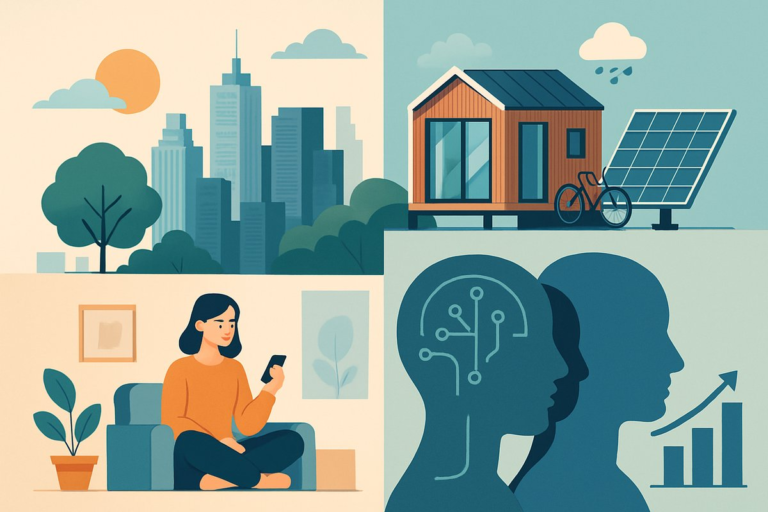
Taken together, these patterns paint a portrait of a world recalibrating toward adaptability, sustainability, and mindful connection. They underscore a shared impulse to design environments, routines, and technologies that meet us where we are-geographically, emotionally, and socially-and evolve with our changing needs.
Signals of change are not always seismic; they often appear as fleeting experiments, niche subcultures, or micro-innovations. Yet many of these small shifts gain momentum, ripple outward, and eventually redefine mainstream norms. By tuning into these trends-whether modular living, hyperlocal work, circular fashion, AI-enhanced wellness, or experiential retail-we gain insight into the values and desires propelling our collective trajectory.
As we navigate a future of infinite options and rapid transformation, spotting these signals becomes an act of agency. They guide how we choose to live, how we build our communities, and how we harness technology for human flourishing. The patterns in motion today will shape the contours of our daily lives tomorrow: fluid, responsive, and infused with purpose.
In the weeks and months ahead, keep an eye on your own neighborhood coffee shop, community board, or design forum. What novel collaborations are taking root? Which services or spaces feel newly alive? In these emerging pocket realities lie the next chapters of cultural, technological, and ecological evolution.